REVIEW · SINGAPORE
Singapore Private Food, Culture and Heritage Tour with 9 tastings
Book on Viator →Operated by Woopa Travels Pte Ltd · Bookable on Viator
9 tastings, big cultural payoff. This private, 6-hour walking route strings together Singapore’s food history with street-level scenes across Chinatown, Little India, and Kampong Glam. You also finish with an included look at the Singapore River area and an iconic city skyline moment.
What I like most is how the tour treats food as culture, not just a snack stop. You’ll hear stories tied to places like Sago Street and the Buddha Tooth Relic Temple, while still eating through the day.
The other big win: the pacing is built around real neighborhoods and public transport. You’ll move by MRT and bus, then take in river views and end at Marina Bay Sands—a satisfying “local day” feel. One thing to consider, though: the food is fixed and the operator notes the tour isn’t suitable for dietary restrictions or walking assistance.
In This Review
- Key things to know before you go
- How This Private Tour Maps Singapore’s Ethnic Story
- Price and Value: Paying for Route Planning and Paid Access
- Taste Strategy: 9 Tastings, Fixed Food, and the Shared-Food Reality
- Chinatown Stops: Markets, Temples, and Shophouse Details
- Little India: Curries, Garlands, and What North vs South Actually Means
- Kampong Glam and Bugis: Mosques, Arab Street, and the Modern Twist
- Clarke Quay to Marina Bay Sands: River Cruise and a Skyline Finale
- Guide Style and Pacing: When the Day Feels Personal
- Practical Tips to Enjoy the Walk Without Regret
- Who This Tour Fits Best (And Who Should Skip It)
- Should You Book This Singapore Food, Culture and Heritage Tour?
- FAQ
- How much does the Singapore Private Food, Culture and Heritage Tour cost?
- How long is the tour?
- Does the tour include hotel pickup?
- Where does the tour start, and where does it end?
- How many tastings are included?
- Is the Singapore River cruise included?
- Is this tour private?
- Which neighborhoods are covered?
- Can the tour accommodate dietary restrictions?
- What should I bring or wear since it runs rain or shine?
Key things to know before you go
- 9 to 10 tastings plus drinks: you’re eating, but it’s still sampling, not a full sit-down meal
- Three heritage districts in one day: Chinatown, Little India, and Kampong Glam
- River Cruise ticket included: you get a break from walking with a paid add-on handled
- Stops mix food with context: temples, shophouse history, mosques, and market streets
- Public transport on a local route: MRT and bus rather than a car-only day
- Rain or shine: bring a poncho/umbrella and water because you’ll be outdoors
How This Private Tour Maps Singapore’s Ethnic Story
Singapore can feel like one city with many faces. This tour leans into that idea by walking the areas tied to the island’s main ethnic communities. Rather than hopping randomly, the route follows a logical line: first the Chinese heritage and market streets, then Indian spice culture, then Malay and Arab influences in Kampong Glam.
I also like that the day isn’t only about food. You start at Kreta Ayer Square, a clue that Singaporeans aren’t one single stereotype. Then you move through street markets and heritage buildings where you can still see how trade and migration shaped daily life.
And because it’s private, you’re not stuck waiting for a big group to decide where to look next. That matters when you’re trying to read the street-level details—shopfront design, temple architecture, the way people flow through hawker areas.
You can also read our reviews of more food & drink experiences in Singapore
Price and Value: Paying for Route Planning and Paid Access
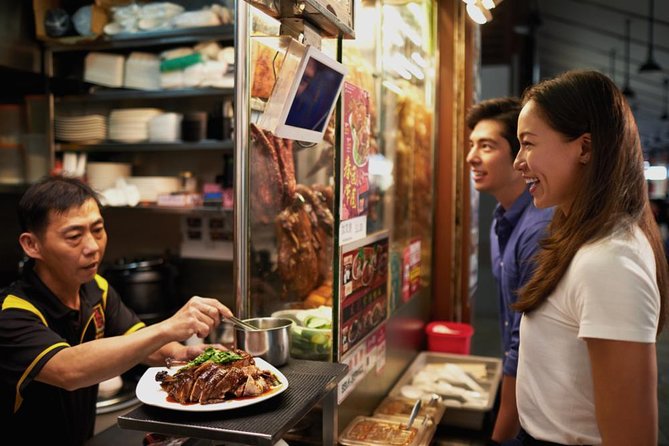
At $185.75 per person for about 6 hours, this isn’t a budget “walk and snack” option. The value comes from how many costs get bundled into one guided package: an English-speaking local guide, 9 to 10 tastings, public transport (MRT and bus), and at least one River Cruise ticket plus multiple site visits/photo stops.
If you were doing this on your own, you’d still pay for:
- your guide (or spend extra time figuring out where to go)
- transport between neighborhoods
- tastings (which add up fast in Singapore)
- entry fees that are included here
- that river experience, which is typically not “free”
That said, you should match expectations to the format. Some people love this as a food-and-culture blend, while others feel it’s more culture/architecture than a heavy food fest. Plan for tastings that keep you moving, not a guaranteed “big meal” at every stop.
So: I think it’s a fair deal if you want a guided day with structure. It’s a poor deal if your main goal is to eat as much as possible with zero history talk.
Taste Strategy: 9 Tastings, Fixed Food, and the Shared-Food Reality
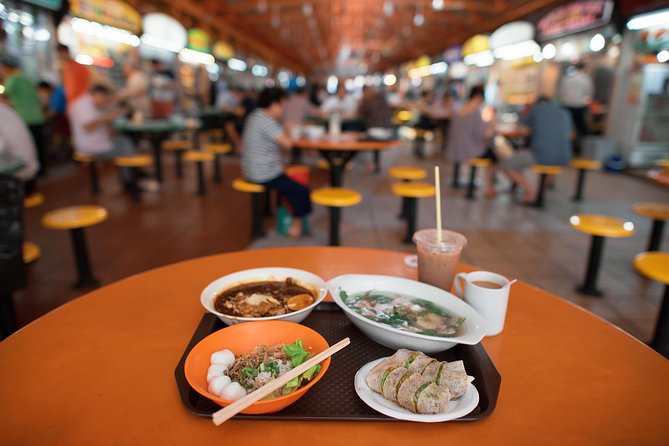
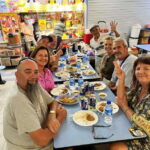
The tour promises 9 tastings (with inclusion listed as 9 to 10 local ethnic dishes and drinks). In practice, that usually means multiple small portions across the day: enough variety to taste different styles, not enough to replace lunch plus dinner.
A key detail: the tour notes that food items are fixed and there’s no customization for individual preferences or dietary needs. The tour is also explicitly marked as not suitable for guests with dietary restrictions. I strongly suggest checking this before you book if you avoid anything for medical, religious, or allergy reasons.
One more thing I’d plan for: the format can be served as shared tastings, even when you’re traveling as a pair. Singapore hawker culture is often built for single-bite sampling and quick ordering. The tour usually follows that rhythm, so you may not get a giant personal plate at every stop.
On the upside, the tastings are spread across neighborhoods that each have a distinct food identity. That’s the real value: you’re not just repeating “one chicken dish” at different stalls. You’re seeing how food ties to community history.
Chinatown Stops: Markets, Temples, and Shophouse Details
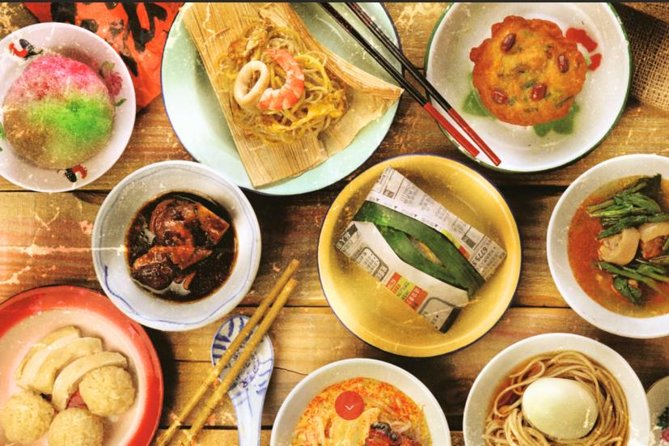
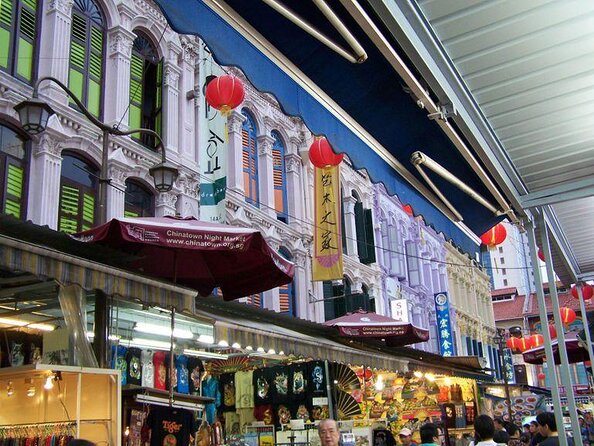
Chinatown is where the tour starts setting the “food + heritage” tone. The route begins around Kreta Ayer Square, then rolls into Chinatown with a sequence designed to show both street life and heritage architecture.
Here’s what you can expect, stop by stop:
- Kreta Ayer Square (start point area)
You’ll get a fast lesson on how Singapore’s racial diversity shows up in the built environment and community life. This isn’t a museum lecture; it’s meant to make you notice details as you walk.
- Chinatown Complex and hawker/wet market area
This is one of the first moments where you see how locals shop and eat in the same general ecosystem. Wet markets are part of everyday rhythm, and hawker centres are the “go-to” for quick meals.
- Chinatown Street Market
The tone shifts to the energy of shopping streets—where food, daily goods, and heritage overlap.
- Sago Street (Street of the Dead)
This stop is all about early immigrant stories and the street’s layered past. It’s a good setup for the tastings because it explains why certain food cultures took root where they did.
- Buddha Tooth Relic Temple and Museum
You’ll pause for photos and get context for what you’re seeing. Even if you’re not the museum type, temple design in this area is worth slow-looking.
- Chinatown Heritage Centre and 100-year-old shophouses
This is the architecture payoff. Shophouses are the signature “Singapore look,” and this stop helps you recognize why they matter for how people lived, worked, and ate.
One practical drawback: Chinatown can feel hot and crowded, especially if you hit it at peak market hours. Wear shoes you don’t mind getting scuffed and plan to hydrate early.
Little India: Curries, Garlands, and What North vs South Actually Means
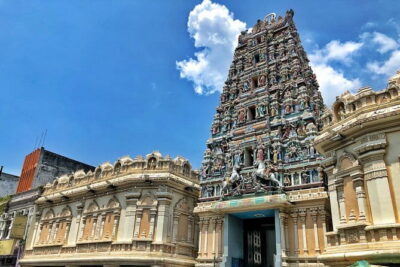
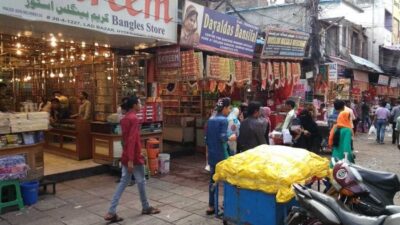
Then the tour shifts to Little India, and the change is immediate: scents, colors, and shopfronts. This is where the guide’s explanation really matters. The tour introduces differences between North and South Indian traditions and cuisine, which helps you interpret what you’re tasting instead of just eating it.
Stops you’ll hit along the way:
- Little India (as you enter the area)
You’ll get introduced to Indian culture through the streets—curries, garlands, and storefront patterns.
- House of Tan Teng Niah (photo stop)
Another moment where you see heritage architecture, not just food. The goal is to connect “what you taste” with “where the communities built their presence.”
- Tekka Centre (food-focused orientation)
Tekka is described as a place for must-try local food. In the real world, markets like this are where you learn the difference between a tourist menu and what locals order without thinking.
- Little India Arcade (photo stop)
Useful for contrast: street culture alongside more compact, corridor-style shopping.
- Campbell Lane
This is more of a neighborhood “read”: where streets funnel activity and how the area’s character shows through in the small details.
Little India can be a great time to slow down and ask your guide questions—but remember, this is still a moving schedule. If you’re the type who loves lingering for photos, keep an eye on time so you don’t end up rushing the later stops.
Kampong Glam and Bugis: Mosques, Arab Street, and the Modern Twist
Kampong Glam is where Singapore shows its layered identity: Malay cultural history plus today’s design-forward, cafe-friendly vibe. The tour frames it as more than one culture—it’s a mix of old and new.
Key stops:
- Kampong Glam (neighborhood orientation)
You’ll notice references to Malay culture as well as the modern side of the quarter, including “artisan cafe” energy and what the area feels like now.
- Malay Heritage Centre (pointed out for after the tour)
This one is important because it tells you the guide may not fully visit everything that’s nearby. You’ll be directed toward it if you want to go on your own later.
- Sultan Mosque (photo stop)
This is one of the most recognizable silhouettes in the area. The value here is the location context—knowing where it sits in the neighborhood map.
- Arab Street (orientation)
This is where the tour’s “heritage across communities” idea becomes tangible. Even if you’re not shopping, the street layout and signage give you the vibe fast.
- Bugis (shopping and leisure zone)
Bugis gets described as a place for shopping, sipping on a cocktail, and even quick massage stops. Think of it as a transition space: from heritage density toward modern city life.
One note: Bugis is a sensory mix, and it’s easy to get distracted by shopping. If you want photos plus food plus story, keep your shopping impulse light. Save big purchases for later.
Clarke Quay to Marina Bay Sands: River Cruise and a Skyline Finale
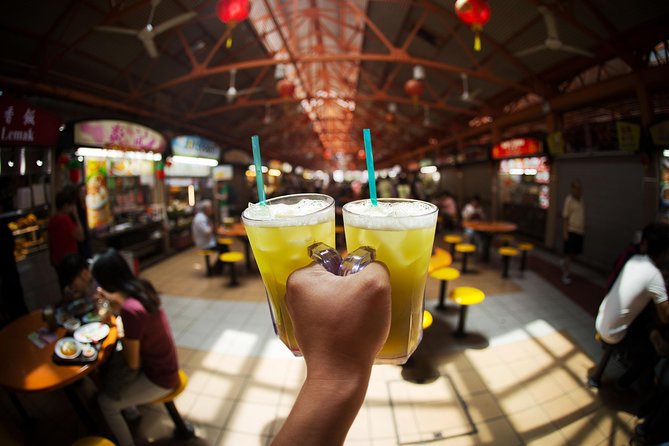
As the tour heads toward the Singapore River, it becomes less about markets and more about how the city uses water and waterfront energy. This part is also a natural fatigue-break: fewer tiny alley turns, more open view moments.
Stops here include:
- Clarke Quay
You’re taken through the riverside entertainment and dining district vibe—live music venues, restaurants, and nightlife energy. Even if you’re not going out, it’s a good place to understand how the river is used today.
- Singapore River
The tour highlights why the river mattered for trade and city development. This is the moment where history becomes “why the city looks the way it does.”
- River Cruise ticket (included)
You get an admission ticket tied to the river experience. The listing mentions a 6-hour option, which signals the cruise is built into the day’s timing. This is one of the smartest parts of the package because it’s both relaxing and scenic.
- Marina Bay Sands (end of tour)
The finale is a dramatic shift: a major integrated resort, shopping, and views. Even if you don’t go inside, the area gives you a clear “Singapore scale” moment.
If you’re heat-sensitive, this finale can still be tough if you’ve been walking all afternoon. Plan to end your day calmly afterward—don’t schedule a long dinner wait right away.
Guide Style and Pacing: When the Day Feels Personal
A private tour lives and dies by its guide. The praise around this experience consistently points to guides who do two things well:
1) explain the why behind the food and neighborhoods
2) keep the day moving so you’re not stuck waiting forever
Names that show up from guides associated with this tour include Ping, Reyney, Leo, Andrew, Walter, Simon, Marcus, Cecelia, Bryan, Pam, Swee Lin, and Raynee. While the exact guide you get can vary, the best versions of this tour tend to feel like a conversation with a local who’s proud of the city and comfortable pointing out small details you’d miss alone.
A balancing note: some reviews also mention problems like too much shop promotion, too little food, or history that crowds out tastings. That’s the risk with any structured food-and-culture day in a country where vendors and brands are everywhere. If you’re the type who hates sales pressure, I’d recommend setting the tone early with your guide: you want the food story, not the shopping stop.
Practical Tips to Enjoy the Walk Without Regret
Singapore walking days can be sweaty, even when the weather looks fine.
Here’s how I’d set yourself up:
- Wear comfortable footwear you can walk in for a moderate amount of time outdoors.
- Bring water and a poncho/umbrella since the tour runs rain or shine.
- Eat a light breakfast or snack, not a heavy meal. The tastings can add up, but you shouldn’t start so full that you miss half the enjoyment.
- Plan your photo pace. Several stops are explicitly photo opportunities, so let those be quick wins instead of time sinks.
- Use the public transport part of the experience. Riding the MRT and bus isn’t just logistics; it’s one of the best ways to feel the city’s normal rhythm.
Also, if you’re traveling as a couple: even though it’s private, tastings can be formatted as shared items. If that would annoy you, ask your guide how portions work at the start.
Who This Tour Fits Best (And Who Should Skip It)
This is a strong fit if you:
- want a structured route across three major ethnic districts
- enjoy learning history through daily life—markets, temples, streets
- like the idea of multiple tastings in one afternoon instead of hunting stalls all day
- want the convenience of guide-led transport and included paid moments like the river cruise ticket
It’s a weaker fit if you:
- need customized meals for allergies or dietary restrictions (the tour notes fixed food and says it’s not suitable for dietary restrictions)
- need walking assistance or have limited mobility (also noted as not suitable)
- mainly want a heavy, full-meal food crawl with large portions
Should You Book This Singapore Food, Culture and Heritage Tour?
Book it if you want a well-paced “first-city” day that connects food to place. The route through Chinatown, Little India, and Kampong Glam gives you variety fast, and the included river experience adds a proper break from nonstop walking.
Skip it if your top priority is maximum quantity of food and zero history talk. In that case, you may feel let down by fixed tastings and the possibility of shared portions.
My practical call: if you’re planning your first trip to Singapore and you want the city’s ethnic story told through streets, markets, and quick bites, this tour is a good use of time and money. Just do your homework on dietary needs and go in ready for a warm, outdoor walking afternoon.
FAQ
How much does the Singapore Private Food, Culture and Heritage Tour cost?
It costs $185.75 per person.
How long is the tour?
It’s about 6 hours.
Does the tour include hotel pickup?
Yes, hotel pickup is offered when you select that option. There is no hotel drop-off.
Where does the tour start, and where does it end?
You start at Chinatown MRT Exit A151 on New Bridge Road (with the address listed). The tour ends in a different location, and the route finishes at Marina Bay Sands.
How many tastings are included?
The tour includes 9 to 10 local ethnic food dishes and drinks.
Is the Singapore River cruise included?
Yes, the package includes an admission ticket to the River Cruise.
Is this tour private?
Yes. Only your group participates.
Which neighborhoods are covered?
You walk through Chinatown, Little India, and Kampong Glam, plus you also spend time along the Singapore River area.
Can the tour accommodate dietary restrictions?
The tour information says it is not suitable for guests with dietary restrictions, and that food items are fixed with no customization.
What should I bring or wear since it runs rain or shine?
Wear casual clothing and comfortable footwear. Bring a poncho or umbrella and water, since the tour operates rain or shine and includes outdoor walking.