REVIEW · SINGAPORE
Street Food, Cultural & Historical Tour of 3 Ethnic Quarters
Book on GetYourGuide →Operated by Singapore Foodsters / Livin' Da Local Experiences · Bookable on GetYourGuide
Six hours, three cultures, one trail of food. This tour is interesting because it connects Singapore street food to the people and policies that shaped the three ethnic quarters, with Gerry sharing stories and old images as you snack your way through UNESCO hawker centres. I especially like the way the food stops are paired with context, so bites come with meaning.
I also like that you’re not just doing hawker centre sampling—you’ll visit produce and spice markets and spend time in each neighbourhood’s shopping streets, so you see where the ingredients and textures come from. One thing to consider: the pace is active and you’ll walk about 6000 steps, plus it’s not suitable for vegans or gluten intolerance, so plan around your diet and energy level.
In This Review
- Key Things I’d Highlight Before You Go
- Street Food With a Backstory Across Three Ethnic Quarters
- Meet Gerry: A Peranakan Guide With Fujian Roots
- Price and What $148 Buys You in Real Value
- Chinatown: Hawker Centre Bites, a Temple Stop, and Darker Street Legends
- Little India: Wet and Dry Produce Markets, Spice Stalls, and a Family-Run Meal
- Kampong Glam: Haji Lane, Arab Street Textiles, the Sultan Mosque, and Dessert for Pilgrims
- Public Transport as a Feature, Not a Logistics Afterthought
- Walking Pace, Food Amounts, and What to Bring
- Who This Tour Suits Best (and Who Should Rethink It)
- Should You Book This Street Food and Culture Tour?
- FAQ
- How long is the Street Food, Cultural & Historical Tour of 3 Ethnic Quarters?
- What does the $148 per person include?
- How big is the group?
- Where are the pickup and drop-off locations?
- Which neighbourhoods will we visit?
- Will we use public transport during the tour?
- About how much walking is involved?
- What kinds of food and drinks should I expect?
- Is the tour suitable for vegans or gluten intolerance?
- What if I need to cancel?
Key Things I’d Highlight Before You Go
- Small group (up to 8): easier questions, more back-and-forth story time, and less rushing.
- Gerry’s Peranakan perspective: a native Singapore guide whose great grandparents arrived from Fujian in 1910.
- Markets plus hawker centres: you’ll see ingredients at fruit, vegetable, seafood, and spice stalls before you eat.
- UNESCO hawker centres with Michelin-listed picks: street food without the guesswork.
- Public transport included: commuting is part of how you understand Singapore day-to-day.
Street Food With a Backstory Across Three Ethnic Quarters
What makes this tour work is the structure. You go neighbourhood to neighbourhood—Chinatown, Little India, and Kampong Glam—but the real point is how each place grew and how people built community through food. Singapore’s ethnic settlements were strategically established by the British in 1822, and the tour uses that timeline to explain why you still see strong cultural identities in the streets today.
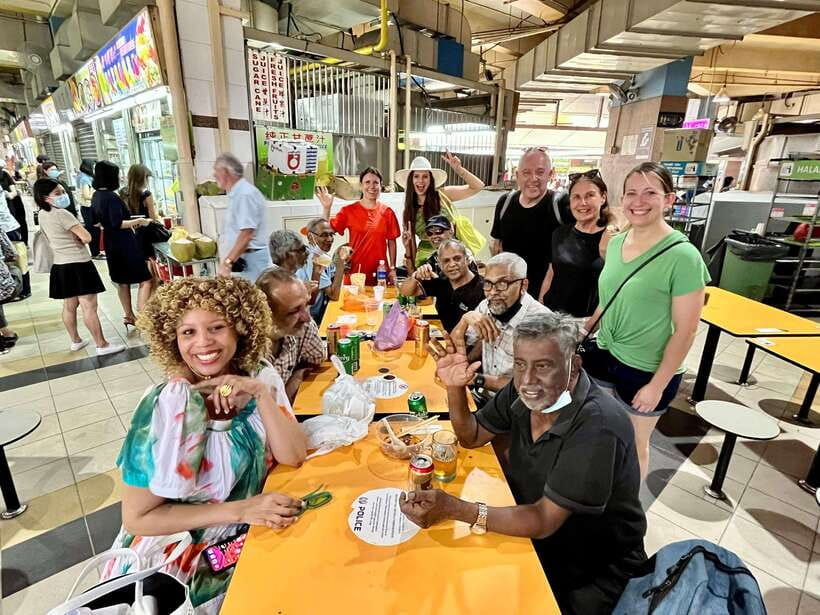
I like that you’re not stuck in a food hall with a generic script. Instead, you’re moving through real local spaces: market lanes, temple and mosque surroundings, and hawker centres where everyday life continues around you. You’ll be eating, yes—but you’ll also be reading the city with your eyes. That combo makes the whole six hours feel purposeful, not just snack-heavy.
One practical tip: wear comfy shoes and plan for a full day of eating and walking. The tour is built around tasting, plus beer, coffee, and tea, so you don’t need to eat a big breakfast first.
You can also read our reviews of more food & drink experiences in Singapore
Meet Gerry: A Peranakan Guide With Fujian Roots
This tour is hosted by a Chinese Peranakan guide, born in Singapore six years after independence in 1965. His family story also connects deeply to Fujian: his great grandparents arrived from Fujian, China in 1910. That matters because it shapes how he tells the city—through family movement, adaptation, and community networks, not just facts.
What you’ll notice quickly is the tone. The experience has humour and lots of stories, and Gerry uses pictures to show earlier immigrant life and the hardships people faced. That visual part helps you connect what you’re seeing now—markets, shopfronts, and community spaces—with what life was like before modern Singapore took its current form.
In the small group setting, you’re also more likely to get real Q&A. When you’re curious about a dish, a street, or a historical detail, you’re not fighting for attention. It feels more like roaming with a knowledgeable friend than following a rigid lecture.
Price and What $148 Buys You in Real Value
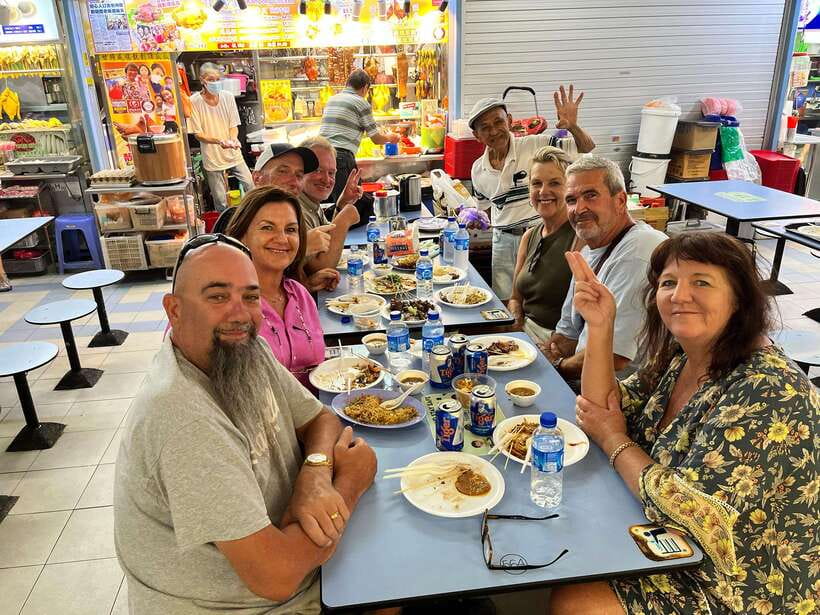
At $148 per person for about six hours, you’re paying for four things working together: food, local access, guide storytelling, and transport. The food and drink component is substantial—beer is included, and you also get coffee and tea along the way. That alone can make the cost feel less “tour-price” and more like a guided eating day.
Then there’s access. You’re not just walking past markets; you’re actually stepping into fruit, vegetable, seafood, meat, and spice stalls, plus seeing the clothing and textile shopping streets that give each quarter its personality. Those stops are part of the experience, not random add-ons.
Finally, you get public transportation tickets between quarters. Singapore’s system is efficient, clean, and comfortable, and the tour uses that network so you spend your time where it counts: on the streets, tasting, and learning.
If you’re someone who likes street food but also cares about context, this price can be a good fit. If you’re only in it for one or two dishes and you don’t enjoy walking, you might want a shorter or more food-only option.
Chinatown: Hawker Centre Bites, a Temple Stop, and Darker Street Legends
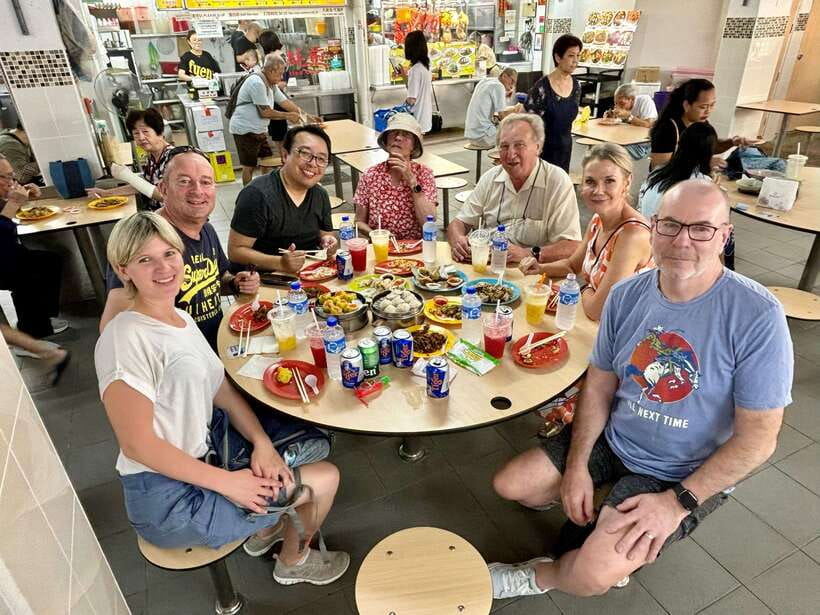
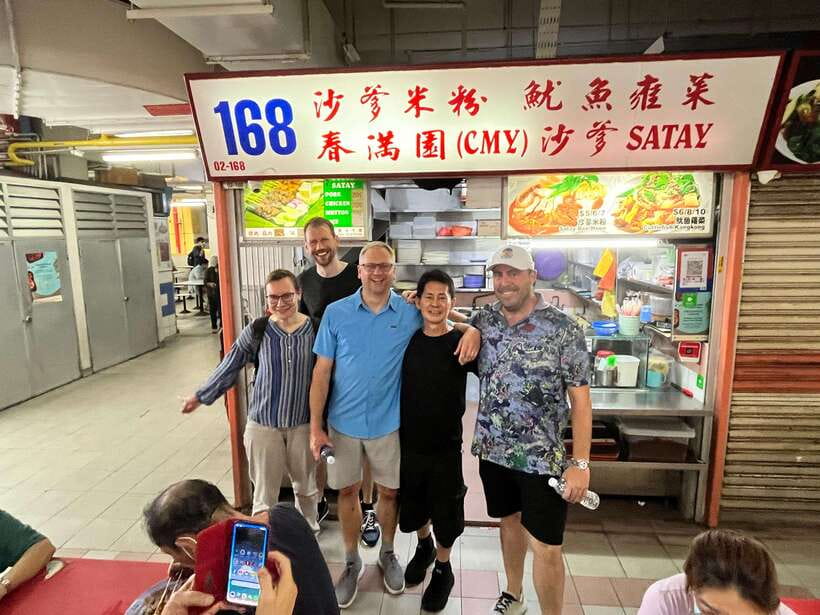
Chinatown is where the tour blends everyday flavours with the city’s tougher chapters. You’ll start at a hawker centre for local Chinese food and drink, then continue through a Buddhist temple area and street market stalls nearby. This mix is smart: it gives you a place to sit, eat, and people-watch, then switches you back to the energy of shopping streets.
Gerry also frames the area with historical accounts tied to specific themes. You’ll hear about the Street of the Dead, red lanterns and private chambers, and opium dens. Even if some of this content is heavy, it helps explain why certain districts, habits, and community structures formed the way they did.
You’ll also see how old immigrant life isn’t just a museum topic. It’s present in the street layout, the markets, and how families built their daily routines around work and trade.
One consideration: if you prefer only light, feel-good storytelling, this part might be more intense than you expect. But if you want Singapore’s history without sugarcoating, it’s a strong start.
Little India: Wet and Dry Produce Markets, Spice Stalls, and a Family-Run Meal
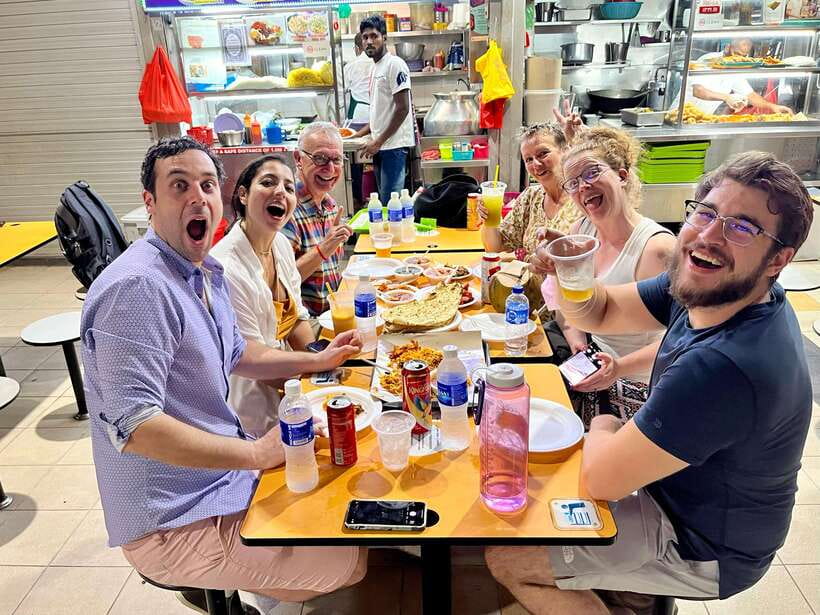
In Little India, the tour shifts from hawker-centre eating to ingredient discovery. You’ll visit a wet and dry produce market, including seafood stalls, meat stalls, fruit and vegetable stalls, and spice stalls. This is where you’ll start thinking about food as supply chains—what’s available, how it gets handled, and how colour and aroma guide your choices at the table.
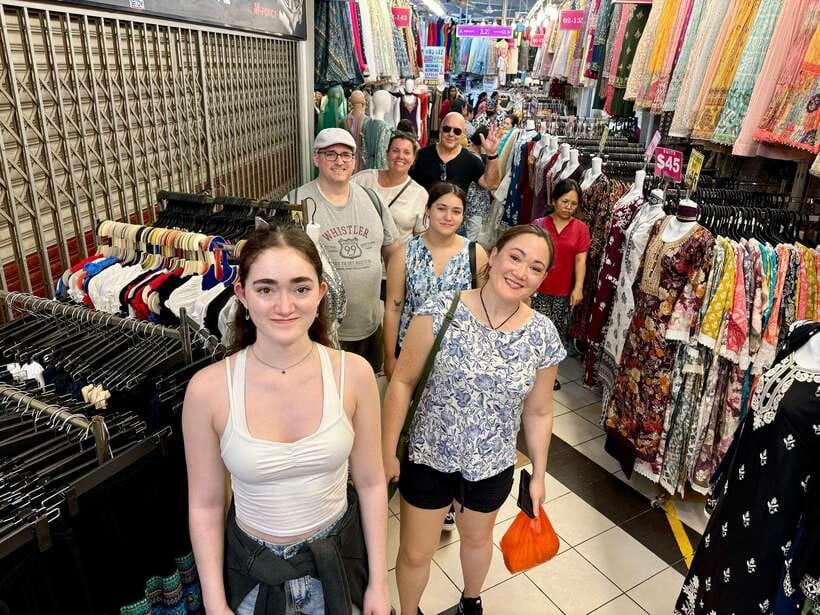
Then you’ll spend time around the Indian clothing market and the street stalls, which adds a visual layer to the neighbourhood. Shopping streets can be touristy elsewhere, but in this case they’re tied to community identity and daily life, not just souvenirs.
For the meal and drink portion, you’ll go to a family eatery for local Indian and Malay food and drink. That cross-over is a big part of what makes Singapore food so interesting: flavours don’t stay locked behind one label. You’ll also typically include snacks, and there’s a mix of drinks (beer and non-alcohol options like coffee and tea show up on the day).
If you’re sensitive to smell and spice, give yourself mental prep. You may pass strong aromas at the spice stalls, even if the food tastings are moderated.

Kampong Glam: Haji Lane, Arab Street Textiles, the Sultan Mosque, and Dessert for Pilgrims
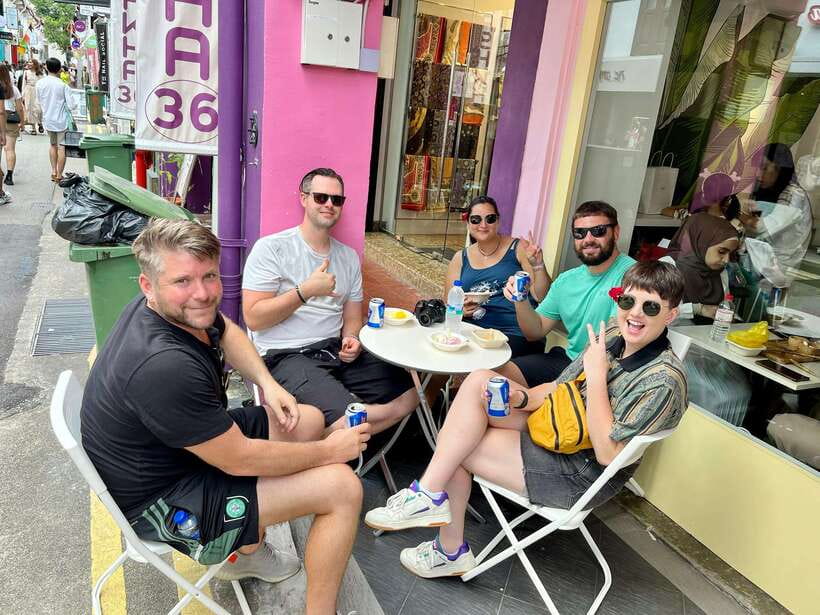
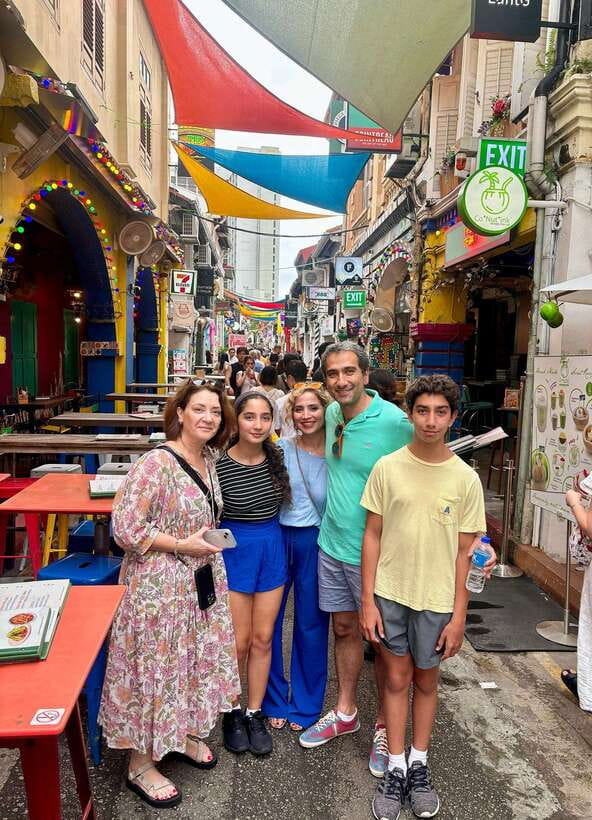
Kampong Glam is where the tour gets playful without losing substance. You’ll walk through Haji Lane—famous for its street character—then look at graffiti walls that reflect how newer layers of culture sit alongside older ones.
From there, you’ll head to Arab Street and focus on textile shops, which is a logical move because this quarter’s identity has long ties to trade and visiting merchants and communities. You’ll also get an introduction to Singapore’s 1st Sultan Mosque, which anchors the neighbourhood historically and spiritually.
The dessert stop is a great closer. You’ll have dessert in an old shophouse setting that was used by 19th-century Muslim pilgrims. That detail matters because it turns the final sweet bite into a small history lesson you can taste and remember.
This section is also visually satisfying: street scenes, shopfronts, and cultural landmarks all in one route. One note: because you’re walking through lively streets and narrow lanes, keep your phone secured and stay aware of your footing—especially if it’s warm and you’ve been on your feet all day.
Public Transport as a Feature, Not a Logistics Afterthought
A quiet win here is that commuting is included. You’ll take public transport between Chinatown, Little India, and Kampong Glam, with tickets provided. The tour treats that as part of the experience because it shows how locals actually move—efficient, clean, and comfortable, with a network that connects you fast.
You’ll also get a better sense of Singapore’s “tiny island, big connections” feeling. Instead of spending time on taxis or long waits, you stay in flow and use transit like a local would.
Practically, it also breaks up the walking. The itinerary alternates walking stretches with short rides, so you don’t feel like you’re constantly negotiating sidewalks for six straight hours.
If you’re new to Singapore, this is a confidence boost. You’ll finish knowing how the city links these three quarters, not just how the food tastes.
Walking Pace, Food Amounts, and What to Bring
This is a 6-hour tour with an approx 6000 steps expectation. I recommend comfortable shoes with grip and clothes you can sweat in. You’ll also be standing and moving during market sections, so bring patience and a bottle of water if you like, even if the tour includes drinks.
Food-wise, you should expect a lot. The day is built around multiple tastings, plus beer included, with coffee and tea along the way. One practical consequence: go light on heavy breakfast. Your stomach will thank you by the time dessert arrives.
Group size is limited to 8 participants, which helps with pacing and questions. It also means the guide can adjust when someone needs a quick stop or wants to ask about a dish. Based on the way the tour is described, you’ll likely feel taken care of rather than herded.
Not allowed items matter too: oversize luggage, baby strollers, and large bags are not part of the plan. If you’re travelling with more than a daypack, you may want to think ahead.
Who This Tour Suits Best (and Who Should Rethink It)
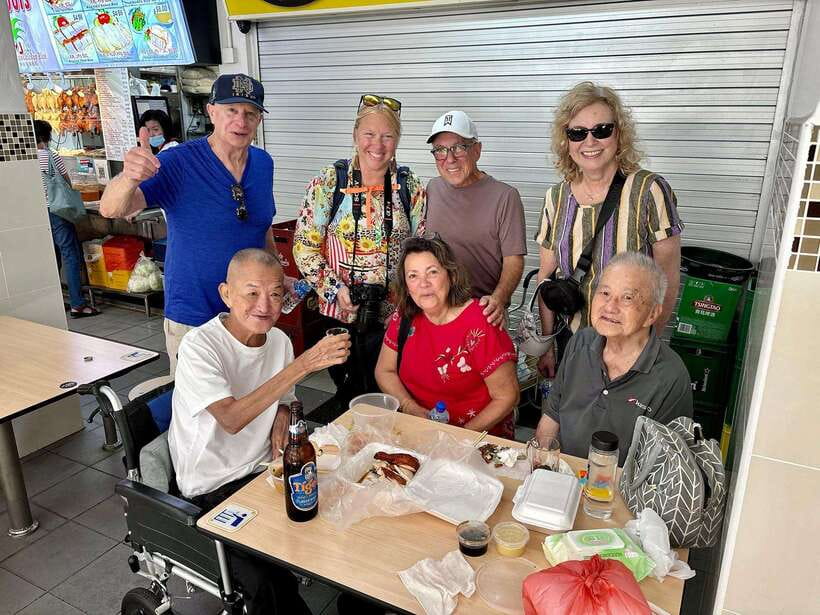
This experience fits you if you want street food with cultural context and you enjoy walking. You’ll get market access, UNESCO hawker centre meals, and neighbourhood history told in a story-first way.
It also works well if you’re travelling with kids who can handle a food day and some walking. One review story mentioned a 15-year-old enjoying the day, which suggests the vibe isn’t only for adults.
That said, it’s not suitable for everyone. It’s not recommended for pregnant women, people with back problems, mobility impairments, wheelchair users, or those with vertigo or respiratory issues. It’s also not suitable for babies under 1 year. If you’re gluten intolerant or vegan, you’ll need to look for a different tour format.
If you’re low-fitness or just hoping for a mostly seated experience, this may feel like too much.
Should You Book This Street Food and Culture Tour?
Yes, I think you should book it if your idea of a great Singapore day includes food plus context. The combination of UNESCO hawker centres, market walks, and neighbourhood history makes it feel like you’re learning how the city actually works, not just ticking off three zones on a map. The small group size and Gerry’s humour and storytelling also help the day move quickly in the best way.
Book it now (or at least consider it strongly) if you like the sound of Chinatown temple-and-markets energy, Little India ingredient hunting at wet and dry markets, and Kampong Glam street scenes plus Sultan Mosque and pilgrim-era dessert.
Skip it if you have mobility limits you can’t work around, need vegan or gluten-free meals, or you’d rather do shorter stops with less walking.
If you do book, wear comfortable shoes, keep your expectations open for darker historical stories, and come hungry enough to enjoy beer, coffee, tea, and a full sequence of tastings.
FAQ
How long is the Street Food, Cultural & Historical Tour of 3 Ethnic Quarters?
The tour lasts 6 hours.
What does the $148 per person include?
It includes hotel pickup and drop-off (location dependent), food and drink (beer included), and public transportation tickets to the quarters.
How big is the group?
It is a small group limited to 8 participants.
Where are the pickup and drop-off locations?
Pickup options include City Hall MRT or Raffles City. Drop-off options also include Raffles City or City Hall MRT.
Which neighbourhoods will we visit?
You’ll explore Chinatown, Little India, and Kampong Glam.
Will we use public transport during the tour?
Yes. Public transportation tickets are included, and you travel between quarters by transit.
About how much walking is involved?
The tour includes walking of approximately 6000 steps.
What kinds of food and drinks should I expect?
You’ll try a mix of street food and local favourites at hawker centres and eateries. Beer is included, and coffee and tea are also part of the day.
Is the tour suitable for vegans or gluten intolerance?
No. The tour is listed as not suitable for vegans and people with gluten intolerance.
What if I need to cancel?
You can cancel up to 24 hours in advance for a full refund.