REVIEW · SINGAPORE
Chinatown Heritage and Local Street Food Small Group Tour
Book on Viator →Operated by Looppee Tour · Bookable on Viator
Chinatown tastes better with a guide. This small-group 2.5-hour walk strings together Chinatown sights and hawker centres, then lands on 7–8 local food & drink tastings so you’re not stuck guessing what to order. I love the steady pace for a short day in Singapore, and I love that the guide ties each stop to what you’re seeing nearby. One possible drawback: transport to the meeting point is on you.
I’m also into the very human side of this tour. In past groups, Jason has handled allergy needs, and even the queueing for Tian Tian Chicken and Rice became part of the experience. You’ll finish back where you started at Maxwell Station Exit 2, with a cap of 10 people so conversation stays possible.
In This Review
- Key highlights I’d prioritize
- Chinatown on a Fork: how this 2.5-hour plan delivers value
- Maxwell Station Exit 2: the smart starting point
- Stop 1: Buddha Tooth Relic Temple and Museum, where the day gains meaning
- Chinatown Complex: the hawker-centre shortcut to ordering like a local
- Sago Street (Street of the Dead): learning by walking the margins
- A leisurely Chinatown stroll: shophouses, traditional shops, and the “in-between” you’ll miss alone
- Sri Mariamman Temple and Jamae Mosque: religion close to where people eat
- Maxwell Food Centre: where the tastings actually happen
- Small group size and guides who talk like people
- What you should wear, bring, and plan around
- Price and value: $52.31 buys food, time, and fewer ordering mistakes
- Who this tour suits best (and who might want to skip it)
- Should you book the Chinatown Heritage and Local Street Food Small Group Tour?
- FAQ
- What’s included in the Chinatown Heritage and Local Street Food tour?
- How long is the tour?
- How many people are in the group?
- Where do I meet, and where does the tour end?
- Is transport included in the price?
- What fitness level do I need?
- Can I cancel for a full refund?
Key highlights I’d prioritize
- A food-and-heritage route that doesn’t waste time: temples, street history, and hawker centres in one tight walk
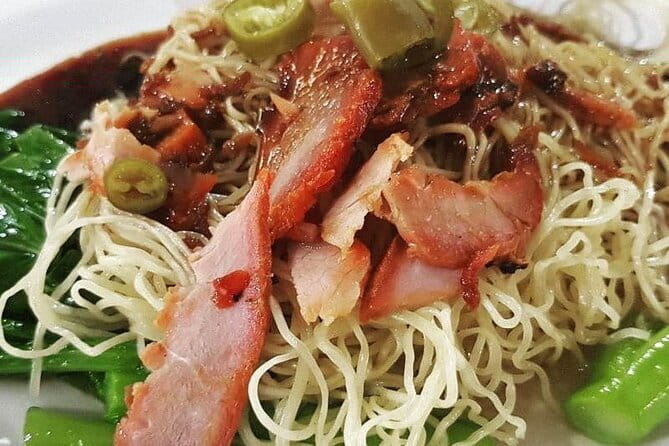
- 7–8 tastings plus drinks: enough variety that you can try multiple Singapore favorites
- Maxwell Food Centre time with real ordering cues (including time spent waiting for a top chicken rice stall)
- Small group (max 10): easier questions, better flow, less standing around
- Allergy-aware guidance: the guide has tailored food choices when needed
Chinatown on a Fork: how this 2.5-hour plan delivers value
Singapore’s Chinatown can feel like two cities at once: classic religious landmarks and food culture that moves at hawker speed. What makes this tour practical is the rhythm. You’re not trying to see everything. You’re walking a clear loop, then eating in a way that’s easy to repeat on your own afterward.
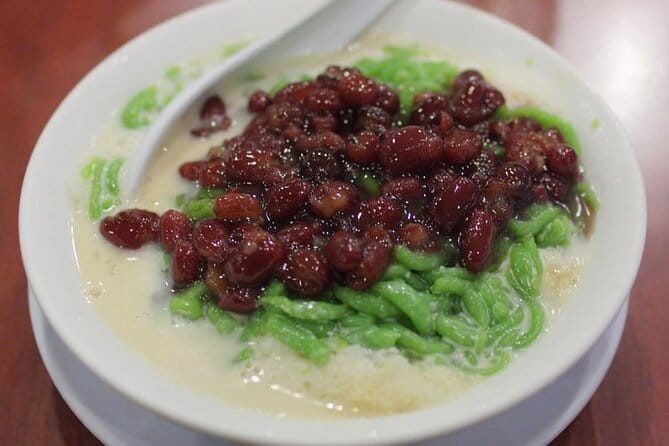
At about $52.31 per person, the value comes from what’s included: 7–8 local food & drink tastings plus a guide. You’re not paying for transportation here, so the cost is really concentrated on guiding and feeding you. If you’ve got even mild interest in ordering well at hawker centres, that guide time can save you from common beginner mistakes like ordering one “sure thing” and missing the range of flavors.
The duration—about 2 hours 30 minutes—is also a big part of the appeal. It’s long enough to taste multiple dishes and cover meaningful sights, but short enough that it won’t chew up your whole day in Singapore.
You can also read our reviews of more food & drink experiences in Singapore


Maxwell Station Exit 2: the smart starting point
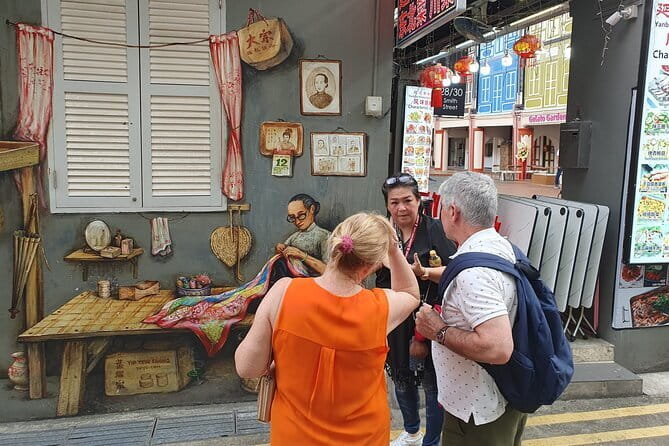
You start at Maxwell Stn Exit 2, and you return there at the end. That matters more than it sounds. Maxwell sits right where you can comfortably connect to the rest of your itinerary afterward without turning the tour into a logistics puzzle.
Also, this tour uses a mobile ticket, which is the modern, low-friction setup you want while you’re juggling directions, rain, and hunger.
One more practical note: the tour is listed as near public transportation, and it has a “moderate physical fitness” guideline. Translation: wear comfortable shoes, expect some walking, and don’t plan to wear brand-new sneakers that first day.
Stop 1: Buddha Tooth Relic Temple and Museum, where the day gains meaning
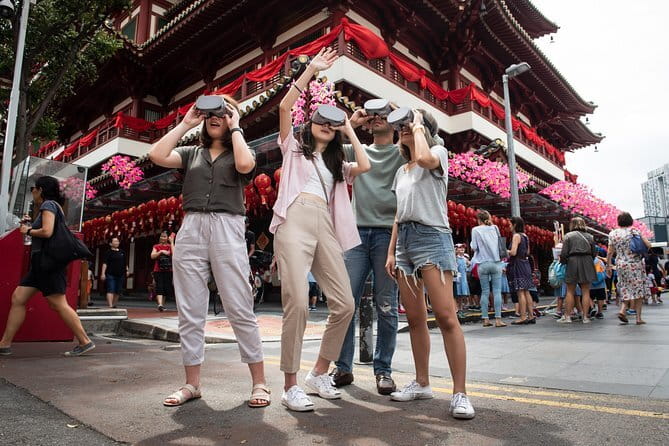
The tour begins at the Buddha Tooth Relic Temple and Museum, located in the heart of Chinatown. Even if you’re not religious, this stop is a strong way to “read” the neighborhood you’re walking through. You get a sense of why Chinatown isn’t just about markets—it’s also about belief, community, and long-standing traditions that still shape daily life.
The temple visit is listed with admission noted as free. That’s a small detail, but it helps you feel less nickel-and-dimed right at the start.
What I like about starting here is tone-setting. Before you hit food courts and streets, you get context: this part of Singapore was built by people arriving, trading, worshipping, and building routines that continued long after borders shifted.
Chinatown Complex: the hawker-centre shortcut to ordering like a local
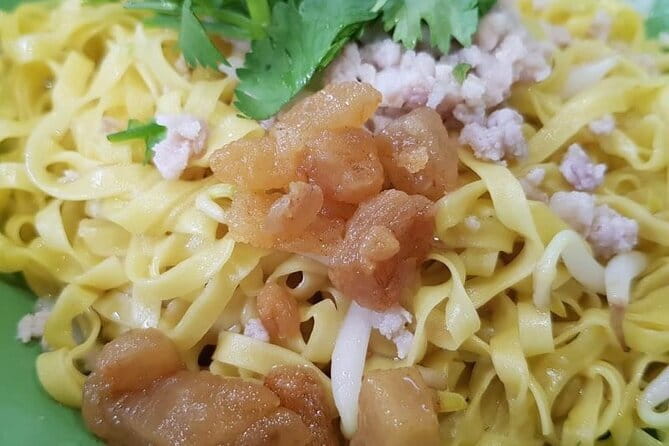
Next up is Chinatown Complex, described as one of the largest hawker centres in Singapore. This is where the tour earns its keep. Instead of hopping random stalls, you’re guided to dishes you can actually order and taste with confidence.
Admission for this stop is also marked free, so you’re paying for guidance and tastings—not entry fees.
This is the kind of stop where your biggest win is learning how hawker meals are structured. You’ll see how people line up, how portions work, and how drinks pair with food. Even if you don’t remember every dish name, you’ll leave with an ordering framework you can use later.
Sago Street (Street of the Dead): learning by walking the margins
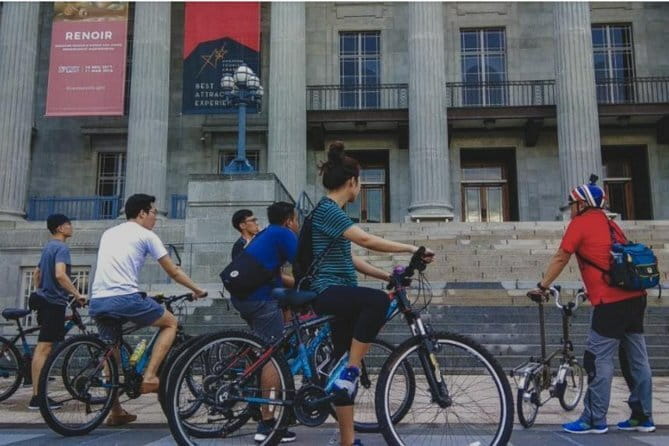
Then you move to Sago Street, also known as the Street of the Dead. The key value here isn’t just the nickname—it’s the reminder that Chinatown has layers. A street can be famous today for food and shops, yet still carry stories tied to earlier eras and community rhythms.
The tour keeps this stop short (about 5 minutes), which is smart. You’re not spending the whole meal portion of your day reading plaques. You’re getting a small dose of context, then getting back to the main event: eating.
If you like street-level storytelling—small places, big meanings—this stop will feel like the connective tissue between the temples and the hawker centres.
A few more Singapore tours and experiences worth a look
A leisurely Chinatown stroll: shophouses, traditional shops, and the “in-between” you’ll miss alone
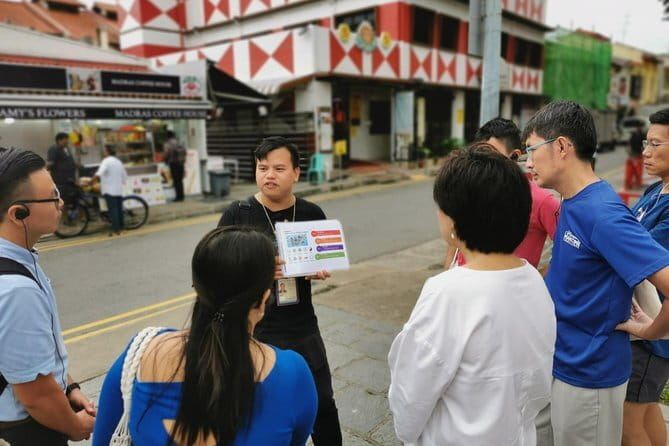
After Sago Street, you get about an hour of relaxed walking around Chinatown. This part is about noticing the stuff most self-guided trips skip: the shophouses, the small traditional shops, and the quieter corners that make the area feel lived-in rather than touristy.
I like this structure because it gives you room to look up, look down, and check out the details that show up between your food stops. And because it’s not a sprint, you can keep your energy for Maxwell Food Centre later.
Sri Mariamman Temple and Jamae Mosque: religion close to where people eat
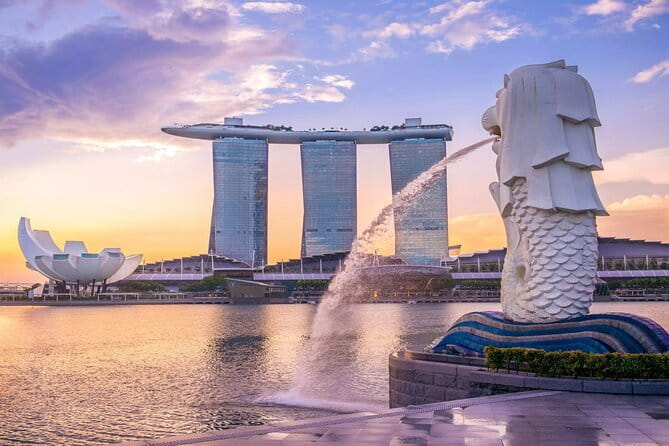
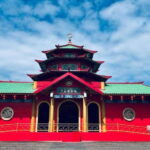
Two major religious landmarks come next: Sri Mariamman Temple and Jamae Mosque (also known as Jamae Chulia Mosque). Sri Mariamman is Singapore’s oldest Hindu temple, and Jamae Mosque is one of the oldest and most historic mosques in the area.
Why this pair works on a food tour: you start to see how different communities shaped the same neighborhood. The tour doesn’t treat these stops like checkboxes. It places them along the same walking line you’ll use to reach the food.
If you’re into architecture, symbolism, or just the feeling of being in places that still matter to locals, you’ll appreciate the contrast: ornate temple spaces on one side, everyday Chinatown movement on the other.
Maxwell Food Centre: where the tastings actually happen
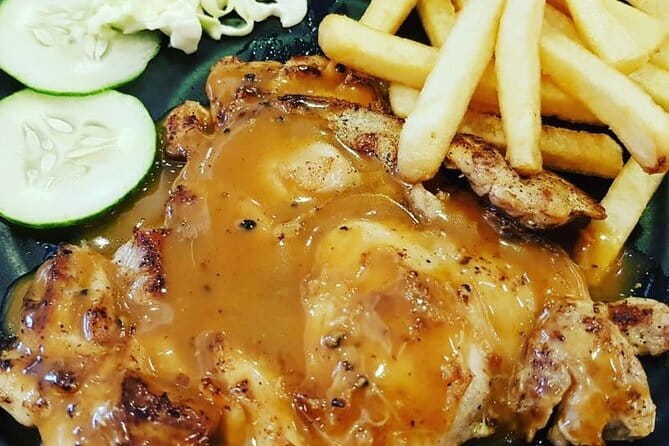
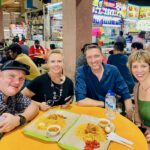
You’ll spend about 1 hour at Maxwell Food Centre, and this is the heart of the tour. The guide’s goal is simple: get you enough sampling to understand Singapore hawker culture without overloading you.
Maxwell is known for diverse local dishes, but the tour’s real edge is how you experience it. In past tours, guides have even queued for the Tian Tian Chicken and Rice stall, which is a great example of what makes a guided hawker stop better than wandering. You’re not just following the loudest smell. You’re getting the timing and ordering logic right.
Expect tastings that may include familiar favorites like chicken rice, plus other items such as cake, tea, and even durian, depending on what’s being served and what fits the group’s needs that day. You may also finish with a kaya breakfast-style bite, since that’s come up as part of the tour flow in earlier experiences.
Here’s how to think about the tasting pace: you’re sampling 7–8 items in about an hour, so you’ll likely get smaller portions of multiple dishes. That’s good. It reduces the chance of getting stuck with one meal you can’t finish, and it gives you a better “flavor map” of Chinatown in one stop.
Small group size and guides who talk like people
This tour caps at 10 travelers, and that size changes everything. You can ask questions, you can react to what you taste, and the guide can adjust on the fly. That matters if you’re the type who wants to know why people order one dish over another, or how to spot a place that’s worth your queue time.
In at least one recent outing, the guide (Jason) handled an allergy request by tailoring the food choices for a daughter with allergies. That’s a big deal on hawker-centre tours, where ingredients can vary from stall to stall. If allergies or dietary restrictions matter to you, don’t keep it vague—make sure the guide knows clearly when you book.
Also, the tours have shown a friendly, story-led style, with humor and city context woven into the walk. You get the feeling you’re not just being marched from stop to stop. You’re being taught how Chinatown works.
What you should wear, bring, and plan around
This tour is short, but you’ll be on your feet. I’d plan around the obvious stuff:
- Comfortable shoes (you’ll thank yourself at Maxwell)
- Light layers (temples and hawker centres can feel different from the street)
- Water if you tend to get thirsty quickly
You also should plan for your own spending beyond included tastings. The tour lists personal expenses as not included, and extra drinks or snacks beyond the tastings are on you.
One more practical tip: since transport isn’t included, I’d build in enough time to reach Maxwell Stn Exit 2 before the start. Hawker-centre energy can make you feel like you’re rushing even when you’re not.
Price and value: $52.31 buys food, time, and fewer ordering mistakes
Let’s talk value in a real way. You’re paying around $52.31 for:
- A guide
- 7–8 local food & drink tastings
- A route that includes key Chinatown sights (temple and major mosque/temple stops)
If you’re already planning to eat at hawker centres anyway, the included tastings act like a packed sampler platter. Without a tour, you could spend similar money on one full meal plus a drink, but you might still miss multiple signature dishes.
On the other hand, if you’re someone who hates waiting in lines, the hawker part can feel slow. This tour may include queueing for top items like chicken rice. I see that as part of the deal—this is how hawker culture works—but you should know it’s not a quick walk-and-go situation.
Bottom line: this tour is best value for people who want variety fast and want help navigating hawkers without gambling your appetite.
Who this tour suits best (and who might want to skip it)
This tour is a strong match if you:
- Want a first taste of Chinatown without getting overwhelmed
- Like food guides who explain what you’re eating and why
- Prefer small groups (max 10)
- Appreciate mixing culture stops with meals in one outing
- Need help ordering around allergies (ask when booking)
It might be less ideal if you:
- Already have a hawker game plan and hate group pacing
- Want a longer, slower photography walk that lasts most of the day
- Don’t want to stand in any lines at hawker stalls
Should you book the Chinatown Heritage and Local Street Food Small Group Tour?
Book it if you’re visiting Singapore and want a fast, friendly way to understand Chinatown through food and major landmark stops—without figuring out everything alone. The 7–8 tastings, the tight 2.5-hour format, and the small group cap make it easy to fit into a first or second day.
Skip it if you’d rather freestyle every meal on your own or if you already know exactly which stalls you want and don’t need a guide to help you order. But if you want a clean introduction to Chinatown’s flavor range—and you like the idea of a guide making it make sense—this is an easy yes.
FAQ
What’s included in the Chinatown Heritage and Local Street Food tour?
The tour includes snacks and 7 to 8 local food & drink tastings plus a guide.
How long is the tour?
It runs for about 2 hours 30 minutes.
How many people are in the group?
The group size is capped at a maximum of 10 travelers.
Where do I meet, and where does the tour end?
You start at Maxwell Stn Exit 2 and the tour ends back at the same meeting point.
Is transport included in the price?
No, transport is not included. You’ll need to get to the meeting point on your own.
What fitness level do I need?
The tour is listed for guests with a moderate physical fitness level, since it’s a walking experience.
Can I cancel for a full refund?
Yes. You can cancel for a full refund if you cancel up to 24 hours in advance of the experience start time.