REVIEW · SOFIA
Sofia: Bulgarian Yogurt Tasting in Ancient Ruins
Book on GetYourGuide →Operated by Taste History · Bookable on GetYourGuide
One hour in ancient ruins, then you taste your way through Bulgaria’s yogurt legacy. This Bulgarian yogurt tasting happens inside the Serdica Ancient Complex in central Sofia, with you seated among Roman remains along Decumanus Maximus, the city’s main thoroughfare.
Two things I really like: the personal, family-run feel led by Nadia (and her son), and the mix of tastings plus real context about why Bulgarian yogurt is so distinctive. I also liked that it is not just samples on a tray; you get explanations tied to culture and the bacteria story behind Lactobacillus bulgaricus.
One drawback to plan for: it’s dairy-based, and bread can mean gluten, so this is not a great fit if you have lactose intolerance or gluten concerns.
In This Review
- Key Highlights You Should Care About
- Eating Kiselo Mlyako on the Roman Streets of Serdica
- The 60-Minute Flow: 5 Yogurts, Toppings, and Ayran
- What Nadia Teaches: Microbes, Longevity, and Bulgarian Tradition
- Sweet Bites and Sourdough: How the Pairings Actually Help
- Decumanus Maximus Tables: The “Why This Place” Factor
- Practical Tips for Your Visit (So the Hour Feels Easy)
- Who This Works For (and Who Should Skip It)
- Value for $29: What You’re Really Paying For
- Should You Book the Sofia Yogurt Tasting in Serdica?
- FAQ
- How long is the Sofia yogurt tasting?
- How much does it cost?
- Where do I meet the group?
- Is the experience in the Roman ruins?
- What is included in the tasting?
- How many types of yogurt do you taste?
- Is there an English guide or host?
- Is it suitable for lactose intolerance?
- Is there cancellation flexibility?
Key Highlights You Should Care About
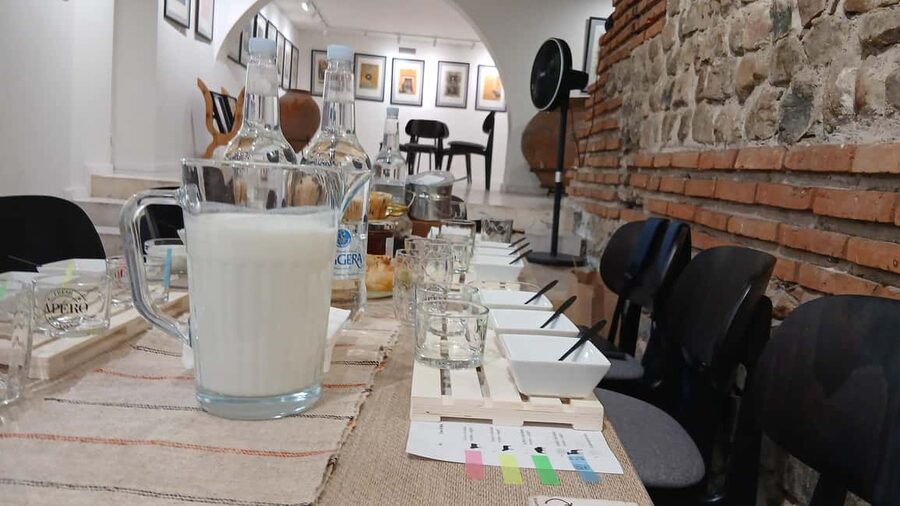
- 5 distinct varieties of Bulgarian yogurt, designed to show how local producers differ
- Tasting + storytelling from Nadia, with history, traditions, and the probiotic science behind kiselo mlyako
- Ayran and drinks included, so you are not just tasting dairy by itself
- Sweet homemade bites plus sourdough accompaniments that help you understand the flavor balance
- Shared tables in Roman ruins, up to 25 people, so it feels social but still intimate
Eating Kiselo Mlyako on the Roman Streets of Serdica
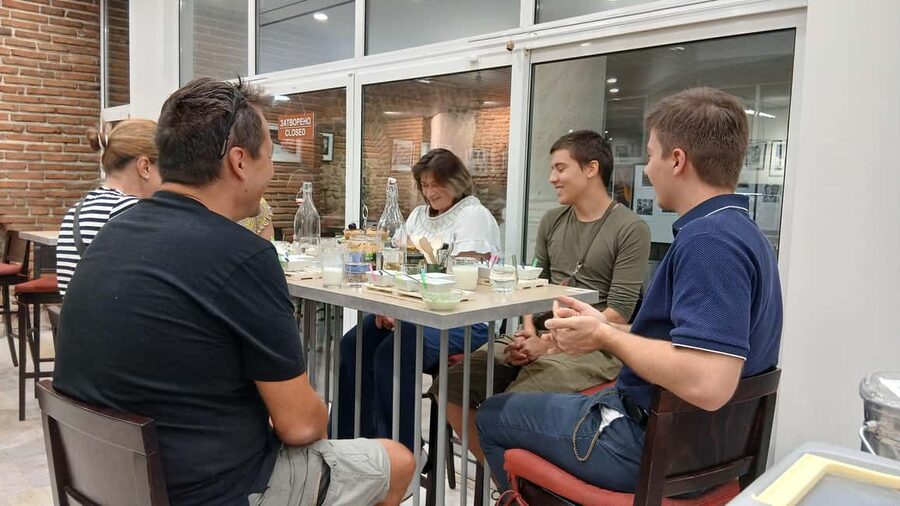
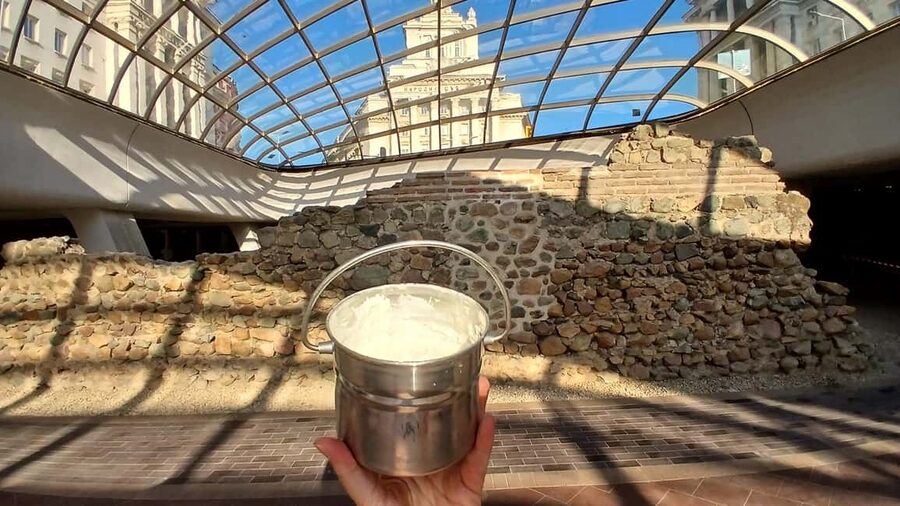
Sofia has layers, and this experience puts food in the middle of them. You go underground into the Serdica Ancient Complex, where Roman stonework surrounds you and you eat at tables set on the original walls of Decumanus Maximus. It’s a clever way to make yogurt feel like more than a snack.
What makes the setting more than just a cool backdrop is the pacing. Because you’re in a historic space, the host can slow things down and connect what you taste to what it meant in everyday Bulgarian life—then to the microbiology that still drives the reputation today. The result feels practical and human, not like a lecture in a museum.
You’ll also appreciate the size. This is built for an intimate group (up to 25), which helps the host keep attention on the flavors and on questions. If you like food experiences where you can actually talk and not just stand in line, this fits.
You can also read our reviews of more food & drink experiences in Sofia

The 60-Minute Flow: 5 Yogurts, Toppings, and Ayran
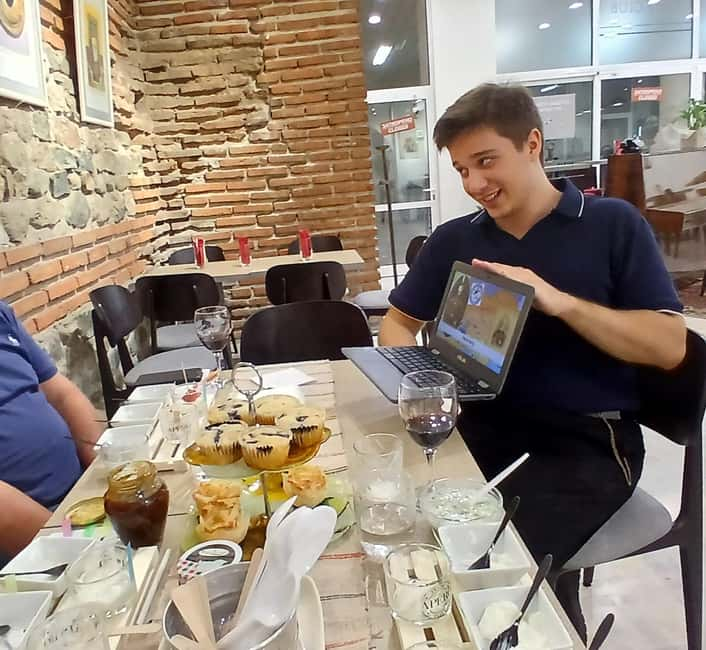
The whole tasting is timed to feel complete without dragging. Plan for about one hour, and expect that the structure stays clear: taste, pause, learn, then taste again with different pairings. That matters because Bulgarian yogurt is not one fixed flavor; it changes with culture, processing, and how it is served.
Here’s the way the session typically works. You start with Bulgarian yogurt samples, then move through five varieties. Each one comes with pairing ideas—think seasonal artisanal toppings and traditional accompaniments—so you can compare how the same base changes with different add-ons.
After the main yogurt sampling, you shift into drinks, including Ayran, the classic Bulgarian yogurt drink. You also get water, and the atmosphere stays relaxed enough that the drink part feels like a breather, not a forced “next item.” In at least some sessions, there is also a small wine start (people have mentioned a toast), which adds a celebratory touch if you’re in the mood.
Finally, you finish with homemade sweet bites prepared for the event. The pairing here is more than dessert. It shows you how sour, creamy yogurt can play with sweet flavors and bread accompaniments, so your last bites make sense in the bigger flavor story.
What Nadia Teaches: Microbes, Longevity, and Bulgarian Tradition
The heart of the experience is the host’s storytelling. Nadia leads the session with a style that feels like someone sharing a treasured family topic, not someone reading slides. Her son helps keep the flow friendly and smooth, which is one reason this tends to feel personal rather than mass-produced.
You’ll hear about why Bulgarian yogurt is famous—especially the role of Lactobacillus bulgaricus—and how that has been tied to Bulgarian longevity and traditional eating habits. The key value here is balance: you’re not just told yogurt is “good for you.” You learn the basic logic behind why it became a cultural staple and why the probiotic angle caught global attention.
The conversation also goes beyond yogurt itself. You pick up cultural context around Bulgarian traditions and even topics like unification history. That may sound broad, but it works because it is connected to how foods anchor identity.
One smart thing to watch for: the host uses the tastings to make the information feel real. When you taste something sourer, thicker, or subtly different, you can connect it back to the bacterial culture and the local production approach. That’s how the science sticks.
Sweet Bites and Sourdough: How the Pairings Actually Help
Tastings can be vague: sample, swallow, move on. This one does better. The pairings are meant to teach your palate how Bulgarian yogurt behaves with different textures and flavor directions.
You get toppings for the yogurt samples, plus traditional delicacies and seasonal elements. That gives you a practical comparison: one yogurt might handle fruity or sweet notes better, while another seems made for more savory-style add-ons. Even if you don’t get every detail, you’ll walk away with a clearer sense of what Bulgarian yogurt tastes like on its own versus with company.
Then comes the bread side. You get sourdough accompaniments, which is a useful detail because yogurt and bread are not random partners. In many food cultures, the bread helps round out acidity, changes mouthfeel, and turns a dairy taste into something more meal-like. Here, it helps you understand how locals might build a simple snack or light meal around yogurt.
And yes, there are homemade sweet bites. People describe them as made with cherished family recipes, and they show up as a final flavor curve that makes the session feel complete. It’s a nice payoff when you’ve spent the hour comparing sourness, creaminess, and topping styles.
Decumanus Maximus Tables: The “Why This Place” Factor
Food tastings in big cities are usually in plain rooms. Here, you are literally eating with Roman structure around you, and it changes your attention. When you’re seated on the original Roman walls of Decumanus Maximus, you notice how old architecture frames a very new habit: eating probiotic yogurt.
That matters because it gives you something you cannot get at home. You can replicate toppings later, but you can’t copy the feeling of tasting in the center of Sofia where ancient roads still define the space. The host uses that geography to bring stories to life, and it turns the ruins into a conversation partner.
There’s also a practical benefit. Because the venue is indoors and year-round, you don’t have to plan your entire day around weather. If Sofia is rainy or chilly, this is still easy to include without turning your schedule into a scramble.


Practical Tips for Your Visit (So the Hour Feels Easy)
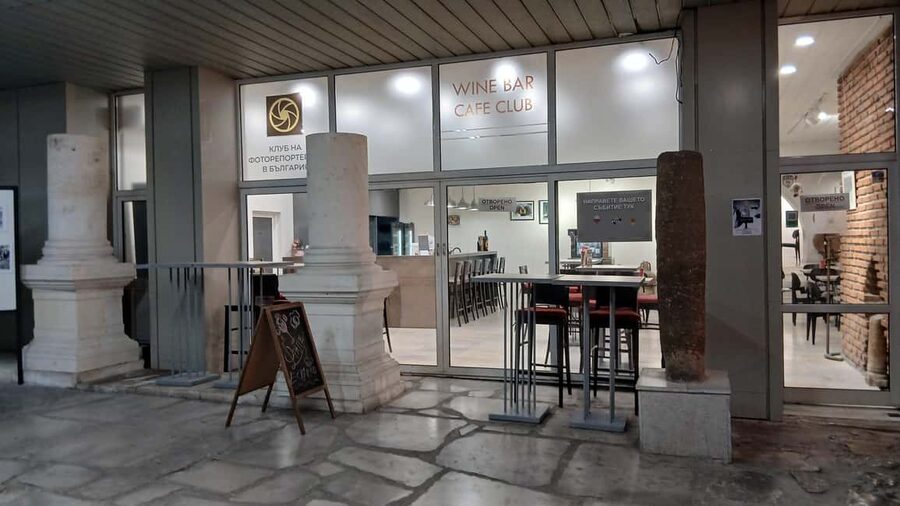
Start by planning your arrival with a little slack. The meeting point is at the Underpass Level of the Ancient Cultural and Communication Complex Serdica, at the Club of Photojournalists area, in the pedestrian underpass connecting Serdica Metro Station with government buildings in the central core. Arrive about 10 minutes early so you have time to get settled before the tasting starts.
Seating is shared tables, so you should be comfortable sitting close to other people for an hour. That’s part of the charm, and it also helps the host move everyone through the sequence without feeling rushed.
The experience is in English. If you speak limited Bulgarian, you won’t feel left out. The explanation style is designed for visitors who want clear, human context, not just food terms.
One more practical note: since yogurt contains dairy, this is not suitable for lactose intolerance. And because bread can be part of the accompaniments, let the team know about any dairy or gluten allergies in advance.
Who This Works For (and Who Should Skip It)

This tasting is a good fit if you want food plus meaning. If you like learning why a tradition exists, not just what it tastes like, you’ll enjoy the host’s mix of microbiology, culture, and history.
It’s also a solid pick for people who enjoy small-group experiences. With room for up to 25, it has enough energy to feel social, but not so many people that your questions get ignored.
You should consider skipping if you have lactose intolerance. And if you have gluten sensitivity, you should flag it in advance since bread is part of the accompaniments. That’s not a “gotcha.” It’s simply dairy-and-bread centered.
If you’re celebrating something, this could be a particularly nice option. At least one birthday toast has happened with wine at the start, which shows the host is attentive to the moment. Even if it is not your birthday, the overall vibe tends to feel warm and welcoming.
Value for $29: What You’re Really Paying For
At $29 per person, the price makes sense when you think about what’s included. You are not paying just for yogurt samples. You’re paying for a full hour in a rare location, plus guided tastings of five different yogurt varieties, toppings, homemade sweet bites, sourdough accompaniments, drinks, and Ayran.
The setting alone would be hard to price. Eating in central Sofia Roman ruins is not something most visitors can casually replicate. Then add the fact that you get the host’s guided storytelling about culture and health science, and the time becomes part of the value. This is where the experience feels more like a guided meal than a quick tasting stop.
For me, the best value signal is how the tasting is structured. You get multiple varieties, and you taste them with pairings designed to teach you something. That turns $29 from “a snack price” into “a guided cultural lesson with food.”
If you like food experiences that leave you with context you can repeat later, this one holds up.
Should You Book the Sofia Yogurt Tasting in Serdica?
Book it if you want Bulgarian yogurt the way you can’t get it from a grocery shelf: in context, with comparisons, and with stories tied to tradition and the bacteria behind the flavor. The Roman setting makes it memorable, but the best part is Nadia’s personal delivery and the way the hour moves through tastings instead of just samples.
Skip it if you need a lactose-free meal. Also skip if you have very strict gluten needs and you cannot confirm the exact ingredients being used in the bread accompaniments and any sweet bites.
If you’re building a Sofia food day, this is an easy anchor because it fits into a single hour and takes place in the center. You’ll leave with clearer taste expectations for kiselo mlyako, and a better sense of why Bulgarians treat yogurt like more than a trend.
FAQ
How long is the Sofia yogurt tasting?
It lasts 60 minutes.
How much does it cost?
The price is $29 per person.
Where do I meet the group?
Meet at the Club of Photojournalists, Ancient Cultural and Communication Complex Serdica, on the Underpass Level (The Largo).
Is the experience in the Roman ruins?
Yes. It takes place inside the Walls of Serdica within an underground venue among Roman ruins.
What is included in the tasting?
You get Bulgarian yogurt, toppings, homemade sweet bites, sourdough accompaniments, drinks including Ayran and water, plus the guided tasting experience.
How many types of yogurt do you taste?
You taste 5 distinct varieties of Bulgarian yogurt.
Is there an English guide or host?
Yes, the host or greeter speaks English.
Is it suitable for lactose intolerance?
No. The tasting contains dairy and is not suitable for people with lactose intolerance.
Is there cancellation flexibility?
Yes. You can cancel up to 24 hours in advance for a full refund.