REVIEW · CHARLESTON
Walking history tour Charleston SC
Book on GetYourGuide →Operated by Historic Charleston Tours · Bookable on GetYourGuide
Charleston’s dramatic stories start on foot. In this 2-hour walking tour, you connect the Rainbow Row photo-op to the site of the original walled city, then keep climbing the High Battery for Civil War and Revolution War context. I especially like the architecture focus, including Charleston’s biggest home, the 25,000 sq. ft. Williams Mansion, and the way the tour pairs famous streets with real-world history. One drawback to plan for: it runs rain or shine, and it is not suitable for wheelchair users or people with mobility impairments.
I also love the small-group feel. It’s limited to 10 participants, led by a licensed city guide, and guides such as Mike Frederick (praised for local storytelling) bring both preservation-minded detail and practical local tips like restaurant recommendations.
You’ll meet at 1 1/2 Meeting Street, at the very southern end of Meeting Street, and the pace is built for walking. If you’re hoping for food stops, bring your own snacks or plan a meal before or after, since food and drink aren’t included.
In This Review
- Key Things You’ll Notice on This Charleston Walking Tour
- Starting at 1 1/2 Meeting Street: Getting Your Charleston Bearings Fast
- Charlestowne and the Original Walled City Site: Seeing the Old City’s Rules
- Rainbow Row and White Point Gardens: A Photo Spot With Context
- Williams Mansion and Charleston’s Largest Homes: Why Scale Changes the Story
- High Battery With Civil War and Revolution War Stories (Including Glory)
- Tradd Street and Church Street Film Locations: The Patriot and Porgy and Bess
- What the 2-Hour Timing Feels Like (and How to Prep)
- Price and Value: Is $47 for a 2-Hour Walking Tour Worth It?
- Who Should Book This Charleston Walking History Tour?
- Should You Book It?
- FAQ
- Where is the meeting point?
- How long is the tour?
- How big is the group?
- Is the tour offered in English?
- Does the tour run in bad weather?
- What’s included in the price?
Key Things You’ll Notice on This Charleston Walking Tour
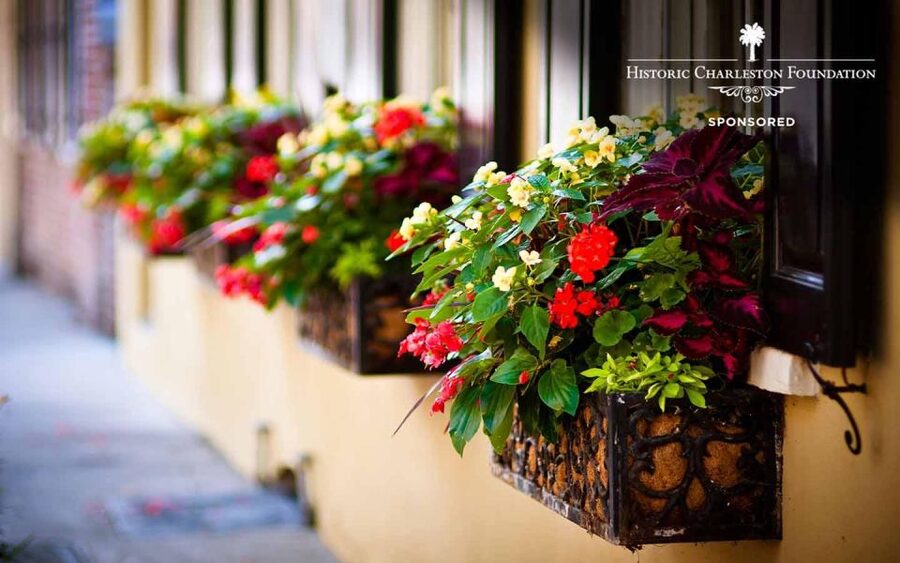
- Rainbow Row in context, not just as a backdrop for pictures
- Charlestowne neighborhood and the original walled city site that shaped street life
- White Point Gardens and Charleston’s grand home scale, up close in your route
- Williams Mansion (25,000 sq. ft.) as a clear lesson in power and prosperity
- High Battery storytelling covering Revolution War and the Battle of Battery Wagner, tied to Glory
- Movie and theatre locations along Tradd Street and Church Street, including The Patriot and Porgy and Bess
Starting at 1 1/2 Meeting Street: Getting Your Charleston Bearings Fast
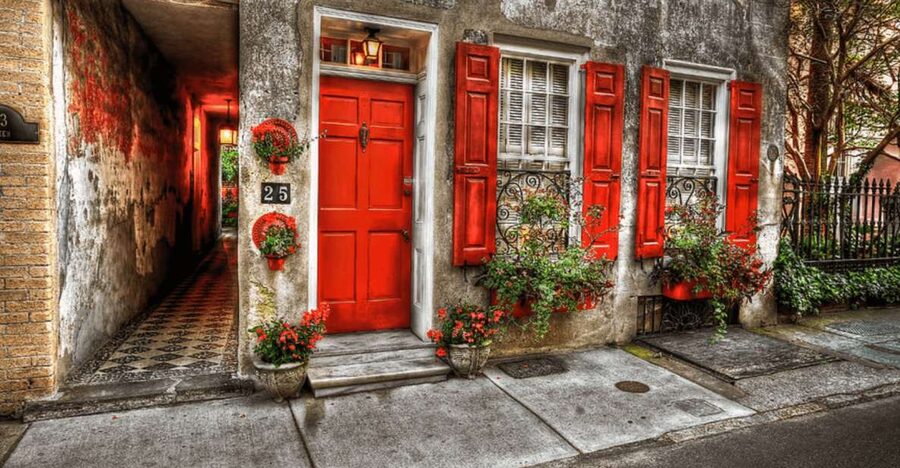
The meeting point is 1 1/2 Meeting Street, at the very southern end of Meeting Street. That matters more than it sounds: it puts you close to the Historic District core so you don’t waste your limited time zigzagging around to find the “right” start.
From the get-go, the tour’s format is simple—walk, look, listen, then connect what you see to why it exists. With a licensed city guide and a small group capped at 10, you’re not just hearing facts; you’re getting explanations you can actually use while you walk.
This is also a practical kind of tour. Since food and drink aren’t included, I’d treat it as a history-and-architecture sprint and plan lunch or dinner around it. If you start hungry, you’ll feel the two hours more.
You can also read our reviews of more tours and experiences in Charleston.



Charlestowne and the Original Walled City Site: Seeing the Old City’s Rules
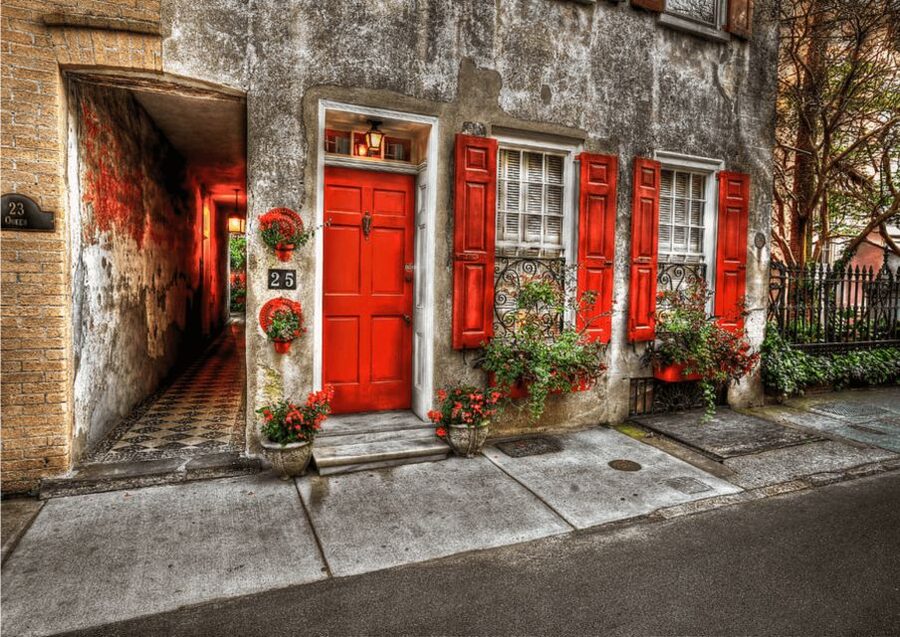
A big reason this tour feels satisfying is that it doesn’t begin at the most famous postcard locations. It starts in the oldest part of Charleston, the Charlestowne neighborhood, and works toward how the city originally protected itself—through the site of the original walled city.
Why does this help you? Because Charleston’s layout isn’t random. When your guide points out where the early city boundaries were, the streets and the way neighborhoods evolved start making sense in your head, not just on a map. You can look at the streets and think, Oh, this is what people built to be safe, and this is how commerce and society grew once they had walls and gate-like boundaries.
You’ll also hear about older structures and museum-house style stops, plus some of Charleston’s oldest churches. That combination is key: the tour balances “big landmark” moments with places that reflect everyday life—religion, community, and long-term presence.
Rainbow Row and White Point Gardens: A Photo Spot With Context
Yes, Rainbow Row is the star—but the tour treats it like more than a snapshot. You don’t just pass by the pastel facades; you get the surrounding context so the row reads as part of Charleston’s development, wealth patterns, and architectural tastes rather than a one-off whim.
Then you move toward White Point Gardens, a spot that pairs well with the tour’s overall approach: stop, look, listen, connect. Gardens and open spaces help you reset your eyes between dense streets and grand homes. You’ll also get the sense of how Charleston’s scenic vantage points match the city’s social story—people built impressive homes and then enjoyed the view lines and gathering spaces nearby.
If you’re the type who usually says, I’ve seen the picture, but what does it mean, this tour helps you answer that without turning into a lecture hall.
Williams Mansion and Charleston’s Largest Homes: Why Scale Changes the Story
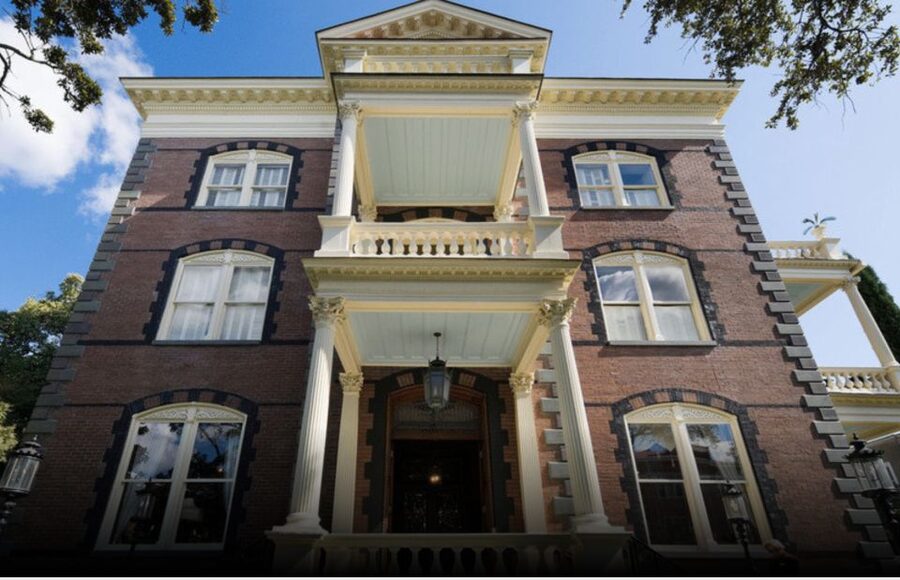
One of the most compelling parts is the inclusion of Charleston’s biggest home, the Williams Mansion, listed at 25,000 sq. ft. That number is more than a trivia nugget. On a walk like this, you can physically grasp what “big” means in Charleston terms: scale, spacing, and the kind of wealth that left durable architectural fingerprints.
I like that the tour doesn’t throw the mansion name at you and move on. Instead, it uses the mansion stop as a bridge between architecture and society—how people lived, how status showed up in design, and how Charleston’s elite culture shaped the cityscape you see today.
This is one of those “you don’t realize what you’re missing until someone points it out” moments. When you see how massive a home can be compared with the surrounding streets and lots, you start reading the city as a set of relationships: power, proximity, community, and change.
High Battery With Civil War and Revolution War Stories (Including Glory)
The High Battery portion is where the tour really tightens its grip on big historical events. As you walk, your guide covers Civil War and Revolution War themes, including the Battle of Battery Wagner, made famous through the movie Glory.
This is a smart way to learn. Instead of separating wars into textbook chapters, the tour anchors them to the exact physical area where events unfolded. That connection turns history from distant dates into geography you can recall later.
You’ll also benefit from the guide’s local storytelling style. In the past, guides like Mike Frederick have been praised for tying together factual content with local detail, and for explaining architecture and gardens in the same breath as battles and politics. That combination matters, because Charleston’s identity isn’t just about one era—it’s layered.
Practical note: the High Battery is part of an outdoor walking experience, so dress for the weather. Since the tour runs rain or shine, you’ll be glad you brought a rain layer or something that won’t make your shoes hate you.
You can also read our reviews of more historical tours in Charleston



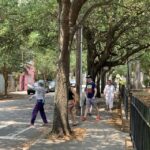


Tradd Street and Church Street Film Locations: The Patriot and Porgy and Bess
Charleston’s past has a second life in film and theatre, and this tour uses that reality to keep things lively. You’ll walk Tradd Street, a location tied to the movie The Patriot. The guide’s job here is to connect screen familiarity with real streetscape logic—what you see in film becomes a key for understanding what existed before the camera ever arrived.
Then comes Church Street, including Catfish Row, featured in the play Porgy and Bess. Again, the value isn’t that you get a trivia list. It’s that the tour uses creative works as a way into place—why this kind of setting gets chosen, how the story world lines up with the city’s texture, and what it says about cultural memory.
If you want Charleston that feels alive, not frozen behind museum ropes, this part helps. It makes the walk feel current even while you’re talking about early streets and long-ago conflicts.
What the 2-Hour Timing Feels Like (and How to Prep)
A two-hour tour is the sweet spot for active sightseeing. It’s long enough to cover major anchors—Rainbow Row, large home viewing, and the High Battery—without turning into an all-day endurance test.
The catch is that it’s still walking. This experience is not suitable for wheelchair users or people with mobility impairments, so if your group has anyone with limited mobility, you’ll want to choose a different option.
For your own comfort, plan around the weather. The tour operates rain or shine, so think: hat or hood, water-resistant shoes, and a light layer you can handle if temperatures change. Since there’s no food included, bring a small snack only if it’s easy for you to manage while walking, and keep water handy.
Also, because it’s a small group, you may get brief Q&A moments. If you’re the kind of person who loves asking why something looks the way it does, this setup gives you a better shot than big bus tours.
Price and Value: Is $47 for a 2-Hour Walking Tour Worth It?
At $47 per person for a 2-hour small-group walk, the value comes down to one thing: how much you actually get out of the guide’s interpretation.
This tour includes a licensed city guide, and that’s not just paperwork. In practice, it means you get organized, accurate storytelling tied to specific spots—Rainbow Row, the original walled city site, the Williams Mansion scale lesson, and the High Battery war coverage including Battery Wagner and Glory. When stops are tied together like that, you’re paying for understanding, not just movement.
Limited group size also changes the feel. Cap at 10 participants means the guide can keep the pace human and answer questions without the tour devolving into a one-way lecture.
If you’re only interested in snapping photos and moving on, you might feel like $47 is more than you need. But if you want the city to make sense—architecture, street layout, and the story threads that connect wars, theatre, and film—this is a reasonable spend for a concentrated experience.
Who Should Book This Charleston Walking History Tour?
I think this tour is a strong match if you want Charleston that feels explained, not just observed. It works especially well for:
- First-time visitors who want an efficient orientation through the Historic District core
- Architecture and garden lovers who like understanding why buildings look the way they do
- History fans who want Civil War and Revolution War context tied to real places like the High Battery
- People who enjoy film and theatre connections, like The Patriot and Porgy and Bess
It may be less ideal if you need a low-walking, mobility-friendly plan, since it’s not set up for wheelchair users or limited mobility.
If you’re visiting in a group, this is also a good way to get everyone aligned quickly. Two hours is enough time to share a few key stories and leave with a better grasp of what to explore next on your own.
Should You Book It?
If you like walking tours that do more than list names, I’d book this one. You get major Charleston anchors—Rainbow Row, the original walled city site, the Williams Mansion scale lesson, and High Battery storytelling—wrapped into a tight small-group format led by a licensed guide. Add the movie and theatre touchpoints on Tradd Street and Church Street, and the whole experience feels more memorable than a basic highlight loop.
Skip it if you want a sit-down experience, need accessibility support, or you’re hoping food is part of the plan. Otherwise, this is a smart, focused way to spend a morning or afternoon learning how Charleston became Charleston.
FAQ
Where is the meeting point?
You’ll meet at 1 1/2 Meeting Street, at the very southern end of Meeting Street.
How long is the tour?
The walking history tour lasts 2 hours.
How big is the group?
It’s a small group limited to 10 participants.
Is the tour offered in English?
Yes, it’s a live tour guided in English.
Does the tour run in bad weather?
Yes, it takes place rain or shine.
What’s included in the price?
The tour includes a licensed city guide. Food and drink are not included.