REVIEW · ST PETERSBURG
St. Petersburg Jungle Prada Site History Tour
Book on Viator →Operated by Jungle Prada Tour · Bookable on Viator
One good walk changes your Florida story. At the Jungle Prada Site in St. Petersburg, you’ll step into Tocobaga country, then hear the 1528 Narvaez expedition story tied to Alvar Núñez Cabeza de Vaca as you tour a massive midden mound beside free-roaming peacocks.
I love two things most: the on-the-ground attention from your guide, David (and his family connection to preservation), and the chance to see evidence of daily life in the onsite museum and shell mound materials. One consideration: the grounds can be uneven and the weather can be hot, so plan for sturdy shoes and bring water.
In This Review
- Key reasons this tour earns repeat visits
- Jungle Prada in St. Petersburg: more than a pretty jungle walk
- Price and time: $14 that actually adds up
- Choosing your time: morning vs afternoon, and what to watch for
- Getting to the meeting point (and staying comfortable on arrival)
- Stop 1: The Tocobaga midden mound and village plaza (the heart of the tour)
- The onsite museum: artifacts you can connect to the mound
- Peacocks, shade, and why this place feels alive
- Alvar Núñez Cabeza de Vaca and the 1528 Narvaez expedition
- Why the guide matters: David and the three-generation preservation story
- Stop 2: Jungle Prada de Navarez Park (a short add-on nearby)
- What to bring and wear so the tour stays enjoyable
- Small group size: how it changes the whole feel
- Who this tour fits best (and who might prefer something else)
- FAQ
- FAQ
- How long is the Jungle Prada Site History Tour?
- What’s the price per person?
- Are morning and afternoon tours available?
- Where do I meet for the tour?
- Is parking available?
- Do I need to bring water?
- Are pets allowed?
- Are service animals allowed?
- What is the cancellation policy?
- Should you book the St. Petersburg Jungle Prada Site History Tour?
Key reasons this tour earns repeat visits
- A huge midden mound that’s more than 900 feet long and packed with conch and whelk shells
- Free-roaming peacocks (yes, they really roam) that turn a history walk into an instant mood shift
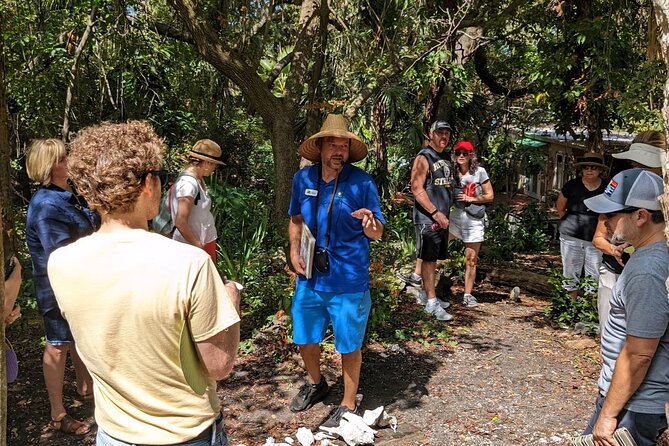
- David’s storytelling style blends archaeology and Florida’s Spanish era in plain English
- Onsite museum stop where you can see artifacts connected to the midden
- Small group size (max 25) so you’re not just herded along
- Family-owned preservation rooted in three generations of keeping the site safe
Jungle Prada in St. Petersburg: more than a pretty jungle walk
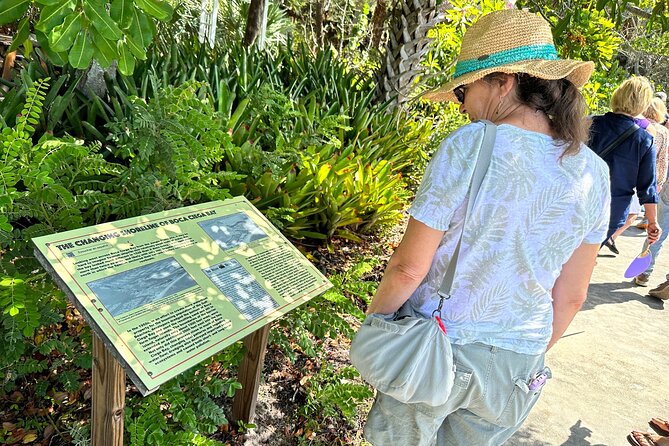
Florida is often sold as beaches and theme parks. This tour is different. You’re in St. Petersburg, and you’re walking through a protected archaeological site where Native people of the Tocobaga tribe lived long before European contact—and where Spanish explorers later landed in the same region in 1528.
What makes Jungle Prada feel special is how physical it is. You’re not just hearing about the past in the abstract. You’re standing near a midden mound made of shells—think tens of thousands of them—so the story sticks to your brain because you can see the material remains right in front of you. And in the background, the subtropical setting does what it does: it’s shady in places, green everywhere, and it comes with plenty of wildlife noise. The peacocks are a constant reminder that you’re in Florida now, not in a museum display case.
This is also why the tour works even if you’re not a hardcore history person. The guide keeps it moving, ties events to real people, and doesn’t treat the subject like a lecture. You’ll get the sense that archaeology is about careful observation, not “cool facts for five minutes.”
You can also read our reviews of more historical tours in St Petersburg

Price and time: $14 that actually adds up
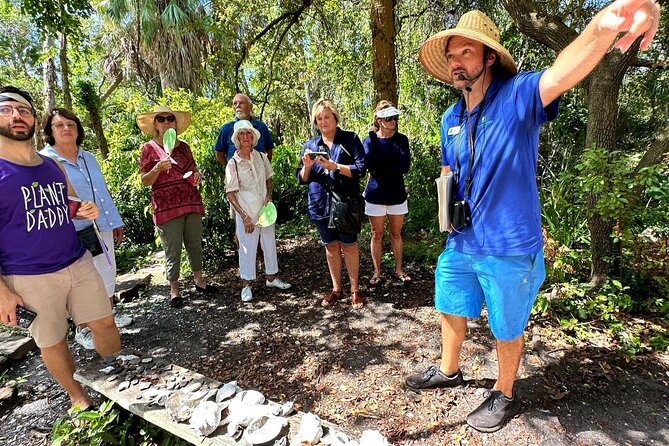
At $14 per person for about 2 hours total, this is priced for access, not exclusivity. You’re paying for a guided walk—around 75 minutes of historian-led touring—with enough time to see the key features without feeling like you’re rushing a checklist.
A few practical value points:
- You’re getting a focused guide for the price of a typical coffee stop plus snacks.
- Small group format (up to 25) keeps the conversation possible.
- You can pair it easily with other nearby St. Petersburg plans because the tour is a short commitment.
One more note: this tour is often booked about 7 days in advance on average, so if you’re aiming for a specific morning or afternoon slot, don’t treat it like a last-minute gamble.
Choosing your time: morning vs afternoon, and what to watch for
You can pick a morning or afternoon guided tour. The big difference for most people won’t be content—it’ll be comfort.
This is Florida. Even if the site is shaded in spots, you’ll still spend time outdoors walking uneven ground through wooded areas. Bring water, plan for sunscreen, and wear shoes you trust. If you’re visiting during peak summer heat, I’d seriously prioritize the time of day that matches your stamina.
Also, the tour format isn’t super long, but it is guided. If you’re traveling with kids, the educational talk portion might feel long for younger ones. That’s not a deal-breaker; it’s just good to know so you can plan breaks and pace expectations.
Getting to the meeting point (and staying comfortable on arrival)
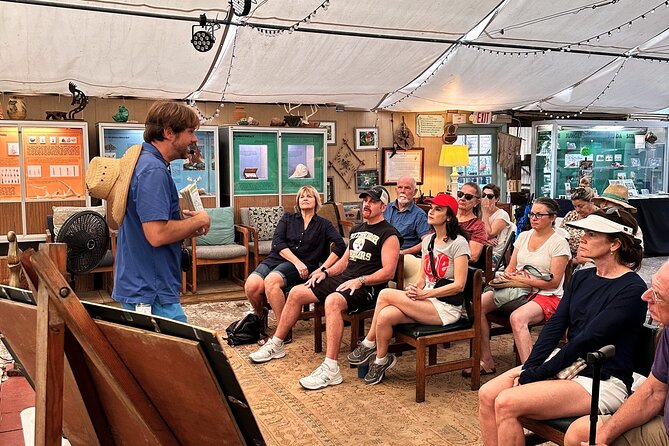
You’ll meet at 1700 Park St N, St. Petersburg, FL 33710. The activity ends back at the same meeting point, so you’re not left figuring out a second drop-off.
Parking is available on-site, and that matters here because you’re going into a historic property setting where it’s easier to keep logistics simple. You’ll also get a mobile ticket, so you don’t need to hunt for printed paper.
Once you arrive, think “comfortable outdoor walk,” not “smooth paved trail.” Some surfaces are uneven, so watch your step throughout the tour. It’s manageable, but you’ll feel better if you already committed to sturdy footwear.
Stop 1: The Tocobaga midden mound and village plaza (the heart of the tour)
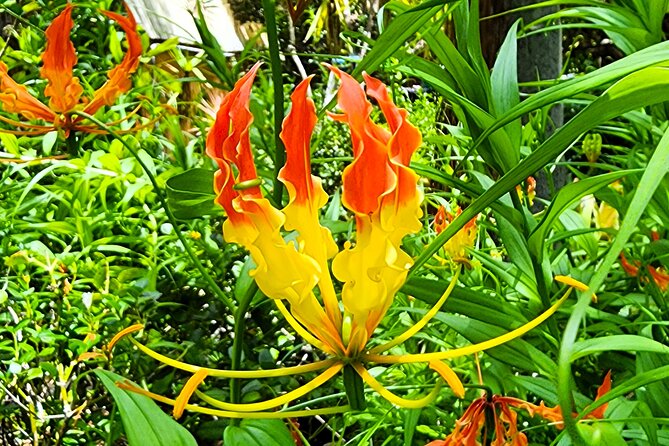
The main event is the 75-minute guided Florida history tour of the Jungle Prada Site. This is where you spend your time walking through the key features: the huge Tocobaga midden mound and the adjoining village plaza.
Here’s what you’ll notice as you go:
- The mound is a shell midden, built from food remnants over time—especially conch and whelk shells.
- The mound is described as more than 900 feet long, so it isn’t a small “marker” stop. It’s a long, real piece of ground shaped by the past.
- The tour takes place in a lush, subtropical area, and the setting itself becomes part of the experience because the guide connects plants, place, and history.
What I like about this stop is the way the tour explains the site without making you feel dumb. You get archaeological context, plus the human story behind it. You also get a clear sense of scale. When you’re standing near something created by thousands of moments of everyday life, it changes how you think about time.
The onsite museum: artifacts you can connect to the mound
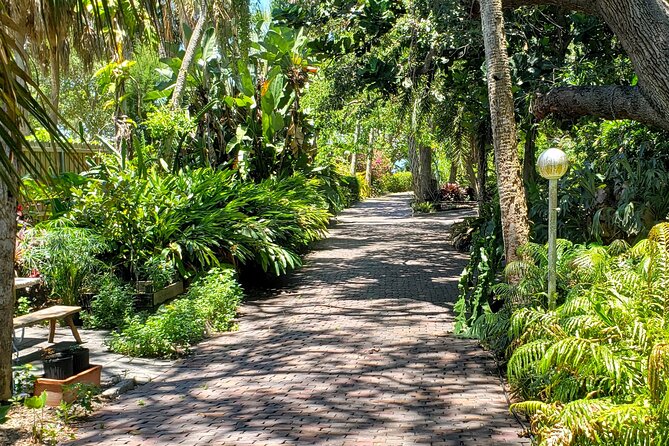
Near the mound experience, you’ll also see artifacts connected to the midden at an onsite museum area. This is important because outdoor sites can feel like “just scenery” unless you get the visual proof tied to the location.
At Jungle Prada, the museum makes the walk more concrete. Instead of only imagining what’s under your feet, you can connect objects to the shell mound materials and the people who used the area. The result is a history experience that feels less like storytelling and more like observation plus explanation.
If you like tangible evidence—broken pottery fragments, shell-related finds, the kinds of things archaeologists study—this museum stop is where the tour becomes more than a walk in the woods.
Peacocks, shade, and why this place feels alive
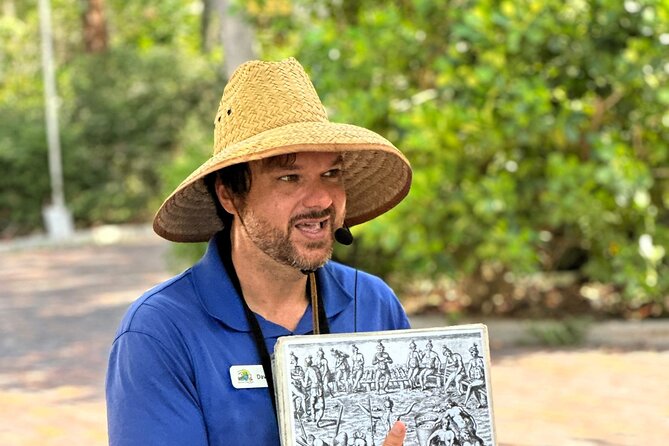
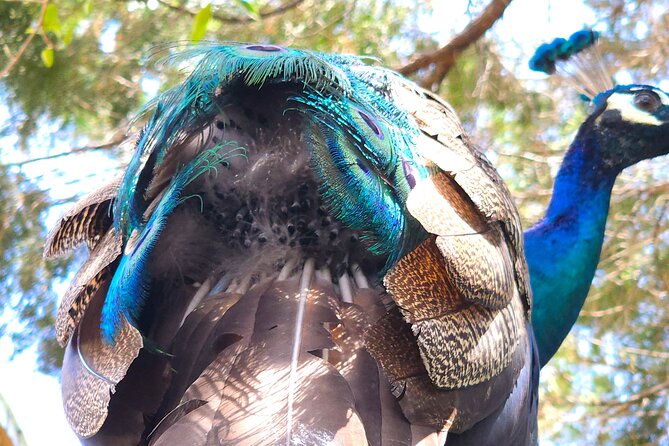
You’re in Florida, so the birds matter. The property has dozens of free-roaming peacocks. They’re part of the scenery the whole time, and they also become a kind of “living soundtrack” while you’re listening to the guide.
This isn’t just fun for photos. It changes your attention. You start noticing small details: the sound, the way the guides keep moving through the path, and how the group navigates the area. If you come expecting a quiet history lecture, you’ll be surprised—in a good way.
The site is often shady, which helps in the summer. But don’t mistake shade for cool weather. You still need water, and you still need shoes for uneven footing.
Alvar Núñez Cabeza de Vaca and the 1528 Narvaez expedition

One of the most memorable parts of the tour is how it connects local Native history to the Spanish era. You’ll hear the story of Alvar Núñez Cabeza de Vaca, a conquistador who landed in the area in 1528 with the Narvaez expedition.
This segment can land differently depending on your interest level. If you like survival stories and big historical arcs, you’ll enjoy the journey discussion from Florida across years toward the Pacific Ocean route (1528–1536). If you’re more focused on archaeology and local peoples, this part still helps because it shows how contact history intersected with the Tocobaga area.
What matters most is how the guide frames it: not as “Spain shows up and takes over,” but as a sequence of events tied to real people and a specific place. That keeps the story grounded.
Why the guide matters: David and the three-generation preservation story
This tour is led by a historian-style guide, and the name that keeps coming up is David (often called Dave). Reviews and repeat visitors strongly associate the experience with his teaching approach—friendly, engaging, and willing to answer questions.
There’s also a deeper layer that helps the tour feel personal: the site is owned by a local family across three generations, and David is connected to that stewardship. The story is that his grandfather purchased the property decades ago to protect it from development. That background matters because it explains why the tour feels careful. You’re not seeing a quick attraction built for foot traffic. You’re seeing a site that people worked hard to keep intact.
Even if you don’t care about ownership history, you’ll feel it in the way the tour is paced. The group stays together, the guide keeps pointing out what’s meaningful, and you get time to ask questions without being rushed.
Stop 2: Jungle Prada de Navarez Park (a short add-on nearby)
Near the main site, there’s a quick stop at Jungle Prada de Navarez Park. It’s a nearby attraction with free parking on-site and a close walk to the tour area.
The time is short—about 5 minutes—so this isn’t another full history lecture. Think of it as a brief extension of the area you’re already exploring, giving you a little more context without stealing time from the main mound experience.
What to bring and wear so the tour stays enjoyable
This is simple, but it makes a difference.
Bring:
- Water. It’s explicitly recommended because Florida heat is real.
- Sun protection (hat/sunscreen), even if the tour has shady spots.
Wear:
- Sturdy shoes with grip. Uneven surfaces are part of the property.
- Long pants if you’re sensitive to wooded-area plants, since parts of the tour run through heavily wooded surroundings.
Leave at home:
- Pets. Pets are not allowed on the site.
- Anything that makes you slow on your feet. You’ll want to keep moving and stay steady.
If you’re a service animal handler, service animals are allowed.
Small group size: how it changes the whole feel
The tour caps at 25 travelers, which is a big deal on an outdoor historical site. With fewer people, you’re more likely to:
- hear details clearly,
- get answers to questions,
- and adjust pace if someone needs a slower moment.
That matters because archaeology isn’t just “see the sign.” It’s observing small details and listening to explanations tied to the actual ground and materials.
Who this tour fits best (and who might prefer something else)
Book this tour if you:
- like seeing history in the real place it happened,
- want a short, guided walk instead of a long museum day,
- enjoy stories that connect Indigenous history with Spanish-era events,
- and don’t mind that the setting is outdoors with uneven ground.
You might choose a different option if you:
- need a fully paved, fully flat route,
- hate animals/close-by wildlife noise,
- or aren’t comfortable spending time outdoors in warmth.
FAQ
FAQ
How long is the Jungle Prada Site History Tour?
It’s about 2 hours total, with roughly 75 minutes of guided touring time included.
What’s the price per person?
The tour costs $14.00 per person.
Are morning and afternoon tours available?
Yes. You can choose either a morning or afternoon guided tour.
Where do I meet for the tour?
The meeting point is 1700 Park St N, St. Petersburg, FL 33710, USA.
Is parking available?
Yes. Parking is available on-site, and it’s noted as free parking nearby as well.
Do I need to bring water?
Yes. Bottled water is not included, and you should bring water to stay hydrated in Florida’s heat.
Are pets allowed?
No. Pets are not allowed on the site.
Are service animals allowed?
Yes. Service animals are allowed.
What is the cancellation policy?
You can cancel for a full refund up to 24 hours before the experience starts. If you cancel within 24 hours, the amount paid isn’t refunded.
Should you book the St. Petersburg Jungle Prada Site History Tour?
If you want a value-packed, outdoors history experience that feels local and human, I think you should book it. For $14, you get a guided walk through a major Tocobaga midden site, an onsite museum look at artifacts tied to the midden, and a guide—David—who connects Native and Spanish-era stories in a way that’s easy to follow.
Just come prepared: water, sturdy shoes, and patience for uneven ground. Do that, and this becomes one of those St. Petersburg stops that makes the whole city feel more real.