REVIEW · STOCKHOLM
Stockholm: Ghost Walk and Historical Tour
Book on GetYourGuide →Operated by Stockholm Ghost Walk · Bookable on GetYourGuide
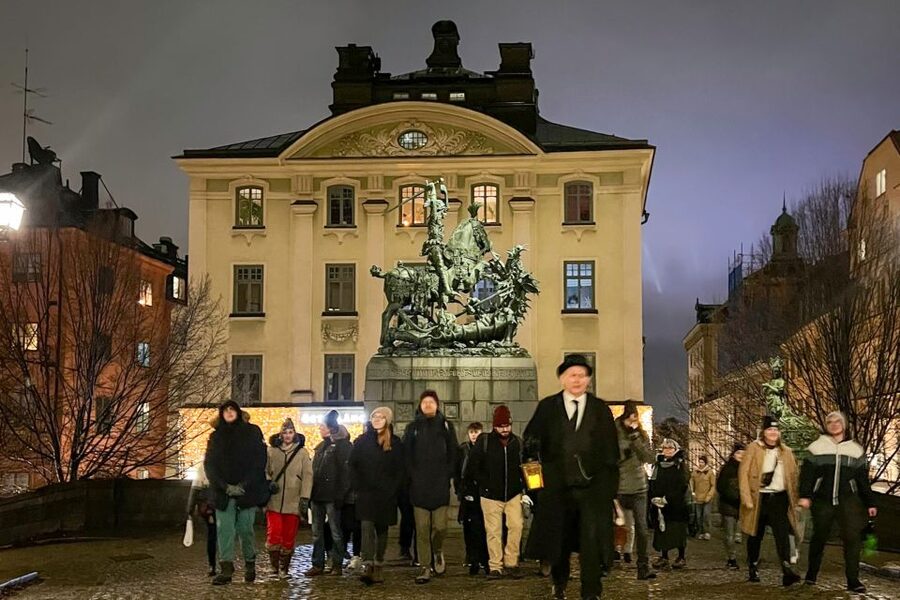
Stockholm at night gets wonderfully creepy. This 1.5-hour ghost walk through Gamla Stan turns murders, myths, and plagues into live street storytelling, with lantern light guiding you off the main roads into narrow lanes and hidden courtyards.
I love the mix of history and mystery that feels made for walking. I also like that the guide keeps it funny as well as grim, so you get scares without sitting through a lecture. One thing to keep in mind: the route includes cobbled streets, stairs, and darker indoor spots, so it can feel demanding if you’re not used to uneven ground.
This is the kind of tour that helps you read the city fast. You start in Gamla Stan and end in the heart of Old Town, and along the way you get context for how Stockholm grew—plus specific places tied to terrible events like public executions and murders. Some stops lean into folklore and theatrics, so you should expect a blend of fact, rumor, and dramatized rumor.
Here’s the main trade-off. The subject matter is dark, and the walking is real. If you want an easy stroll with flat surfaces and gentle themes, you may not enjoy it. If you pack sturdy shoes and show up for a slightly chaotic good time, you’ll probably have a blast.
In This Review
- Key Highlights You’ll Feel in Your Legs and Ears
- Why Gamla Stan After Dark Works So Well
- Getting Started: The Meeting Point and the First Walk Turns
- Medieval Corners, Hidden Courtyards, and Those Old Walls
- When the Stories Turn Grimmer: Plagues, Executions, and Murder Sites
- Krypta and Cellar Stops: The Spookiest Ingredients
- Food and Dinner Timing: Mon to Thu Note
- Price and Value: Is $33 Worth 90 Minutes of Dark Theatre?
- Pace, Stairs, and Weather: What You Need to Show Up With
- Who This Tour Suits (and Who Should Skip It)
- Should You Book the Stockholm Ghost Walk?
- FAQ
- How long is the Stockholm Ghost Walk and Historical Tour?
- How much does the tour cost?
- Where do we meet for the tour?
- Is the tour offered in English or Swedish?
- What should I wear or bring?
- Is the tour suitable for people with mobility impairments?
- Is food included?
Key Highlights You’ll Feel in Your Legs and Ears
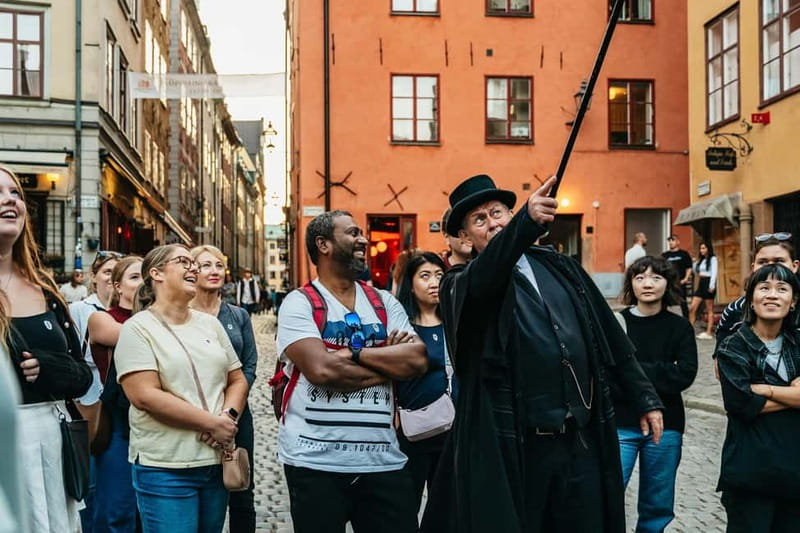
- Lantern-lit Gamla Stan walk during darker hours, with the city feeling older the moment the streets get dim.
- Narrow alleyways and hidden courtyards, including spots where you can see medieval walls up close.
- Teeth-tingling stories that cover poltergeists, plagues, public executions, and murders.
- Church crypt and cellar moments (you may encounter famously spooky areas like a Krypta or church basements mentioned in guides’ performances).
- Live English or Swedish storytelling, with guides repeatedly praised for acting energy and crowd interaction.
- Fast pace, but humane stops, since guides tend to wait at each stop so everyone can catch up.
Why Gamla Stan After Dark Works So Well

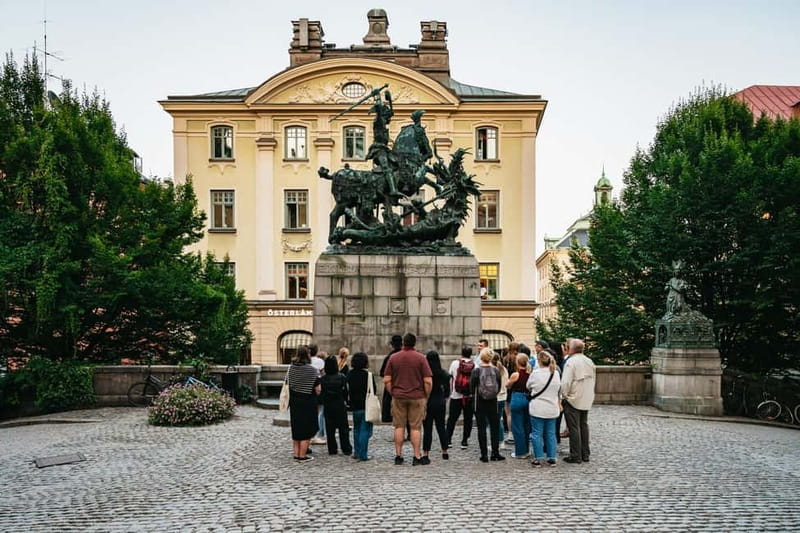
Gamla Stan is already a maze in daylight. At night, it becomes something else. Lantern light bounces off stone, corners get longer, and sounds seem to travel. That’s why this tour’s format is smart: you’re not just hearing stories in a chair. You’re walking through the same kind of old streets where those grim chapters would have happened—or at least where legends grew.
The walk also makes Stockholm feel legible. The guide doesn’t only do scary bits. You get the city’s beginnings and how it developed, then you connect that growth to the locations you’re standing in. It’s a great way to orient yourself quickly, especially if it’s your first evening in town.
Also, the tour stays brisk. It’s long enough to feel like an experience, but not so long that you end up exhausted. You’re booked for about 1.5 hours, which is a sweet spot when the weather turns cold.
You can also read our reviews of more walking tours in Stockholm

Getting Started: The Meeting Point and the First Walk Turns
Meeting point can vary based on the option you book, so check your confirmation carefully. Once you’re gathered, you begin in Gamla Stan and move toward the Old Town core. That “from start to finish through the older streets” layout matters because it builds momentum. You’re not zigzagging randomly; you’re gradually moving through the historic center and letting the story guide the route.
In the early part of the walk, you’ll usually get setup: how Stockholm formed, why these streets matter, and how the guide plans to play with the line between history and the supernatural. Many of the strongest moments come when the guide shifts from background info into a specific event tied to a specific spot.
If you’re the type who likes to follow along visually, try to stay close to the guide at the beginning. In some sessions, the group can be a bit larger and you may have a harder time seeing every bit of acting if you hang back.
Medieval Corners, Hidden Courtyards, and Those Old Walls
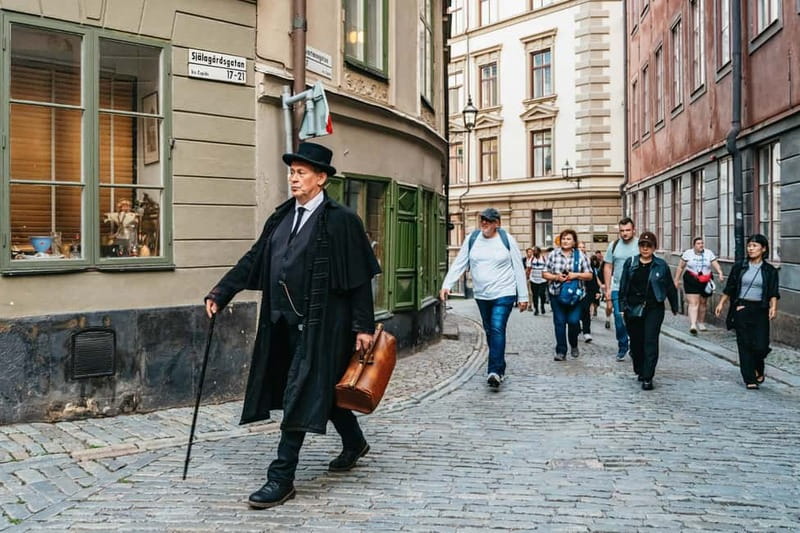
One of the real pleasures here is leaving the main streets. The tour is built around the narrow alleys and the forgotten-feeling courtyards that you’d probably miss on your own. That’s where Stockholm turns from postcard cute into genuinely old and slightly eerie.
You’ll also get moments that are more physical than you’d expect from a walking tour. The tour experience includes hands-on and sensory details like touching old walls and paying attention to how medieval Stockholm might have felt. Some of the best “wow” moments on this kind of tour happen when your brain stops imagining and starts noticing: the stone texture, the tight turns, the way a courtyard holds sound.
These stops also work as pacing breaks. Instead of running from one location to the next with nothing to do, you get small “pause and absorb” moments where the guide can land a story—and you can look around. For me, that’s part of the value: the tour isn’t only narrative. It’s also a street-level museum lesson, minus the headphones.
When the Stories Turn Grimmer: Plagues, Executions, and Murder Sites
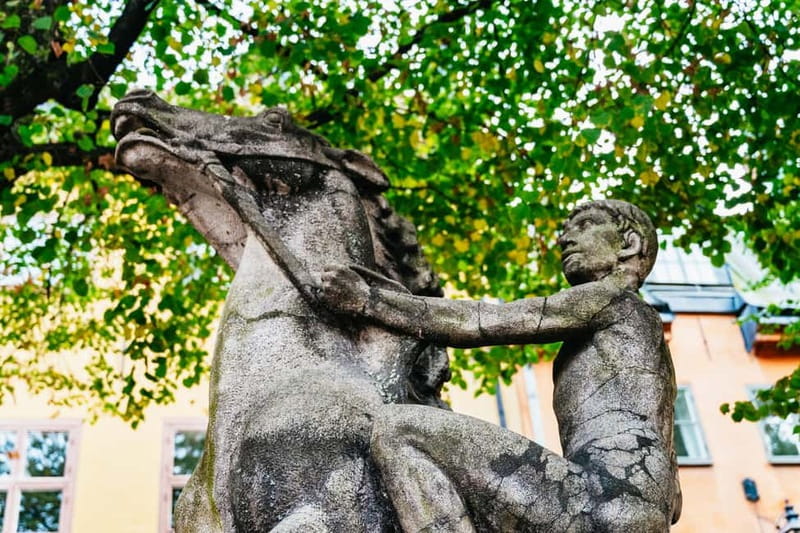
This walk is designed to be entertaining and a bit horrifying. You’ll hear about poltergeists, plagues, public executions, and murders, often tied to places you visit. That combination is the point. The tour treats those events as part of the city’s identity, not as isolated horror trivia.
What you should take from it is not only the scare. It’s how these events shaped daily life—fear, disease, punishment, and the way communities tried to explain the unexplainable. Even if you’re not a horror fan, the stories can make the architecture and layout feel more grounded. A wall isn’t just pretty; it’s a boundary around a world that used to be dangerous.
One thing to flag: the tone can shift. It’s grim, but the guide often plays it as dark comedy. That balance is exactly why many people rate this tour so highly.
Krypta and Cellar Stops: The Spookiest Ingredients
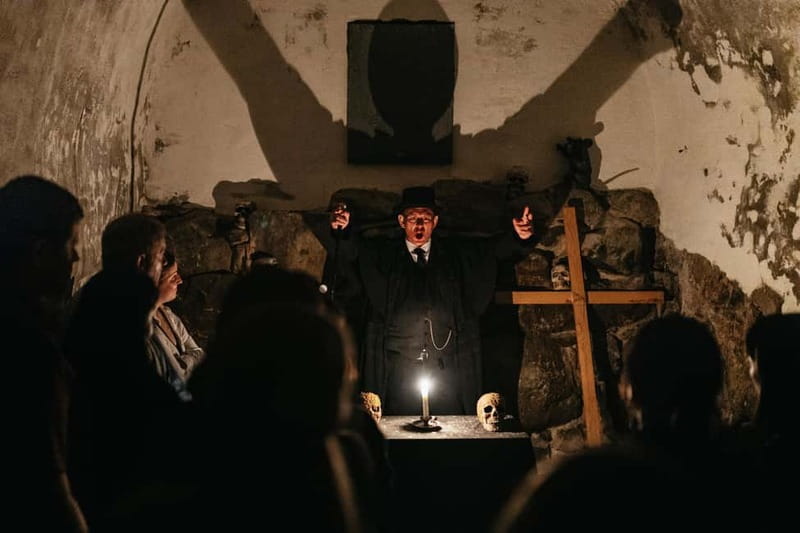
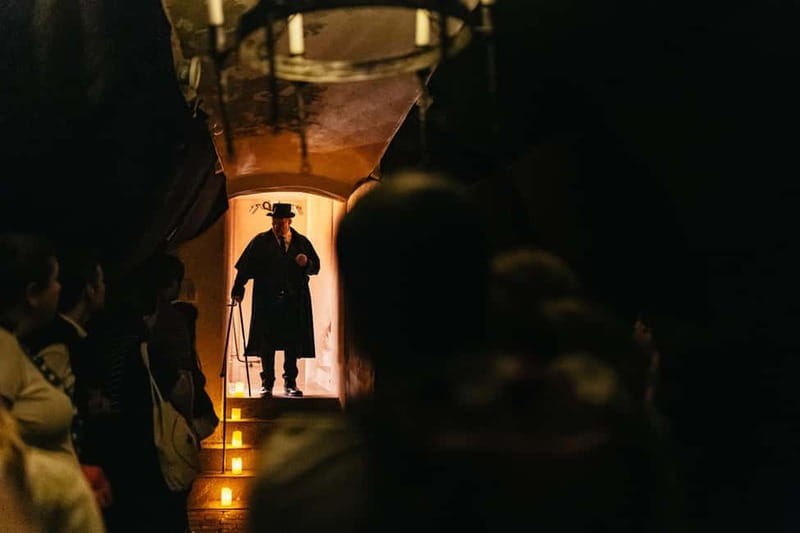
A common theme in the praised performances is the extra-dark stops in older buildings. Some sessions include church crypts or cellars, which ramp up the atmosphere fast. Reviews specifically call out experiences like a scary Krypta and a cellar connected with a German Church. So if you’re hoping for a truly spooky chapter, this tour has the right ingredients.
That also explains why sturdy footwear matters. Indoor stops can involve stairs, and the route includes cobbled streets. You’re not just listening in the open air—you’re moving through old structures where the floor may be uneven and the lighting may be low.
The good news: guides tend to keep the group together and handle the transitions carefully. One reason names like Chris, Cody, Callum, and Reece show up again and again in positive feedback is their timing and role-playing skill. They make the experience feel like a short play you’re walking through.
You can also read our reviews of more historical tours in Stockholm

Food and Dinner Timing: Mon to Thu Note
Food isn’t part of the tour by default. Food and drinks aren’t included unless you choose an option that adds it. There’s also an important timing note: from Monday to Thursday, dinner happens before the tour.
So if you’re booking the dinner option, plan your evening around that order. It can help you avoid arriving hungry or feeling rushed. If you’re not doing dinner, it’s smart to grab something before you leave, since the tour itself is about walking and stories, not meals.
Price and Value: Is $33 Worth 90 Minutes of Dark Theatre?
$33 for a 1.5-hour walking tour sounds straightforward, but the value comes from what you get per minute. You’re paying for:
- a real-time guide (not a playlist),
- lantern-lit nighttime access to the medieval core,
- and guided storytelling with acting energy.
What makes that worth it is the tight structure. You don’t need to plan museum visits or hunt for specific “scary” locations. The tour gathers several themes—murder, plagues, superstition—then links them to place as you walk. That’s a big deal for first-timers who want meaning without spending all night doing research.
Also, the group format is part of the deal. The guide often interacts with people, which keeps the experience from turning into a one-way performance. If you’re looking for a memorable first-night activity that doesn’t eat your whole day, this is in the right price-and-time zone.
Pace, Stairs, and Weather: What You Need to Show Up With
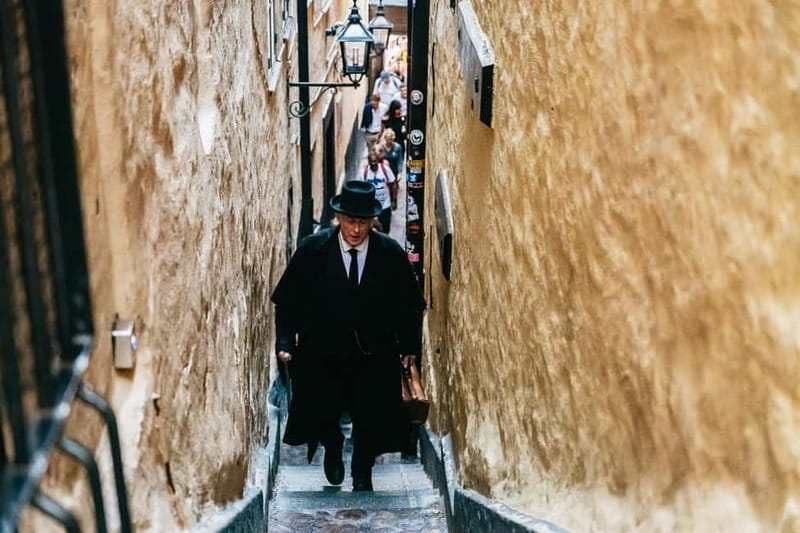
Bring comfortable shoes and clothes suited to weather. This is not a “sneakers optional” situation. The tour runs on cobbled streets and includes stairs, and the tour is described as not suitable for people with mobility impairments.
Even if you’re generally fit, give yourself a small buffer. Cobblestones slow you down, especially when you’re stopping frequently for story beats and moving at night. Stairs plus dim lighting means you should avoid rushing.
If you’re traveling in cold months, dress like you’ll be outside between stops. Lantern light helps, but it doesn’t magically warm you up. Sturdy footwear and layers will keep the tour fun instead of stressful.
Who This Tour Suits (and Who Should Skip It)
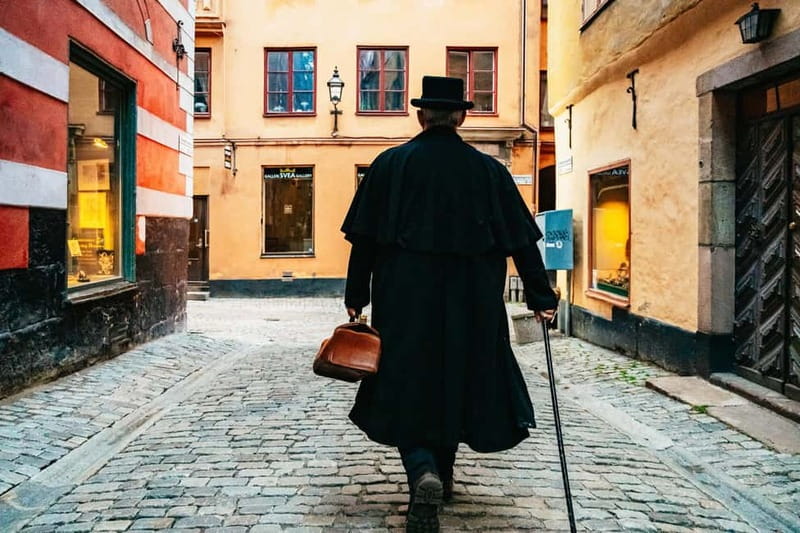
This tour is a good fit if you like:
- walking and seeing old streets up close,
- ghost stories with a history backbone,
- and guides who bring characters to life.
It’s also a strong pick as an early Stockholm activity. People often use this kind of night tour to get their bearings quickly in Gamla Stan. You’ll leave with a mental map of the old streets and the kinds of stories that shaped how locals remembered the past.
You may want to skip it if:
- you have mobility limitations that make stairs and cobbled streets hard,
- you want a totally lighthearted evening,
- or you prefer your history strictly documentary and not mixed with legend and dramatization.
Should You Book the Stockholm Ghost Walk?
If you want a fun first-night plan that blends Stockholm’s medieval lanes with dark comedy and real place-based storytelling, this is a great choice. The length is perfect for an evening: long enough to feel like something happened, short enough to keep your schedule open for the rest of your trip.
Book it if lantern-lit Gamla Stan sounds like your kind of experience and you’re comfortable on uneven ground. Skip it if stairs, cobblestones, or the darker themes won’t work for you.
In plain terms: this tour sells you a night walk plus a show. When the guide is strong—and names like Callum, Chris, Cody, Christin, and Reece come up again and again—that show is exactly what you came for.
FAQ
How long is the Stockholm Ghost Walk and Historical Tour?
The tour runs for about 1.5 hours.
How much does the tour cost?
It costs $33 per person.
Where do we meet for the tour?
The meeting point may vary depending on the option you booked, so it’s important to use the meeting details tied to your confirmation.
Is the tour offered in English or Swedish?
Yes. The live tour guide speaks Swedish and English.
What should I wear or bring?
Wear comfortable clothes for the weather and bring comfortable shoes. Sturdy footwear is important because the tour involves cobbled streets and stairs.
Is the tour suitable for people with mobility impairments?
No. The tour is not suitable for people with mobility impairments, since you must be able to climb stairs and walk along cobbled streets.
Is food included?
Food and drinks are not included unless you select an option that adds them. There is also a note that Monday to Thursday dinner is before the tour.