REVIEW · VIENNA
The Cultural Heritage of Jewish Vienna walking tour
Book on Viator →Operated by Gems of Vienna · Bookable on Viator
Vienna’s Jewish story starts at a cathedral. This Jewish cultural heritage walking tour threads St. Stephen’s Cathedral to the Holocaust memorial, while guiding you through the Old Jewish Quarter and other key Jewish landmarks in the city center. I love that it’s led by a licensed, live guide who brings the neighborhood to life with stories, not just dates.
I also like the small-group feel, with a maximum of 10 people. That tighter group size makes it easier to ask questions and get answers that fit your interests, whether you’re curious about art, music, science, or the complicated way communities changed over time.
One thing to plan for: admission is not included. Some stops may require a separate ticket, so factor in extra time and a little extra cash on the day.
In This Review
- Key things that make this tour worth your time
- A Jewish Vienna walk starting at St. Stephen’s Cathedral
- What you actually get for $52.93 in about 2.5 hours
- Jewish Museum and the Old Jewish Quarter: seeing the city’s layers
- Vienna’s oldest synagogue stop: why that landmark matters
- Holocaust memorial: moving, direct, and worth your pause
- Stories of Freud and Mahler in the streets
- Small group size and your guide’s storytelling style
- Timing, meeting point, and staying on track after 3:00 pm
- Reliability and the day-of reality check
- Who this tour suits best in Vienna
- Should you book this Jewish cultural heritage walking tour?
- FAQ
- How long is the Cultural Heritage of Jewish Vienna walking tour?
- What time does the tour start?
- Where does the tour start and end?
- Is the tour offered in English?
- Is a mobile ticket provided?
- Is admission included in the price?
- What’s the group size limit?
Key things that make this tour worth your time
- Small group (max 10) means more Q&A and less rushing.
- St. Stephen’s Cathedral area start puts you right in the most central, easy-to-find part of Vienna.
- Old Jewish Quarter walking route helps you see Jewish Vienna as part of the city you’re already visiting.
- Oldest synagogue stop plus Holocaust memorial gives you both deep roots and a hard, necessary later chapter.
- English mobile ticket keeps things simple when you’re traveling light.
- Licensed guide storytelling focuses on people and places, including major names like Sigmund Freud and Gustav Mahler.
A Jewish Vienna walk starting at St. Stephen’s Cathedral
You start where most first-time Vienna trips begin: outside St. Stephen’s Cathedral. That’s a smart choice, because you’re meeting in a landmark area that’s easy to reach, and you don’t waste your afternoon figuring out where to go before the history starts.
From there, you walk through the city center in a way that makes the Jewish story feel like a living part of Vienna, not a side exhibit. The route is built around key stops tied to Jewish life over centuries, plus the darker turns that came later. It’s a lot for one walk—so you’ll want a pace that matches your attention span.
This is also a great format if you don’t want to just stare at plaques. A good walking guide can point out what you’d miss on your own, like how certain streets and landmark locations connect to people you’ve heard about from books and music history. Here, you’re meant to connect those names to real places you can stand in.
You can also read our reviews of more tours and experiences in Vienna.


What you actually get for $52.93 in about 2.5 hours
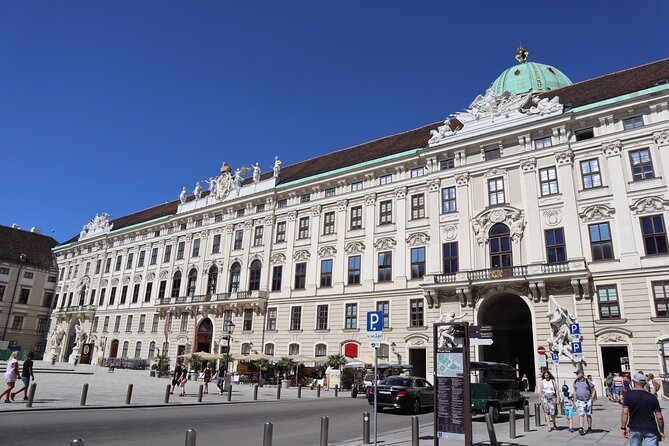
For $52.93 per person, you’re buying two things: time and interpretation. Two and a half hours is long enough to do more than a quick photo stop, but not so long that everyone melts down in the middle. The tour is designed around a focused central route and keeps the group together through the main sites.
You’re also paying for a licensed guide. That matters because Jewish Vienna history isn’t just one story. It’s community life, cultural influence, and then displacement and destruction—followed by a legacy that still shows in the city. A guide can explain shifts in language, rights, and social life in a way that a self-guided walk usually can’t manage.
Budget one extra variable: admission is not included. Even if you’re good at finding your way in cities, separate entry fees can turn a smooth afternoon into a budgeting surprise. On this tour, you should assume at least one stop may require an additional ticket.
Jewish Museum and the Old Jewish Quarter: seeing the city’s layers
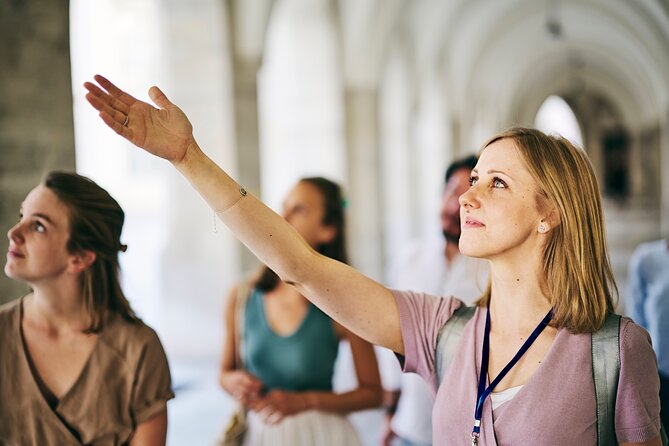
The walk takes you toward the Jewish Museum and then into Vienna’s Old Jewish Quarter. That sequence is useful because it gives you context before you start reading the street-level clues. Even if you’re not a museum person, a museum stop (or museum-linked context) can help you understand what you’re seeing outside.
In the Old Jewish Quarter, you’re not just sightseeing. You’re stepping into a part of Vienna that became home for centuries of community life. Expect the guide to connect the geography with how people lived—where they gathered, how they made a living, and how Vienna’s relationship to Jewish residents changed over time.
This is also the portion where the tour is at its best for first-timers. If you’re new to the city, you get a structured way to orient yourself. If you’re more experienced, you’ll still likely notice the difference between walking through history and walking past it.
A small caution: this tour packs a lot into a short window. If you stop to read every sign and take long breaks, you might feel the pace. If you’d rather keep moving and save deep reading for later, this format fits well.
Vienna’s oldest synagogue stop: why that landmark matters
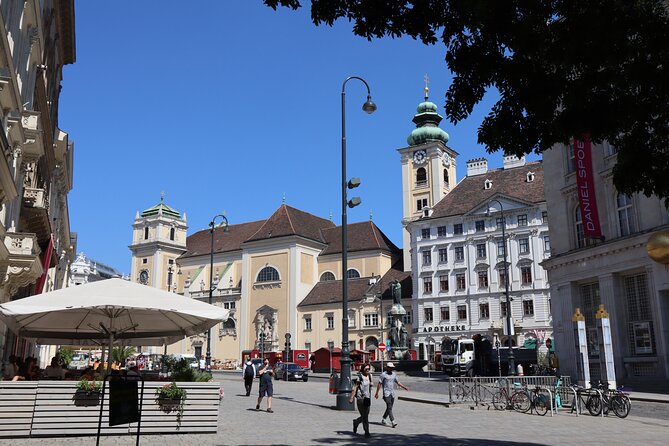
One of the central highlights is the visit to the oldest synagogue of Vienna (you’ll see it as part of the walking route). Whether you go in, stand near it, or get a focused explanation from the guide, this stop anchors the whole tour.
Why does it matter? Because it turns the story from general to specific. Jewish Vienna isn’t only famous names and big events. It’s also about longstanding community roots—physical places where religious and cultural life took shape.
From a practical point of view, this kind of landmark visit is exactly what walking tours do better than museum-only days. You see how the location sits in the urban fabric around it. You also get guided context that helps you interpret what you’re seeing without guessing.
If you’re the type who likes to understand the timeline, this is where your guide can help connect earlier centuries to later ones. It’s also a moment that benefits from paying attention, because the meaning of a synagogue site goes far beyond architecture.
Holocaust memorial: moving, direct, and worth your pause
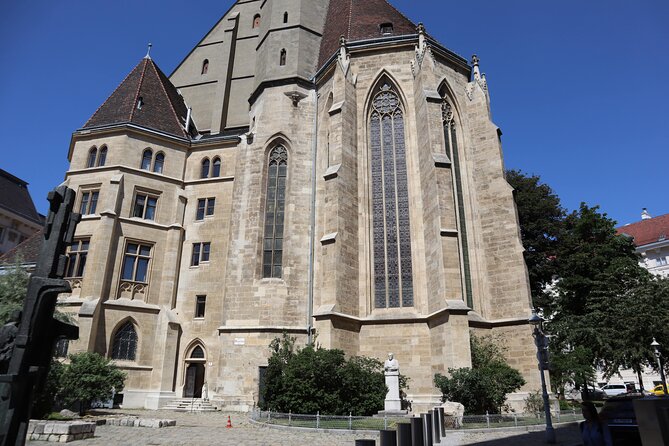
The tour includes a Holocaust memorial stop. This part of the walk is heavier than the earlier cultural stops, and it’s the kind of moment where you should keep your phone away and actually take it in.
It’s powerful because it changes the tone of the tour. The earlier sections show Jewish life, influence, and community continuity. The memorial stop brings you to what followed. A good guide doesn’t just point; they explain why the loss mattered to the city and to the people.
Even if you’ve visited memorials before, I recommend treating this one as its own stop, not as a quick photo moment. If you like history that helps you understand human consequences—not just dates and names—this memorial segment is the reason to book the tour.
You can also read our reviews of more historical tours in Vienna

Stories of Freud and Mahler in the streets
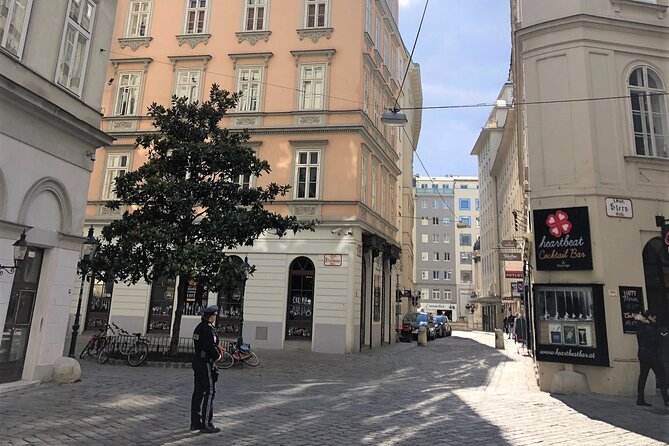
One of the tour’s strengths is that it connects the Jewish presence in Vienna to famous cultural and intellectual figures. In this walk, you’ll hear stories about Sigmund Freud and Gustav Mahler, along with other writers, composers, and scientists tied to Jewish Vienna.
This is more than celebrity sightseeing. It helps you grasp how Jewish communities contributed to Vienna’s cultural atmosphere. You also get a sense of how ideas moved—who met whom, where conversations happened, and why the city became such a magnet for thinkers.
Some guides also use supporting materials as part of the storytelling. In past experiences, people noted audiovisual elements and the way the guide answered questions with real patience. The practical takeaway for you: if you’re the type who asks follow-ups, you’ll probably be happy here.
Small group size and your guide’s storytelling style
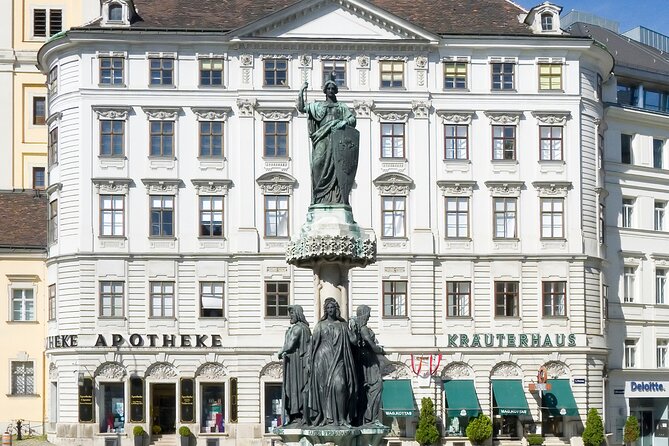
This tour caps at 10 travelers, which changes the feel immediately. In a bigger group, you’re often listening from one position, hoping you won’t be asked a question you’re unprepared for. Here, you’re more likely to hear every explanation clearly and to have time to ask.
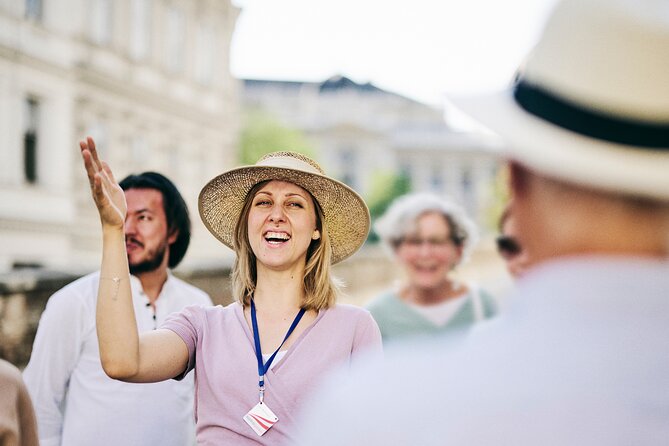
The guide experience seems to be a key factor in the high ratings. Multiple standout comments name guides such as Lisa Marie, Barbi, and Ann Marie, with praise centered on how they tell the story—patient, detailed, and respectful of group dynamics.
Here’s what that means for you on the day:
- You’ll likely get answers that don’t stop at the bare minimum.
- The guide can adjust the flow if your group wants more detail.
- You’ll get more than a lecture; you’ll get a guided narrative that ties the sights together.
It’s also a good sign that people said Jewish visitors weren’t the only ones who enjoyed it. If you’re coming from the outside, you should still find it understandable and meaningful, because the guide’s job is to build bridges for everyone.
Timing, meeting point, and staying on track after 3:00 pm
The tour starts at 3:00 pm at Dom zu St. Stephan, 1010 Wien and ends near Schwedenplatz, finishing close to Seitenstettengasse. That end point is helpful because you won’t feel stranded in the middle of nowhere after two and a half hours. You’ll be near major public transport connections.
Because the tour is time-based, plan to arrive a few minutes early by local standards. St. Stephen’s Cathedral is busy, and you want to start calm. If you’re hoping to grab a snack or coffee nearby before heading out, do it quickly and then head to the meeting area.
If you’re wearing comfortable shoes, you’ll thank yourself later. This is a walking tour through central streets, and the point is to connect locations, not to hop on transit every 10 minutes.
Reliability and the day-of reality check
Most reviews point to strong guide performance and a good flow of information. Still, the lowest ratings you see for this kind of tour usually come from one thing: a guide no-show with poor communication.
There are hints in the provider responses that a guide can get sick last minute and that communication can fail for some guests. I can’t predict your day, but I can tell you how to reduce the chance of stress:
- Have your confirmation details ready on your phone.
- If you’re waiting at the meeting point after a reasonable time, contact the tour’s listed phone number from your booking confirmation rather than guessing.
- If you’re running late, message early, not after you’ve missed the start.
You’re paying for a human-led walk. That’s part of the charm and also the reason you should stay alert on the day.
Who this tour suits best in Vienna
This is a strong fit if you want:
- A guided walk focused specifically on Jewish cultural heritage in Vienna
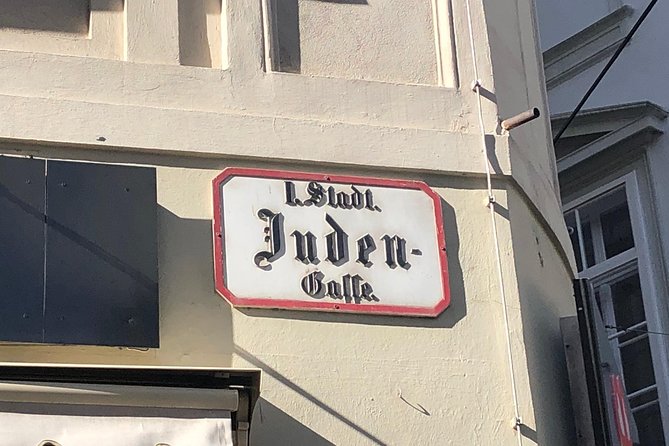
- A route that includes the Old Jewish Quarter, the oldest synagogue site, and the Holocaust memorial
- A licensed guide who explains context and answers questions in real time
- A small group that won’t feel like a herd
It’s also a good choice if you like history that links ideas to places. Hearing about Freud and Mahler becomes much more memorable when you connect the names to street-level Vienna.
If you prefer a tour that stays light and purely scenic, this probably isn’t it. It has to handle difficult material, and the memorial stop makes that clear.
Should you book this Jewish cultural heritage walking tour?
If you want a structured introduction to Jewish Vienna with a real guide, this tour is a solid pick. The strongest reasons to book are the mix of sites (old community roots plus the Holocaust memorial), the small-group format, and the consistently praised guide storytelling—names like Lisa Marie, Barbi, and Ann Marie show up in positive experiences for a reason.
I’d book it if you’re okay paying possible admission fees separately and you’re willing to show up on time in the busy center of Vienna.
I’d think twice if your schedule is extremely tight or if you cannot handle any risk of day-of communication issues. In that case, add a buffer to your afternoon so one late start doesn’t wreck the rest of your day.
Bottom line: if you want more than a self-guided “look at this building” walk, this one gives you a guided narrative you can feel as you move through the streets.
FAQ
How long is the Cultural Heritage of Jewish Vienna walking tour?
It runs about 2 hours 30 minutes.
What time does the tour start?
The tour starts at 3:00 pm.
Where does the tour start and end?
It starts at Saint Stephen’s Cathedral (Dom zu St. Stephan, 1010 Wien). It ends at Seitenstettengasse, 1010 Wien, close to Schwedenplatz.
Is the tour offered in English?
Yes, it’s offered in English.
Is a mobile ticket provided?
Yes. You’ll receive a mobile ticket.
Is admission included in the price?
No. The tour notes that an admission ticket is not included.
What’s the group size limit?
The tour has a maximum of 10 travelers.