REVIEW · KHIVA
Tranfer Khiva – Bukhara via Ancient Fortresses
Book on GetYourGuide →Operated by Asli Travel · Bookable on GetYourGuide
Fortresses between cities sound practical, not magical. This one turns the Khiva-to-Bukhara drive into a day of Khorezm oasis history—plus big Steppe scenery—without making you plan a thing. You’ll pass the kind of ruins that help explain why Khorezm was once famous for having so many fortresses.
What I like most is the pacing: you get real time at Toprakkala, Kizilkala, and Ayazkala, not just quick photo stops. I also love the convenience of a private, A/C vehicle with hotel pickup (including the option near Ata darwaza in Ichan Kala), then drop-off in your Bukhara hotel.
One thing to weigh: it’s a full day with significant driving. If you’re visiting in colder months, plan for chilly wind and bring warm layers, because these forts sit out in the open.
In This Review
- Key highlights to know before you go
- Turning the Khiva to Bukhara drive into a fortress day
- Where you’ll start: Ichan Kala pickup and first ride comfort
- Toprakkala: the clay fortress that anchors Khorezm’s early story
- Kizilkala (Red Fortress): garrison defense in the oasis system
- Ayazkala: the severe frost fortress built for protection
- Kizilkum desert road time and the lunch break you can plan around
- How the 9 hours usually feel: logistics without the chaos
- Driver communication: English/Russian and a steady hand
- What’s included in the price (and what isn’t)
- Tickets, warm clothing, and the small rules that save stress
- Who this day trip suits best
- Should you book this Khiva to Bukhara fortress transfer?
- FAQ
- How long is the Khiva to Bukhara transfer with fortress stops?
- Where does the pickup happen in Khiva?
- What fortresses are visited during the day?
- Is this a private group?
- What languages does the driver speak?
- Are entrance tickets included in the price?
- Is lunch included?
- What should I bring for the day?
- Is the vehicle wheelchair accessible?
- Can I cancel and get a full refund?
- What’s the reserve-and-pay option?
Key highlights to know before you go
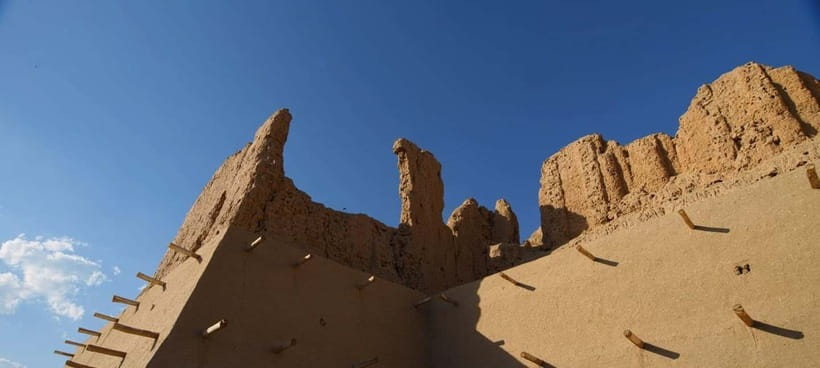
- Private transfer with fortress stops so you connect two cities and still see real sites
- Toprakkala’s clay-fortress story tied to early Khorezm evidence
- Kizilkala (Red Fortress) garrison views along the oasis route
- Ayazkala’s remote, protected fortress layout built for raids from the north
- Kizilkum desert road time plus an estimated lunch stop on the way
- English/Russian-speaking drivers, with friendly help for communication
Turning the Khiva to Bukhara drive into a fortress day
A normal transfer day can feel like a commute. This experience flips the script. Instead of treating the road as empty time, you use it to visit Khorezm Oasis fortresses—sites that explain how this region organized power, defense, and daily life.
The route follows a simple flow: you start in Khiva, head out toward the ruins, then continue on to Bukhara with a drop-off in your hotel. It’s designed so you’re not crisscrossing the countryside on your own, yet you still get to see multiple locations instead of just one.
It also helps that the group is private. That means you can move at a pace that fits your comfort level—especially important when you’re walking uneven ground between fortress remains.
You can also read our reviews of more tours and experiences in Khiva.
Where you’ll start: Ichan Kala pickup and first ride comfort
Pickup happens at Ata darwaza (west gates) of Khiva in Ichan Kala, or your hotel if that’s easier for you. You should wait in the hotel lobby about 5 minutes before pickup so the schedule stays smooth.
The vehicle is A/C, which matters even when the day is otherwise outdoors. And because it’s a private group, you won’t be squeezed into a seat layout that works for strangers’ travel speed.
A small but useful rule: drinks in the vehicle aren’t allowed, and food in the vehicle isn’t allowed either. If you like to sip during the ride, you’ll want to bring water for yourself and plan to stop for anything else when the driver offers the lunch break.
Toprakkala: the clay fortress that anchors Khorezm’s early story
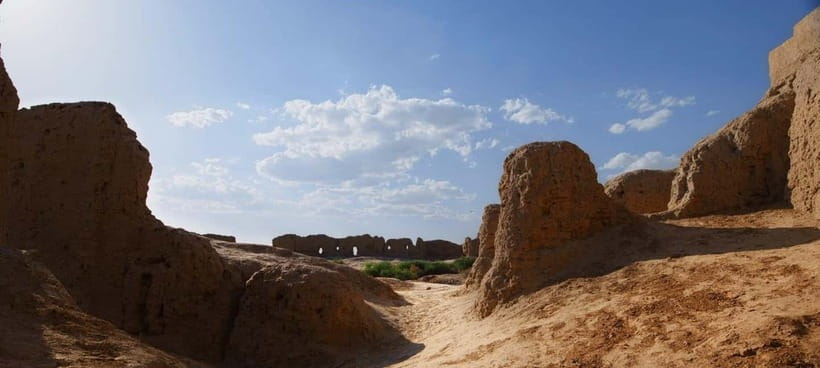
Toprakkala is the site that sets the tone. It’s described as the first capital of Khorezm, and the meaning of its name comes through as soon as you’re at the fortress remains: it’s tied to the idea of a clay fortress and early city planning.
What makes Toprakkala especially worthwhile is how specific the evidence is. Here, archaeologists found early examples of city plan layouts, plus written sources, a calendar, and plaster statuettes of singers. That mix—records, timekeeping, art—helps you see the place as more than just walls. It suggests state structure and organized life in the 4th century A.C.
How to enjoy it: give yourself a slower look. The fortress is about context, not just scale. If you’re the type who likes to connect ruins to human routines—work, dates, culture—Toprakkala will feel like a strong start.
Kizilkala (Red Fortress): garrison defense in the oasis system
Next on the route is Kizilkala, known as the Red Fortress. The name comes from the color of the clay, which gives you a quick visual clue even before you fully map the site in your head.
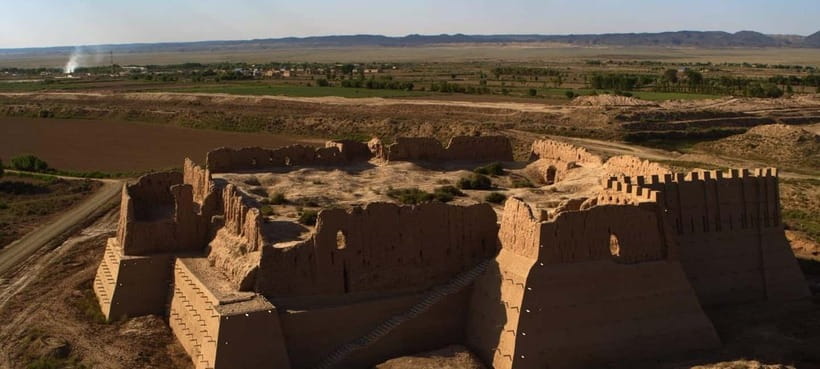
Kizilkala also matters because it functions as a garrison fortress. In other words, it’s part of the oasis’s defense network rather than a single centerpiece city. You’re seeing how the Khorezm Oasis guarded itself along routes where threats could approach.
This is the kind of stop that helps you understand the logic behind all those ruins. When you know the forts weren’t random, you start noticing patterns in how they relate to each other and to the landscape.
Practical tip: wear shoes with grip. Even when you’re not climbing, you can end up on dusty, uneven paths between structures.
Ayazkala: the severe frost fortress built for protection
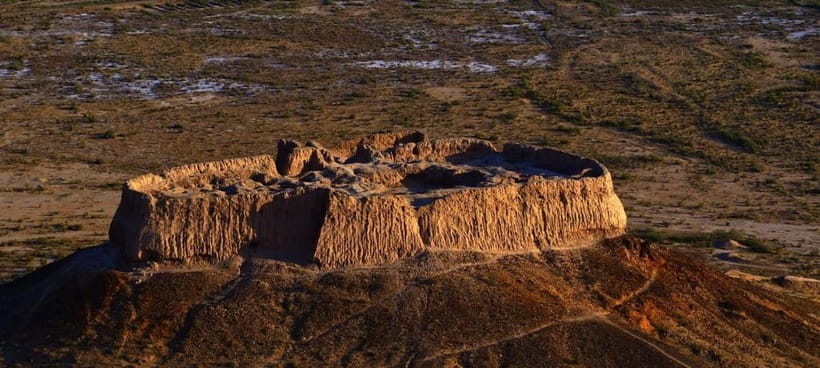
Ayazkala is one of the more important oasis fortresses, and it hits differently because it’s described as remote but well organized. The fortress is built in three parts, and the design follows a practical goal: protect the oasis borders from raids coming from the north.
The name itself means Severe Frost Fortress. That might sound poetic until you think about why people built where they did. Visiting in winter helps you understand the harsh reality behind the name—the cold of the steppe can be intense, and fortification plans make sense when survival depends on weather as much as walls.
How to enjoy Ayazkala: look at the layout like a system. Try to imagine movement—where defenders would watch, where access would be controlled, how the fortress sections might work together. When you do that, it stops being just a set of walls and becomes a designed defensive structure.
If you don’t like open-air wind, this is where warm clothing is non-negotiable. Bring layers you can adjust as you walk and then cool down.
Kizilkum desert road time and the lunch break you can plan around
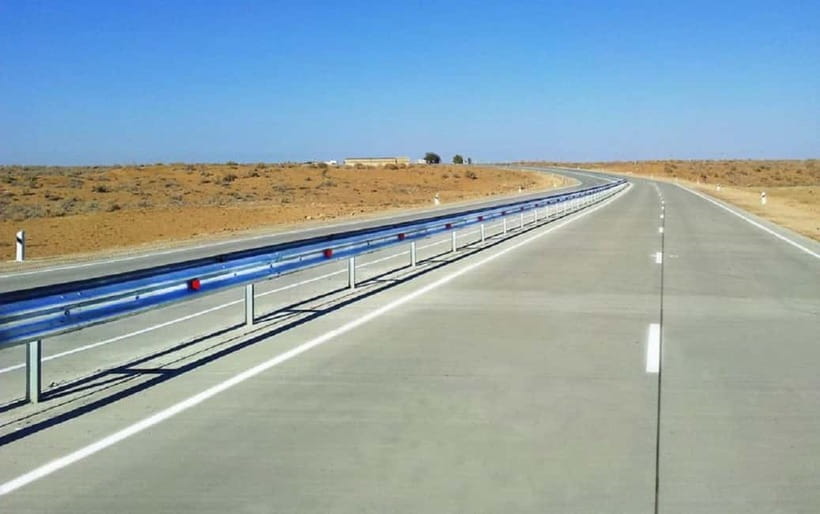
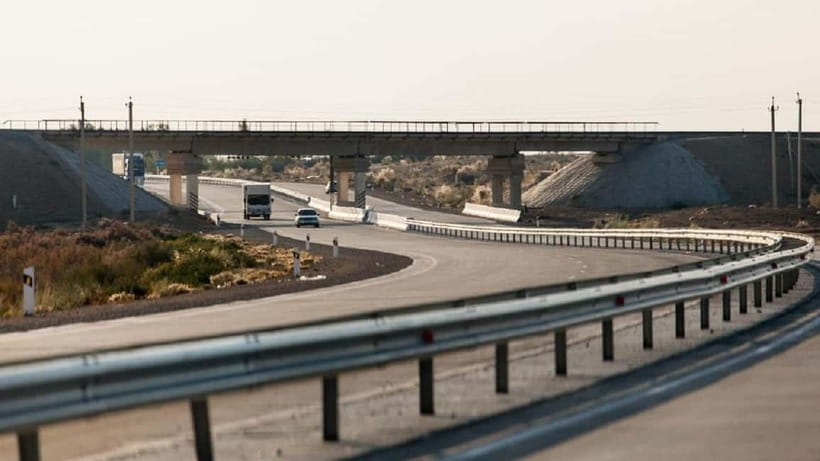
Between Khorezm sites and your arrival in Bukhara, you’ll spend time on the route that’s linked to the Kizilkum desert area. Even when you’re not stopping to “see the desert,” the drive matters because it connects the forts to the geography that shaped them.
There’s also an estimated stop for lunch along the road. The tour doesn’t position lunch as a guaranteed included meal, so treat it as a practical break where you can choose what suits you best. One nice detail from real-day experience: a local fruit or snack stop can turn into a memorable bite, especially if you’re craving something sweet and fresh after time on old stone.
Because drinks aren’t allowed in the vehicle, plan to hydrate at reasonable moments. If you get out at each stop, take a few minutes to drink water before you head back on the next stretch.
How the 9 hours usually feel: logistics without the chaos

This experience runs about 9 hours from start to finish, from pickup in Khiva to drop-off in Bukhara. That length is long enough that you’ll feel it—especially if you’re also walking between fortress sections—but it’s the right kind of long. It’s not a half-day “fast tour” that leaves you wanting more.
The biggest time variable is driving distance and the number of times you pause for photo angles or slower viewing. If you prefer a steady rhythm, tell your driver what pace you like. Private transfers are the easiest way to keep things from turning into a race.
The vehicle comfort helps smooth the day. A/C is in the car, and it’s private—so you can stretch your legs when the driver stops for the fortress visits.
Driver communication: English/Russian and a steady hand
The driver speaks English and Russian. In practice, that means you’ll have enough communication to understand what you’re seeing and get practical help during the day.
From real experience, some drivers can be especially kind and cautious on the road. If your language is limited, don’t panic—communication is usually handled with simple explanations, and the day stays comfortable even when English isn’t perfect. (If you’re traveling with specific questions about what you’re seeing at each fort, it helps to ask early rather than mid-walk.)
Also, safe driving matters on long routes. When a driver takes the road seriously, it makes the whole day feel easier.
What’s included in the price (and what isn’t)
The price is $180 per group up to 3 for the full experience. That can sound like a lot until you compare it to the alternative: you’d likely need separate transport plus individual fortress visits. Here you’re paying for a private A/C car, hotel pickup and drop-off, and fortress visits with fees and taxes covered.
Included:
- A/C vehicle
- Pickup and drop-off
- Visits to Toprakkala, Kizilkala, and Ayazkala
- All fees and taxes
Not included:
- Entrance tickets, typically 1–2 USD per monument per person
- Personal expenses
For value, I’d focus on this: you’re not just paying for driving. You’re paying for a structured day where someone handles the route and makes sure the stops happen. For small groups, private transfers like this are often more cost-effective than piecing together two separate city days.
Tickets, warm clothing, and the small rules that save stress
Entrance tickets aren’t included, and they can add a small extra cost per monument. The good news is the range is low, so you won’t end up surprised by a big bill.
What to bring is simple but important:
- Comfortable shoes (for walking on uneven, dusty ground)
- A camera (the fortress structures and open areas give you strong photo angles)
- Comfortable clothes, plus warm layers if you’re visiting in winter
Also plan for hydration. The tour notes you should stay hydrated and bring your own water. It’s a smart call on a day that blends walking, desert-region driving, and long stretches in the sun.
Don’t plan on eating during the drive. Since food in the vehicle isn’t allowed, any snacks should be timed to the stops.
Who this day trip suits best
I’d suggest this for you if:
- You want a transfer that feels like sightseeing, not just transit
- You like defensive architecture and how towns protected themselves
- You’re traveling in a small group (up to 3), where private logistics are a real win
- You’re okay with a long day and some open-air walking
You might skip it if:
- You only want indoor museums and would rather avoid cold, windy ruins
- You’re chasing a super-relaxed pace with minimal time outdoors
- You prefer to keep the route entirely flexible without a set 9-hour structure
If you’re the type who enjoys connecting archaeology to real-world needs—timekeeping, culture, defense—these fortress stops make the day feel meaningful.
Should you book this Khiva to Bukhara fortress transfer?
If your goal is to get from Khiva to Bukhara anyway, this is one of the better ways to make that travel day count. The big strengths are the private transfer, the focused stops at Toprakkala, Kizilkala, and Ayazkala, and the practical pacing that doesn’t turn sightseeing into a sprint.
Book it if you can handle a full day outdoors and you’re traveling with up to two companions. I’d also say it’s a strong choice for winter or shoulder seasons if you’re dressed for wind and cold, because Ayazkala’s severe-frost idea hits harder when you feel the weather.
If you want, tell me your travel month and whether you’ll be in a small group of 1, 2, or 3. I can help you decide what clothing and timing will feel easiest for your day.
FAQ
How long is the Khiva to Bukhara transfer with fortress stops?
The total duration is 9 hours.
Where does the pickup happen in Khiva?
Pickup is at Ata darwaza, the west gates of Khiva in Ichan Kala. Pickup from your hotel is also allowed.
What fortresses are visited during the day?
You’ll visit Toprakkala, Kizilkala (Red Fortress), and Ayazkala.
Is this a private group?
Yes. It’s a private group with a group size of up to 3.
What languages does the driver speak?
The driver speaks English and Russian.
Are entrance tickets included in the price?
Entrance tickets are not included. They’re estimated at about 1–2 USD per monument per person.
Is lunch included?
There is an estimated stop for lunch along the road, but lunch is not listed as included.
What should I bring for the day?
Bring comfortable shoes, a camera, comfortable clothes, and warm clothing if you’re visiting in winter.
Is the vehicle wheelchair accessible?
Yes, the activity is wheelchair accessible.
Can I cancel and get a full refund?
Yes. You can cancel up to 24 hours in advance for a full refund.
What’s the reserve-and-pay option?
You can reserve now & pay later, meaning you can book your spot and pay nothing today.