REVIEW · KHIVA
Transfer: Bukhara – Khiva via Ancient Fortresses
Book on GetYourGuide →Operated by Asli Travel · Bookable on GetYourGuide
Fortresses turn your Bukhara to Khiva drive memorable. I like that this trip treats the long road as part of the experience, not just transportation, and I especially enjoy the depth at Toprakkala and Ayazkala. The main trade-off is that it’s a full day in the car with extra small entrance fees at each site.
You’ll ride in an A/C vehicle with hotel pickup and drop-off in Khiva, and you’ll get a driver who speaks English or Russian. Based on the guides’ on-the-road style people report, you can expect safe driving and clear explanations along the way—just plan for winter conditions if you’re traveling then.
In This Review
- Quick reasons this fortress transfer feels special
- Turning the Bukhara to Khiva transfer into archaeology time
- Toprakkala Fortress: clay fortress and early Khorezm evidence
- Kizilkala (Red Fortress): a garrison stop with a color-coded name
- Ayazkala Fortress: severe frost fortress and fortress design for oasis protection
- Lunch stop and the Kizilkum Desert drive between fortresses
- Arrival in Khiva: dropped at your hotel with the day still warm in your head
- Price and value: $160 per group up to 3, with small entrance fees extra
- Drivers, comfort, and the kind of communication you’ll actually use
- Practical tips: shoes, warmth, water, and how to avoid a frustrating day
- Who should book this fortress transfer, and who might not love it
- Should you book this Bukhara to Khiva via Ancient Fortresses day?
- FAQ
- FAQ
- How long is the transfer?
- Is pickup from my hotel included?
- Is this a private tour?
- What fortresses are visited?
- Do I need to pay entrance tickets?
- Are drinks or food allowed in the vehicle?
- What language does the driver speak?
- Is lunch included?
- Is the vehicle air-conditioned and wheelchair accessible?
- What is the cancellation policy?
Quick reasons this fortress transfer feels special
- Toprakkala starts the story early, with finds that support early Khorezm statehood and city planning clues.
- Kizilkala (Red Fortress) breaks up the drive, so you aren’t stuck with only one big stop.
- Ayazkala is the most intense site, with a meaning tied to severe steppe cold and fortress design built to protect the oasis.
- Kizilkum Desert scenery is part of the route, giving the day a real sense of place.
- Private group up to 3 keeps the pacing comfortable and flexible for photos and questions.
- A/C vehicle plus hotel pickup/drop-off makes the day easy to manage logistically.
Turning the Bukhara to Khiva transfer into archaeology time
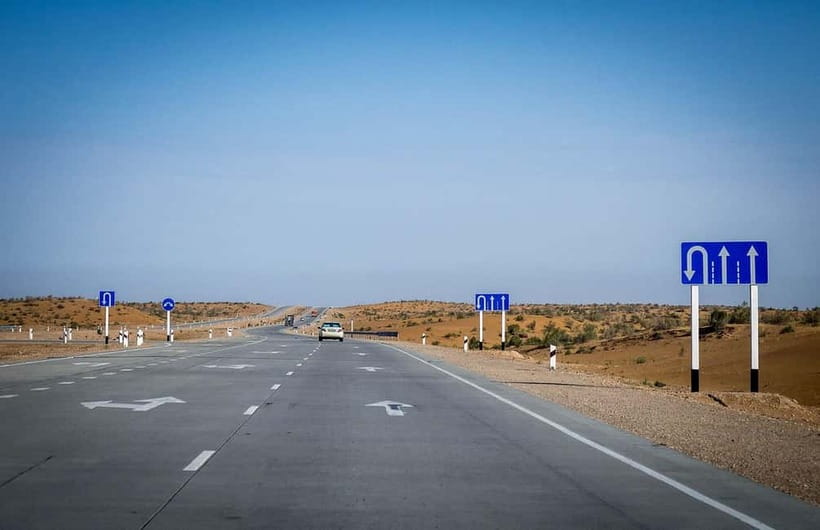
The classic problem with getting from Bukhara to Khiva is that it’s often treated like a chore: sit, drive, arrive, repeat. This tour flips that. It’s still a transfer—9 hours total—but it’s built around fortress visits in the Khorezm Oasis, which means you’re learning while you’re moving.
The itinerary runs in a clear line: Bukhara → Toprakkala → Kizilkala (listed as Kyzykkala in the route description) → Ayazkala → Khiva, with an estimated lunch stop on the way. After that, you’re dropped at your hotel in Khiva, so you can shift from road mode to old-city mode without extra planning.
This is a good match if you want more than one or two photos and a quick walk. These sites reward curiosity: you’ll be looking at fortress layouts, thinking about how the oasis was defended, and trying to imagine how people lived in a place where survival depended on controlling access.
You can also read our reviews of more tours and experiences in Khiva.
Toprakkala Fortress: clay fortress and early Khorezm evidence
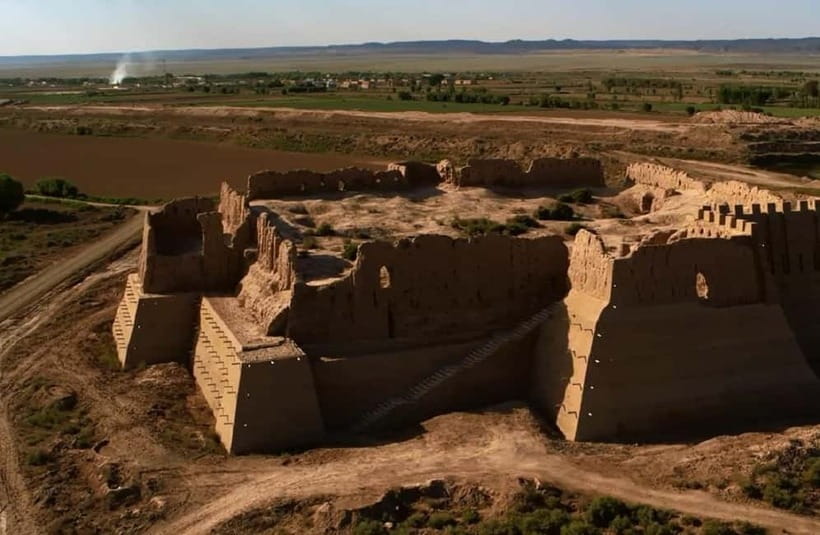
Toprakkala is the first stop, and it sets the tone. The name is tied to clay fortress, and the site is important because it connects to some of the earliest evidence for organized life in the Khorezm region.
What I think makes Toprakkala worth your time is the evidence angle. The description mentions that the first examples of city plan layouts were found here. That isn’t just a neat detail—it helps you understand that this wasn’t a random settlement. The finds are also described as proof of statehood in the 4th century A.C., which turns the ruins from scenery into a historical clue.
You’ll also see why people link Toprakkala to early written sources: a calendar and plaster statuettes of singers were reported among the discoveries. Even if you’re not a hardcore archaeology person, these kinds of artifacts help your brain build a picture. You start thinking about routine, timekeeping, and cultural life—not only defensive walls.
Practical note: fortress sites are often spread out, so bring comfortable shoes. You’ll want enough grip for uneven ground and enough stamina for a couple of outdoor walks.
Kizilkala (Red Fortress): a garrison stop with a color-coded name
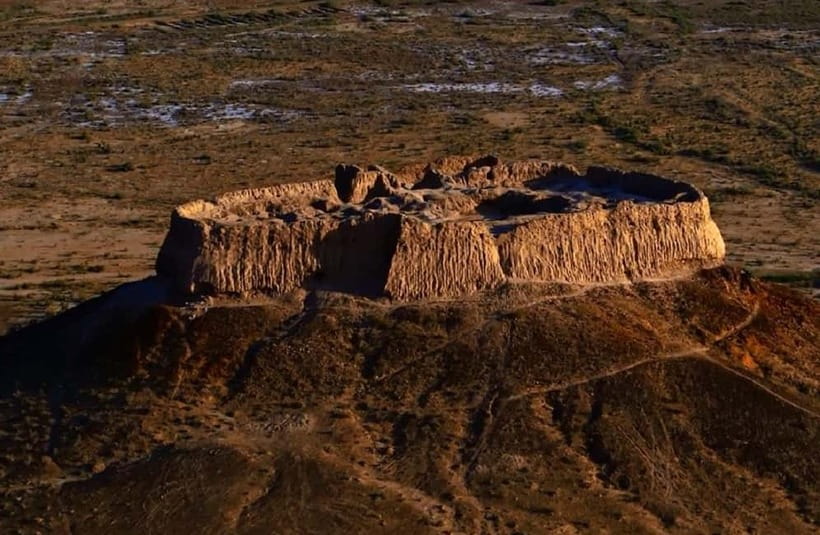
Between the bigger, headline stops, you’ll visit Kizilkala, also described as Kyzykkala in the route line. Either way, the key idea is that this is one of the garrison fortresses of the oasis.
The name comes from the color of the clay. That’s a small detail, but it matters because it points to a practical reality: these fortresses weren’t only built for function; they were shaped by locally available materials. When you’re standing there, it’s easier to connect the name to what you’re actually seeing.
Think of Kizilkala as a pause in the day that still moves the story forward. The tour doesn’t treat it like a filler stop. It’s part of the larger system: the oasis was protected through multiple fortified points rather than relying on one single location.
If you’re short on patience and want only the biggest sites, you’ll still likely appreciate this stop because it breaks the drive into something active. And when you’re spending hours in a vehicle, that mental reset helps.
Ayazkala Fortress: severe frost fortress and fortress design for oasis protection
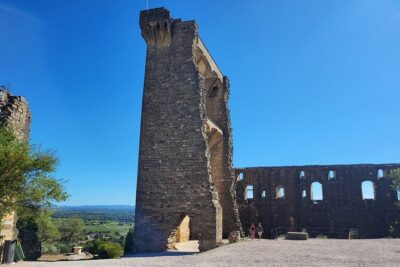
Ayazkala is where this day gets more dramatic. The meaning given for the fortress name is severe frost fortress. That’s not just poetic; it’s explained as something you understand by visiting in winter, when steppe cold is described as one of the most terrible conditions.
Now pair that with the construction purpose. The fortress system is described as being built around the perimeter of the oasis borders to protect against raids of nomads from the north. Also, Ayazkala is said to consist of 3 parts and to be remote, yet one of the most well-organized and protected fortress locations.
That combination—defensive architecture, multi-part design, and harsh environment—adds a lot of weight to what you’re seeing. I like sites like this because they make you ask better questions. Instead of only asking what survived, you start asking what the builders expected, what they feared, and what kind of defenses actually work in a specific landscape.
What to do with that information on the ground:
- Slow down at the perimeter areas and imagine movement: where raiders would approach, where defenders could concentrate, and where you’d likely watch.
- Look for the logic of the layout, since the site is described as organized rather than random.
- Dress for the weather. Even if you don’t travel in the coldest month, you’re still outdoors and stepping away from the warmth of the car.
Lunch stop and the Kizilkum Desert drive between fortresses
The plan includes an estimated stop for lunch along the road. Some drivers build the day around a stop at a yurt camp for lunch, which can be a comfortable way to break up the long sit and to reset before another set of ruins.
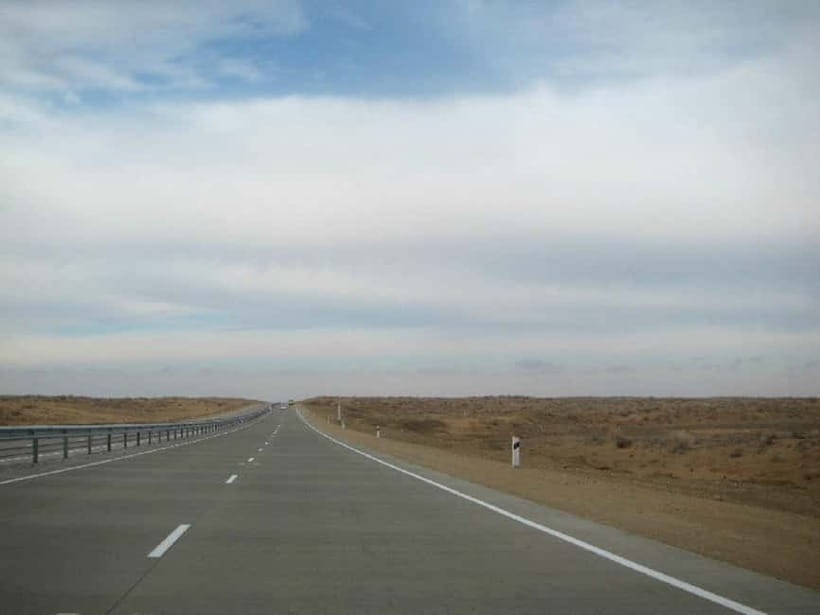
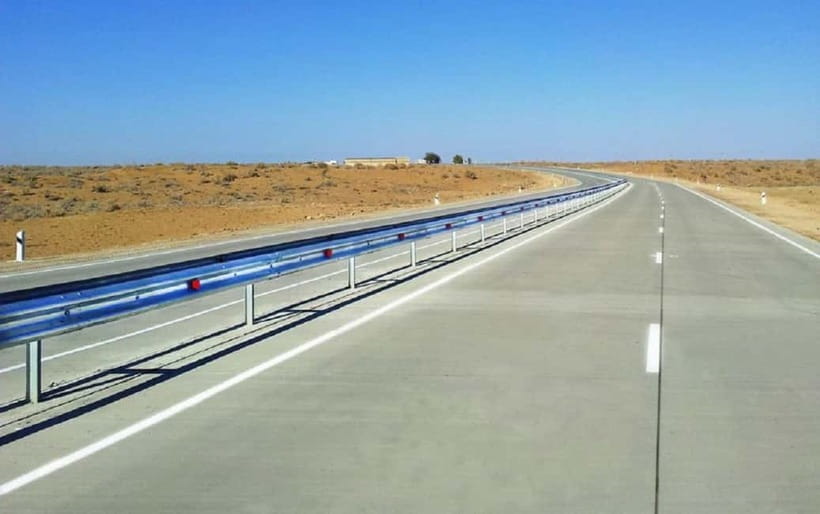
The other practical piece here is the driving environment. The day’s highlight list specifically calls out Kizilkum Desert, and you’ll be crossing parts of that region as you travel between sites. Even without perfect visibility, desert days tend to be bright, dry, and demanding for your attention and eyes—so sunglasses aren’t optional in my book.
Food and drink rules are simple:
- Drinks in the vehicle are not allowed.
- Food in the vehicle is not allowed.
So if you like to have a plan, bring what you need before you enter the quiet parts of the drive. Hydration matters here. The tour info also advises you to stay hydrated and bring your own water.
Arrival in Khiva: dropped at your hotel with the day still warm in your head
After the fortress visits, you’ll transfer to Khiva and be dropped off at your hotel. That detail sounds basic, but it’s a big quality-of-life win. Khiva can be confusing for your first hours, especially if you’re tired from a 9-hour day. Hotel drop-off means you can freshen up and head into the historic center when you’re ready.
Timing seems to land well for people—one report highlights arriving at perfect timing after a lunch stop. That matters because Khiva’s atmosphere depends on how you pace the day. If you arrive too late, you miss the calmer light and the early evening energy.
Price and value: $160 per group up to 3, with small entrance fees extra
The price is listed as $160 per group up to 3 for a 9-hour private transfer. That’s not cheap if you’re traveling solo, but it can be good value when you split it across a small group.
Here’s the straightforward math:
- 1 person: $160 total (all on you)
- 2 people: $80 each
- 3 people: about $53 each
Then add entrance tickets, which are not included and are described as roughly $1–2 per monument per person. Those fees are small compared to the total day, but they are real—so budget for them and carry cash if that’s how you plan to pay on-site.
Where the money likely goes (based on the service description) is the private, A/C vehicle, the hotel pickup/drop-off, and the actual time spent visiting multiple fortress sites rather than doing a direct transfer. If you already had to get from Bukhara to Khiva anyway, this is value because you’re converting travel hours into sightseeing with dedicated stops.
Drivers, comfort, and the kind of communication you’ll actually use
This tour uses an English/Russian-speaking driver. Reports also highlight safe driving and friendly, informative explanations on the road.
A few guide names show up in feedback:
- Pavlik was praised for excellent driving and good English.
- Jasur was mentioned for safe driving and explanation of sights.
- Ali was noted as kind and helpful.
- Ulugkbek is described as moderate on the road given challenging traffic, and passing lots of information.
That matters because on a day built around historical sites, you’ll enjoy it more if someone can point out what to look for and why. You don’t need a dramatic storyteller. You need a driver who can translate the site significance into something you can hold while you’re walking around in dust and sunlight.
Comfort-wise, the car is described as clean and spacious enough even for groups around six in one report, though your tour is private and capped at up to 3 for the quoted group price. In practice, you’ll still want to dress for long sitting, and plan for photo breaks rather than expecting a short, quick drive.
Practical tips: shoes, warmth, water, and how to avoid a frustrating day
Here’s what I’d prepare if you want the day to feel smooth instead of exhausting:
- Wear comfortable shoes with grip. Fortress ground can be uneven.
- Bring warm clothing if you’re traveling in winter. Ayazkala is tied directly to severe cold, and steppe weather doesn’t care about your schedule.
- Sunglasses help during the desert stretches.
- Bring a camera so you can capture fortress views and wide views from the sites.
- Bring your own water and plan drinks around rules that restrict bringing drinks inside the vehicle.
- Keep expectations realistic: this is a full day with multiple outdoor stops.
One more thing: if you’re prone to getting motion-sick, plan ahead. You’re spending hours in a vehicle, and the driving conditions can be demanding on longer routes.
Who should book this fortress transfer, and who might not love it
I think this works best for:
- People who want to see Uzbekistan beyond the big-city highlights, without adding extra days.
- History-minded travelers who like ruins but also want meaning tied to evidence and purpose.
- Small groups who value privacy and a calm pace with room for questions.
You might skip it if:
- You want the fastest possible Bukhara-to-Khiva move and nothing else.
- You hate long days in a car.
- You’re traveling at a time when winter cold will make outdoor walking tough.
It’s a balanced trade: you give up a direct transfer pace, and you gain fortress context plus memorable stops that turn the journey into the point.
Should you book this Bukhara to Khiva via Ancient Fortresses day?
If your main goal is to get from Bukhara to Khiva, you’ll get there either way. The reason to book this version is that it makes the transfer do something useful. You’ll see three major fortress sites—Toprakkala, Kizilkala (Red Fortress), and Ayazkala—and you’ll add a Kizilkum Desert drive plus hotel pickup and drop-off.
I’d book it when you’re okay with:
- extra small entrance fees,
- a full 9-hour day,
- and stepping outside for fortress walks.
If that sounds like your kind of day, this is one of the smartest ways to connect Bukhara and Khiva without wasting the road time.
FAQ
FAQ
How long is the transfer?
The total duration is 9 hours.
Is pickup from my hotel included?
Yes, pickup from your hotel is included. You should wait in the hotel lobby about 5 minutes before the scheduled pickup time.
Is this a private tour?
Yes, it’s a private group experience.
What fortresses are visited?
You’ll visit Toprakkala, Kizilkala (Red Fortress), and Ayazkala.
Do I need to pay entrance tickets?
Entrance tickets are not included. They’re listed as about $1–2 per monument per person.
Are drinks or food allowed in the vehicle?
No—drinks in the vehicle are not allowed, and food in the vehicle is also not allowed.
What language does the driver speak?
The driver speaks English and Russian.
Is lunch included?
Lunch is not listed as included. The schedule includes an estimated stop for lunch along the road.
Is the vehicle air-conditioned and wheelchair accessible?
The vehicle is listed as having A/C, and the activity is marked as wheelchair accessible.
What is the cancellation policy?
You can cancel up to 24 hours in advance for a full refund, and there is also an option to reserve now and pay later.