REVIEW · KHIVA
Daytrip from Khiva to Five Ancient Fortresses
Book on GetYourGuide →Operated by Amu Transport · Bookable on GetYourGuide
Five forts in one day sounds wild, right? This trip turns a long drive into a real sense of place, with stops at Ayaz-Kala and Kavat-Kala that are genuinely interesting even if you’re sightseeing on your own. I like that the schedule gives you time to wander and take photos, but one thing to plan around is that there’s no guide included, and some drivers have limited English.
You get a private, A/C ride with pickup from your hotel in Khiva (or Urgench airport/area) and drop-off back in the same two-city pairings, so the logistics are simple. I also like the pacing for a day trip—7 hours total, with sunset timing built in—and the comfort of door-to-door transportation.
In This Review
- Key highlights to know before you go
- Why this five-fortress route works as a Khiva day trip
- The 7-hour plan: pickups, drives, and sunset timing
- Guldursun-Kala: rectangular walls, loopholes, and a long timeline
- Ayaz-Kala’s three-fort complex: why it feels the most showy
- Kavat-Kala’s 15 km stretch: population, estates, and oasis power
- Toprak-Kala: governors, coins, and the feeling of decay
- Kyzyl-Kala: refuge fortresses, smoke signals, and water pipes
- Price and value: when $115 is a smart split, and when it may disappoint
- Driver-led touring reality: English limits, driving style, and how to plan
- What to expect at each stop: walking, breaks, and how to keep the day smooth
- Should you book this five-fortress day trip from Khiva?
- FAQ
- How long is the day trip?
- Where can I be picked up and dropped off?
- Is there a guide included with the tour?
- Are entry tickets included in the price?
- How does the skip-the-line part work?
- Can I cancel if plans change?
Key highlights to know before you go
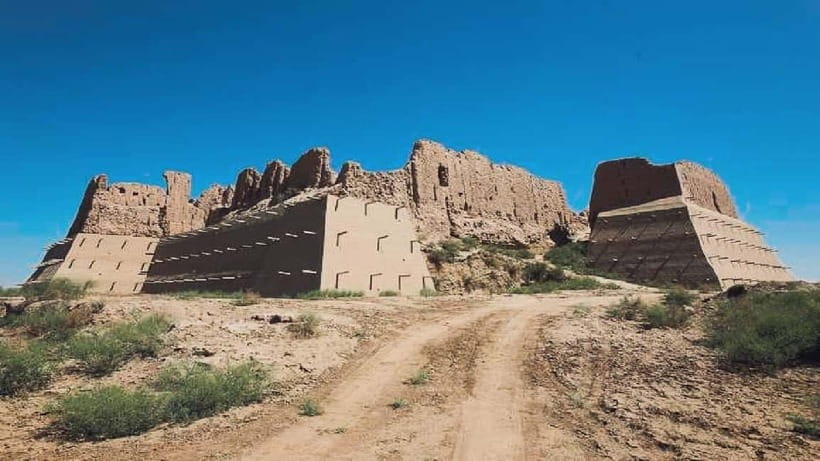
- Five ancient Khorezm fortresses in a single day across Karakalpakstan, with photo stops and short walks at each site
- Guldursun-Kala’s military details, including rectangular fortifications, adobe walls with loopholes, and a history spanning centuries
- Ayaz-Kala’s showpiece feel—it’s really a complex of three forts grouped around a hill, not just one monument
- Kavat-Kala’s scale and settlement clues: a monument stretching about 15 km, once home to many estates
- Toprak-Kala’s governor-era story plus archaeological finds like ceramics and Zoroastrian canopic jar fragments
- Kyzyl-Kala’s defensive engineering: double walls, watchtowers, pipes for water, and smoke-signal protection
Why this five-fortress route works as a Khiva day trip
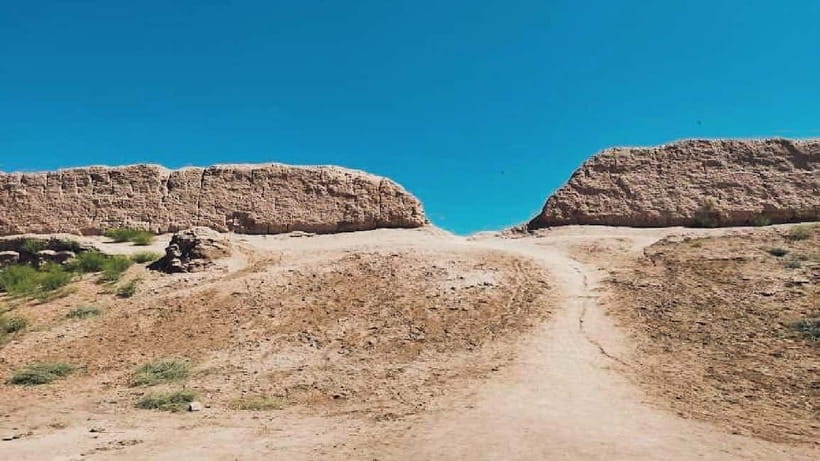
Khiva is compact and easy to enjoy, but the real payoff comes when you get out into Karakalpakstan and see how defensive forts shaped everyday life here. This day trip is built for that. In one 7-hour outing, you visit five separate fortresses tied to Khorezm’s past, and you do it with private A/C transport that keeps the day realistic.
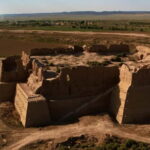
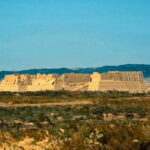
What makes it feel worthwhile is that the sites don’t all tell the same story. Guldursun-Kala leans into ancient fortification design. Ayaz-Kala has the most dramatic “you can actually see why people lived here” vibe. Kavat-Kala stretches out in a way that makes you understand the scale of an oasis settlement. Toprak-Kala points to governors and their household life. Kyzyl-Kala shows a “survive the raid” mindset with practical defensive features like water supply infrastructure.
One more thing: this is self-guided. That’s not a downside if you come with curiosity. It’s a better match for independent travelers who like reading small details, spotting construction logic (walls, towers, gates), and asking the driver questions when you can.
You can also read our reviews of more tours and experiences in Khiva.

The 7-hour plan: pickups, drives, and sunset timing
The whole day is designed around getting you moving early enough to see multiple sites and still catch good light near the end. You’ll be picked up either in Khiva or from the Urgench side (including airport/Train station pickup). Then you’ll do a sequence of stops: Guldursun-Kala, Ayaz-Kala, Kavat-Kala, Toprak-Kala, and Kyzyl-Qala, ending with drop-off back to Khiva or Urgench.
The pacing at each stop follows a similar rhythm:
- a photo stop to set your bearings,
- a walk/sightseeing time to look around,
- and then a relaxed break when the route allows it.
Sunset shows up multiple times in the plan, which matters because these ruins look better in softer light. You’ll also notice that some stops include more time for wandering than others. If you’re the type who likes to linger—especially for photos—this structure generally helps.
Guldursun-Kala: rectangular walls, loopholes, and a long timeline
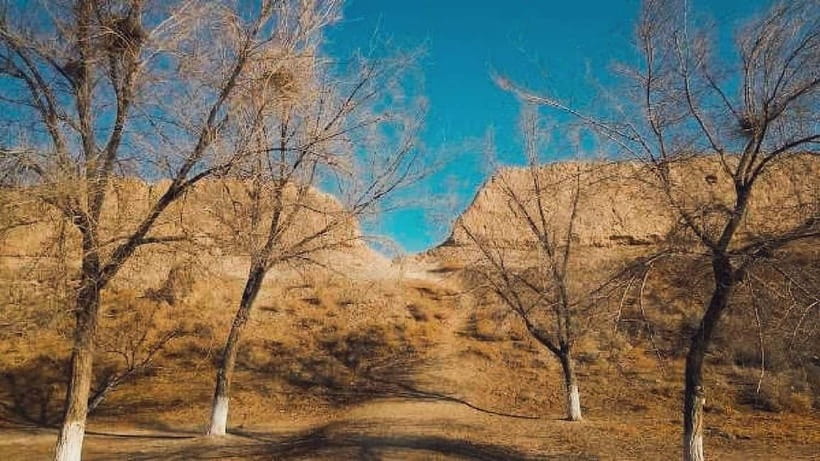
Guldursun-Kala is the first fortress stop, and it sets the tone: this wasn’t just a settlement; it was a defensive structure. The site is dated to roughly the II–I centuries BC, and it’s described as having rectangular fortification planning with walls lined in a way that included loopholes.
The details are the reason I like this stop. Even if the ruins aren’t perfectly restored, the concept comes through. Adobe walls, arranged defensively, tell you something about threat levels. And then there’s the long arc: it was laid in ruins at one point in history for unknown reasons, and archaeological evidence also suggests later occupation around 1220, a period that aligns with Mongol invasions of the Khwarezmian Empire.
Practically, you’ll get the chance for a short walk and self-guided sightseeing here. Expect more “read the construction” than “watch a show.” If you enjoy archaeology-by-eyeballing, this is a strong first stop.
Ayaz-Kala’s three-fort complex: why it feels the most showy
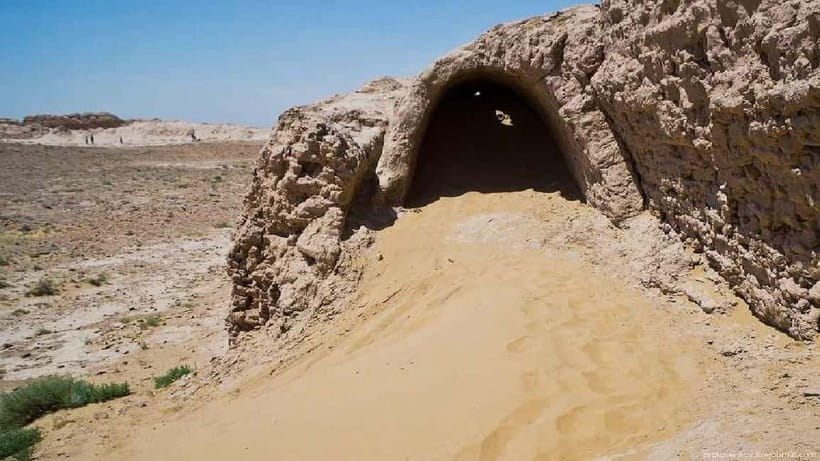
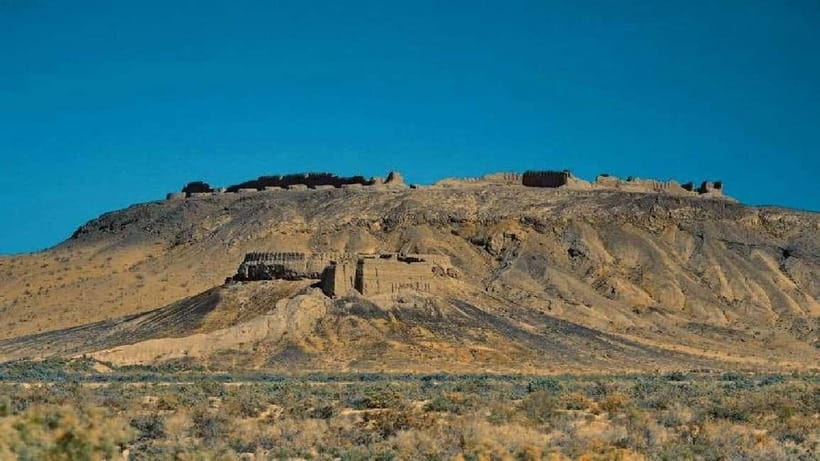
Ayaz-Kala is often described as the most showy fortress among the ancient Khorezm sites, and I get why. The name itself comes from Turkic meaning frosty or cold, but what matters on the ground is how the place presents visually.
Here’s the key nuance: this isn’t one fortress. You’re actually looking at a complex of three fortresses grouped around a hill in the eastern part of a ridge (connected to the Sultan Uizdak ridge region). That explains why the area can feel more substantial than a single ruin patch. More structures and more geometry usually mean better photo angles.
You’ll have time for a photo stop and a walk, plus some flexibility for your own pace. This is a great place to slow down, look for wall lines, and think about how a hill-centered layout could help a community control movement.
If you want one site where the day starts to feel more emotional than technical, Ayaz-Kala is usually that stop.
Kavat-Kala’s 15 km stretch: population, estates, and oasis power
Kavat-Kala is the “wow, scale” stop. The description for this fortress complex highlights that it stretches for about 15 km, with width estimated around 2–3 km along the Gavhore Channel. That alone changes how you experience it—you’re no longer scanning one tight footprint. You’re seeing an extended footprint that fits an oasis economy.
The historical detail that makes this fortress matter is the population story. Between the 12th and 13th centuries, the central area was very populated, with references to around 90 estates (and the idea of residential and clay structures). That’s the kind of information that turns ruins from scenery into a clue about how people lived day to day.
Practically, you’ll get a break time and sightseeing here, and the schedule often includes another sunset window. If light is good and you have the patience to walk a bit, this is one of the stops where it’s easier to imagine daily life: work areas, living quarters, and the social reality of many estates packed into an oasis system.
Toprak-Kala: governors, coins, and the feeling of decay
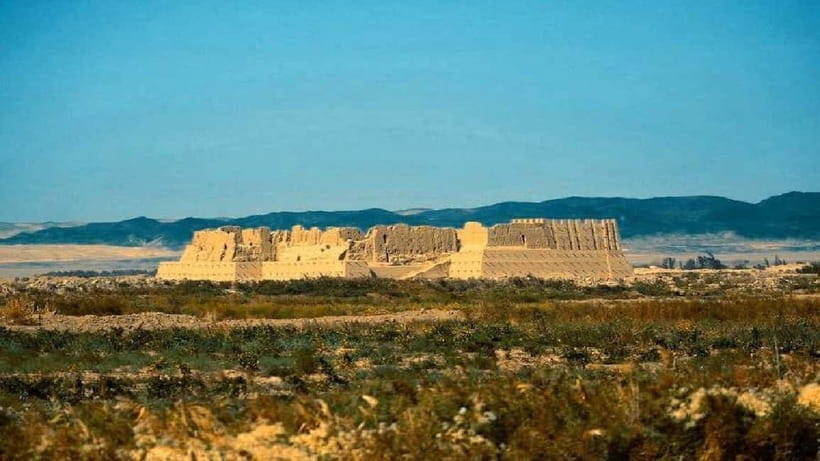
Toprak-Kala brings the story closer to governance and household life. It’s built as early as the 3rd century, and it’s described as a residence of khorezmshakhs, the governors of the region, continuing up to around 305 A.D. Then the narrative shifts: aggressive wars forced governors to leave, and the city gradually fell into decay.
This stop is also strong because archaeology has found objects that help fill in the blanks. Excavations reported coins, fragments related to Zoroastrian’s canopic jars, and pieces of material culture such as thin manufactured ceramics and textiles (including wool and silk). There are mentions of gold ornaments, and even a necklace made with 300 glass beads, plus items like amber and corals.
What I’d tell you to expect, realistically, is that Toprak-Kala can feel more atmospheric than dramatically “built up.” That’s not a flaw—it’s simply ruins. If you love the idea of archaeology supporting a story, the finds make the stop more meaningful. If you want reconstructed showpieces, you might feel less satisfied here than at Ayaz-Kala.
Kyzyl-Kala: refuge fortresses, smoke signals, and water pipes
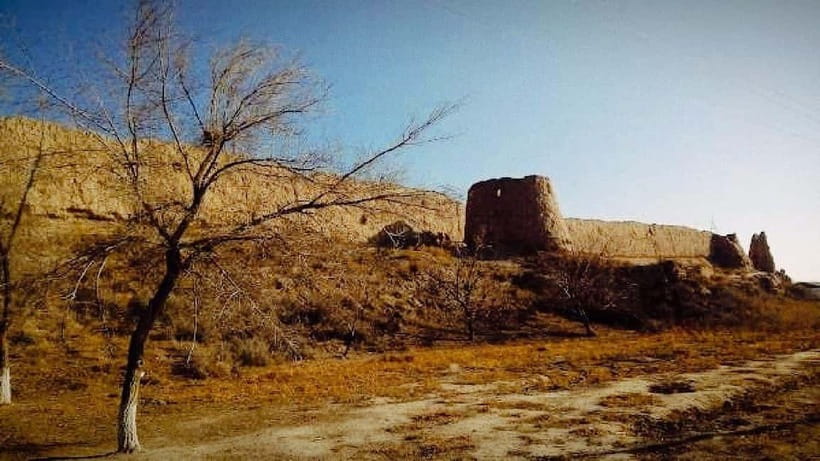
Kyzyl-Kala is the defensive-defense stop, and the story reads like it was designed for survival. This fortress served as a refuge for local inhabitants during nomadic raids.
Two details are the reason I think you’ll remember this one:
- Smoke signals were used to announce approaching enemy armies, giving Khwarezmians time to prepare.
- The citadel had a double wall, with fortified corners marked by watchtowers.
Then comes the practical engineering detail: ceramic pipes were installed to funnel a continual water supply to the fort. That’s a big deal because a refuge plan isn’t just about walls. It’s about endurance.
In the schedule, you’ll have additional time here for photo stops and sightseeing, and there’s a safety briefing. That usually means the area can be uneven or you’ll be close to unstable edges, so it’s smart to take that seriously.
If you want one stop that turns history into a “how would this actually work” mental exercise, Kyzyl-Kala is it.
Price and value: when $115 is a smart split, and when it may disappoint
The listed price is $115 per group up to 3 people for a 7-hour private day trip. That value depends on how you’re traveling.
- If you’re going with two friends or family members, your per-person cost drops sharply, and the private A/C vehicle becomes a bargain compared with paying separately for transport.
- If you’re going solo, the price is still reasonable for a full day of driving + multiple stops, but the “no guide included” part matters more. You’ll rely on driver information and your own curiosity.
Also remember entry tickets are not included. One person reported paying 20,000 som multiple times for different sites, so your final total may be higher than you expect. The good news is that the activity mentions skip-the-line via a separate entrance, which can save time if you’re dealing with bottlenecks.
So is it worth it? For me, it’s worth booking if you:
- like ancient sites and can enjoy them without a live guide,
- want a route that packs five forts into one day,
- and are comfortable with some variability in how “recognizable” ruins look.
Driver-led touring reality: English limits, driving style, and how to plan
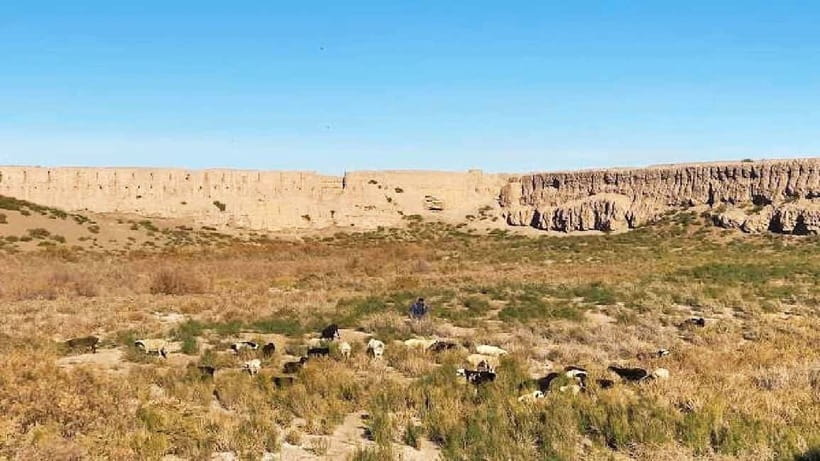
This tour is private transportation, and the driver is the main human support you’ll have. The plan even notes that some drivers may have limited English. That’s important, because your experience will depend on how much context you get while you’re on the road and at the stops.
In the best case, the driver is talkative and helpful. I’ve seen notes about drivers being friendly and accommodating, with good communication efforts. One account also mentioned local melon tasting on the way back—exactly the kind of small local touch that turns a drive into something more personal.
In the less ideal case, you might get fewer explanations and more “here’s the stop, enjoy.” Also, there’s at least one caution raised about driving speed on rough conditions. If you’re sensitive to fast driving, it’s smart to mention your preference at pickup. You can also ask for a slower pace on the worst stretches.
My practical advice: treat the driver as your route-and-questions resource, not as a full guide. If you want deep historical interpretation, bring your own reading (even a few notes on the fortresses before you go helps a lot).
What to expect at each stop: walking, breaks, and how to keep the day smooth
Across the five fortresses, the experience is a mix of photo time, short walks, and self-directed exploration. The schedule includes break time at a couple of the stops, which helps keep you from feeling rushed.
Here’s how I’d mentally sort the stops:
- Most visually engaging: Ayaz-Kala (because it’s a complex and tends to look more “showy”).
- Most technical history: Guldursun-Kala (fortification details and date range).
- Most scale and settlement vibe: Kavat-Kala (15 km stretch and the estate/population idea).
- Most archaeology-motivated: Toprak-Kala (finds that connect the ruins to real objects).
- Most defensive-story driven: Kyzyl-Kala (smoke signals, watchtowers, water pipes).
If you’re the type who likes to photograph architecture, this route has plenty of shapes to work with: walls, corners, tower-like points, and hill-centered layouts. If you only want perfectly preserved remains, set expectations. These are ancient fortresses, not reconstructed parks.
Should you book this five-fortress day trip from Khiva?
Book it if you want an efficient day outside Khiva that focuses on real Khorezm fortresses—five sites, private A/C transport, and built-in time for sunset photos. It’s especially good value if you can split the cost with up to two people.
Don’t book it if you require an English-speaking guide at every step, or if you expect each fortress to look like a clearly marked, fully interpreted attraction. Because this is self-guided, your enjoyment will depend on your interest in ruins and your willingness to connect the dots yourself (and through any driver explanations you get).
If you do book: go in with curiosity about why forts were built—walls, water, defense systems, settlement scale—and you’ll get more from the day than simply taking photos.
FAQ
How long is the day trip?
The duration is listed as 7 hours.
Where can I be picked up and dropped off?
Pickup is included from your hotel in Khiva or from Urgench Hotel/Urgench airport (also Train station pickup is mentioned). Drop-off is also included in Khiva and Urgench.
Is there a guide included with the tour?
No. Entry tickets are not included, and a guide is listed as not included. You’ll be doing self-guided sightseeing at the stops.
Are entry tickets included in the price?
No. Entry tickets are listed as not included, so you should expect to pay on-site.
How does the skip-the-line part work?
The activity states there’s skip-the-line through a separate entrance, which should help you avoid some queues at the sites.
Can I cancel if plans change?
Yes. Free cancellation is offered up to 24 hours in advance for a full refund.