REVIEW · NEW DELHI
Heritage Day Tour of Old and New Delhi
Book on Viator →Operated by India City Walks · Bookable on Viator
Delhi can feel like a puzzle box.
This tour turns it into a story, linking Old Delhi markets with Qutub Minar and then finishing on New Delhi’s grand government-and-monuments axis. What I like most is the pace: you get time at each major site instead of hurried photo stops, and the guide keeps the meaning clear from street level to monumental scale.
One thing to consider: while some stops list admission as free, the tour may still have on-the-spot monument entry charges, plus food and drinks are not included.
In This Review
- Key highlights worth your attention
- Turning Delhi into a readable map
- How the day is paced: 8 hours with clear stops
- Chandni Chowk and Shahajanabad: where commerce meets empire
- Humayun’s Tomb complex: not one tomb, but a whole story
- Qutub Minar: the Qutub Complex is the real show
- Kartavya Path and President’s House: Delhi’s modern power axis
- Price and value: what $38 covers, and what it won’t
- The best part: how the guide turns landmarks into a city lesson
- Practical tips so your day feels easy
- Who should book this Delhi heritage day
- Should you book this Heritage Day Old and New Delhi tour?
- FAQ
- How long is the Heritage Day Tour of Old and New Delhi?
- What’s included in the tour price?
- Are food and drinks included?
- Do I need to pay monument entry fees?
- Is pick-up or drop-off included?
- Is this tour private?
- What should I consider about cancellation and weather?
Key highlights worth your attention
- Old-to-new route across Chandni Chowk, Humayun’s Tomb, Qutub Minar, and Kartavya Path
- Free bottled water to keep you comfortable during a long day on foot
- Guide-led shortcuts to context, so you understand what you’re seeing (not just what it’s called)
- Humayun’s Tomb complex details like Isa Khan Niyazi, Arab Sarai, and Bu Halima’s garden/tomb
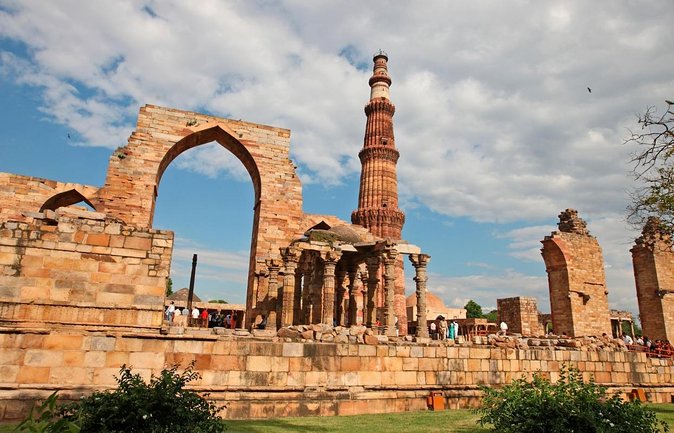
- Qutub Complex must-sees including Quwwat-ul-Islam Mosque, the iron pillar, and Alai Darwaza
- President’s House/India Gate area walk that explains how Rajpath became Kartavya Path
Turning Delhi into a readable map

This is the kind of Delhi day that helps you get your bearings fast. You start in the living layers of Old Delhi, where markets, mosques, and forts sit close enough to feel connected. Then you move into imperial architecture at Humayun’s Tomb and the Qutub complex, before ending in the modern capital area along Kartavya Path.
The reason this works so well is the guide. With a good guide, you’re not just walking from one famous landmark to another—you’re learning how the city grew, traded, governed, and prayed. It also helps that the tour is described as well organized and well paced in feedback, with attention to detail and good logistics.
The only caution I’d add is simple: it’s a full-day outing (about 8 hours), and it’s on foot. Plan for moderate walking, and keep an eye on the day’s extra costs at monuments.
You can also read our reviews of more historical tours in New Delhi



How the day is paced: 8 hours with clear stops
The tour runs about 8 hours and is set up as a sequence of time-boxed visits. Each stop is meant to be long enough for you to see the key elements and understand what makes them important. For many people, that’s the difference between a “checklist day” and a “I understand Delhi now” day.
You’ll start and end back at the meeting point in New Delhi. The itinerary’s structure is also helpful: Old Delhi first (market streets and Mughal-era landmarks nearby), then the tomb complex, then the Qutub area, and finally the modern capital loop.
One practical upside: the tour is private. That means only your group participates, which often makes it easier to ask questions and move at a comfortable speed.
Chandni Chowk and Shahajanabad: where commerce meets empire
Your Old Delhi morning centers on Pasar Chandni Chowk and the wider Shahajanabad area. This is where Delhi’s history isn’t behind ropes—it’s part of daily life. You’re not just looking at buildings; you’re experiencing a city made of street grids, trade routes, and religious landmarks all in the same neighborhood.
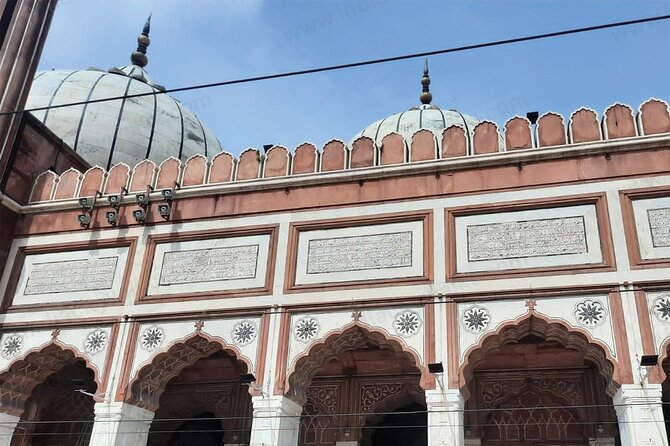
A big part of this stop is the way the guide ties architecture to the people using it. You’ll hear stories connected to Mughal power and the feel of the imperial city, while also getting oriented in the modern market lanes. The stop includes references to the Imperial Palace area and the Red Fort zone, and it also explores South Asia’s early grand Friday mosque tradition from the 17th century (the tour frames it as a landmark of that era).
Then comes the sensory hit: the spice market and older bazaars around Chandni Chowk. This is the part that most people remember, because it’s so immediate. Even if you don’t buy anything, you’ll walk away understanding why this street mattered—spices weren’t just ingredients; they were trade, wealth, and migration in physical form.
What to watch for: Old Delhi market areas can be visually busy and crowd-heavy. The guide helps you cut through that noise, but it still helps to wear comfortable shoes and keep your daypack tight.
Humayun’s Tomb complex: not one tomb, but a whole story
After Old Delhi, the tour shifts to Humayun’s Tomb, but the experience isn’t just the main structure. The itinerary has you move through the complex in a way that explains how the site works as a landscape of meaning.
First, you visit the mosque and tomb of Isa Khan Niyazi, described as a nobleman in the court of Sher Shah Suri. The tour highlights the mosque’s incised plaster work and glazed tiles in green, yellow, and bright blue. If you like architecture that shows craft rather than just scale, this is where you’ll slow down.
Next you head to Arab Sarai, built for 300 Arab servants brought to India from Mecca, brought back by Humayun’s widow Hamida Banu Begum. This detail changes how you see the complex. It’s not just imperial grandeur—it’s a map of who lived around the power center, and why.
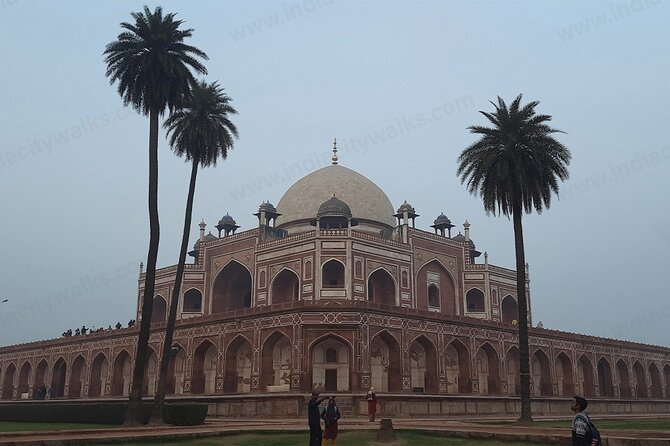
Finally, you see the garden and tomb of Bu Halima, and then Humayun’s Tomb itself. The tour notes that Humayun’s Tomb was commissioned by Hamida Banu Begum after the emperor’s death in 1556.
The key value here is the sequence. Instead of dropping you in front of a single landmark, the tour shows you how the surrounding pieces connect—religion, residents, and the memorial function of the whole place.
Small drawback to plan around: there’s a lot to see within a fixed time. If you’re the type who wants to read every plaque, you may need to pace yourself and pick what you focus on most.
Qutub Minar: the Qutub Complex is the real show
Qutub Minar is famous, but the tour makes sure you understand the complex around it. You meet at the Qutub Minar ticket counter, then enter to start with Quwwat-ul-Islam Mosque.
The itinerary frames Quwwat-ul-Islam Mosque as founded by Qutbuddin Aibak and as the first building in the Qutub complex. You then get to see the iron pillar standing at the center of the mosque. The iron pillar is treated here as one of Delhi’s best-known heritage attractions, so expect it to be a visual anchor for the stop.
After that, you move toward Alai darwaza, described as later added by Alauddin Khilji and conceived as a main gateway to the ambitious extension of the mosque complex. It’s a great moment to learn how power shifts appear in stone: who built first, who expanded, and why gateways and entrances matter.
If you care about history in a practical way, this stop is strong. The guide links names and dates to physical features—rather than throwing facts at you, you’re shown where the story lives on site.
One planning thought: Qutub area mornings can be bright and exposed. Even though bottled water is provided, it helps to have your own rhythm—short breaks, steady pace, and comfortable layers if it’s warm when you arrive.




Kartavya Path and President’s House: Delhi’s modern power axis
By the time you reach the modern section, the tour mood changes from Mughal-era spaces to colonial-and-national symbolism. The walking segment focuses on the President’s House area, Kartavya Path (noted as the modern name for the former Rajpath), India Gate, and other significant structures around the arena.
The tour also explains the symbolism shift: Rajpath is described as a symbol of power, while Kartavya Path represents democratic control and empowerment. Even if you don’t care much about political history, you’ll likely appreciate how the city’s layout encodes values in public space.
This stop is about perspective. You see how Delhi presents itself as a capital—wide roads, monumental alignments, and the choreography of movement. It’s also a good “wrap” to the day because it helps you contrast two Delhi modes: the dense, human-scale lanes of Old Delhi and the grand, planned axis of New Delhi.
What you may like here: the walk helps you connect the earlier sites you saw—spiritual places, imperial tombs, mosque complexes—to the modern state’s own built language.
Price and value: what $38 covers, and what it won’t
The price for the tour is $38 for about 8 hours, and the included items are refreshingly basic: a tour guide. Bottled water is also called out as a highlight, which matters in Delhi because you’ll walk.
Monument entry charges are listed as not included as per actual, with on-the-spot costs possible. At the same time, the itinerary labels admission as free for several stops. That’s not a contradiction in your planning—you should just assume that a few sites may still collect fees depending on current rules and how access works that day.
Also not included: food and drinks, and pick and drop. That means you’ll want a plan for lunch/snacks near where you are, and you’ll want to get yourself to the New Delhi meeting point.
Here’s the value logic I’d use: if you’re going to visit Humayun’s Tomb and the Qutub Complex anyway, a guide helps you get meaning out of the day. Without a guide, you’ll still see major landmarks, but you might miss the “why” behind the order, the names, and the specific features like Arab Sarai and the iron pillar’s placement.
For $38, the best use is for people who want structure, timing, and a city-reading lesson—not just snapshots.
The best part: how the guide turns landmarks into a city lesson
The strongest praise in the feedback focuses on organization and the guide experience. People highlight that the tour is well organized, informative, well paced, and memorable, with details that suggest it’s run by professionals rather than a last-minute operation.
Guide names you might run into in this program include Aamir Ahmed, Srushti, Surbhi, Kazal, and Nidhi. Different guides, same theme: they connect the places to stories about how Delhi works—its people, its layers, its twists and turns.
One particularly interesting thread from the feedback: some guides bring a gender perspective into how they explain heritage. That kind of framing can change how you look at monuments and neighborhoods, making the day feel less like memorizing dates and more like understanding how different lives shaped the city.
If you like walking tours that have an academic backbone but still feel human, this tour seems built for you. It’s the sort of experience where you finish the day with a short list of places you’ll want to revisit on your own, because now you know what to look for.
Practical tips so your day feels easy
A few things will help you enjoy the day more, even if you’re not a power-walker.
- Bring your own comfort setup. The tour includes bottled water, but you still want comfortable shoes and a daypack you can keep close in busy market areas.
- Expect a mix of crowding and open space. Old Delhi lanes can be dense; Humayun’s Tomb and Qutub can feel more exposed depending on light and weather.
- Have a flexible lunch plan. Food isn’t included, so you’ll want to grab something nearby on your schedule instead of waiting for an official break.
If you’re someone who hates getting rushed, the described pacing is a good sign. It’s also private, so your group can ask questions without feeling like you’re interrupting a giant crowd.
Who should book this Delhi heritage day
This tour fits best if you want a guided day that covers both Old Delhi and New Delhi without juggling multiple transport plans and ticket windows.
It’s ideal for:
- First-time visitors who want the big anchors plus the reasoning behind them
- People who like walking tours with clear stop structure
- Anyone who enjoys architecture and wants the meaning behind the details, not just names
It may be less ideal if:
- You want a long food stop or a full meal included (this tour does not include food)
- You dislike paying additional monument fees on the day (the tour notes possible on-the-spot charges)
Should you book this Heritage Day Old and New Delhi tour?
Yes, if you want a guided, well-structured way to connect Delhi’s layers—markets and mosques in Old Delhi, tomb architecture and complex details at Humayun’s Tomb, the core Qutub landmarks, and then the modern capital axis along Kartavya Path.
I’d especially recommend it if you care about understanding why places matter. The guide-led storytelling is the core value, and the feedback repeatedly points to good organization, strong pacing, and thoughtful narration.
The decision hinge for most people is money management and expectations: budget for possible on-the-spot monument entry fees, and plan your own food. If you do that, $38 for an 8-hour guided heritage day with bottled water and a private-group format can feel like a very fair deal.
FAQ
How long is the Heritage Day Tour of Old and New Delhi?
It runs about 8 hours.
What’s included in the tour price?
A tour guide is included, and bottled water is highlighted as part of the experience.
Are food and drinks included?
No. Food and drinks are not included.
Do I need to pay monument entry fees?
Monument entry charges are not included as per actual, with possible on-the-spot costs. The itinerary also lists admission ticket free for the listed stops, so you should be ready for on-the-ground fees to apply depending on current access rules.
Is pick-up or drop-off included?
No. Pick and drop are not included.
Is this tour private?
Yes, it’s private. Only your group will participate.
What should I consider about cancellation and weather?
You can cancel for a full refund up to 24 hours in advance. If the experience is canceled due to poor weather, you’ll be offered a different date or a full refund. The tour requires good weather.