REVIEW · VANCOUVER
Vancouver: LGBTQ2+ History Tour in the West End
Book on GetYourGuide →Operated by Forbidden Vancouver · Bookable on GetYourGuide
Stories live on every corner. This 2-hour LGBTQ2+ history walk through Vancouver’s West End uses real places—Davie Street and beyond—to tell stories of people who fought, organized, and kept showing up.
I especially like two things: first, the guide is Glenn Tkach, a queer historian and storyteller who created this tour, so the pacing feels intentional and the details land; second, the route takes you into the Gay Village on Davie Street, so history and today’s community sit side by side.
The one drawback to keep in mind: this tour is designed for adult themes, so if you’re bringing younger kids, you’ll need to check your comfort level and plan for some heavier topics.
In This Review
- Key highlights you’ll feel from the first block
- Meeting the Man in Pink on Burrard Street
- How a 2-hour walk becomes a clear story
- The Davie Street Village ending: where reflection meets a drink
- Stop-to-stop: the places that give the story its spine
- Davie Street’s Gay Village context
- Nelson Park: an urban oasis in the middle of the map
- Jim Deva Plaza: a Pride-shaped reference point
- Quadra and the world of drag kings
- The United Church and gay ministers
- The heavier chapters: courage, backlash, and real urgency
- Patient Zero and GRID: why those names matter
- Early Pride roots, Imperial Court coronations, and public organizing
- Pacing and tone: warmth without losing the facts
- What it costs (and why it’s fair for what you get)
- What to wear and how to plan your day
- Who should book this tour
- Should you book this Vancouver LGBTQ2+ History Tour?
- FAQ
- Where do I meet the guide?
- How long is the tour?
- How much does it cost?
- Is the tour in English, and is it wheelchair accessible?
- Are food and drinks included?
- Is the tour suitable for kids?
Key highlights you’ll feel from the first block
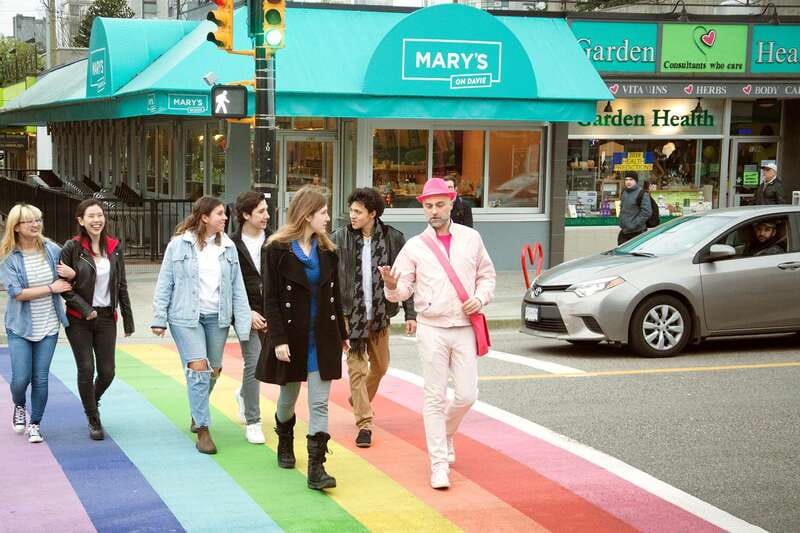
- Glenn Tkach as your guide, with a storytelling style that keeps the walk moving and the facts clear
- A real West End route, starting near Downtown and ending right in the Davie Street action
- Stop-by-stop LGBTQ2+ history, from early Pride roots to later HIV/AIDS-era crises like the GRID moment
- Culture and activism in the same breath, including references to drag kings, gay ministers, and organizing
- A practical finish point, where you can grab a cocktail or a meal right after the tour
Meeting the Man in Pink on Burrard Street
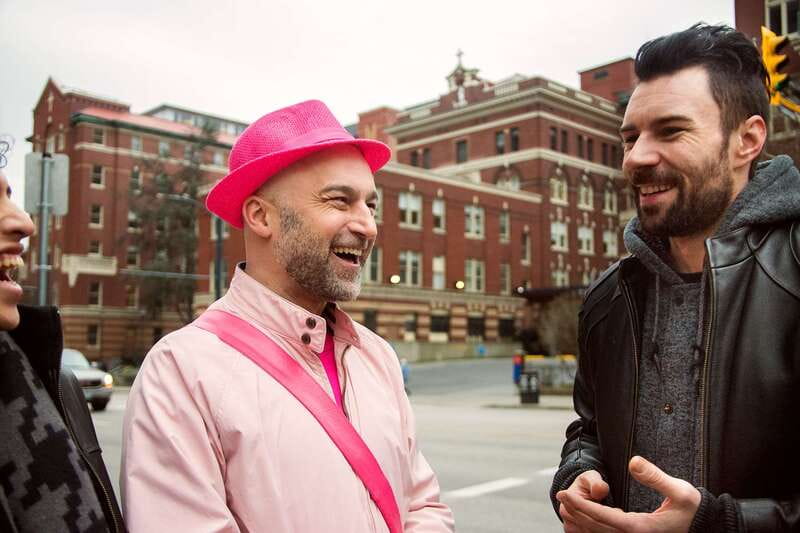
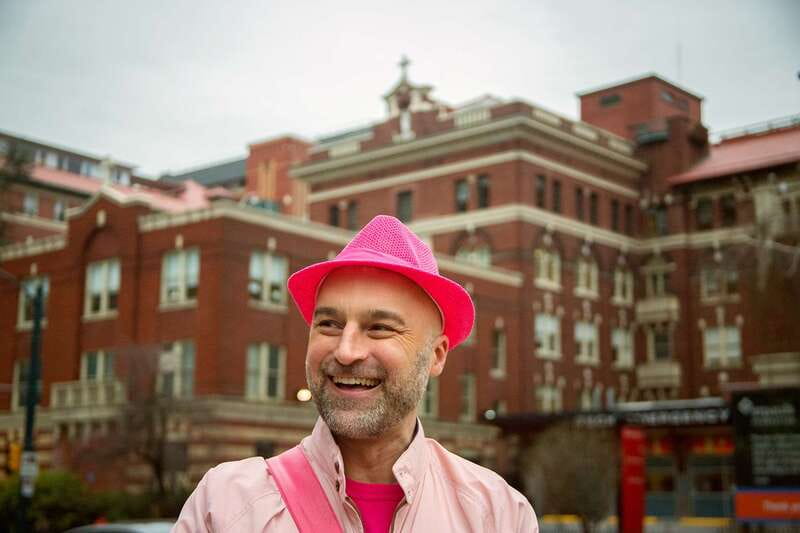
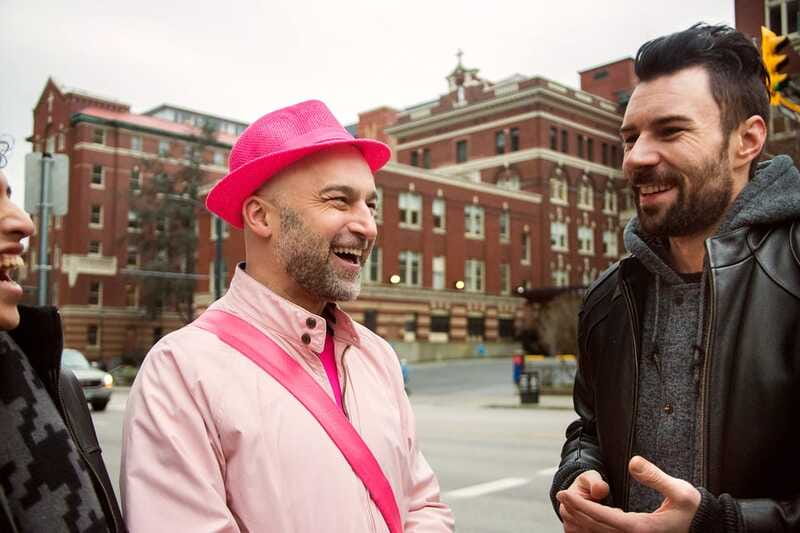
Your morning starts outside Trees Organic Coffee Shop at 930 Burrard St. That’s where you’ll meet your guide—known on the tour as the Man In Pink—before heading out on foot.
Glenn Tkach leads the walk. He’s not just a narrator; he’s described as a queer historian and professional storyteller, and that combination matters. You can feel it in how the tour is structured: ideas aren’t dumped in random order. Instead, the walk uses geography—Downtown to the West End, then into the Davie Street Village—to help you connect names, events, and turning points.
One practical point: bring comfortable shoes. This is a walking tour, and you’ll want your feet to do their job quietly.
You can also read our reviews of more historical tours in Vancouver
How a 2-hour walk becomes a clear story
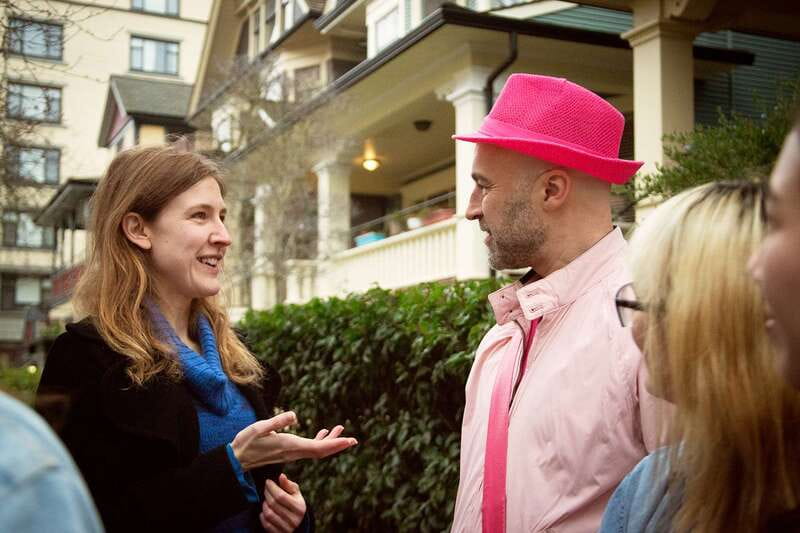
A lot of “history tours” turn into a slow stream of dates. This one doesn’t have to, because it’s built around movement and landmark moments. Over 2 hours, you’ll cover a path through the city where multiple LGBTQ2+ chapters overlap.
The route is designed to build momentum. You start by moving from the downtown area into the West End, then the tour converges toward Davie Street—Vancouver’s well-known queer district. That matters because the tour isn’t just “about” a place. It shows you how a place became what it is, block by block.
Expect a mix of themes:
- celebrations and Pride beginnings
- community leadership and public-facing visibility
- backlash, fear, and activism under pressure
- and later, health-crisis references that highlight urgency and organizing
Because it’s a walking tour, you’ll also get something you can’t get from reading: you’ll feel the distances between these moments, and it helps the story stick.
The Davie Street Village ending: where reflection meets a drink
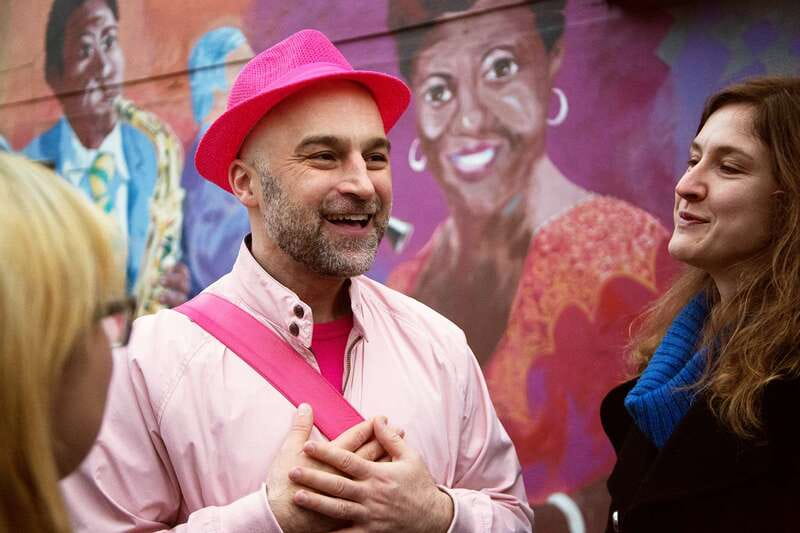
The tour finishes in the middle of the action in the Davie Street Village. That’s a smart choice. You don’t end on a quiet curb and wonder what to do next. You come out where the neighborhood’s bars and restaurants are, so you can keep the conversation going over food or a cocktail.
The tour doesn’t include drinks or food, so you’ll want to plan your timing. If you’re the type who needs a snack, consider grabbing something before you meet—especially on a busy day in Vancouver—then treat the finish point like your reward.
If you’re curious about where you’ll walk, the Davies Street area is famous for its variety. The tour’s ending spot lets you transition from history into living culture without any awkward gap.
Stop-to-stop: the places that give the story its spine
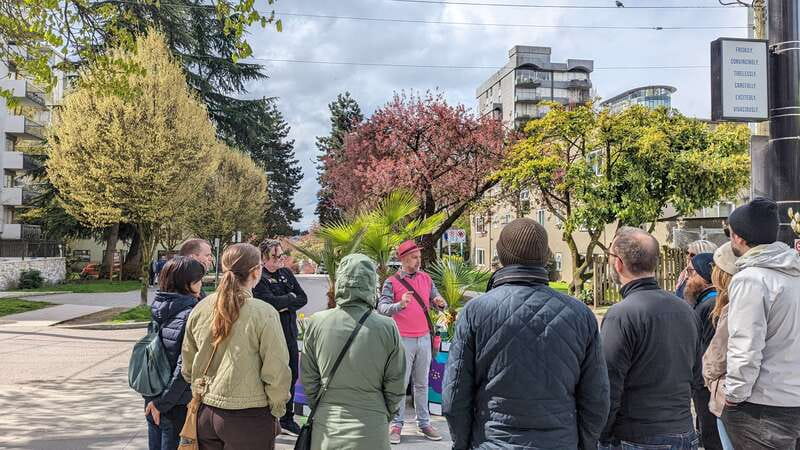
This walk is built around specific Vancouver locations, and each one works like a chapter marker. Here are the key “anchors” you’ll run into, and why they matter.
Davie Street’s Gay Village context
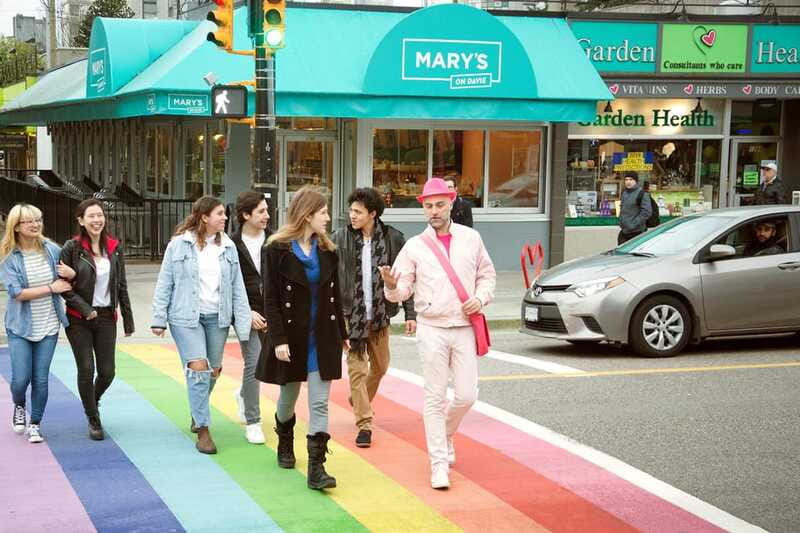
The centerpiece is the Gay Village on Davie Street, and that’s more than a sightseeing target. It’s where you can see how community spaces evolve and endure. By the time you reach Davie Street, you’ll have already heard stories that explain why the neighborhood developed the way it did.
This is one reason the tour feels uplifting rather than just heavy. Even when the topics turn difficult, the walk keeps pointing back toward community resilience.
Nelson Park: an urban oasis in the middle of the map
Along the route you’ll pause near Nelson Park, described as an urban oasis. That kind of stop helps you reset. It also adds meaning: community life isn’t only about crisis meetings or activism speeches. It’s also where people gather, breathe, and build normal daily rhythms.
Jim Deva Plaza: a Pride-shaped reference point
You’ll also connect the story to Jim Deva Plaza. This is where Vancouver’s Pride presence feels physical and current, so it’s a strong point for understanding how visibility and public celebration became part of the city’s LGBTQ2+ identity over time.
Quadra and the world of drag kings
The tour includes a reference to drag kings at the Quadra. That’s an important detail because it broadens the idea of LGBTQ2+ history beyond a single style of performance or a single type of public visibility.
It’s the kind of moment that also helps you understand how performance culture can be both entertainment and statement—using public space as a stage for identity.
The United Church and gay ministers
Another specific reference is gay ministers at the United Church. When a tour includes faith-based community leadership, it widens what you might expect from LGBTQ2+ history. It signals that people weren’t only organizing outside institutions. Some were pushing for change from within, too.
That’s part of why I like tours that balance social and institutional stories. You come away with a fuller sense of how change happened.
The heavier chapters: courage, backlash, and real urgency
The tour isn’t all celebration. It also brings you into the struggles and tactics of survival. From what you’ll hear, key themes include fight-back energy during hard times and the way community knowledge spread when the stakes were high.
You’ll come across references to:
- Patient Zero
- the GRID crisis
- and a transgender campaigner connected to exposing what’s described as the biggest crime in Vancouver history
A practical way to approach these moments: don’t rush past the emotion. These are not just named events. They’re signals of how dangerous it was to be openly queer, and how urgently people had to respond—emotionally, medically, and politically.
Patient Zero and GRID: why those names matter
The mention of Patient Zero and the GRID crisis places later LGBTQ2+ history in the context of the HIV/AIDS era. Even if you know the basics, hearing these references in the middle of Vancouver locations helps you grasp a simple point: public health crises reshape communities fast. They change how people move through the world and how they advocate for safety.
This tour uses those references as turning points, the way good storytelling uses a scene change. You’ll feel the shift.
Early Pride roots, Imperial Court coronations, and public organizing
Before you get to the modern Davie Street village vibe, the tour points you toward earlier public LGBTQ2+ visibility. One highlight is the mention of Vancouver’s earliest Pride parade.
You’ll also hear about Imperial Court coronations. That’s a detail I love because it shows community life wasn’t limited to protests. Ceremonies, public roles, and organized pageantry were part of LGBTQ2+ social structure, and that kind of visibility has consequences—people take notice when identity becomes organized and seen.
Another thread includes bookstore bombings. That’s a reminder that public spaces connected to LGBTQ2+ community could face violent backlash. Hearing that alongside Pride-era references gives you a sharper picture: joy and danger weren’t separated into different centuries. They overlapped.
Pacing and tone: warmth without losing the facts
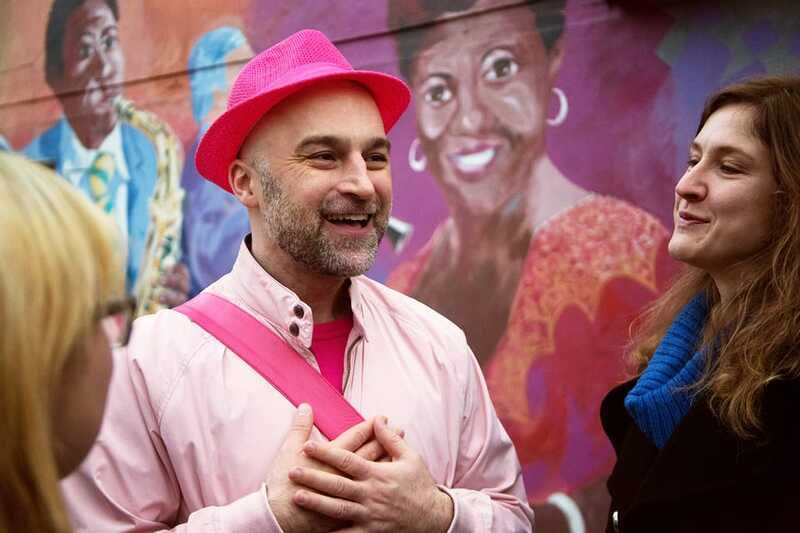
A big reason this tour earns such strong marks is the way Glenn’s storytelling is described: it’s well-paced and structured, warm and welcoming, and emotionally honest without turning into doom.
You’ll notice the tour isn’t trying to be a textbook. It’s using stories tied to the city, and the tone helps you follow what can otherwise be overwhelming. The result feels both informative and human—more like a conversation with someone who knows the neighborhood than a lecture.
Also, because the tour is adult-focused, the tone makes room for mature subject matter. If you’re comfortable with that, you’ll likely find the stories land better.
What it costs (and why it’s fair for what you get)
The price is $28 per person for 2 hours. For a walking tour with a local expert and a specific, place-based LGBTQ2+ narrative, that feels like solid value.
Here’s what you’re paying for:
- an expert guide, Glenn Tkach
- guided storytelling in English
- a structured route with multiple named locations
- and context that connects earlier events to the neighborhood you’re standing in
You’re not paying extra for food or transportation. That’s a good thing, because you can control your own meal plans and keep the walk centered on the story.
What to wear and how to plan your day
This tour operates rain or shine, so you’ll want layers. Vancouver weather can change quickly, and you’ll be outside the whole time.
Bring:
- comfortable shoes
- weather-appropriate clothing (think a rain layer and a warm top if needed)
Plan your schedule with the finish point in mind. Since you end right around Davie Street’s bar and restaurant area, it’s a great setup for a post-tour drink or meal. Just remember the tour itself doesn’t include food or drinks.
Who should book this tour
This is a strong fit if you want:
- a walking history that uses real locations, not generic “museum facts”
- a guided perspective from a queer historian and storyteller
- a balance of Pride moments and harder chapters like the GRID crisis and public backlash
It may be less ideal if you want only light entertainment or you’re not comfortable with adult themes.
Should you book this Vancouver LGBTQ2+ History Tour?
If you’re visiting Vancouver and you want to understand the West End beyond the usual nightlife map, I’d book it. The route-to-story connection is the point: you learn why places feel the way they do, and you do it with a guide who can tell the story in a way that stays clear and human.
I’d only skip or postpone if you’re bringing children who aren’t comfortable with mature themes. Otherwise, this is one of the best ways to get a meaningful sense of LGBTQ2+ Vancouver in just 2 hours, at a price that doesn’t feel like a stretch.
FAQ
Where do I meet the guide?
Meet outside Trees Organic Coffee Shop at 930 Burrard St.
How long is the tour?
The tour lasts 2 hours.
How much does it cost?
It costs $28 per person.
Is the tour in English, and is it wheelchair accessible?
Yes, the guided tour is in English, and it is wheelchair accessible.
Are food and drinks included?
No, food and drinks are not included.
Is the tour suitable for kids?
It’s designed for adult audiences and includes references to adult themes. The local partner recommends ages 14+, and children aged 10+ can attend if their parents are comfortable with them hearing mature subject matter. It is not suitable for children under 10.