REVIEW · ACCRA
7-Day Private Cultural and Heritage Tour in Ghana
Book on Viator →Operated by Timeh Tours · Bookable on Viator
Ghana in one week, with real people guiding. This private cultural and heritage tour in Accra and beyond pairs a certified guide with an air-conditioned ride and built-in entrance fees, so you spend less time figuring it out and more time seeing what matters. I like that the week starts with an airport meet-up, including an AKWAABA welcome refreshment, plus (if timing allows) a quick Accra orientation.
Two things I really like: the trip includes a comfortable, climate-friendly vehicle and daily structure that keeps moving without feeling rushed. I also like the hands-on culture stops, like Kente weaving in the Ashanti area and Adinkra stamping in Ntonso, plus craft watching at bead and carving workshops.
One consideration: you’ll cover a lot of ground and do some walking and active moments, so plan for a moderate fitness level, and expect some experiences to have optional add-on fees.
In This Review
- Quick Hits
- Arriving in Accra: AKWAABA Welcome and Fast Getting-Oriented
- Accra Essentials: Kwame Nkrumah Memorial and Creative City Stops
- Tip for Oxford Street
- Aburi Botanical Gardens and Atimpoku Crafts: A Cooler Pace East of Accra
- Volta River Day: Beads, Adomi Bridge, and Optional Water Time
- Practical Consideration
- Ashanti Kingdom Craft Stops: Kente Weaving, Naming Ceremony Options, and Ntonso Adinkra
- Kumasi Museums and Kejetia Market: Palace Stories and a Shopping Workday
- Food Note
- Cape Coast: Slave History at Assin Manso and Cape Coast Castle
- How to Make This Day Easier
- Kakum National Park Canopy Walk and Mankessim Shrines: Ending with Nature and Coastal Culture
- Price and Value: What $1,998.95 Buys You (and What You Still Need)
- A simple budget approach
- Who This Tour Fits Best (and Who Might Want a Different Pace)
- Should You Book This 7-Day Ghana Heritage Tour?
- FAQ
- What does the price include on this tour?
- Is airport pickup and drop-off included?
- Is this a private tour?
- Are entrance fees included?
- What meals are included?
- Are international flights included?
- What level of fitness do I need?
- Is there a weather dependency?
- Can I cancel for a full refund?
- Is a mobile ticket used?
Quick Hits
- Airport meet-up with AKWAABA welcome: you’re met on arrival and whisked into the tour rhythm fast.
- Hands-on Ashanti crafts: Kente weaving you can watch, Adinkra stamping you can do, and carving shops for eye candy.
- Meaningful Cape Coast history: Cape Coast Castle plus an optional Door of Return ceremony and optional cultural performance.
- Kakum canopy walkway: a top Ghana nature stop with birdwatching possibilities.
- Private format for your group: only your party joins, so the guide can adjust pacing and questions.
Arriving in Accra: AKWAABA Welcome and Fast Getting-Oriented
Your first day begins at Kotoka International Airport, with a pre-arranged meet-up time. From there, you’re taken in an air-conditioned vehicle to start your Ghana week with an AKWAABA welcome refreshment. If you have time, you’ll also get a quick city orientation to help you learn the “shape” of Accra before heading to your hotel.
This is a smart start because Accra traffic and heat can hit hard when you’re jet-lagged. A smooth transfer plus a local guide right away usually means you can settle faster, then start exploring with better confidence later in the trip. Also, hotel stays are included, so you’re not hunting for lodging after a long day of travel.
You can also read our reviews of more private tours in Accra

Accra Essentials: Kwame Nkrumah Memorial and Creative City Stops
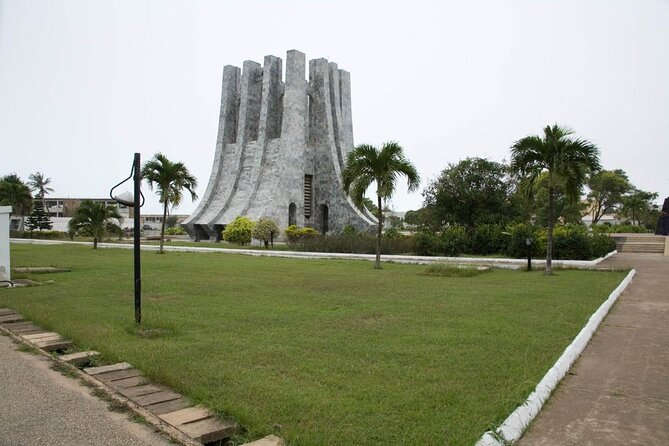
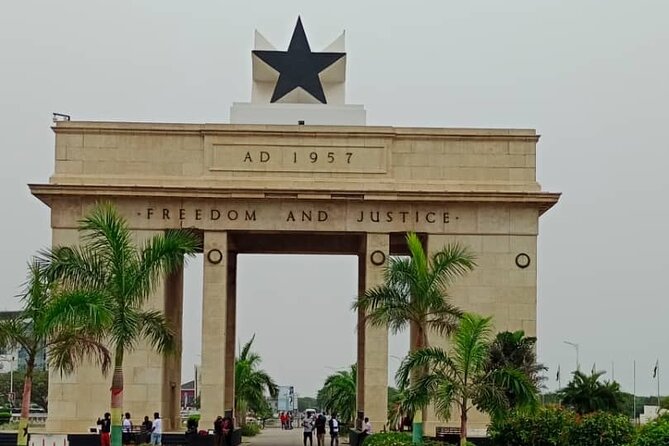
In Accra, the tour leans into Ghana’s independence story with a stop at the Kwame Nkrumah Memorial Park. You’ll see the Kwame Nkrumah Monument and Independence Square, which are the kind of places where you can connect the names from textbooks to real public space and national symbolism.
Later, you shift to more creative and cultural Accra. The plan includes time at an Arts Center where you can shop and (if you want) take drumming lessons. You also visit the W.E.B. Du Bois Center, a strong cultural-history stop in the city.
Then there’s Oxford Street, the easy “tonight Accra” option. It’s more about atmosphere than must-see exhibits, and you’ll be free to check out nightlife at your own expense. If you’re tired, you can skip it. If you love people-watching and lively streets after dark, you’ll probably enjoy that reset after a day of museums.
Tip for Oxford Street
Bring small cash for snacks and a phone-friendly plan for meeting your driver back at the end of the night. The guide and vehicle make this simple, but you still want to move on your own schedule there.
Aburi Botanical Gardens and Atimpoku Crafts: A Cooler Pace East of Accra
The next big shift moves you away from the capital to the Aburi area and the Adomi/Volta River direction. You start with the Aburi Botanical Gardens, which is a good change of pace from the city. If you want a little action, you can rent bicycles for an easy ride through the grounds.
On the way, there’s a stop at a craft market in the Aburi/Atimpoku area. This is where you can do your first souvenir shopping without the pressure of major city crowds. If you prefer buying directly from makers rather than from random stalls, this kind of stop fits your travel style.
You’ll also notice the tour’s rhythm: you’re not only looking at places, you’re being routed through artisan areas, so the culture feels more lived-in and less like a checklist.
Volta River Day: Beads, Adomi Bridge, and Optional Water Time
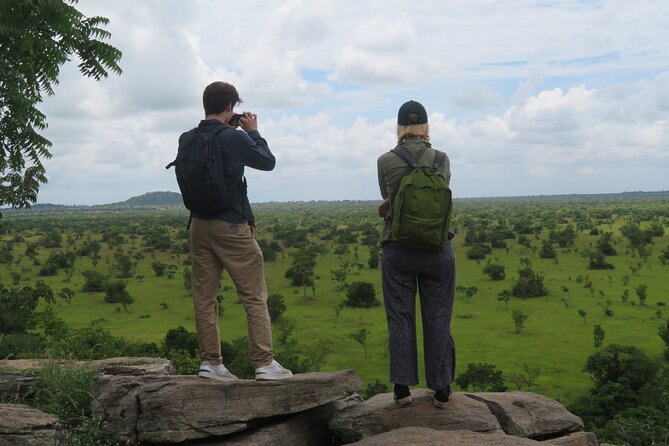
As the trip heads toward the Volta River, you get a bead workshop stop. The description here matters: these shops are known for a wide variety of handcrafted beads and the craftsmanship behind them. If you’re into design details, this can be a satisfying stop because beads often reflect both taste and technique, not just mass production.
The day’s highlight for scenery is the Adomi Bridge, described as Ghana’s only steel arch bridge. After that, you have water options. You can choose a canoe ride for a calmer feel, or opt for a motorboat ride for an extra fee. Both choices keep the river time flexible, depending on whether you want a slow view or a more energetic ride.
You’ll also end up at a nearby resort for the evening. That’s useful because the Volta days can be long in the car, and having a proper reset helps you enjoy the next cultural stop in better spirits.
You can also read our reviews of more historical tours in Accra

Practical Consideration
If you’re sensitive to motion, pick the canoe option. If you love speed and photos, choose the motorboat. Either way, bring sun protection because the river days can feel bright even when you’re not in direct beach heat.
Ashanti Kingdom Craft Stops: Kente Weaving, Naming Ceremony Options, and Ntonso Adinkra
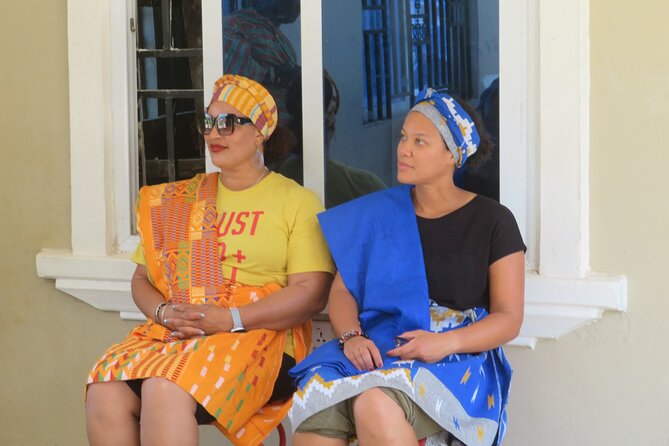
The tour’s Ashanti days are where the “heritage” part stops being abstract. You head to the Ashanti Region and start with Adanwomase, the heart of traditional Kente. Here, you’ll witness the Kente weaving process firsthand. Watching how patterns are made (and how much attention goes into weaving) can change how you see Kente cloth once you’re back home.
There’s also an optional Naming Ceremony at the Chief’s palace. If you want it, you’ll see drumming and dancing while people wear beautiful Kente cloth. If you’d rather keep the day focused on workshops and museum time, you can skip this extra add-on.
Then you go to Ntonso for Adinkra stamping. You’ll create your own textile strip by stamping Adinkra symbols, each with meanings tied to values and sayings. This is one of the best “do it with your hands” moments on the whole trip because you leave with something personal, not just photos.
Finally, you wrap this regional block with Ahwiaa carving shops. Wooden sculptures and traditional crafts here are easier to appreciate in person than online. Even if you don’t buy anything, it’s a good place to slow down and look closely.
Kumasi Museums and Kejetia Market: Palace Stories and a Shopping Workday
In Kumasi, you start with the Manhyia Palace Museum, the residence of the Ashanti King. This kind of site works best when your guide explains how royal tradition ties into governance, culture, and the broader Ghana story. It’s not only about artifacts. It’s about how power and identity showed up in everyday life.
Next is time at the National Cultural Center, including a stop to see the Komfo Anokye sword. That sword is an important symbol tied to Ashanti Kingdom history and folklore, and the surrounding exhibits help you place it in a wider cultural context.
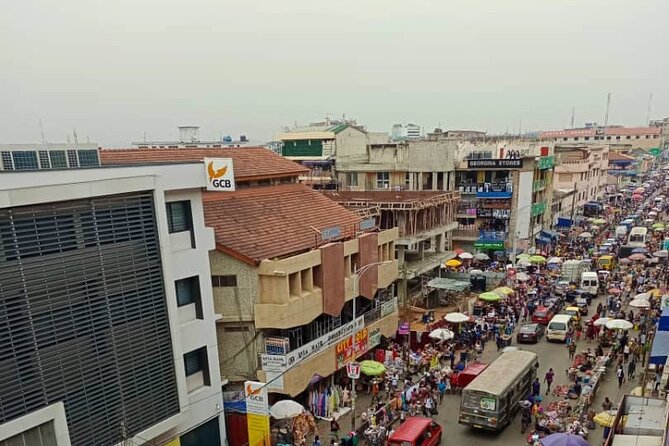
Then you hit Kejetia Market, described as West Africa’s largest outdoor market. This is your big shopping and people-watching hour. Expect a lot of activity and plenty of items to browse: crafts, local products, and fresh produce.
This is also a good day to pace your spending. Markets can tempt you into buying everything at once, so decide what you truly want before you get pulled into the “just one more booth” loop.
Food Note
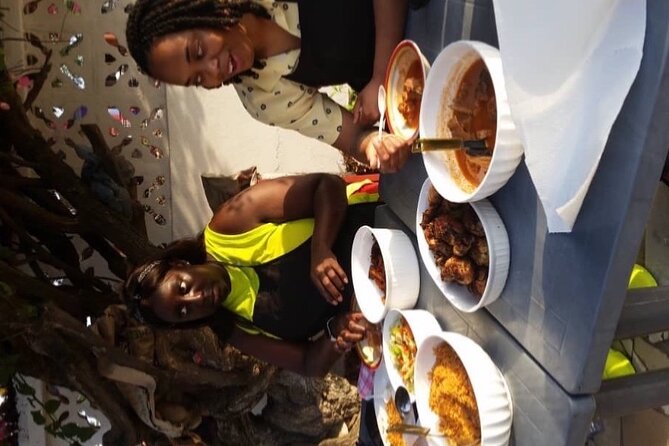
The tour includes breakfast, but other meals are not included. Many visitors plan to sample local dishes like jollof rice or soup while you’re out on your own during free time, especially near markets and busy streets.
Cape Coast: Slave History at Assin Manso and Cape Coast Castle
The Cape Coast leg shifts tone. You start with Assin Manso Ancestral Slave River Park, a memorial linked to the slave cemetery and market site connected to the transatlantic slave trade. You’ll learn the area’s significance as you explore. This stop is heavy, and it’s worth going in with a respectful mindset and some patience for emotions.
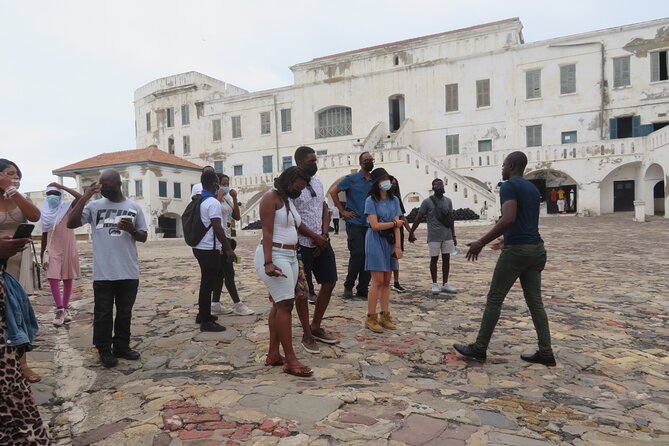
Then you go to Cape Coast Castle, including the former slave dungeon. This is history you can’t “browse past.” It’s the kind of place that asks for quiet attention and time to take in what’s in front of you.
There are optional add-ons here too:
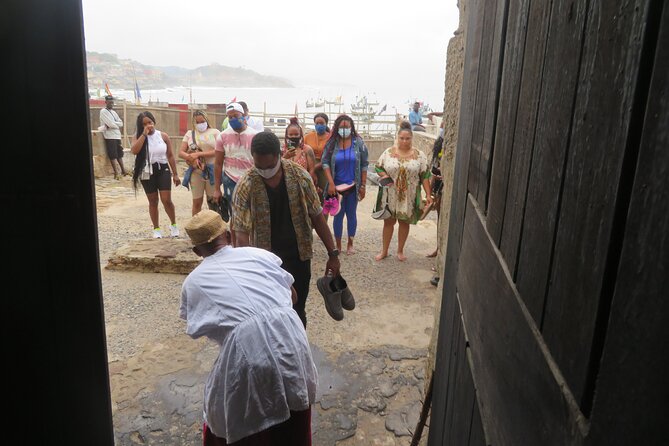
- You can participate in the Door of Return ceremony for an extra fee.
- There’s also an evening cultural performance available for an additional cost.
If you choose the performance, you can join the dancing and drumming on stage. It’s an intense contrast to the dungeon, and that contrast is part of what makes it memorable for many people: the story doesn’t end at loss.
How to Make This Day Easier
Wear comfortable shoes and plan for time to slow down inside. You’ll likely want a moment after each major section to regroup before moving on.
Kakum National Park Canopy Walk and Mankessim Shrines: Ending with Nature and Coastal Culture
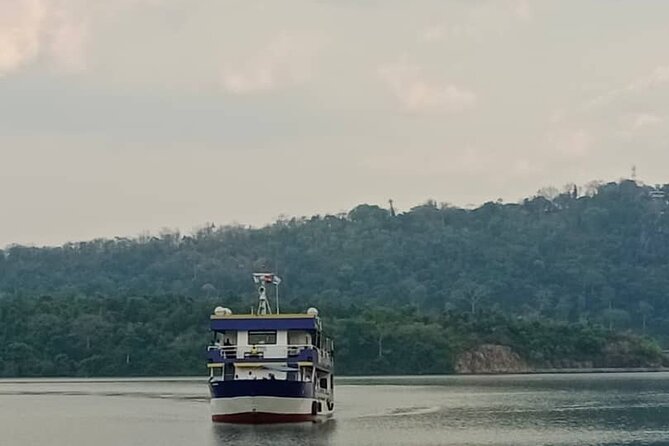
Your final tourism day includes Kakum National Park, one of Ghana’s most popular attractions. You’ll do the famous canopy walkway through tropical forest. It’s also a top birdwatching destination, so if you like spotting birds, you’ll have a real reason to stay alert beyond just the view.
Afterward, you head to Mankessim for a stop at a Posuban shrine. The description notes that only a few remaining Posuban shrines are left in the region, which gives this stop a sense of rarity. It’s a calmer ending before your trip back toward Accra.
Then the week closes with the return to Accra and a drop-off at Kotoka International Airport, timed so you’re delivered about two hours before your flight.
Price and Value: What $1,998.95 Buys You (and What You Still Need)
At $1,998.95 per person, this is not a budget backpacking trip. It is priced like a private, guided experience that covers the heavy-lift logistics: air-conditioned transport, included accommodations, a certified tour guide, and entrance fees.
That’s the key value math here:
- Transportation + lodging + entrances are built into the price.
- Breakfast is included for 6 days.
- You also get 24/7 office support, which matters when plans change.
What’s not in the price is equally important. You’ll need to budget for:
- drinks (alcoholic and non-alcoholic),
- guest meals,
- international flights,
- travel insurance and immunizations (not included),
- and optional add-ons (motorboat ride, Naming Ceremony, Door of Return ceremony, evening cultural performance).
Also consider that optional activities are where cost can rise. If you’re aiming to keep spending predictable, decide early which extras you truly want and which ones you can skip.
A simple budget approach
Set aside cash for meals and drinks every day you’re on your own, plus a separate buffer for the optional experiences you might choose at the sites.
Who This Tour Fits Best (and Who Might Want a Different Pace)
This tour fits you if you want a guided week that blends big Ghana landmarks with hands-on cultural work. It’s also a good match if you travel as a couple or solo, since the private format means you’re not squeezed into a crowd or stuck waiting for other people.
You should also be comfortable with a moderate activity level. The canopy walkway and long car days mean you’ll feel the week more than if you were doing a slower city-only plan. If you have mobility limits, you might need to confirm how much walking is expected day to day.
Finally, if you want cultural context delivered by a guide, this works well. Several guides connected to this company have been named in past experiences, including Timothy Dadgie, JoJo, Eric, Adams, and Mike Amuzu, and that variety suggests you’ll likely get interpretation, not just driving.
Should You Book This 7-Day Ghana Heritage Tour?
If you’re looking for a one-week Ghana experience that mixes independence landmarks, craft-making, and the Cape Coast history you came for, this is a strong choice. The private structure, guide support, included entrances, and air-conditioned transport help it feel smooth, even when the content gets intense.
I’d book it if you:
- want hands-on culture stops like Kente weaving and Adinkra stamping,
- want the Cape Coast sites with optional ceremonies and performance if you choose,
- and you’re okay with moderate walking and long travel days.
I’d think twice if you want a totally relaxed pace with minimal driving and no structured museum time. This week is designed to keep moving so you see a lot. That’s the point.
FAQ
What does the price include on this tour?
The tour price includes an air-conditioned vehicle, accommodations, a certified tour guide, 24/7 office support, guide/driver meals and accommodation, entrance fees, and breakfast for 6 days.
Is airport pickup and drop-off included?
Yes. You’re greeted at Kotoka International Airport at a pre-arranged time, and the tour also includes drop-off at the airport or your designated drop-off location.
Is this a private tour?
Yes. It’s a private tour/activity, and only your group participates.
Are entrance fees included?
Yes. Entrance fees are listed as included, and many stops also note ticket admission as included or free.
What meals are included?
Breakfast is included for 6 days. Other meals for guests are not included.
Are international flights included?
No. International air flights are not included.
What level of fitness do I need?
The tour notes that travelers should have a moderate physical fitness level.
Is there a weather dependency?
Yes. The experience requires good weather. If canceled due to poor weather, you’ll be offered a different date or a full refund.
Can I cancel for a full refund?
Free cancellation is offered, and you can cancel up to 24 hours in advance for a full refund. If you cancel less than 24 hours before the experience starts, no refund is available.
Is a mobile ticket used?
Yes, the tour includes a mobile ticket.