REVIEW · SALERNO
Walking Tour “Ancient & modern Salerno”
Book on Viator →Operated by Alessia Tours · Bookable on Viator
Salerno hides history in plain sight. This 2-hour walking tour stitches ancient and modern Salerno into one easy loop, guided by a local licensed leader. I like how the route isn’t just a list of landmarks, but a way to read the city like a book.
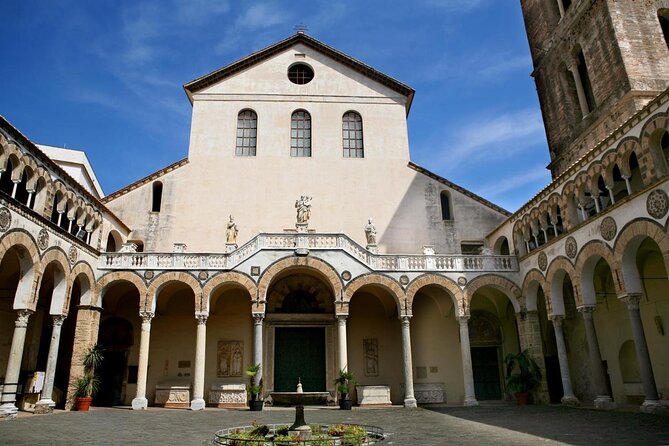
I especially enjoy the stop at the Cathedral of San Matteo area, where you can connect architecture to what people believed and built over time. The best moments are the ones you’d normally skip: small structural quirks and “wait, how did that get there?” details.
One thing to plan for: the schedule is weather- and time-sensitive. If your group needs extra time (or the day runs late), you might not catch every planned stop.
In This Review
- Key highlights
- Ancient and Modern Salerno: Why This Walk Works
- Price and Value: Paying $54.31 for Two Hours of Local Direction
- Your Starting Point at Fontana Piazza Flavio Gioia
- How the Guide Turns Salerno Into a Story (Not a Checklist)
- The Historical Center Walk: What to Watch For
- The Cathedral of San Matteo Stop: The 5€ Part You Should Not Skip
- Museum Downstairs: Why That Extra Room Makes the Tour Feel Worth It
- Old Meets New by the Sea and in Daily Life
- Pacing, Group Size, and the One Drawback to Remember
- Weather Matters: A Two-Hour Walk Is Conditional
- Who This Tour Suits Best
- Practical Tips to Get the Most From Your 2 Hours
- Should You Book Ancient & Modern Salerno?
- FAQ
- How long is the Ancient & modern Salerno walking tour?
- Is the tour offered in English?
- What’s included in the tour price?
- Is there an admission fee for the Cathedral of San Matteo?
- Where do you meet for the tour?
- What is the maximum group size?
- What happens if the weather is bad or I need to cancel?
Key highlights
- Local narration from Alessia (and sometimes Arianna), with a strong focus on what makes Salerno feel like Salerno
- Cathedral of San Matteo stop, including the museum area downstairs in many cases
- Old and new side by side, with visible evidence of older structures built into newer spaces
- Small-group feel with a maximum of 30 people
- Easy walking pace, but you should expect a few stairs and uneven cobblestones
Ancient and Modern Salerno: Why This Walk Works
Salerno is the kind of city where the past doesn’t sit behind glass. It’s in the walls, the street angles, and the way newer buildings sometimes “wrap around” older parts. This tour is built for that exact feeling: you get a guided storyline, not just photos.
You’ll cover both sides of the city’s personality. The ancient bits help you understand how Salerno grew and what it valued. The modern parts show how the city lives now, with daily rhythms that make the history feel real.
I also like the “local eyes” approach. Guides can point out the headline sights, but the real value is when they show you the tiny differences—things that explain why a doorway, courtyard, or façade looks the way it does.
Price and Value: Paying $54.31 for Two Hours of Local Direction
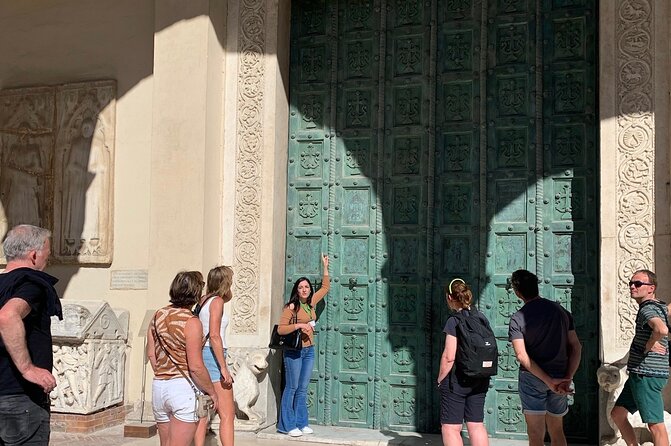
At $54.31 per person for about 2 hours, you’re paying for something simple and useful: a licensed guide who can connect the dots while you walk. In practical terms, that means less time figuring things out on your own and more time seeing the right places in the right order.
The pricing also matters because this isn’t a “ride-by van” tour. You’re walking in the historical center, where timing and route choices affect what you actually get to see. A guide helps you avoid the common trap of wandering without context.
Just budget one extra line item: the Cathedral of San Matteo admission fee is 5€. Many travelers still feel it’s worth it, because the cathedral area is often where the tour goes from “nice walk” to “wow, that’s why this place matters.”
Your Starting Point at Fontana Piazza Flavio Gioia
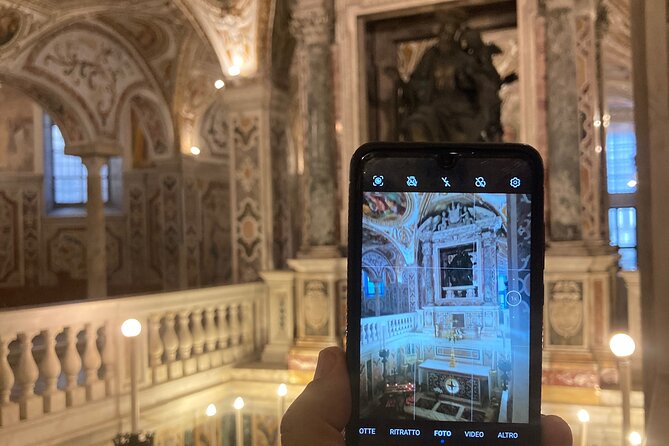
The tour starts at Fontana Piazza Flavio Gioia, Centro Storico (84122 Salerno SA). If you’re doing this on a first day in town, the start location is a big advantage: it puts you in the historical center right away.
Meeting at a fountain also makes life easier. You can orient quickly, and you don’t lose time hunting for a meeting spot. The tour ends back at the same point, so you’re not stuck figuring out how to get back afterward.
Tip: wear shoes you’d trust on cobblestones. Even when the walk is described as easy, the old-city surfaces and a few stairs can add up over two hours.
How the Guide Turns Salerno Into a Story (Not a Checklist)
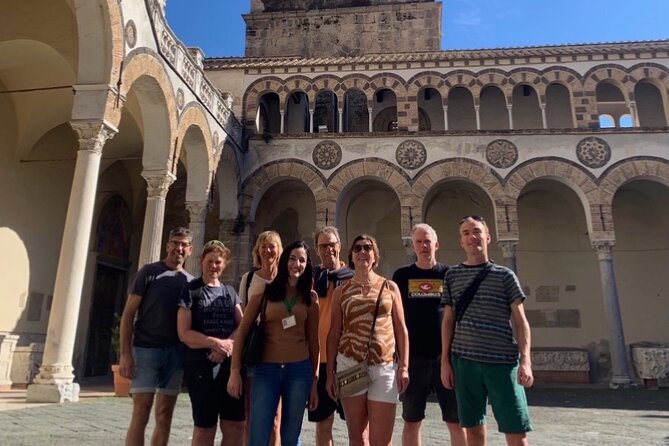
This is where the tour shines for most people. A local guide can interpret what you’re looking at, and that’s the difference between seeing buildings and understanding them. Alessia Tours leads the walk, and the guide names that show up in experiences include Alessia most often, with Arianna mentioned in at least one case.
What I like in the way this tour is described: the leader doesn’t only talk at you. The best tours encourage questions, and several experiences note that the guide was patient and welcoming about stopping to ask things. If you’re the type who likes to clarify details—architecture, timelines, or how Salerno changed—this kind of pacing can feel like a conversation.
You’ll also hear explanations that connect the city’s origins to more recent layers. That helps a lot in Salerno, because “ancient vs modern” is not a clean split. You’re seeing continuity, with different eras literally sharing the same spaces.
The Historical Center Walk: What to Watch For
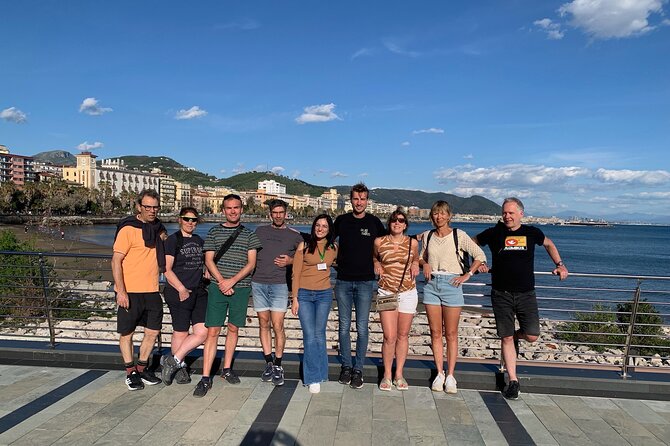
The core of the tour is a guided walk through the historical center, mixing typical sights with less obvious ones. This is the part that makes you feel like you’re moving through Salerno with someone who has favorite corners.
Here’s what to pay attention to as you go:
- Areas where older building shapes are visible inside newer structures
- Architectural details that look reused or “cut into” the street fabric
- How the street plan and courtyards hint at older urban life
One recurring theme from experiences is the thrill of seeing old building parts built right into newer construction. That can happen more often than you’d expect in southern Italian cities, where rebuilding didn’t always mean total demolition. The result is a layered look that becomes much easier to appreciate once a guide explains what you’re seeing.
The Cathedral of San Matteo Stop: The 5€ Part You Should Not Skip
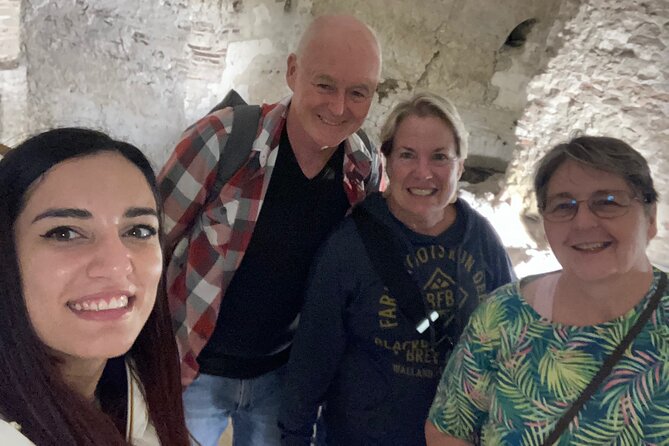
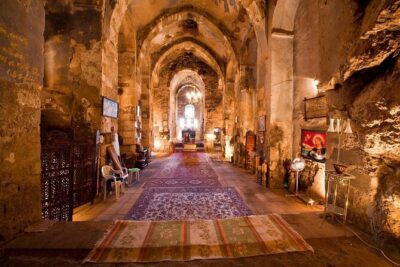
The cathedral area is a major highlight of this walk. The Cathedral of San Matteo (Duomo di Salerno) is where the city’s layers become tangible—stone, art, and meaning packed into one place.
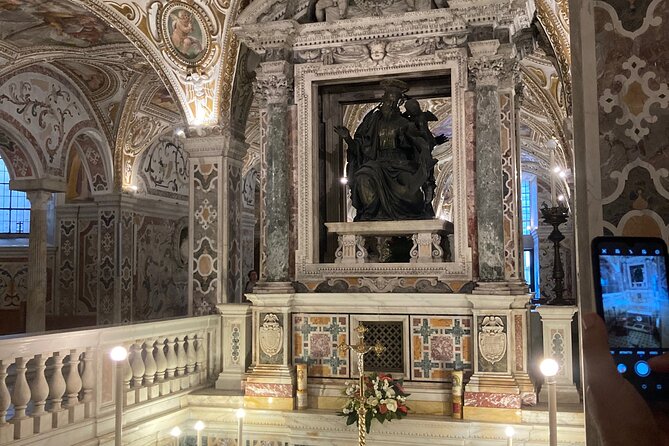
Yes, there’s a 5€ admission fee for the cathedral area. But the tour framing makes it feel like a “pay once, learn a lot” moment. In multiple experiences, the cathedral stop included access to the museum spaces downstairs, with art that stands out for its brightness and visual impact.
If you’re trying to decide whether to spend the extra 5€, think of it this way: you’re already paying for guided interpretation during the walk. The entrance fee buys you the physical setting where those explanations land.
Practical note: churches and museum areas have time rules. If you’re traveling in high season or during a busy time window, it can matter whether you’re early and ready to move when the guide calls the next segment.
Museum Downstairs: Why That Extra Room Makes the Tour Feel Worth It
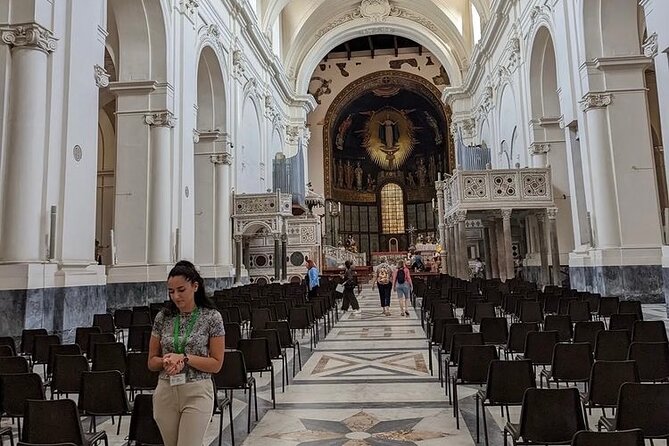
More than one experience singles out the museum area downstairs as a standout. That’s the kind of detail that doesn’t show up on most “quick photo” city walks.
When the museum stop works well, you get a break from streets while keeping the same theme: how Salerno’s layers survived and changed. You’re also in a setting designed for slower looking, so the guide’s narration can connect art and architecture to the story you’ve been hearing outside.
Even if you’re not a hardcore museum person, this is often the part where first-time visitors feel the most “satisfied.” It turns the tour into more than orientation.
Old Meets New by the Sea and in Daily Life
Even though the tour is centered on the historical core, some experiences mention reaching areas near the sea and blending old-city details with present-day Salerno. That matters because Salerno isn’t frozen in time. People still live, trade, and move through these streets.
The “ancient and modern” promise isn’t just a slogan. When you see how older structures sit beside newer life, the city feels believable. You can imagine daily rhythms across centuries, rather than treating history like a distant topic.
This is also why a guided tour can beat solo wandering early in your trip. You’ll make better sense of what you see later on your own, especially when you return to the same streets.
Pacing, Group Size, and the One Drawback to Remember
Most experiences rate the tour extremely highly, and a lot of that comes down to guide quality and the overall vibe—friendly, prepared, and on time. The group limit is 30 travelers, which is a number that usually keeps things manageable on foot.
Still, there’s a real consideration. One experience describes missing the thermal baths part of the route. The explanation given was that the tour slowed due to group members needing extra time and arriving after closing time for a stop.
So here’s the practical takeaway: if you want every planned sight, show up ready. Comfortable shoes help. Being flexible with pace helps more. And if you’re traveling with family members who need frequent pauses, plan to accept that this kind of timed walking loop may have fewer “extras” than a private tour would.
Weather Matters: A Two-Hour Walk Is Conditional
This experience requires good weather. If it’s canceled due to poor weather, you should expect an alternate date or a full refund.
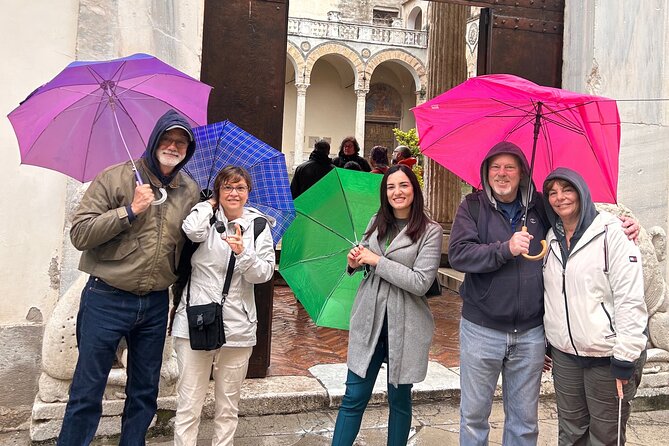
That doesn’t mean you should fear rain. It means you should pack smart. A light rain jacket and a small umbrella can save the day. Also, because this is an outdoor walk, footing matters—wet cobblestones can change how easy the “few stairs” actually feel.
If you’re visiting in shoulder season, this is exactly the kind of tour you can do early in your trip so you have backup days if weather changes.
Who This Tour Suits Best
This is a strong match if you:
- Want a first-day orientation with local context
- Care about how cities evolve rather than only about big monuments
- Prefer walking and asking questions while you go
- Like architecture and street-level details
It also fits older travelers reasonably well in many cases. One experience describes the walk as easy with just a few stairs. That said, old-city streets can be uneven, so mobility constraints should be discussed based on your comfort level with stairs and cobblestones.
If you’re traveling with teens or multigenerational groups, the guide style described in experiences—patient, friendly, and willing to explain—can make the tour work for mixed attention spans.
Practical Tips to Get the Most From Your 2 Hours
You only have about two hours, so small choices matter. Here are the moves that make the biggest difference:
- Arrive a few minutes early so you start together, not late in a chain reaction
- Bring a light layer in the morning and expect coastal breezes
- Keep water with you, especially if it’s warm
- If you have specific interests (art, architecture, Roman-era hints, sea views), say so early to help the guide aim stories toward you
- If you’re the type to ask lots of questions, great—just remember the tour is timed, so questions work best when you ask and then keep moving
Also, if the cathedral museum downstairs is important to you, treat the cathedral stop as a “main event.” Give yourself mental space to slow down there and actually look.
Should You Book Ancient & Modern Salerno?
If you want a quick, guided way to understand Salerno beyond postcards, I’d book it. The best reason is simple: this tour connects the city’s layers—ancient and modern—through real street details and a standout cathedral-area visit. Guides like Alessia (and sometimes Arianna) are repeatedly mentioned for making the walk feel thoughtful, not rushed.
Book it especially if:
- You’re only in Salerno for a short time
- You like learning why places look the way they do
- You want a structured route without locking yourself into a long day
Skip it or pick a flexible mindset if:
- You need a very slow pace every few minutes
- You’re traveling with people who move significantly slower than average
- You dislike time-based visits, since a timed route means some stops can shift if the group falls behind
Overall, this is good value for the money because you’re paying for direction, interpretation, and a meaningful cathedral-area experience—not just walking around.
FAQ
How long is the Ancient & modern Salerno walking tour?
It lasts about 2 hours.
Is the tour offered in English?
Yes, it’s offered in English.
What’s included in the tour price?
You get a guided walking tour with a licensed tour leader.
Is there an admission fee for the Cathedral of San Matteo?
Yes. The Cathedral of San Matteo has an admission fee of 5€ that is not included.
Where do you meet for the tour?
The meeting point is Fontana Piazza Flavio Gioia, Centro Storico, 84122 Salerno SA, Italy. The tour ends back at the same meeting point.
What is the maximum group size?
The tour has a maximum of 30 travelers.
What happens if the weather is bad or I need to cancel?
The tour requires good weather. If it’s canceled due to poor weather, you’ll be offered a different date or a full refund. You can also cancel for free up to 24 hours in advance for a full refund.