REVIEW · ROME
Colosseum & Ancient Rome Access with a Host
Book on Viator →Operated by THE BRIDGE TO ROME · Bookable on Viator
Colosseum lines can eat your day. This access plan pairs skip-the-line entry with a host at the meeting point and an audio guide on your own phone, so you can learn at your pace without carting rental gear around.
I especially like the freedom built into the format: you get a time slot to enter, then you’re free to pause, wander, and reset whenever you need.
You’ll also get a solid self-guided setup: a site map plus smartphone audio for the Colosseum, Roman Forum, and Palatine Hill. The only real drawback to plan around is that this is not a full guided tour inside the ruins; it’s host help at the start, then you’re mostly on your own with the audio (so phone signal and audio access matter).
In This Review
- Key things I’d bet on (before you book)
- What you’re really buying: three sites, one entry rhythm
- Skip-the-line Colosseum entry: where the savings show up
- Entering the Colosseum with phone audio (and no rental gear)
- Roman Forum: learn what made Rome tick
- Palatine Hill: the story behind the stones
- Meeting point realities at Piazza del Colosseo
- Price and value: is it worth $39.76?
- The important watch-outs (so you don’t lose time)
- Who should book this, and who should choose a different format?
- Should you book this Colosseum + Ancient Rome access tour?
- FAQ
- What’s included in the tour?
- Do I get arena floor or underground access?
- What do I need to bring for the Colosseum and Roman Forum?
- Is the audio guide provided with a device or headphones?
- Where do we meet, and when does it end?
- Is this a large group tour?
Key things I’d bet on (before you book)
- Skip-the-line access to the Colosseum to avoid the worst queue time
- On-your-phone audio guide (no need to return a device afterward)
- Three major sights in one go: Colosseum, Roman Forum, Palatine Hill
- Host assistance at the meeting point to get you through the first steps cleanly
- Small group size (max 12), which usually makes the start less chaotic
What you’re really buying: three sites, one entry rhythm
This is a Rome classic route, but the value here is how it’s paced. You’ll hit the big three in one outing: the Colosseum first, then the Roman Forum, and finally Palatine Hill. Each stop is about an hour, but Rome ruins don’t obey clocks. If you’re a slower walker, you’ll still feel like you have room to breathe, especially because the format supports break-and-go exploration.
The experience is built around independence. A host helps you get sorted at the start, then you’re guided by the audio on your smartphone and a map that helps you choose your path. That combo is ideal if you don’t want someone talking at you the whole time, but you still want context so the stones don’t feel like random stone piles.
You can also read our reviews of more tours and experiences in Rome.
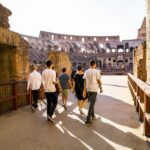
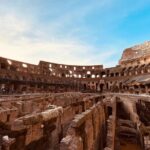
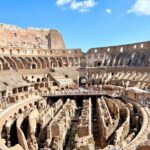
Skip-the-line Colosseum entry: where the savings show up
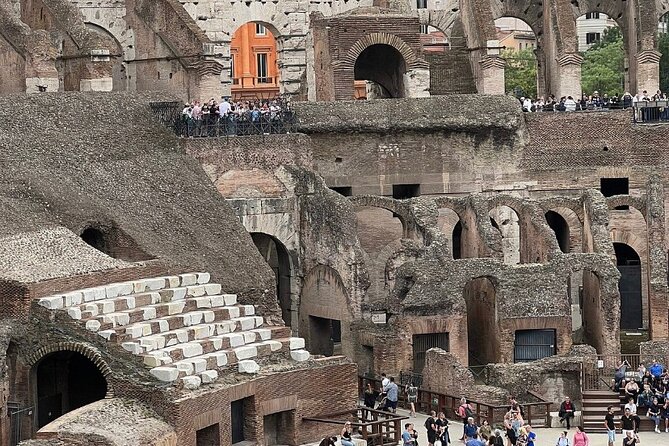
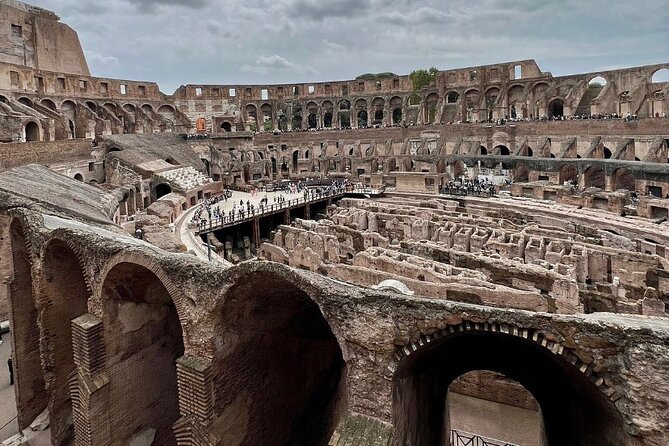
Skip-the-line is more than a buzzword in Rome. At the Colosseum, most of the pain is waiting in line, then waiting again at the checkpoint steps. Here, you’re set up with a Colosseum entrance ticket and a reservation fee, so you should be able to enter faster than people who show up hoping for the best.
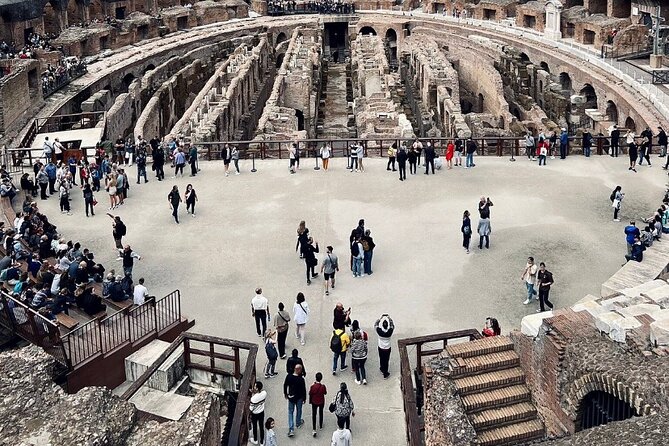
That also affects your day planning. When you control the time you spend inside, you’re less likely to feel rushed when you spot something you want to linger on—like an especially good viewpoint over the arena area, or a photo angle that takes longer than you planned.
One more practical note: arena floor and underground access aren’t included. If you’re dreaming about standing in the arena or seeing the underground passages, you’ll need a different ticket option than what’s covered here.
Entering the Colosseum with phone audio (and no rental gear)
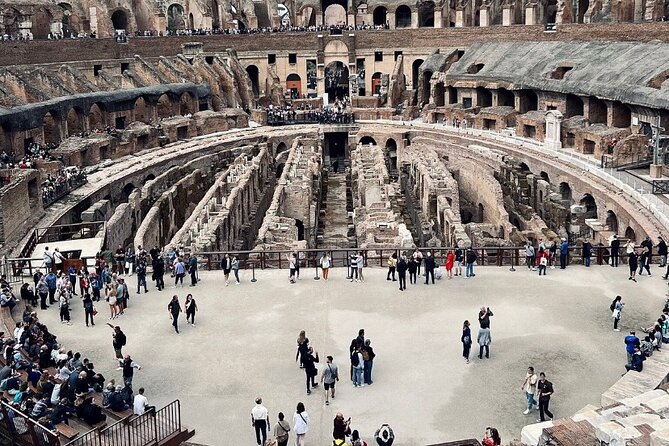
At the meeting point—Arch of Constantine, Piazza del Colosseo—you’ll have host assistance to get you moving. You’ll use your own phone for the audio guide, which is a big convenience win. No carrying a separate device, and no returning equipment at the end.
This also means you’ll want to prepare like a low-tech minimalist:
- Make sure your phone is charged.
- Have a way to access the audio right when you arrive.
- If you’re the kind of person who always travels with ear buds, bring them.
A couple of guide-style names popped up in the feedback—Mona, Giovanni, and Nuncia—which hints at consistent hosting across different dates. You won’t always meet the same person, but you can expect that the host role is to get you started and pointed the right way.
Roman Forum: learn what made Rome tick
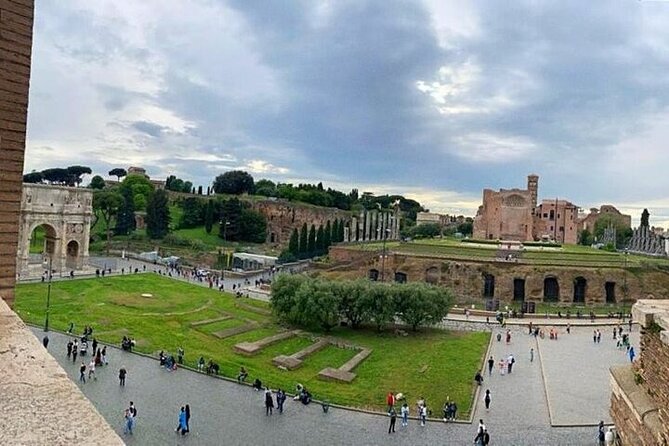
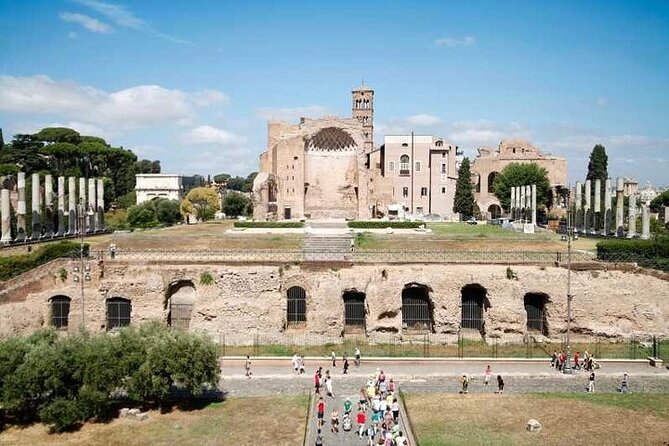
After the Colosseum, you’ll head to the Roman Forum, often described as the political and civic heart of ancient Rome. The audio and map approach here is actually a good fit. The Forum is full of fragments—columns, arches, and foundation lines—and it helps to have narration that explains what each space used to be.
You’ll see a mix of major civic spaces and street-level areas where life happened: temples, marketplaces, and imposing buildings that once signaled power. The biggest value of doing it self-guided is that you can slow down when something clicks—like when you finally realize how the layout connects.
A drawback to know in advance: the Forum is a maze. If you’re the type who gets stressed easily in crowds, you’ll still be fine, but use the map and don’t be afraid to double back. Rome rewards calm navigation.
Palatine Hill: the story behind the stones
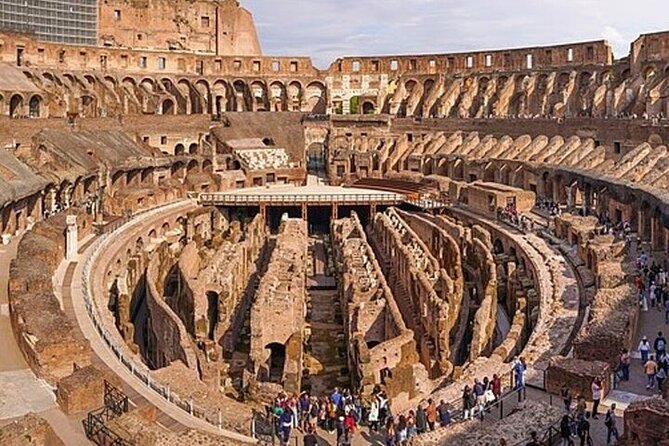
Then comes Palatine Hill, one of Rome’s most storied areas. It’s known as one of the seven hills and is tied to the origins and myth layers of the city. The audio guide helps you connect the dots, because Palatine can feel like a series of vantage points and ruins unless you have narration that explains what you’re looking at.
This is also the stop where you can turn your visit into a proper break. Palatine tends to give you more chances to pause, take photos, and just enjoy the view angles. Even in rain, the area can feel like you can take five without losing your place—especially if you plan to move section by section.
If you have energy for one last “aha” moment, Palatine is the place to choose it.

Meeting point realities at Piazza del Colosseo
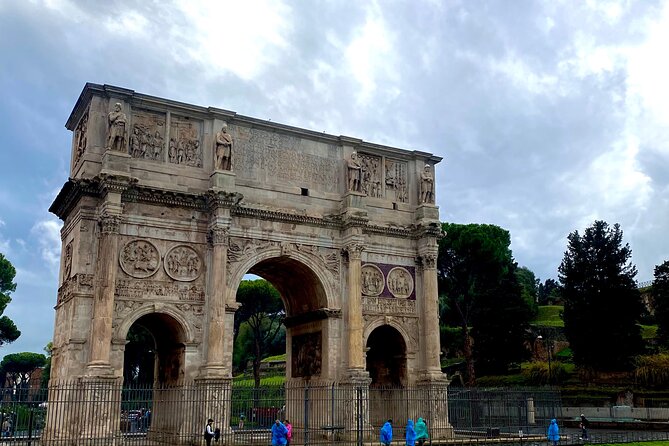
This tour starts at Arch of Constantine, Piazza del Colosseo, and it ends back there. That sounds simple on paper, but in real life that zone is crowded. One of the best tips I can give you is to arrive early enough to avoid the scramble.
Your start has a timing component: the ticket time matters, and you’ll want your head in the game when you show up. The host will assist you at the meeting point, but you’ll still need to be able to locate them quickly. Some feedback included useful communication details (like receiving a picture of where the host is standing), so pay attention to any message you receive after booking.
Also, plan your walking. You may need to move at a moderate pace between sites, and the overall day includes time in outdoor areas with uneven surfaces.
Price and value: is it worth $39.76?
At $39.76 per person, this can feel like a bargain compared to the cost of buying timed entry plus paying for interpretation. Here’s why the math works:
- The Colosseum ticket is included (listed as €18 per person, or €24 if arena access is included, but arena access is not included in this version).
- A reservation fee for the Colosseum is included (listed at €2 per person).
- The rest of what you pay covers the extra services: the host assistance at the meeting point, the audio guide, and the map plus access to selected areas.
So you’re not just purchasing admission. You’re purchasing less stress and more context for your time inside the sites. If you’ve ever felt annoyed at spending hours queued up and then only getting a glance at the highlights, skip-the-line plus audio can be worth it fast.
The important watch-outs (so you don’t lose time)
This is where I’d be most practical.
1) This depends on your phone working.
The audio guide is on your own phone. You may need cellular signal for the audio, and if your link doesn’t load, you lose the main value of the experience. If that sounds risky, plan for it: download anything you can beforehand when possible, and keep your phone battery topped up.
2) ID checks can matter.
You should expect that you’ll need a valid passport or ID document matching the full names provided at booking. Bring it. Even if you’ve visited the Colosseum before, don’t count on that experience being the same.
3) Expectations: host-led start, self-guided inside.
Some people book expecting a narrated walk through every corner. The structure here is different: a host helps you at the start, and after that you’re guided by audio. If you want a step-by-step spoken tour throughout the ruins, you’ll likely prefer a fully guided format.
4) Timing changes can happen.
Your entry time can shift, sometimes close to the start. Rome ticketing is complicated, and delays can affect what you can comfortably do next. If you have a second major booking right after, build in buffer time.
Who should book this, and who should choose a different format?
This tour style fits best if you:
- Like to wander at your own pace instead of following a fast group.
- Want meaning behind what you’re seeing, but you don’t need a live lecturer for every minute.
- Value skip-the-line entry and a low-friction start at the meeting point.
It may not be the best match if you:
- Get anxious without constant staff direction inside the sites.
- Are traveling with limited phone connectivity and don’t want to risk audio access.
- Want arena floor/underground access, since that isn’t included here.
If you’re a moderate walker and you can handle crowds, you’re the target audience.
Should you book this Colosseum + Ancient Rome access tour?
I’d book it if your top priorities are time saved and smart self-guiding. For the money, having timed entry to the Colosseum plus audio interpretation for the Colosseum, Roman Forum, and Palatine Hill is a strong deal—especially if you’re comfortable using your phone and you bring your ID.
I’d hold off if you’re the type who wants a full guided explanation nonstop, or if your phone situation is unreliable. In that case, the cost can feel unfair because the audio is the backbone of the experience.
If you’re flexible with your plans and you like the idea of taking breaks inside the ruins, this is a practical way to see three of Rome’s biggest hitters without feeling trapped in a crowd.
FAQ
What’s included in the tour?
You’ll get an audio guide, a site map, host assistance at the meeting point, and access to selected areas of Ancient Rome. The Colosseum entrance ticket is included, plus the Colosseum reservation fee.
Do I get arena floor or underground access?
No. Arena floor and Underground access are not included in this experience.
What do I need to bring for the Colosseum and Roman Forum?
Bring a valid passport or ID document that matches the full names provided at booking. Also note that you should have the audio working on your phone, so charge your device.
Is the audio guide provided with a device or headphones?
No. Device and headphones are not included, so you’ll be using your own phone for the audio.
Where do we meet, and when does it end?
You meet at Arch of Constantine, Piazza del Colosseo, 00184 Roma RM, Italy. The activity ends back at the meeting point.
Is this a large group tour?
No. The experience has a maximum of 12 travelers, and it’s offered in English.