REVIEW · MUMBAI
Mumbai: South Mumbai Heritage Walking Guided Tour
Book on GetYourGuide →Operated by Mumbai Dream Tours · Bookable on GetYourGuide
South Mumbai reads like a living textbook. You get a guided walk that links Old Mumbai architecture to the city’s colonial and everyday life, with stops that most people simply speed past. It’s a focused way to see landmark buildings and understand what they’re saying.
I especially like the strong mix of sights: Chhatrapati Shivaji Terminus (a UNESCO World Heritage Site) and the nearby institutional buildings around town. I also love that the tour leans into specific architectural details, not vague talking points—so you end up noticing things you would miss on your own.
The main catch is simple: it’s still a walking tour. If you’re sensitive to sun, heat, or long curb-to-curb strolling, plan smart—comfortable shoes and water help a lot.
In This Review
- Key points to know before you go
- Old Mumbai on Foot: Why This Walk Works
- Getting Your Bearings at Chhatrapati Shivaji Terminus
- Town Hall (Asiatic Society Library): Colonial Stone With a Reading-Room Vibe
- St. Thomas’ Cathedral: A 300-Year Landmark You’ll Feel Up Close
- Flora Fountain and the Art of Looking Sideways
- Marine Drive: The Sea View That Changes the Mood
- University of Mumbai and Bombay High Court: Where Power Looks Formal
- Kala Ghoda: The Art District Crescent You Can Walk Through Slowly
- Watson’s Hotel and Cast-Iron Mumbai
- Hotel Taj Mahal Palace and the Gateway of India Finish
- How the Guides Make or Break It
- Price Check: Why $28 Feels Fair
- Who Should Book This Walk (and Who Might Not)
- Should You Book Mumbai’s South Mumbai Heritage Walk?
- FAQ
- What does the Mumbai South Mumbai Heritage Walking Guided Tour cost?
- How long is the tour?
- Is the tour offered in English?
- Where does the tour take you?
- Which major UNESCO site is included?
- What are some of the included landmarks and buildings?
- Is Flora Fountain part of the walk?
- What’s special about Watson’s Hotel?
- Does the tour offer reserve and pay later?
- What is the cancellation policy?
Key points to know before you go
- UNESCO CSMT first, so the walk starts with a big, memorable anchor
- Cathedral + colonial institutions, giving you more than just monuments
- Architecture with purpose, guided by an organization founded in 1999
- Guides can personalize, including solo tours in at least some cases
- You’ll hit landmarks with photo power like Marine Drive and the Gateway area
Old Mumbai on Foot: Why This Walk Works
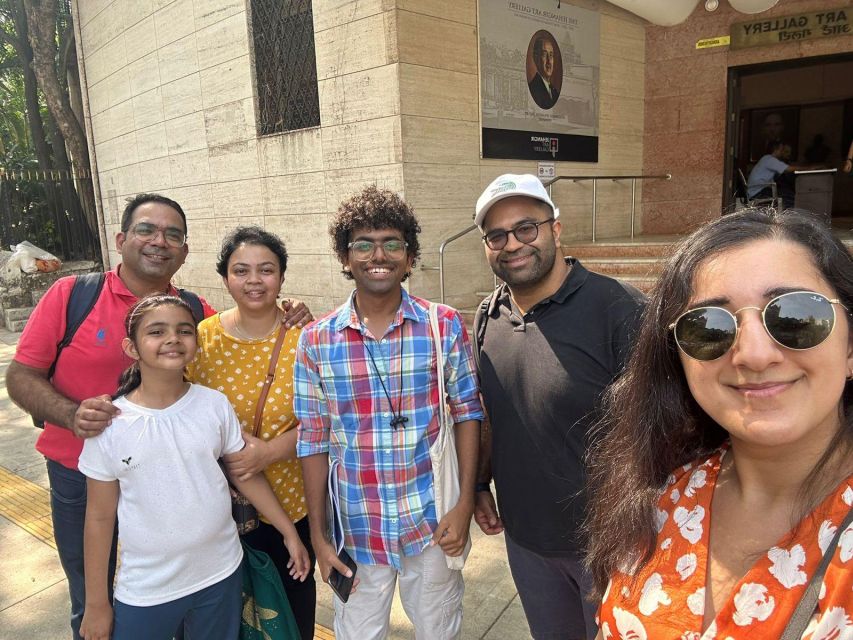
South Mumbai can feel like two things at once: glamorous viewpoints and streets packed with design decisions from centuries ago. This heritage walk turns that mix into a route you can follow, so the buildings stop being background and start acting like clues.
The best part is the approach. This isn’t only about where famous places are. It’s about how the city was shaped—planning elements, ornamental details, and changing social life that shows up in stone, brick, iron, and sea-facing promenades. The tour is sponsored by Mumbai Heritage Walks, founded in April 1999 by architects Abha Bahl and Brinda Gaitonde, with a clear goal: raise awareness of architecture and heritage monuments.
In real-world terms, you’re paying for interpretation. At $28 per person, the value comes from having someone connect dots across multiple stops in just a few hours—especially if it’s your first time in Mumbai.
You can also read our reviews of more walking tours in Mumbai


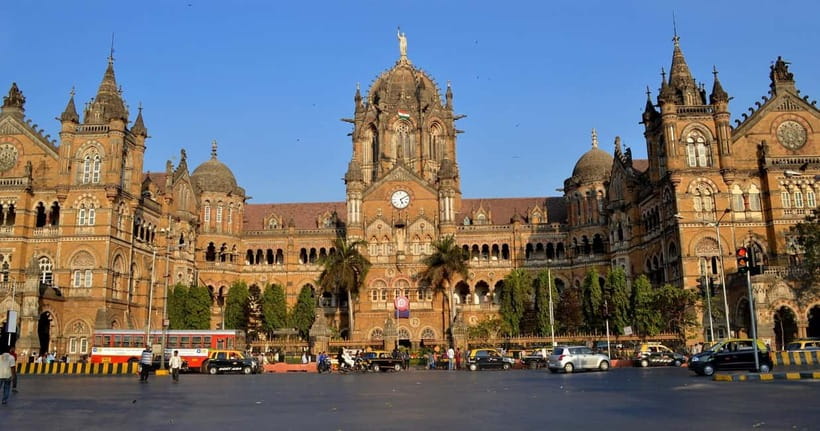
Getting Your Bearings at Chhatrapati Shivaji Terminus
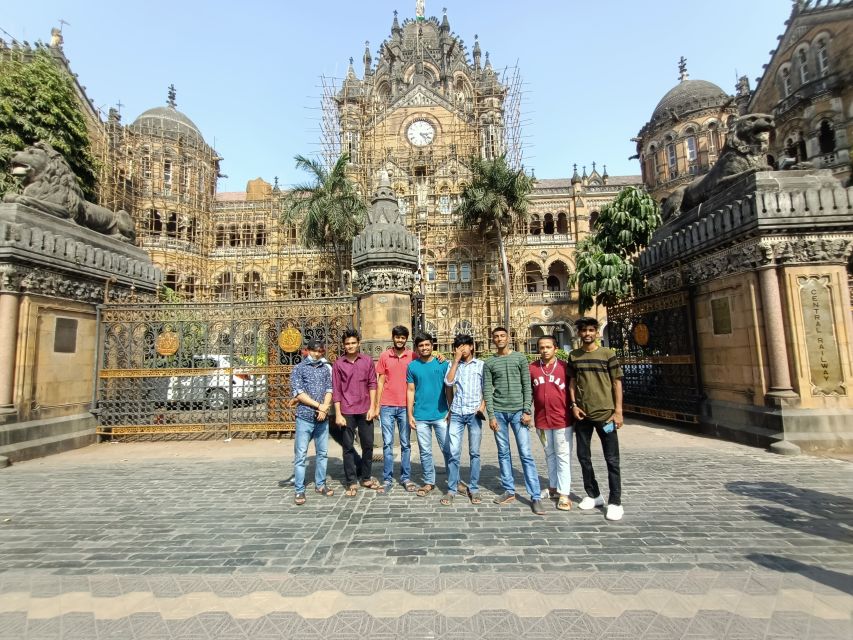
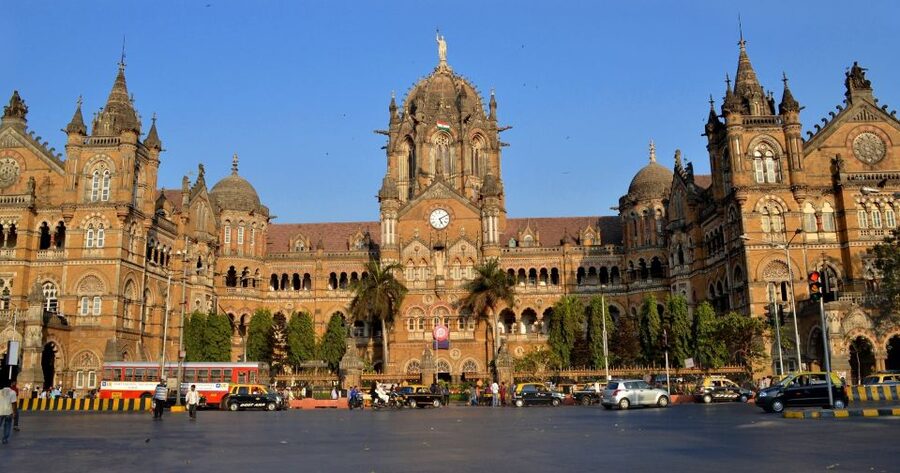
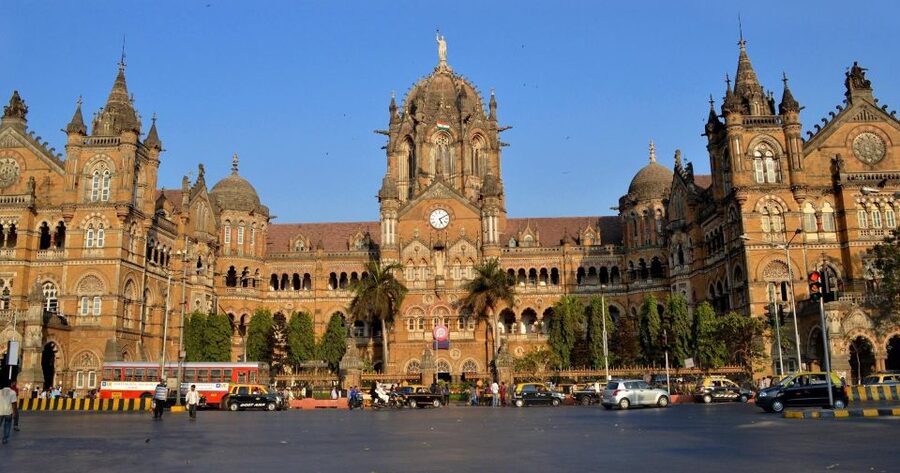
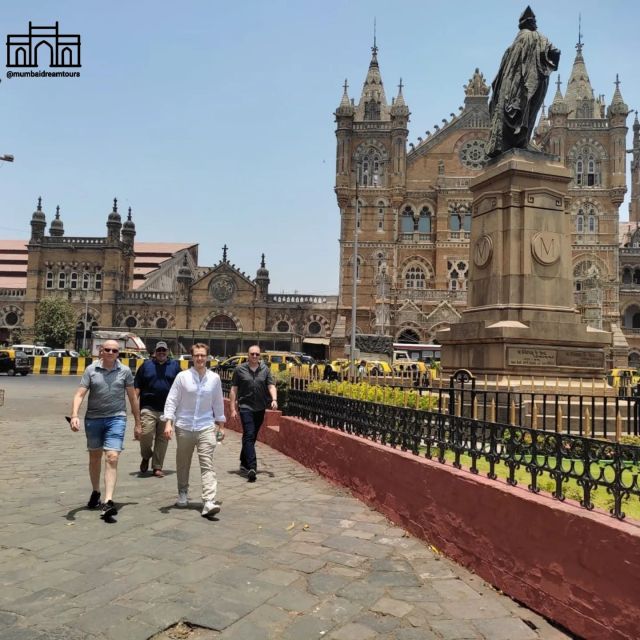
You start with Chhatrapati Shivaji Terminus, widely considered one of India’s most beautiful train stations—and it’s also a UNESCO World Heritage Site. Even if you don’t ride trains, this building is worth the attention because it combines engineering confidence with strong visual drama.
Think of CSMT as the “origin story” for what comes next. Once you understand the scale and style here, the rest of south Mumbai reads differently. You’re better at noticing how colonial-era planners favored grand public structures, and how transportation, commerce, and civic life got wrapped into the architecture.
Practical note: CSMT is a major landmark, so it’s a place where you’ll likely want your phone camera ready. Still, keep your eyes up at the building itself. The point is not only the view, but the design.
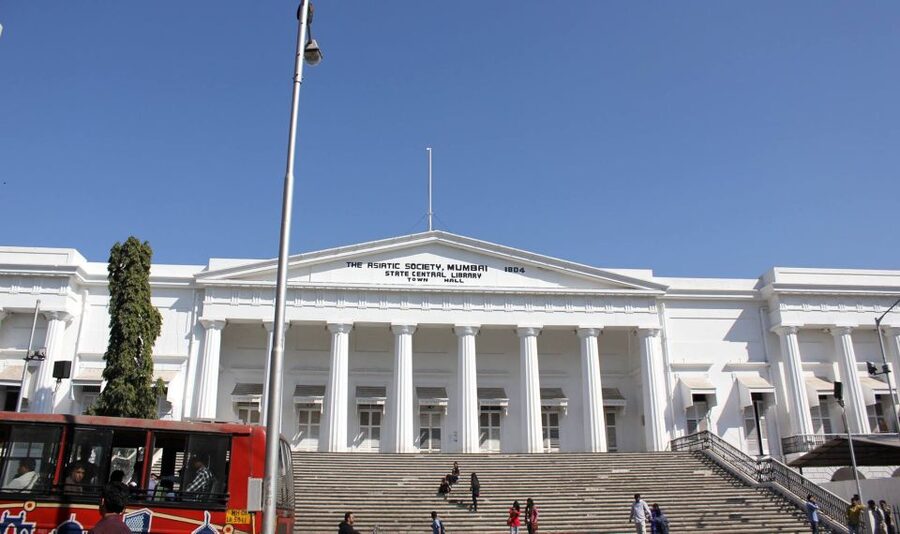
Town Hall (Asiatic Society Library): Colonial Stone With a Reading-Room Vibe
Next comes the colonial-era Town Hall / Asiatic Society Library—one of the oldest libraries in Mumbai. Libraries sound quiet, but this one matters because it represents the city’s intellectual life during the colonial period.
What you’ll likely enjoy here is the way a library changes the meaning of a street. It’s not just another heritage building. It signals who built institutions, who used them, and how knowledge was organized in the city.
This stop also gives you a break in the walk’s pace. You’ll stand and look longer than you would at a typical photo stop, and you’ll understand why that matters. In a heritage area, pauses are part of the experience.
St. Thomas’ Cathedral: A 300-Year Landmark You’ll Feel Up Close
St. Thomas’ Cathedral is a 300-year-old church linked to the Diocese of Mumbai of the Church of North India. It’s the kind of site where the architecture isn’t only decorative—it’s functional, built for community worship and local identity over generations.
Cathedral buildings tend to teach you something quickly: symmetry, craftsmanship, and the way space is shaped for ceremony. If you like history that you can see with your eyes, this stop tends to land well because it’s tangible. You’re not reading about the past—you’re standing in it.
Drawback to consider: cathedrals are still active places. You’ll want to be respectful with noise and movement, and you may need to follow any on-site guidance your guide shares.
Flora Fountain and the Art of Looking Sideways
Flora Fountain, built in 1864, depicts the Roman goddess Flora. It’s one of those moments that feels small until someone points out what you should be noticing.
This is a good example of how the tour trains your attention. A fountain like this doesn’t exist just for beauty. It reflects the era’s tastes, symbolism, and the imported idea of classical imagery in public space. Your guide’s job is to turn a quick glance into an informed look.
If you’re traveling with friends, this stop also helps with pacing. It’s a natural reset point—quick to see, easy to photograph, and not exhausting to stand beside.
You can also read our reviews of more guided tours in Mumbai

Marine Drive: The Sea View That Changes the Mood
The walk includes Marine Drive, one of the city’s best-known sea promenades. It’s not only pretty. It shifts the emotional tone of south Mumbai.
After colonial buildings and civic institutions, the shoreline gives you a different kind of context. You start to connect the architecture to the coastline—how the city faces the Arabian Sea, how public life and leisure developed, and how “grand view” became part of the urban identity.
Tip: if light and weather cooperate, take a couple minutes to just watch the promenade. Even a short pause makes the previous stops click more.
University of Mumbai and Bombay High Court: Where Power Looks Formal
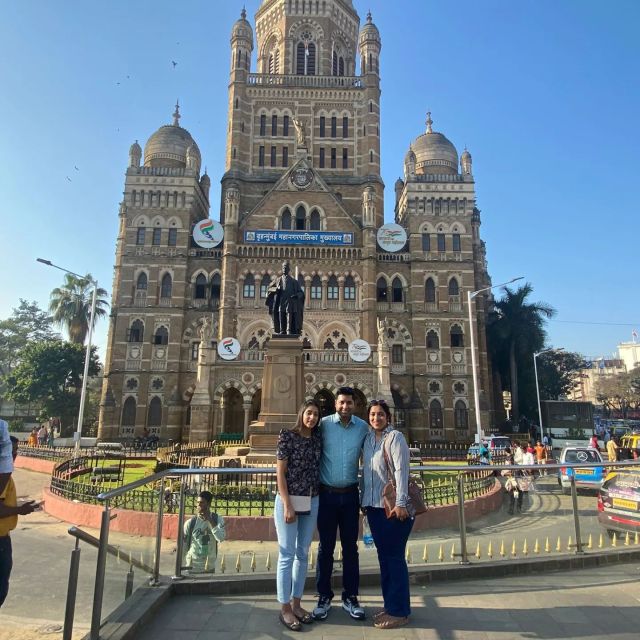
Next you’ll pass The University of Mumbai, one of India’s oldest and premier universities. Then comes Bombay High Court, one of the oldest high courts in India. Together, these stops show you how authority and learning were built into the city’s physical plan.
When you look at institutional buildings in heritage areas, you’re really looking at messaging. Universities and courts are meant to communicate structure, legitimacy, and stability. On this route, those themes keep repeating—so by the time you reach Kala Ghoda later, you’ll already be primed to notice style changes instead of getting lost.
If you like architecture that has a job—courts that signal seriousness, universities that imply long-term learning—you’ll appreciate this section.
Kala Ghoda: The Art District Crescent You Can Walk Through Slowly
Kala Ghoda is described as a crescent-shaped art district that hosts several heritage buildings. This is where the walk starts to feel less like a history lecture and more like a neighborhood you can actually picture yourself wandering.
An art district is never only about galleries. The point is the surrounding streetscape: the heritage buildings, the way foot traffic moves, and the sense of place that comes from older architecture being used for modern life.
If you want a breather from “big landmark overload,” Kala Ghoda does that. It’s still central to south Mumbai’s story, but it’s also visually calmer than some of the earlier civic structures.
Watson’s Hotel and Cast-Iron Mumbai
One of the standout included stops is Watson’s Hotel, described as the earliest surviving example of cast-iron architecture in India. This is one of those facts that makes a guide’s explanation suddenly feel urgent: cast iron wasn’t just a material choice—it was a technology shift.
Here’s what you’ll likely get from the guided commentary: understanding why iron matters historically, and how industrial progress showed up in everyday buildings. When you can see the result, it turns abstract engineering history into something you can point at.
This is also a great moment for photography. Cast-iron architecture tends to have distinctive repeating patterns and structural rhythm. It’s the kind of detail that pays off when you slow down.
Hotel Taj Mahal Palace and the Gateway of India Finish
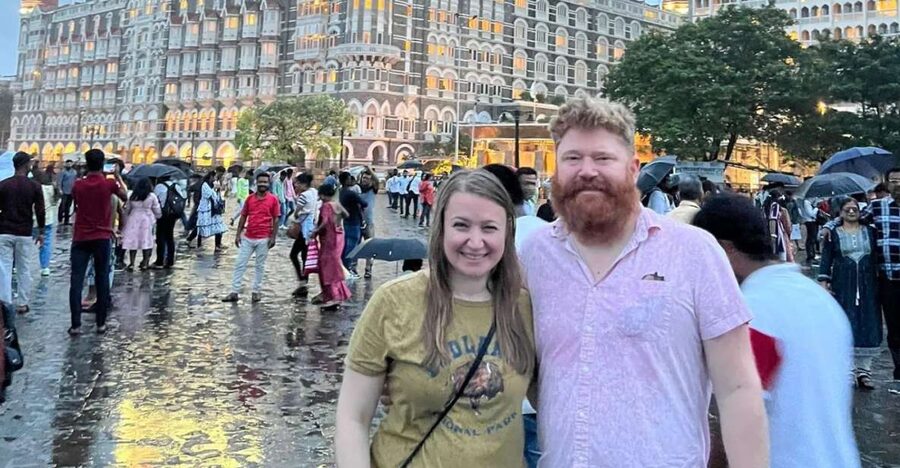
The tour also includes Hotel Taj Mahal Palace in Colaba, described as a heritage five-star luxury hotel. Even if you don’t plan to stay there, the value is in the setting. The building sits in the same wider story as the sea-facing monuments—symbols of prestige tied to an era of global attention.
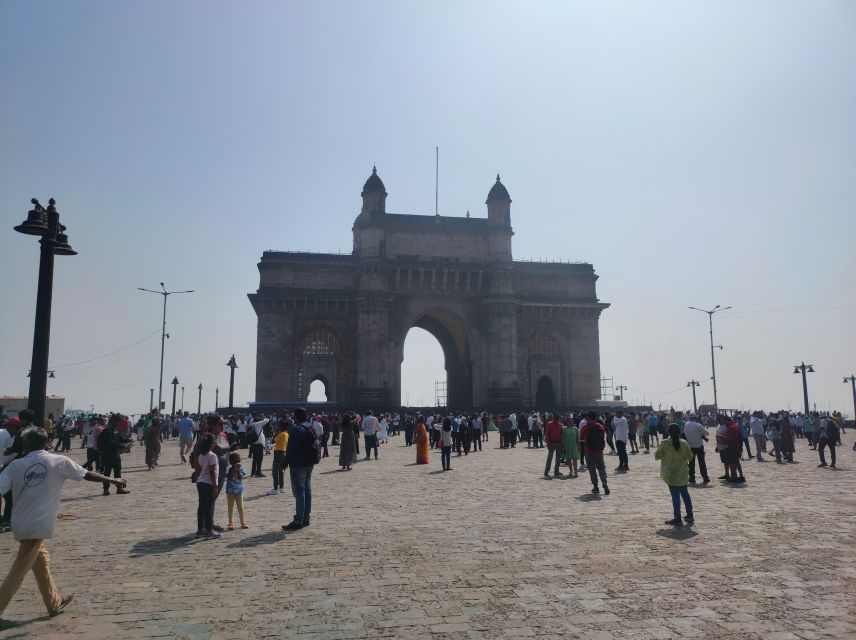
Then you wrap at the Gateway of India, an arch-monument built in the early 20th century. It’s one of Mumbai’s most recognizable silhouettes, and as an ending point, it works. It’s monumental and visually clear, which makes it easier to leave the walk feeling like you finished something complete.
If you’re the type who likes to end a walk with a big view, this part delivers.
How the Guides Make or Break It
The tour’s rating is strong, and the reasons are consistent: guides are friendly, engaged, and ready to answer questions in a way that keeps the pace comfortable.
You might get Krishna, who is noted for providing lots of information and details. Or Sanika, who comes across as warm and relaxed while explaining Mumbai’s history so it feels usable. If you’re lucky (or unlucky, depending on your patience level), you might meet Ketan, described as studying Indian literature and archaeology and sharing that enthusiasm during the walk. There’s also Abhi mentioned for being extremely knowledgeable, plus Alkama for deep enthusiasm for the city’s history and landmarks.
Here’s the practical takeaway for you: if you’re new to Mumbai and worried you’ll miss context, choose a guided format like this. You’re not just collecting photos. You’re learning a way to read the city.
Price Check: Why $28 Feels Fair
At $28 per person, you’re paying less than you might expect for a tour that includes major, high-demand landmarks like CSMT, plus cathedral, institutions, and heritage architecture such as Watson’s Hotel. The math gets better because the walk is structured to connect those stops in a single narrative arc.
The real value isn’t the list of places. It’s the time compression. If you tried to self-guide a route like this, you’d likely spend extra time figuring out what you’re looking at—and you might still miss the key design details that turn a building into a story.
This is also where a good guide earns their wage. When someone can answer your questions without rushing, you get more learning per minute. In at least some cases, the tour has even gone personalized—one person on the tour was mentioned—so you’re not stuck with a generic script.
Who Should Book This Walk (and Who Might Not)
This tour is a strong fit if:
- You want an efficient introduction to south Mumbai heritage without building a self-guided plan from scratch
- You care about architecture and want to understand what you’re seeing
- You like history that’s explained in plain language, with time for questions
- You want big landmarks plus smaller “detail” moments like Flora Fountain and cast-iron architecture
You might consider skipping or rethinking if:
- You’re extremely sensitive to walking and standing for extended moments
- You only want a beach-promenade type visit and nothing architectural
- You prefer totally independent travel where you never stop for explanation
For most first-timers, though, this is a smart way to start. You’ll leave with a mental map—and with the habit of looking up.
Should You Book Mumbai’s South Mumbai Heritage Walk?
If you want a practical, well-paced way to see the core heritage landmarks of south Mumbai, yes, book it. The price is reasonable for the number of major stops, and the guide-driven interpretation is clearly the ingredient that earns the top marks.
My advice: wear comfortable shoes, keep some water handy, and come ready to ask questions. If you do that, this becomes less of a “tour” and more of a shortcut to understanding why south Mumbai looks the way it does.
FAQ
What does the Mumbai South Mumbai Heritage Walking Guided Tour cost?
The price is listed as $28 per person.
How long is the tour?
A few guests describe it as about three hours.
Is the tour offered in English?
Yes, the tour language is English.
Where does the tour take you?
The tour covers south Mumbai’s heritage area, including stops such as Chhatrapati Shivaji Terminus, Marine Drive, St. Thomas’ Cathedral, and the Gateway of India.
Which major UNESCO site is included?
Chhatrapati Shivaji Terminus is included, and it is described as a UNESCO World Heritage Site.
What are some of the included landmarks and buildings?
Included stops listed are Chhatrapati Shivaji Terminus, Town Hall (Asiatic Society Library), St. Thomas’ Cathedral, Flora Fountain, the University of Mumbai, Bombay High Court, Kala Ghoda, Watson’s Hotel, Hotel Taj Mahal Palace, and the Gateway of India.
Is Flora Fountain part of the walk?
Yes. Flora Fountain is included, built in 1864 and depicting the Roman goddess Flora.
What’s special about Watson’s Hotel?
Watson’s Hotel is included and is described as the earliest surviving example of cast-iron architecture in India.
Does the tour offer reserve and pay later?
Yes. It lists Reserve & Pay Later, where you can book your spot and pay nothing today.
What is the cancellation policy?
You can cancel up to 24 hours in advance for a full refund.