REVIEW · MUMBAI
Mumbai heritage walk- Story of Gothic and Art Deco buildings
Book on Viator →Operated by 5 Senses Walks, Mumbai · Bookable on Viator
This walk is about Mumbai’s architecture as a time machine. You follow a neat route that explains how the city grew into a trading hub, using Gothic Revival and Art Deco buildings as your clues.
I love the way the guide turns stone and ornament into story. With Pankaj running the show—enthusiastic, helpful, and full of detail—the walk feels lively even if you’ve been to Mumbai before. You also get snacks during the tour, which makes the whole thing easier to enjoy for 3 hours on foot.
One possible drawback: most stops are seen from the outside, and a couple of interior moments are limited (for example, you generally only get the library/reading-room space from the lobby). If you’re hoping for lots of ticketed museum time, this one may feel a bit more “look closely” than “go inside.”
In This Review
- Key things I’d circle before you book
- Why Mumbai’s Gothic and Art Deco buildings make sense together
- Getting oriented: your start at Chhatrapati Shivaji Terminus (CST)
- Eros Cinema: the Art Deco cinema hall that looks like cake tiers
- Empress Court: Art Deco living as a signal of status
- Bombay High Court principal bench: Gothic drama, statues of Mercy and Justice
- Rajabai Clock Tower: the chimes story tied to compassion
- David Sassoon Library and Reading Room: Gothic architecture with a lobby-only view
- Elphinstone College: Gothic institutional pride and notable alumni
- Prince of Wales Museum (Chhatrapati Shivaji Maharaj Vastu Sangrahalaya): the walk ends in a heritage museum building
- Price, timing, and what value looks like here
- Who this tour is for (and who might want to skip it)
- Tour-day practical tips so you enjoy it more
- Should you book Mumbai’s Gothic and Art Deco heritage walk?
- FAQ
- How long is the Mumbai heritage walk?
- Where does the tour start and end?
- What’s included in the price?
- Is the group size small?
- What if the weather is bad?
- Can I cancel for free?
Key things I’d circle before you book
- Small group size (max 15) keeps the pace personal and helps you get answers as you go
- Architectural focus on Victorian Gothic Revival plus Art Deco gives you a strong visual framework for Mumbai
- Snacks included help you stay comfortable during the 3-hour walk
- Real landmarks in one route: CST, Eros Cinema, Empress Court, Bombay High Court, and more
- Pankaj-style storytelling turns facades into city history you can actually remember
Why Mumbai’s Gothic and Art Deco buildings make sense together
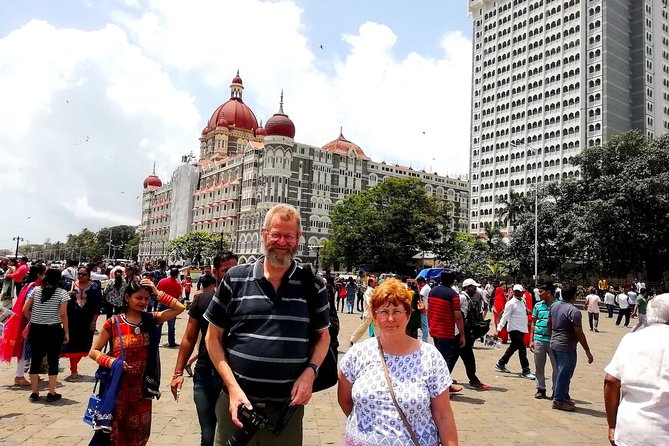
Mumbai can look like a mix of eras, and that’s exactly what this tour leans into. The point isn’t just to name famous structures. It’s to help you read the city: how Victorian-era power showed up in the Gothic Revival look, and how the early 20th century expressed modern ambition through Art Deco.
You’ll also get a practical historical thread: how Mumbai developed into a major trading center, told through what different builders wanted people to feel. Some buildings communicate authority and permanence; others signal modernity, comfort, and social status.
And because it’s a walking format with a maximum of 15 people, you’ll have time to slow down. You can actually notice things like how Gothic details sit on top of Indian design influences—especially at Chhatrapati Shivaji Terminus.
You can also read our reviews of more walking tours in Mumbai



Getting oriented: your start at Chhatrapati Shivaji Terminus (CST)

Your tour begins at Chhatrapati Shivaji Maharaj Terminus in the Fort area. This is UNESCO heritage territory, and it’s widely considered one of India’s best examples of Victorian Gothic Revival.
At this first stop, you’ll spend about 30 minutes (with an admission ticket included). The standout is how the design is Gothic in language—pointed forms, stone character, dramatic structure—while also mixing in themes linked to Indian tradition. That blend matters because it explains something big about colonial-era architecture: it wasn’t always a straight copy from Europe. It often adapted to local visual ideas and local ambition.
Practical note: arrive ready to look up. CST rewards attention to facades and details more than quick “photo-and-go” behavior.
Eros Cinema: the Art Deco cinema hall that looks like cake tiers
Next you’ll head to Eros Cinema, again about 30 minutes, and you’ll see it from outside. The building’s Art Deco styling is the point, especially the way it rises in tiers with a semi-circular tower at the top—so the whole shape lands in your brain fast. People often describe it as having a wedding-cake feel, and you’ll know what that means as soon as you take in the vertical layers.
Why this stop works: Art Deco in Mumbai isn’t just about fancy shapes. It’s about the mood of the era—modern leisure, entertainment, and a sense of progress. A cinema building is a perfect place to see that, because it’s public-facing and designed for attention.
Potential consideration: there’s no ticket included here, so the value is in your close exterior viewing and the story that connects style to the city’s growth.
Empress Court: Art Deco living as a signal of status
From there, you walk to Empress Court, another Art Deco building you view from the outside (about 15 minutes). This is where the tour shifts from public spectacle to private life.
The guide’s focus is how living in an Art Deco building used to be a symbol of status and wealth. That’s a useful lens. When you see sleek lines and confident proportions, you’re also seeing what the building promised: comfort, modern taste, and social standing.
What you’ll probably enjoy here: the contrast with CST’s more fortress-like seriousness. Even without entering, you’ll start to feel how architecture communicates different kinds of power.
Bombay High Court principal bench: Gothic drama, statues of Mercy and Justice

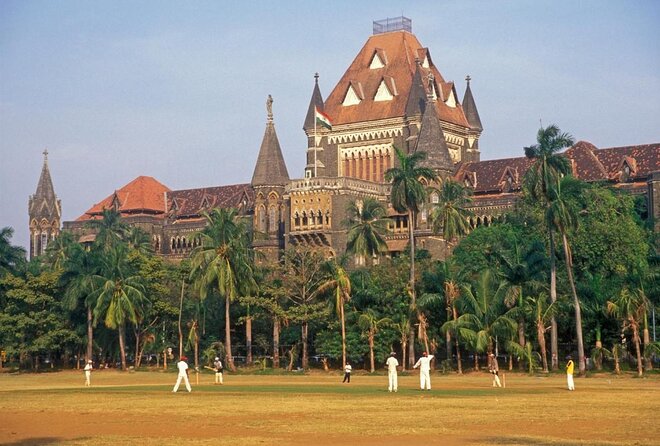
The next highlight is the Bombay High Court principal bench, seen from outside for about 30 minutes. This is described as a splendid specimen of Gothic architecture, and you’ll be encouraged to look for statues of Justice & Mercy on top of the building.
That detail is more than decoration. It’s meant to set the moral tone of the institution—law as something guided by fairness, and punishment balanced with compassion. When you learn to scan for those symbolic elements, you’ll start spotting similar intent across other Gothic buildings.
This stop may slow you down—in a good way. Gothic architecture has layers: carvings, ledges, repeating patterns. The best way to enjoy it is to take turns looking at the building and letting the guide connect each visual cue to the story.
You can also read our reviews of more historical tours in Mumbai






Rajabai Clock Tower: the chimes story tied to compassion
Time for Rajabai Clock Tower, about 30 minutes, again primarily an exterior viewing. It’s often treated like the Big Ben of Mumbai, and you’ll hear how the financing story includes a personal goal: to help the visually challenged mother of the patron hear the chimes and keep her fasts punctually.
That kind of anecdote is why this tour feels more human than purely academic. The building becomes a reminder that big city landmarks often come from family needs, not just grand planning meetings.
Tip: if you’re a “clock person,” stand back just a little and let your eyes catch the full form before you zoom in for close shots.
David Sassoon Library and Reading Room: Gothic architecture with a lobby-only view
This stop is David Sassoon Library and Reading Room (about 20 minutes). Here’s the format twist: you get a Gothic structure connected to a Jewish banker named David Sassoon, but access inside is limited because only members are allowed. So you’ll see it from the lobby.
Even with that constraint, it’s still a strong stop. Why? Because it teaches you how architecture can be a public monument even when the interior is restricted. You can appreciate the exterior character and still get a sense of what kind of space this was meant to be for learning and reading.
Practical consideration: if interior access is a major part of what you enjoy, this is one you may want to set expectations for. Still, the guided stories should make the lobby view feel purposeful rather than skimpy.
Elphinstone College: Gothic institutional pride and notable alumni
Next is Elphinstone College, about 15 minutes. You’ll appreciate the Gothic architecture, and you’ll also hear that its alumni include big names such as Bal Gangadhar Tilak, Dr BR Ambedkar, and Jamshedji Tata.
This is the kind of stop where you’ll start seeing Gothic architecture as a “values system.” Educational buildings often borrow the seriousness of churches and civic halls—not to copy religion, but to communicate discipline, tradition, and credibility.
If you enjoy learning how architecture supports identity, this short stop lands well. It’s not long, but it’s designed to connect building style to real people.
Prince of Wales Museum (Chhatrapati Shivaji Maharaj Vastu Sangrahalaya): the walk ends in a heritage museum building
Your tour finishes at Chhatrapati Shivaji Maharaj Vastu Sangrahalaya (the Prince of Wales Museum). It takes about 10 minutes at the final stop.
The building’s earlier use as a military hospital for children’s welfare exhibitions adds an extra layer to the Gothic/heritage theme. Even though this is the end of the walk, it’s a smart final note because it reminds you that heritage buildings often shift roles over time—architecture that once served one purpose may become a cultural institution later.
If you’re hungry for more after the walk, ending at a museum-like location is a good setup. You’ll likely feel ready to keep exploring rather than “stuck” at a train platform and heading straight home.
Price, timing, and what value looks like here
At $35 per person for about 3 hours, this is priced in a way that often works best when you value interpretation, not just sightseeing. You’re not paying for entry fees across multiple paid museums; you’re paying for a structured route, a small group, and stories that help you see the details.
Also, mobile ticket and group discounts add practical value. And because the tour is booked about 14 days in advance on average, it’s smart to plan early in case the dates you want fill up.
What you’re really getting for the money:
- a focused architecture framework (Gothic Revival vs Art Deco)
- guided attention at major landmarks in Fort
- a comfortable walking length with snacks
- a small group that makes questions feel normal, not awkward
Who this tour is for (and who might want to skip it)
This is a great fit if you:
- love history but prefer it tied to visible places
- enjoy architecture and want a route that trains your eye
- want a small-group experience that moves at a human pace
- want a guide who makes stories entertaining and easy to follow
It may be less ideal if you:
- want mostly indoor, ticketed visits throughout
- hate walking for about 3 hours
- expect every stop to include long time inside buildings
The good news: the exterior stops are chosen well. You’ll learn what to look for, so the outside viewing doesn’t feel like a compromise.
Tour-day practical tips so you enjoy it more
Since this is a walking tour through central Fort, keep your day simple. Wear comfortable shoes and be ready for standing and looking up. The weather matters here—the experience requires good weather, and you’ll be offered another date or a full refund if it’s canceled due to poor conditions.
One more thing that helps: bring a camera, but also save space for close-up looking. Many of the most rewarding moments are the small symbolic details—like Justice and Mercy statues—rather than the widest shots.
Should you book Mumbai’s Gothic and Art Deco heritage walk?
If you want a single, well-paced introduction to Mumbai’s architectural identity, I’d book this. The route hits the big-name buildings you keep hearing about—CST, Bombay High Court, Rajabai Clock Tower—yet it doesn’t stop at “famous place” trivia. The storytelling is built to help you connect style with city growth.
I’d especially recommend it if you like guided explanation and you’re the type who spots details even when you’re tired. The guide quality is a standout here, and the small group size means you’re not just part of a crowd. You get a real sense of place.
If you’re mostly chasing interior access and long museum time, then set expectations on what you’ll enter and what you’ll see from outside.
Bottom line: for a 3-hour architecture-focused walk in Mumbai’s Fort, this is strong value, and it teaches you how to look at the city in a smarter way.
FAQ
How long is the Mumbai heritage walk?
It’s about 3 hours.
Where does the tour start and end?
It starts at Chhatrapati Shivaji Maharaj Terminus (CST area, Fort) and ends at Chhatrapati Shivaji Maharaj Vastu Sangrahalaya (Prince of Wales Museum area, Lion Gate, Fort).
What’s included in the price?
The price is $35 per person and the tour includes snacks during the walk and a mobile ticket. An admission ticket is included at Chhatrapati Shivaji Terminus, while other listed stops are not included.
Is the group size small?
Yes. The tour has a maximum of 15 travelers.
What if the weather is bad?
The experience requires good weather. If it’s canceled due to poor weather, you’ll be offered a different date or a full refund.
Can I cancel for free?
Yes. You can cancel up to 24 hours in advance for a full refund, based on local time.