REVIEW · ZARAGOZA
Zaragoza: Historical Tour of the Old District with a Guide
Book on GetYourGuide →Operated by Rutica 41 Spain · Bookable on GetYourGuide
Roman ruins in a living city? Yes, in Zaragoza. This tour threads together the Roman starting point, the power of the medieval church, and the devotional heart of Zaragoza. Along the way, you’ll see how history and newer architecture don’t fight here—they share the same streets.
I especially like the way it starts at the Roman theater, because it gives you context fast: you’re not just looking at walls, you’re learning the city’s earliest storyline. Another highlight for me is the cathedral sequence—La Seo with its tapestry museum, followed by the Basilica of Our Lady of Pilar. One possible drawback: 2.5 hours is tight, so if you want to linger for long photo stops or extended museum time at one site, you may feel a bit paced.
Still, with a small group (up to 10) and a guide who answers questions clearly, it’s the kind of outing that helps your day in Zaragoza click into place. The big win is leaving with a clearer sense of where everything fits—then knowing where to eat.
In This Review
- Key things to look for
- A 2.5-hour tour that makes Zaragoza make sense
- The Roman theater stop that sets the whole mood
- La Seo Cathedral: where Zaragoza’s medieval power shows
- The Basilica of Our Lady of Pilar and the city’s devotional heart
- Roman walls and the central market: history meets food
- Guides, language options, and the small-group advantage
- Price and value: what you’re really paying for
- How to get the most from every stop
- Who this tour is best for (and who should consider another option)
- Should you book this Zaragoza old-district tour?
- FAQ
- How long is the tour?
- How much does it cost?
- What does the tour include?
- Where does the tour meet?
- What languages are available?
- How big is the group?
- Is the tour wheelchair accessible?
Key things to look for
- Roman theater start: see Zaragoza’s earliest chapter right away
- La Seo + tapestry museum: cathedral beauty plus museum time
- Pilar’s devotion: learn why this basilica matters to Aragon
- Roman walls and market finish: history lands in everyday life
- Small-group Q&A: up to 10 people, English/Spanish/German guides
A 2.5-hour tour that makes Zaragoza make sense
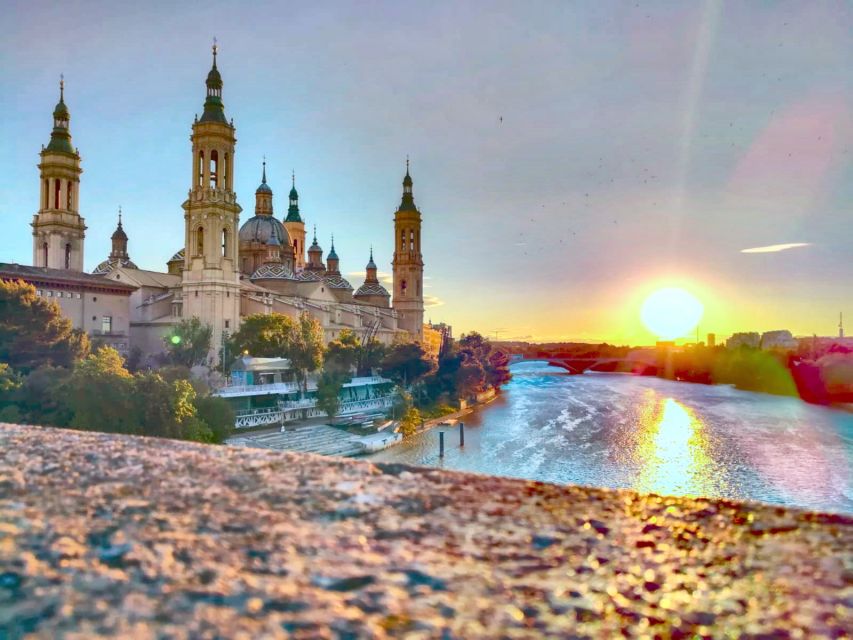
This isn’t a “grab photos and go” walk. It’s built like a timeline you can follow on foot. In about 2.5 hours, you move from the city’s earliest Roman presence to the medieval crown-and-cathedral era, and then out toward the Roman walls and the local food scene at the central market.
That structure matters. Zaragoza can feel like a place you either rush through or get lost in. A guided circuit like this helps you get bearings fast. You learn what each site is for, not just what it looks like. And because you end with gastronomy recommendations, you leave with practical ideas for what to do next—especially if you only have one day.
You can also read our reviews of more tours and experiences in Zaragoza.

The Roman theater stop that sets the whole mood
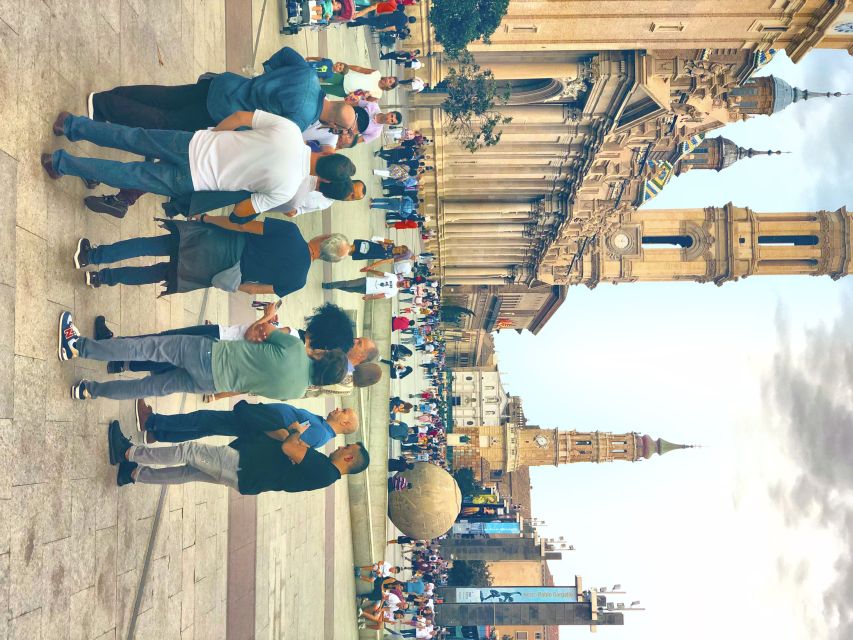
The tour begins at the Roman theater, where you get the first steps of the city and its oldest history. That start point changes the way you see everything afterward. Instead of treating Zaragoza as “cathedrals and squares,” you notice how the modern city grew on top of older layers.
If you like history that has a physical setting, this part will feel like a payoff. You’re walking through a place where the city’s early identity still shapes the route. It also connects nicely with the museum included on the ticket list: entry tickets to the Cesaraugusto Museum. That pairing is useful because you’re not stuck with only outdoor impressions—you get a chance to reinforce what you’re learning.
One practical note: this is still a walking tour. So even though you’re seeing major landmarks, you’ll want to wear shoes that can handle uneven pavements and the inevitable “just a few more blocks” effect.
La Seo Cathedral: where Zaragoza’s medieval power shows
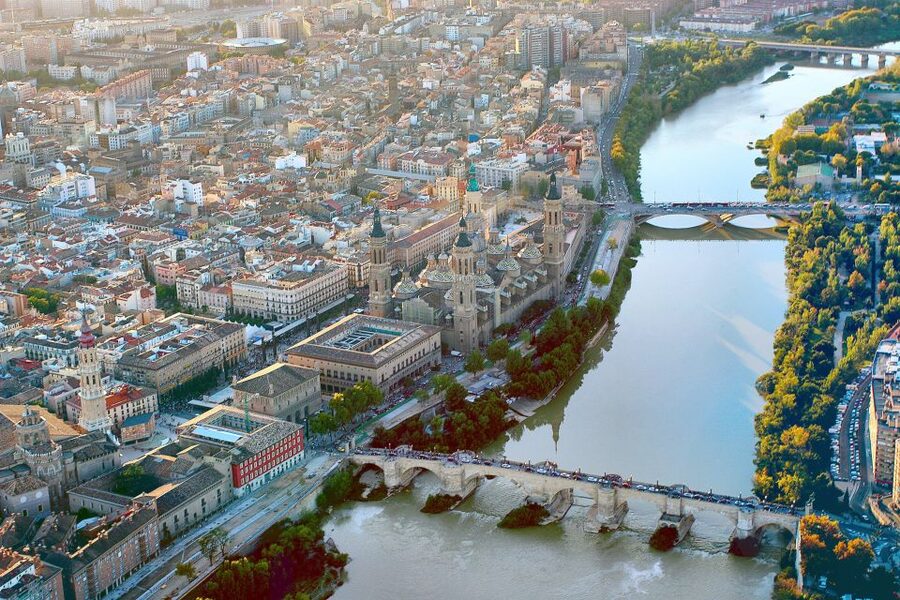
Next comes the Cathedral of Zaragoza, also known as La Seo. This isn’t just one stop on a checklist. It’s the place where the city’s cathedral story becomes specific—linked to the kings of Aragon coming to be crowned here.
You’ll also have access to the museum of tapestries at La Seo. That detail is a smart value add. Cathedrals can be overwhelming on a first visit, because your brain is busy taking in scale. A tapestry museum helps shift your focus to craftsmanship, materials, and the kind of storytelling that was common in earlier centuries. It’s also a good way to slow down for a moment while still staying within the tour’s 2.5-hour flow.
What you’ll likely feel here: the tour gives you a reason to look closely. You’re not just staring up at stone. You’re learning how power, faith, and art sat together in one place.
The Basilica of Our Lady of Pilar and the city’s devotional heart
The tour continues to the Basilica of Our Lady of Pilar, described as one of the largest Catholic cathedrals in the world. Size alone can make a place feel impressive. But what makes this stop meaningful is the devotion to the Virgen del Pilar—why people come here, and why it’s so central to Zaragoza’s identity.
This is where the atmosphere shifts from “historical landmark” to “living tradition.” Even if you’re not religious, understanding devotion gives context to the architecture and the crowd patterns you’ll see around the basilica. It’s also one of those sites that makes you realize why cities build their center where they do. The tour’s pacing helps: you’ve already learned the earlier chapters, so Pilar lands with more weight.
If there’s any drawback to consider, it’s simple: big churches can be crowded, and your time is shared with other visitors. You’ll still get the guided story, but you might not have long stretches of quiet for deep reflection.
Roman walls and the central market: history meets food
To close, the tour revisits Roman walls and then heads to the central market area. This is a clever ending. After all that cathedral-focused learning, the market finish brings you back to everyday Zaragoza—how locals live, eat, and move.
You’ll learn about the city’s precious gastronomy, and you also get a list of gastronomic recommendations from your guide. That matters more than people expect. Many walking tours teach you where to go. This one also nudges you toward what to order, which is the fastest route to feeling like you’ve actually experienced the destination.
I also like that the Roman walls don’t come last by accident. They connect the ending to the beginning: Roman Zaragoza isn’t only an early-stop curiosity. It’s a thread you can still see.
Guides, language options, and the small-group advantage
The experience runs with a live guide in English, Spanish, or German. That language coverage is more than comfort—it affects how much you can ask. When you can question details, the tour turns from a lecture into a conversation.
The best part is how the guides are described in feedback. Both Jorge and Marta show up repeatedly, with praise for being efficient, polite, and focused with explanations. People also highlight that Marta answered lots of questions and had enough confidence to discuss broader context, not just recite facts. One reviewer even mentioned sharing coffee after the tour, which fits the overall vibe: friendly, not stiff.
Small group matters too. Limited to 10 participants, you’re less likely to get lost at the back or lose your chance to ask something. You also tend to get more flexible pacing when the guide sees everyone’s engaged.
There’s also a practical detail worth saving: the meeting point is in front of the Spanish flag, and the guide carries a bag with the title RUTICA 41. That makes it easier to find the right person without guesswork.
Price and value: what you’re really paying for
At $112 per person for a 2.5-hour tour, the price is not “impulse cheap.” But it’s also not priced like a private guide. So the question becomes: what are you buying?
Here’s the value case in concrete terms:
- You get guide time for 2.5 hours, with live interpretation (English/Spanish/German).
- Entry tickets are included to the Cesaraugusto Museum and the Zaragoza Seo Cathedral (La Seo).
- You get food direction, not vague suggestions. The tour provides a list of gastronomic recommendations, plus guidance tied to where the market and walls fit into city life.
- You travel in a small group (up to 10), which usually improves the quality of the questions you can ask.
If you were doing this itinerary on your own, you’d still spend time figuring out routes, buying tickets, and deciding what matters most at each stop. This tour compresses that work into a guided narrative, and the reviews strongly emphasize clarity and usefulness.
One caution: if you’re the type who wants to sit in museums for a long stretch or linger at one cathedral for an extended photo session, this structure may feel a bit “designed.” That doesn’t make it bad—it just changes who it suits.
How to get the most from every stop
You’ll get the best results if you show up ready to walk and look. Comfortable shoes are specifically recommended, and it’s not just a formality. Old districts usually mean uneven stone, tight turns, and the kind of walking that adds up even when distances aren’t huge.
Also, come with at least one question in mind. A few visitors asked deeper questions in feedback, and that’s exactly the moment where a good guide earns their fee. If you’re curious about why the kings of Aragon were crowned at La Seo, or how Virgen del Pilar devotion shapes the basilica’s role, ask.
If you’re short on time, this tour is a smart “front-load” move. One reviewer described it as giving confidence and priority for how to spend the rest of a one-day Zaragoza visit. That’s consistent with how the itinerary is arranged: you learn the city’s main story early, then you can explore with real direction afterward.
Who this tour is best for (and who should consider another option)
This experience fits you if you want:
- A structured introduction to Zaragoza’s major historic sites in one morning or afternoon
- Cathedral-focused sightseeing without feeling totally overwhelmed
- Roman-era context that connects outdoor ruins to museum learning
- Practical food tips to help you eat well during your stay
It may not fit as well if you:
- Prefer long, self-paced museum time over guided explanation
- Want a purely architectural tour with no market/food ending
- Need a very quiet pace with lots of downtime at each landmark
Should you book this Zaragoza old-district tour?
I’d book it if you’re in Zaragoza for a day (or just a short window) and you want the city to feel coherent. The mix of Roman beginnings, La Seo’s cathedral-and-tapestry focus, and the closing Pilar + walls + market sequence is a strong way to see the main threads without turning your visit into a map-scavenger hunt.
Even if you’ve read about Zaragoza, a guide helps you connect the dots in real time. With a small group and guides praised for clear, friendly answers—Jorge and Marta in particular—this feels like a smart value use of time, not just a sightseeing lap.
FAQ
How long is the tour?
It lasts about 2.5 hours.
How much does it cost?
The price is listed as $112 per person.
What does the tour include?
You’ll have entry tickets to the Cesaraugusto Museum and to Zaragoza Seo Cathedral, plus a list of gastronomic recommendations.
Where does the tour meet?
The meeting point is in front of the Spanish flag. The guide carries a bag labeled RUTICA 41.
What languages are available?
The live guide operates in English, Spanish, and German.
How big is the group?
It’s a small group limited to 10 participants.
Is the tour wheelchair accessible?
Yes, it is listed as wheelchair accessible.