REVIEW · AGRA
Agra Old City Walking Tour, Private Heritage walking Guided Tour
Book on Viator →Operated by Peer Voyages · Bookable on Viator
One good way to feel old Agra fast is on foot. This private heritage walking tour strings together two markets, a bazaar, major places of worship, and a rare view of the Taj Mahal area from the Yamuna side—all in about 3 hours with a guide and pickup. The route also swaps Mughal and temple spaces for the British-style Agra Fort Railway Station, so you see how different eras shaped the city.
What I like most is the hands-on mix: Jama Masjid and the Shri Mankameshwar Mandir sit right alongside spice and sweets shopping streets. I also love that your time stays stress-free because transport, entrance tickets, and even tea are included. The one catch to plan for is simple: you’ll be walking through active markets, so wear covered clothing and shoes that can handle uneven, crowded lanes.
In This Review
- Quick Hits
- Agra Beyond the Taj: Why This Walk Gets to the Point
- Price and What You Actually Get for $25
- Timing, Pickup, and How the Route Fits a Short Visit
- Stop 1: Jama Masjid and the Mughal Story in Stone
- Stop 2: Shri Mankameshwar Mandir, Shiva Worship in Daily Rhythm
- Stop 3: Rawat Para Road for Spices, Sweets, and That Old-Shop Feel
- Stop 4: Johari Bazar, Goldsmith Craft and Old-Agra Street Texture
- Stop 5: Daresi Wholesale Market Then Yamuna Views of Taj Mahal and Agra Fort
- Stop 6: Agra Fort Railway Station, British-Era Architecture in the Middle of Old Agra
- What Makes the Guide Matter (And Why Sunil’s Name Keeps Coming Up)
- Dress Code, Comfort, and Market Reality Checks
- Who Should Book This Tour
- Should You Book This Agra Old City Walking Tour?
- FAQ
- How long is the Agra Old City walking tour?
- What’s the price per person?
- Do I get hotel pickup and drop-off?
- Are entrance tickets included?
- What should I wear?
- Is this tour private?
Quick Hits
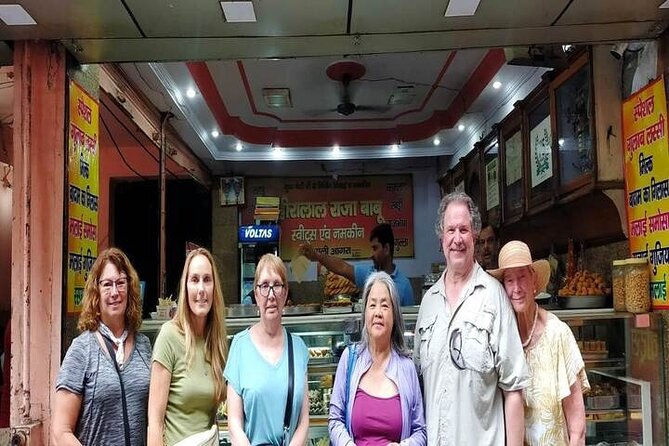
- Private group: Only your party joins, so you can set the pace with your guide
- Tickets and transport included: Pickup, tuk-tuk/taxi, and entrance costs are handled
- Religious sites + street-level shopping: Jama Masjid and a Shiva temple, then spices and sweets
- Real-market feel at Daresi: A wholesale market plus a Yamuna riverside walk
- Colonial contrast: Agra Fort Railway Station brings British-era architecture into the story
- Guide named Sunil: From the experiences shared, the best moments often come from his explanations
Agra Beyond the Taj: Why This Walk Gets to the Point
Agra is often treated like a one-sight city. You get dropped at the Taj Mahal, you take photos, you leave. This tour makes a different promise: you’ll see how people actually live around mosques, temples, and markets—then you’ll connect those streets to the Taj Mahal in a more thoughtful way.
The standout idea is contrast. You start with monumental places of worship, then shift into everyday commerce—spices, goldsmith work, sweets, and wholesale trading. By the time you reach the Yamuna side and catch an outside view of the Taj Mahal and Agra Fort area, it feels less like sightseeing and more like getting your bearings in a city with layers.
You can also read our reviews of more walking tours in Agra
Price and What You Actually Get for $25
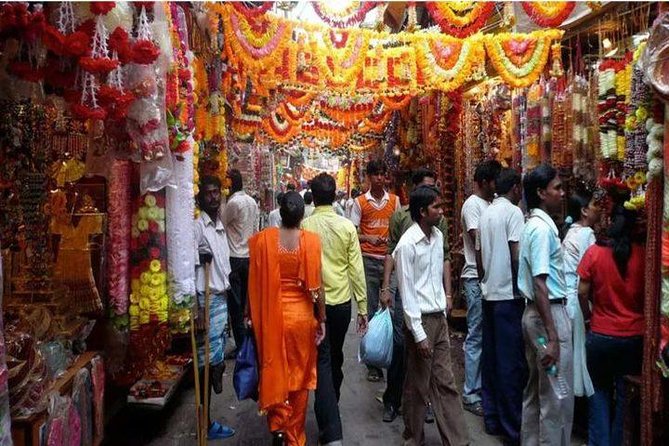
At $25 per person, this is priced like a budget walking tour, but it includes a lot of the stuff that usually adds up: professional guidance, hotel pickup and drop-off by taxi/tuk tuk, transport during the route, entry where applicable, and tea during the walk.
That matters in Agra. If you try to self-plan, you quickly spend time negotiating rides, figuring out ticket needs, and aligning opening hours. Here, the tour stitches it together into a tight 3-hour circuit, so you can focus on the places and the street life.
Also, you’re not stuck with a large group. The experience is private, so you get more flexibility on questions and pacing. If you’re traveling with family or friends who have different energy levels, a private guide often saves you from the usual stop-and-go crowd rhythm.
Timing, Pickup, and How the Route Fits a Short Visit
This is approximately 3 hours and runs with a flexible duration option if you want to linger. Pickup is offered from your hotel, and the tour moves by taxi/tuk tuk between key points so you’re not burning energy on long transfers.
It’s also built for practical visits. Most stop entries show as free admission, and the tour lists transport and entrance tickets as included. That means you’re not constantly digging for cash or wondering if a small cost will stall the day.
One planning note: the day’s flow includes a lot of walking through market lanes. If you’re the type who likes to stop for photos every few minutes, you might appreciate the flexibility. If you want a faster pace, your guide can keep the route moving.
Stop 1: Jama Masjid and the Mughal Story in Stone
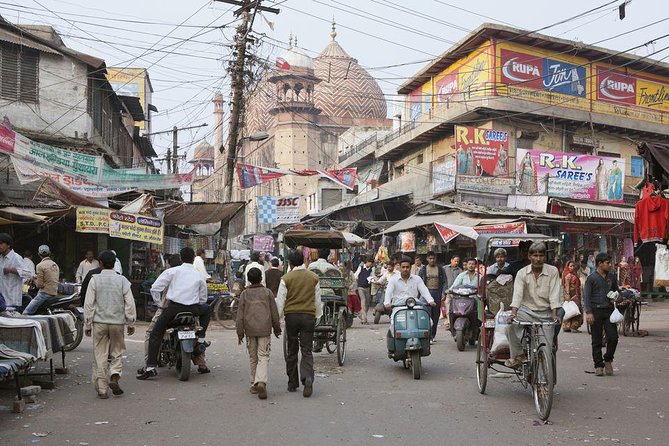
You’ll begin at Jama Masjid, described as one of the biggest mosques in India. This is the Friday prayer hall, which gives the site weight beyond sightseeing. The tour also shares a specific historical thread: the mosque was built by Mughal princess Jahanara Begam, daughter of Shah Jahan.
In practice, this stop works well because it anchors the rest of the tour. A major mosque in Agra isn’t just a building; it sets a tone for the city’s faith and architecture. Even if you only stay for about 20 minutes, you’ll have a clearer sense of why the surrounding neighborhoods feel so rooted.
What to watch for: Jama Masjid is an active religious space. Dress respectfully and keep your shoulders and knees covered, as the tour requests.
Stop 2: Shri Mankameshwar Mandir, Shiva Worship in Daily Rhythm
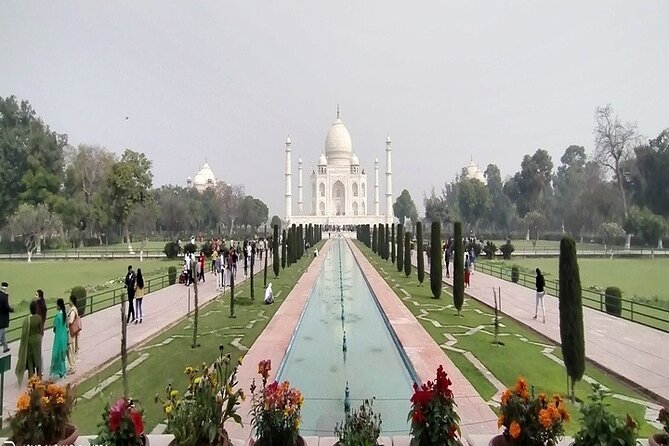
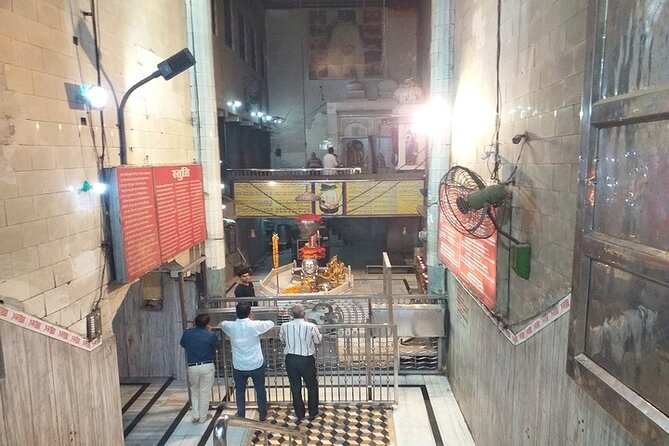
Next comes Shri Mankameshwar Mandir, noted as the oldest temple in Agra city. The temple is dedicated to Lord Shiva, and the tour highlights that people come there to pray every day.
This is a great second stop because it flips the perspective from monumental architecture to living devotion. You’re not just reading about faith in a book—you’re seeing a place that still works as a spiritual center. It also creates a thoughtful religious contrast with Jama Masjid, without feeling like a rushed comparison.
Time is short here (about 20 minutes). That’s enough to see the temple setting and learn the basics, but not so long that it drags. If you’re a detail person, ask your guide to point out what makes this temple feel distinct in Agra.
Stop 3: Rawat Para Road for Spices, Sweets, and That Old-Shop Feel
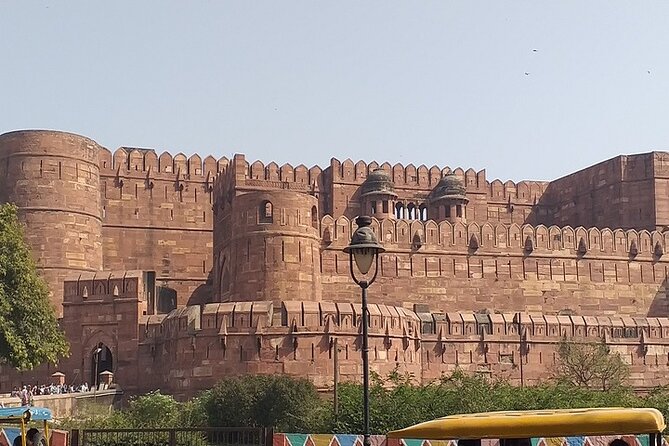
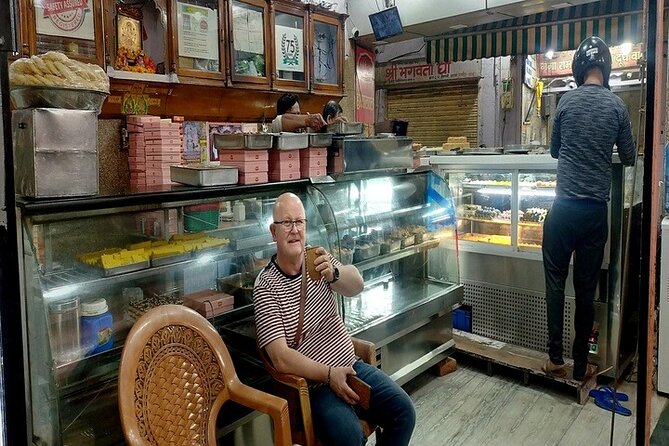
Rawat Para Road is one of the oldest market roads in historic Agra. The tour connects it to what the city trades best: spices. Then the route shifts into sweets and street food, including reference to 100-year-old sweet shops of Agra.
This stop is where the walk starts to feel like a real day in the market. Spices are a visual and smell-based experience, and they’re also a doorway to conversations about regional tastes and everyday cooking. When you add sweets and street food nearby, you get a fuller picture of what locals might crave, not just what tourists photo.
A practical tip: If you’re unsure about street food, you can treat this stop as observation first. A good guide will help you understand what you’re seeing and let you decide what’s worth tasting for you.
Stop 4: Johari Bazar, Goldsmith Craft and Old-Agra Street Texture
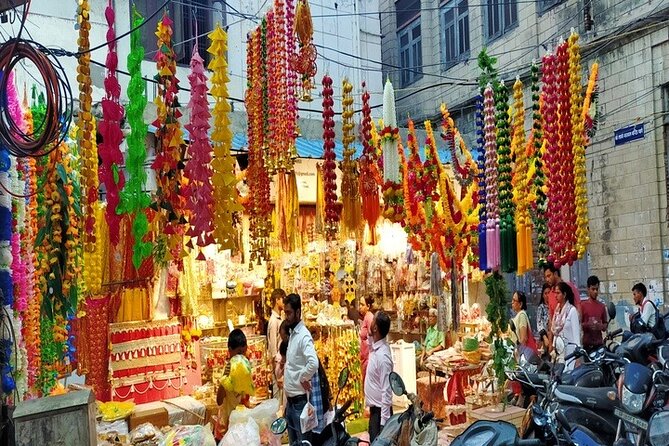
Johari Bazar is famous for goldsmith shops, and the tour notes that it also includes clothes shopping now. It’s also described as having older building architecture, which helps this stop feel more like a walk through a living neighborhood than a modern mall substitute.
This is one of those places where your guide’s storytelling matters. Goldsmith work isn’t just trade; it’s technique, tradition, and identity. Even if you don’t buy anything, you’ll likely enjoy watching the tradespeople at work and hearing what makes this bazaar known.
Time here is about 20 minutes, so think of it as a quick hit: learn the story, see the street layout, and keep your energy for the next market section.
Stop 5: Daresi Wholesale Market Then Yamuna Views of Taj Mahal and Agra Fort
Dareshi (Daresi) is presented as Agra’s wholesale market, with more than 100 years of history. If you want the city at full volume—real trading, real goods, real motion—this stop is the one built for it.
After the wholesale market time (about 30 minutes), the route shifts to a walk along the Yamuna river side. This is where one highlight stands out in a big way: you get an outside view of the Taj Mahal and Agra Fort from the other side area.
This part of the tour is smart for first-time visitors. You don’t need to enter the Taj Mahal grounds to feel its presence. Seeing it from across the river area gives you a different framing and helps you understand why the river plays a role in how the city connects its monuments.
One thing to anticipate: The river side can bring extra wildlife sightings depending on the area. The route goes where people and animals share space, so keep an eye on your belongings and follow your guide’s cues.
Stop 6: Agra Fort Railway Station, British-Era Architecture in the Middle of Old Agra
The last major stop is the Agra Fort Railway Station, near Agra Fort. The tour specifically calls out that the station was built by the British and that its architecture is British style.
This is a fun ending because it widens the lens. You’ve spent the earlier hours in Mughal and temple worlds, plus marketplaces with deep local roots. Then suddenly you’re standing in a colonial-era structure that shows how Agra was reshaped for rail travel and administration.
It also neatly finishes the day. After spending time at the station (about 20 minutes), you’ll walk to get your vehicle and be dropped back at your hotel.
What Makes the Guide Matter (And Why Sunil’s Name Keeps Coming Up)
The tour is built around a professional guide, and in the experiences shared, the guide is often the reason people rate it highly. In particular, Sunil shows up as a favorite—helping make the old city feel understandable, not chaotic.
From what’s described, the best kind of guide here does three things:
- Explains what you’re looking at in plain language
- Keeps the pace comfortable so you don’t feel dragged
- Doesn’t pressure you into buying or eating
That last one is underrated. If street food and shopping are optional for you, you can still enjoy the markets without feeling trapped into spending money. And if you do want to taste something, a guide can help you choose what feels sensible.
If you’re planning this tour as your first full half-day in Agra, a guide’s local context helps you spot patterns afterward—what areas sell what, how the lanes connect, and why monuments sit where they do.
Dress Code, Comfort, and Market Reality Checks
The tour asks that you cover your shoulder and knee. That’s the kind of instruction that makes sites easier to enter and keeps you respectful in places where locals worship or work.
For clothing and comfort:
- Wear lightweight layers you can adjust in heat
- Choose shoes with grip for uneven surfaces
- Bring something small for sun protection, since markets don’t always give shade
Also, plan mentally for crowd motion. Markets are active. Even if your group is private, you’ll still be moving through shared public space. Your guide’s job is to get you from sight to sight without wasting time.
Who Should Book This Tour
This is a strong fit if you:
- Are doing the Golden Triangle and want Agra to feel like a real city, not a stopover
- Love markets but don’t want to figure out everything alone
- Want a mix of religious architecture and street-level shopping in a short window
- Prefer a private guide who can adjust pacing to your interests
It’s also ideal when you’re arriving and want orientation quickly. The route gives you a practical sense of where things are and what kinds of places Agra is known for beyond the Taj.
If you’re only interested in one monument and nothing else, you might find this tour is more than you need. But if you’re curious, it’s a very efficient way to broaden your Agra day.
Should You Book This Agra Old City Walking Tour?
I’d book it if you want the value of a guided, ticket-included circuit that covers markets, temples, mosques, and a meaningful Taj Mahal view from the Yamuna side—without you spending hours on planning.
I’d think twice if you hate crowds or you’re not comfortable walking through busy lanes, even with transport breaks. Also, if your main goal is standing inside specific monuments, this tour focuses more on seeing major sites and connecting them with the city’s daily life.
If you can manage modest coverage for temples and you’re open to market wandering, this tour is a smart use of time in Agra.
FAQ
How long is the Agra Old City walking tour?
The tour lasts about 3 hours (approx.).
What’s the price per person?
The price is $25.00 per person.
Do I get hotel pickup and drop-off?
Yes. The tour includes hotel pickup and drop-off by taxi or tuk tuk.
Are entrance tickets included?
Yes. All transport and entrance tickets are included, and the listed admissions for the stops are free.
What should I wear?
You should cover your shoulder and knee.
Is this tour private?
Yes. It’s a private tour/activity, and only your group participates.