REVIEW · BUDAPEST
Private Jewish Heritage Tour including Hotel Pickup
Book on Viator →Bookable on Viator
Jewish Budapest feels personal on foot. This private heritage tour strings together major Jewish landmarks in the city, including the Dohány Street Synagogue, the Jewish Museum, and Holocaust-era memorials, with hotel pickup from central areas.
I love walking into the Dohány Street Synagogue and hearing how Budapest’s Jewish story changed over time, place by place. I also like that you can choose your route length—small, essential, or grand—so the day matches your pace and attention span.
One possible drawback: the tour is built around specific stops, so if you have a must-see item like the Shoes on the Danube or a separate Holocaust museum, you’ll want to double-check that it’s included in your selected option.
In This Review
- Key Points Before You Go
- What You Really Get With a Private Jewish Heritage Walk
- Inside Dohány Street Synagogue and the Jewish Museum (Your Core Stop)
- From Deák Ferenc Square to Madách Square: Pest’s Jewish Roots
- The Grand Tour: Carl Lutz, the Orthodox Quarter, and Kazinczy Synagogue
- Hotel Pickup, Start Times, and Staying Comfortable
- Price and Value: What $191.72 Buys You
- The Guide Makes the Difference: What to Look For
- Things to Consider Before Booking
- Should You Book This Jewish Heritage Tour?
- FAQ
- How long is the tour?
- Is hotel pickup included?
- Where does the tour start?
- Is it a private tour?
- What languages are offered?
- Which synagogues are included?
- What memorial stops are included?
- Is food included?
- Do I need tickets in advance?
- Can I cancel for a refund?
Key Points Before You Go
- Three tour lengths (Small ~2 hours, Essential ~2.5 hours, Grand ~4.5 hours) so you’re not locked into one pace
- Hotel pickup included, with starts built around your chosen time and central locations
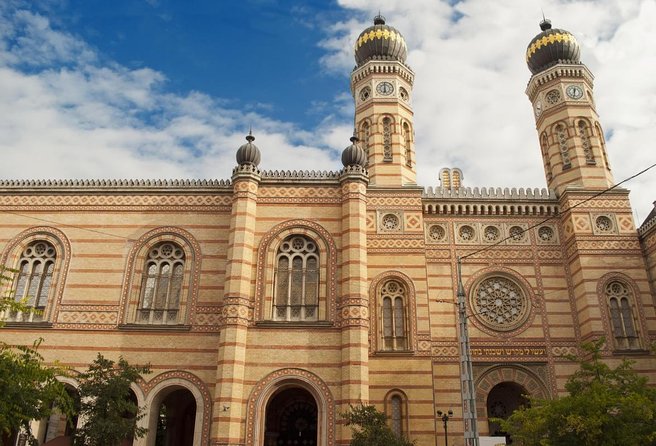
- Interior synagogue visits: Dohány Street Synagogue for the shorter routes, plus Kazinczy Street Synagogue on the Grand Tour
- Memorial stops that land hard: Raoul Wallenberg and the Tree of Life memorials, plus the Martyrs’ Cemetery
- Good value for a private guide, since entry tickets for key synagogues are included
What You Really Get With a Private Jewish Heritage Walk
This is a true private tour: it’s just your group and a professional local guide, not a mixed cattle-call. You can pick your start time, and the tour runs in a flexible, walking-first style that keeps you close to the action rather than parked on a bus.
Hotel pickup matters more than it sounds. Budapest can be easy to navigate, but getting to the Jewish Quarter at the right moment (especially for synagogue entry) is where people lose time. Pickup from centrally located hotels helps you start feeling relaxed right away.
English is the working language, and you’ll also receive a mobile ticket. The itinerary is designed for moderate walking, with enough pauses built in that it doesn’t feel like a forced march.
The big decision is which of the three routes you choose. If you want a focused “best-of” day, go Small or Essential. If you want the older quarters, extra memorial stops, and the Orthodox Jewish Quarter area, the Grand Tour is the one.
You can also read our reviews of more private tours in Budapest
Inside Dohány Street Synagogue and the Jewish Museum (Your Core Stop)
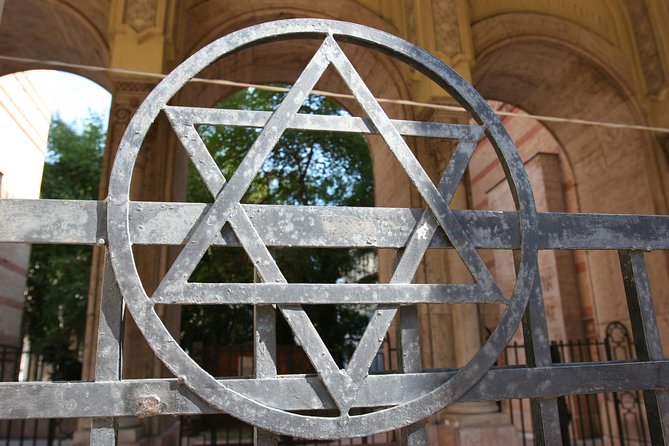
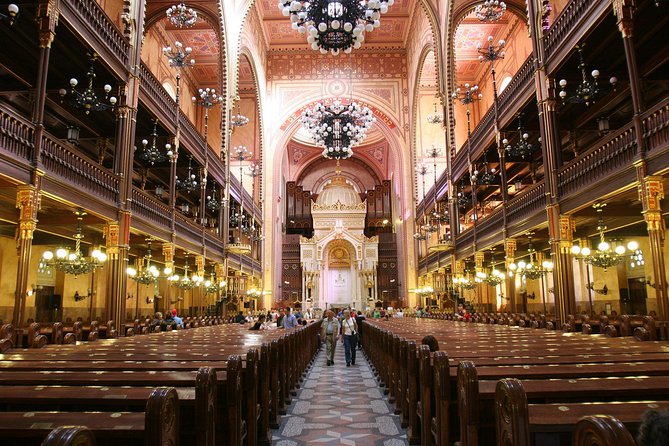
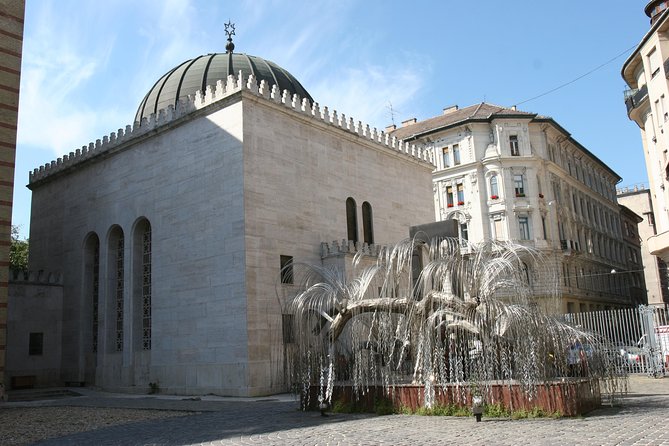
No matter which route you pick, the tour’s heart is the Jewish “center of gravity” around the Great Synagogue complex. The Dohány Street Synagogue (Nagy Zsinagoga) is the star here, and you get an interior visit on the Small and Essential routes, plus on the Grand Tour as part of the full arc.
This is also where the tone shifts from architecture to memory. The Jewish Museum stop is built around art and culture, but it also includes a separate room commemorating the Holocaust in Hungary. That combination is powerful because it doesn’t reduce people to tragedy alone; it shows community life, identity, and the long arc that led into catastrophe.
After the synagogue and museum, you move to nearby sites that help you understand Budapest’s Jewish landscape in real geography, not just dates on a timeline. The Martyrs’ Cemetery is part of the Small and Essential routes, and it gives you a quiet break from the busier streets.
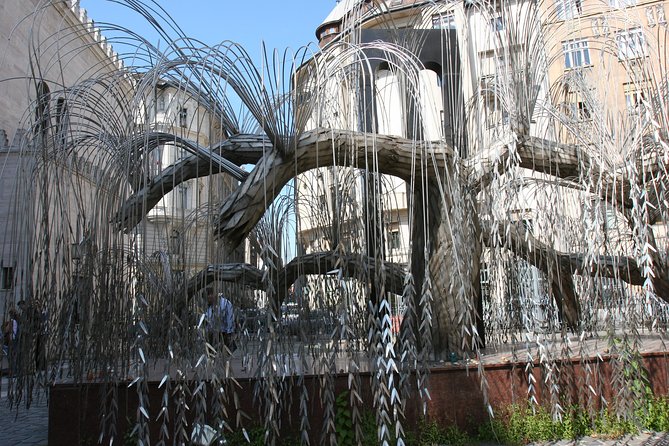
Two memorial moments stand out on this route: the Raoul Wallenberg memorial park and the Tree of Life memorial. These stops are brief compared to the museum, but they’re the kind of places where the guide’s explanations can make the names and symbols feel real, not abstract.
If you want a practical add-on, the Jewish Centre visit is included, and there’s time tied to the Family Research Center. If your family history connects to the region, this is one of the most meaningful “do something with the information” stops on the day.
From Deák Ferenc Square to Madách Square: Pest’s Jewish Roots
If you choose the Essential Tour, the day starts at Deák Ferenc Square. This matters because it anchors you in old Pest—the part of Budapest that’s often the key to understanding how the city grew and how Jewish communities fit into that growth.
From there, you’ll see the historical context tied to the Jewish market area, plus the Gábor Sztehlo monument. He was a Lutheran pastor who was recognized as Righteous among the Nations by Yad Vashem, and that detail helps you connect faith, rescue efforts, and moral courage across the region—not just within the Jewish community itself.
Then the route moves to Madách Square, linked to the history of the Orczy house and Pest’s first Jewish center. It’s one of those “small street-level details” stops that can change how you read the city later. Suddenly, you start noticing layers you would otherwise walk past.
The Rumbach Street Synagogue is included as an outside visit on this route. That’s a small thing in timing, but it helps you get orientation: you’re not only going inside iconic buildings, you’re learning what parts of the neighborhood matter and why.
After these Pest-side stops, the Essential Tour blends back into the same core sequence of museum and synagogue visits that the Small Tour covers, including the Dohány Street Synagogue interior, the Martyrs’ Cemetery, Wallenberg and Tree of Life memorials, Heroes’ Temple outside, and time at the Jewish Centre.
The Grand Tour: Carl Lutz, the Orthodox Quarter, and Kazinczy Synagogue
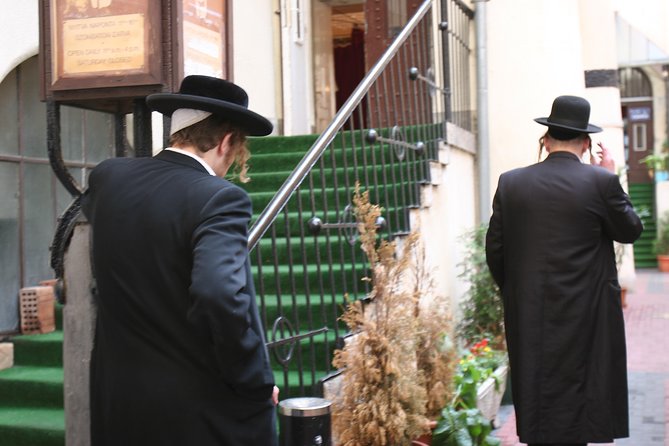
Pick the Grand Tour when you want more than “the big sites.” You’ll follow everything in the Essential route first, then add extra layers that broaden the picture.
A major added stop is the Carl Lutz Memorial Park. He’s described here as Hungary’s Schindler, connected to rescue efforts during the Holocaust. For many people, this is the moment when the story stops feeling like one neighborhood and starts feeling like a web of actions, choices, and bravery across Budapest.
Next comes the Gozsdu Passage and the Orthodox Jewish Quarter. This is where you see a different rhythm of the Jewish quarter—less like a museum route and more like a living neighborhood with visible community life.
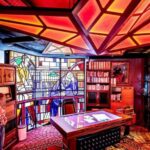
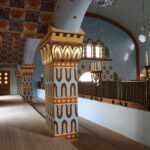
Then you visit the Kazinczy Street Synagogue interior. That’s a key difference from the shorter tours. If you’re planning this trip for synagogue interiors alone, the Grand option gives you two major buildings—Dohány and Kazinczy—rather than just one.
Food-wise, there’s an extra sweet option. You can accept an invitation to have cake at Fröhlich Confectionery, described as glatt kosher. Just note that it’s an invitation tied to the tour timing, and the tour data doesn’t present meals as generally included beyond that.
Hotel Pickup, Start Times, and Staying Comfortable
This tour is designed around pickup, so your first task is simple: pick a start time that works with your morning energy level. The listed start time is 10:00 am, but you can choose according to what the operator offers.
Pickup is from centrally located Budapest hotels. That’s a practical detail because it reduces the chance you’ll arrive late at synagogue entry windows. It also helps you avoid the “I’ll just walk there” gamble that can eat half your tour time.
The walking requirement is listed as moderate physical fitness. In practice, that usually means you should be comfortable with city walking and a few longer stretches between stops. It also means the tour works best when you wear shoes that can handle cobblestones and get you through synagogue entrances without rushing.
One more practical note: admission tickets are included for entry to the Dohány Street Synagogue and Kazinczy Street Synagogue. Museum entry is part of the route plan, but the clearest inclusions spelled out are those two synagogue admissions, so it’s worth knowing those are covered.
You can also read our reviews of more historical tours in Budapest
Price and Value: What $191.72 Buys You
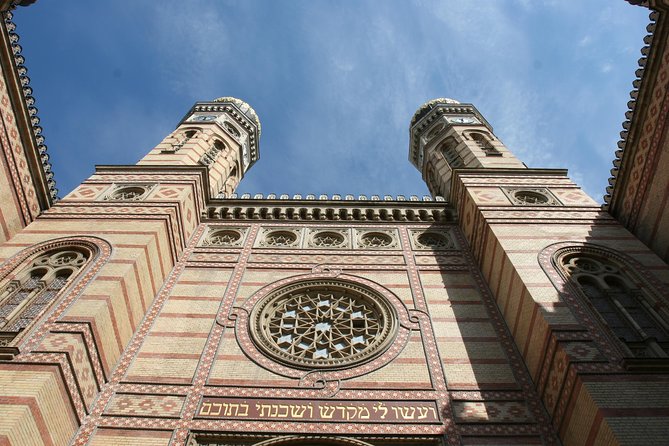
At $191.72 per person, this is not the cheapest way to do Budapest. But it is a strong deal when you price it against what you actually get: a private guide, hotel pickup, and entry to major synagogues.
You’re paying for time and access. A private guide means you can ask questions that match your background and interests, instead of receiving the same script regardless of your curiosity. The included admissions to key synagogues help reduce the “ticket math,” especially if you’re comparing against tours that include only outdoor viewing.
The value is even better when you compare route types. A Shorter Small Tour still includes the core synagogue interior and museum experience. The Grand Tour adds more stops and the second synagogue interior without turning it into a full-day food-and-transit grind.
If you’re traveling with a group of five, there are reduced group prices available. That can turn this from a “special interest splurge” into a very sensible family plan.
The Guide Makes the Difference: What to Look For
The biggest difference between a good Jewish heritage walk and a memorable one is how the guide connects facts to place. The guides associated with this tour have a track record of making the information feel human.
Names that come up include Benjamin, who’s described as relatable, friendly, and willing to tailor things. Petra is praised for pace and communication, including slowing down when guests want to pause for photos and keeping the long route feeling manageable. Greta is noted for strong engagement and the ability to answer questions with confidence.
Other guides mentioned for style and impact include Dorian, who brings history to life, and Fatima, who’s described as personable and able to connect the stops to personal context when guests share family background. Joel is also named as an engaging guide during museum time.
If you can, choose a start time that gives you enough energy to ask questions. A private tour works best when you treat it like a conversation, not a checklist.
Things to Consider Before Booking
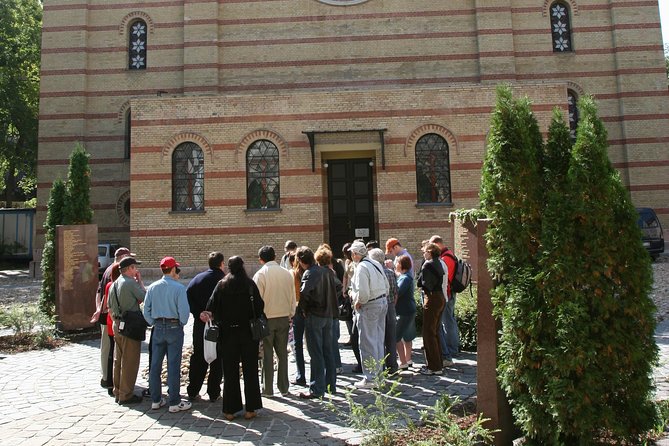
This tour is focused and stop-based. That’s a strength, but it can also mean you won’t see every major Jewish site in Budapest.
For example, the route data here doesn’t list the Danube-side Shoes memorial or a separate Holocaust museum stop. Your day will include Holocaust commemoration inside the Jewish Museum, plus memorials like Wallenberg and the Tree of Life. But if your top priority is a specific Holocaust-related site that’s not named in the route, confirm before you commit.
Food is another consideration. The tour data says food and drinks aren’t included unless specified. The Grand Tour includes an invitation to cake at Fröhlich Confectionery, but meals and drinks are still on you for the rest of the day.
Finally, this is a walking tour. Even with moderate fitness and a comfortable pace, you’ll want to plan restroom breaks and wear shoes you trust.
Should You Book This Jewish Heritage Tour?
Book it if you want a structured, respectful, private walk through Budapest’s most important Jewish sites—with time inside major synagogues and memorials that explain more than signage.
Choose the Small or Essential Tour if you have limited time but still want the “core hit” experience: Dohány Street Synagogue interior, the Jewish Museum (including the Holocaust room), Martyrs’ Cemetery, and memorial parks. Choose the Grand Tour if you want the Orthodox Jewish Quarter side of the neighborhood, the Kazinczy Street Synagogue interior, and additional memorial connections like Carl Lutz.
Skip it (or at least confirm details) if your goal is a very specific list of Holocaust sites that aren’t included in the named stops. Also think twice if you’re looking for a food-heavy day, since meals are mostly not included.
If you’re coming to Budapest with real curiosity—and you want your guide to help you connect the dots between buildings, people, and memory—this is a tour that tends to hit the right notes.
FAQ
How long is the tour?
The experience runs about 5 hours in total, but you can choose among three private options: Small (~2 hours), Essential (~2.5 hours), or Grand (~4.5 hours).
Is hotel pickup included?
Yes. Pickup is included from centrally located hotels in Budapest to the starting point.
Where does the tour start?
You can start according to your preference, and the listed start time is 10:00 am. The exact starting point depends on which option you book, such as the Jewish Museum area (Small) or Deák Ferenc Square (Essential).
Is it a private tour?
Yes. This is a private activity, with only your group participating.
What languages are offered?
The tour is offered in English.
Which synagogues are included?
Entry to the Dohány Street Synagogue is included. Entry to the Kazinczy Street Synagogue is included as well, with Kazinczy interior visit listed for the Grand Tour.
What memorial stops are included?
You’ll see the Raoul Wallenberg memorial and the Tree of Life memorial. The Martyrs’ Cemetery is also included on the Small and Essential routes.
Is food included?
Food and drinks are not included unless specified. On the Grand Tour, you’re invited to have cake at Fröhlich Confectionery.
Do I need tickets in advance?
You receive a mobile ticket.
Can I cancel for a refund?
Yes. There is free cancellation, and you can cancel up to 24 hours in advance for a full refund.