REVIEW · AMSTERDAM
Amsterdam: Private Anne Frank and Jewish History Tour
Book on GetYourGuide →Operated by Amsterdam Experiences · Bookable on GetYourGuide
A few streets in Amsterdam can still feel heavy. This private Jewish history tour strings together safe-haven beginnings, Nazi terror, and Dutch resistance through real landmarks. I love how the guide keeps the stories human, not just dates, and I also like the built-in Anne Frank House plan. One consideration: the Anne Frank House has very narrow, steep stairs and no lift, so some mobility needs can be a deal-breaker.
Starting at the Portuguese Synagogue gives the trip a grounded start, then the route moves fast through places you can actually picture from history books. I also like the small-but-welcome break built into the day, plus a stop for Dutch apple pie and a drink while you’re still in the story. If you’re hoping for lots of museum time, this is more of a walk-and-meaning tour than a long inside-the-exhibits day.
Price is $336 per person for 3 hours, and that’s not cheap. The value comes from it being private, the guided stops at key memorials, and help getting Anne Frank House entry (when available), plus guide support throughout.
In This Review
- Key things you’ll notice on this tour
- Starting at the Portuguese Synagogue: setting the tone
- Dokwerker and the Names Monument: where the guide controls the emotional pace
- Hortus Botanicus pass-by and the Auschwitz Monument stop
- Walking the Jewish Quarter: safe haven to persecution, step by step
- Artis Zoo and Plantage break time: a breath before Dam Square
- Anne Frank House timing, narrow stairs, and the VR backup plan
- Apple pie and a drink: why the comfort matters here
- Price and value for a private 3-hour Amsterdam experience
- Who this tour is best for (and who might want to plan differently)
- Guides you might get: professional, energetic, and story-driven
- Should you book the Amsterdam Jewish History Tour with Anne Frank House help?
- FAQ
- Where do I meet for the tour?
- How long is the Amsterdam Jewish history tour?
- Is Anne Frank House entry included?
- What happens if Anne Frank House tickets are not available?
- What’s included in the price?
- Is this tour suitable for people with mobility impairments?
Key things you’ll notice on this tour
- Portuguese Synagogue start: a meaningful, historic point of departure before you head into the streets of the old Jewish Quarter
- Holocaust memorial focus: the route includes guided time at major remembrance sites, not just quick photo stops
- Anne Frank House help: tickets may be included if you book early enough, with a VR backup if not
- Dutch resistance stories: you’ll hear how people helped, not only what happened to victims
- A practical break in Plantage: time to reset before the final stretch toward Dam Square and the Westerkerk
- Apple pie and a drink: a small comfort during an emotionally heavy route
Starting at the Portuguese Synagogue: setting the tone

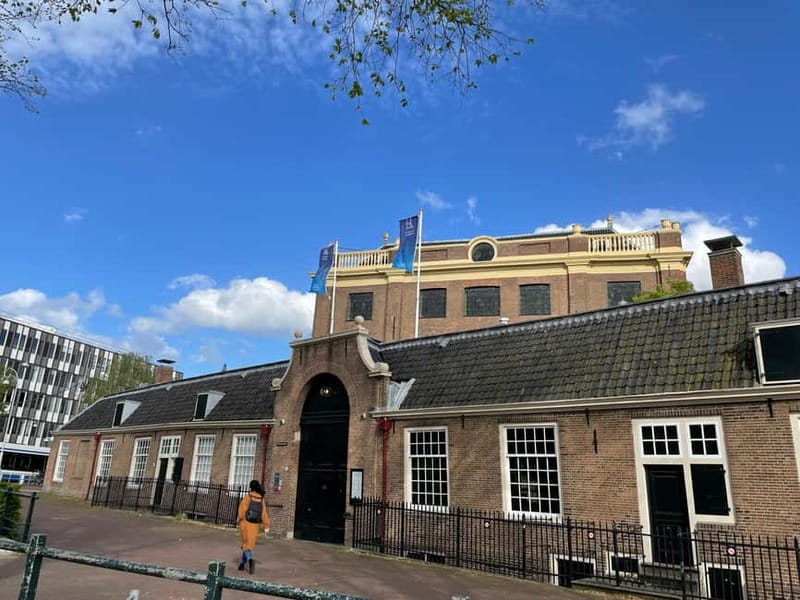
You meet outside the main entrance of the Portuguese Synagogue of Amsterdam. That matters, because it signals you’re starting with community and culture, not jumping straight to the darkest chapter.
From there, the guide steers you onto the story’s timeline. You’ll get a clear explanation of how Amsterdam became a refuge for Jewish families, especially those arriving from Southern and Eastern Europe. The point isn’t to romanticize the past; it’s to show how fragile safety was—and how quickly it could end.
This is a private group tour, and that changes the feel. Instead of listening through crowds, you can ask questions in a moment that makes sense. And since the guide works in English, Spanish, or Dutch, you’re less likely to lose meaning when names, locations, and dates start stacking up.
You can also read our reviews of more tours and experiences in Amsterdam.


Dokwerker and the Names Monument: where the guide controls the emotional pace
The first real stop is the Dokwerker, a short visit that helps frame the area you’re about to walk through. It’s only around 10 minutes, so the guide uses it like a transition—helping you connect geography to history before you hit the memorials.
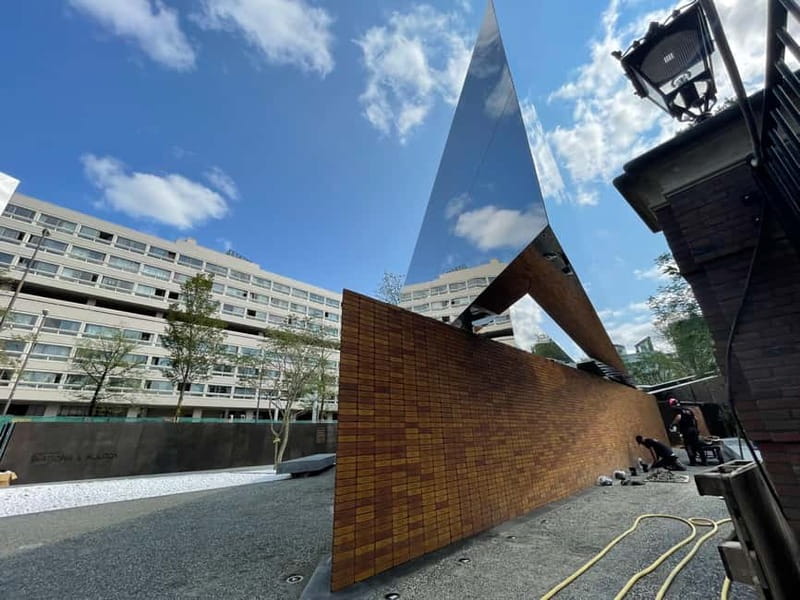
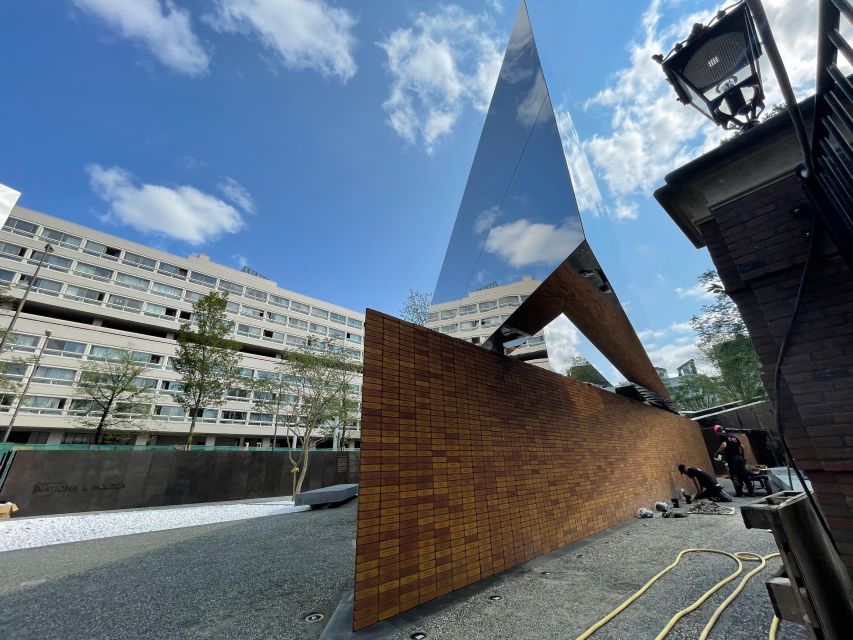
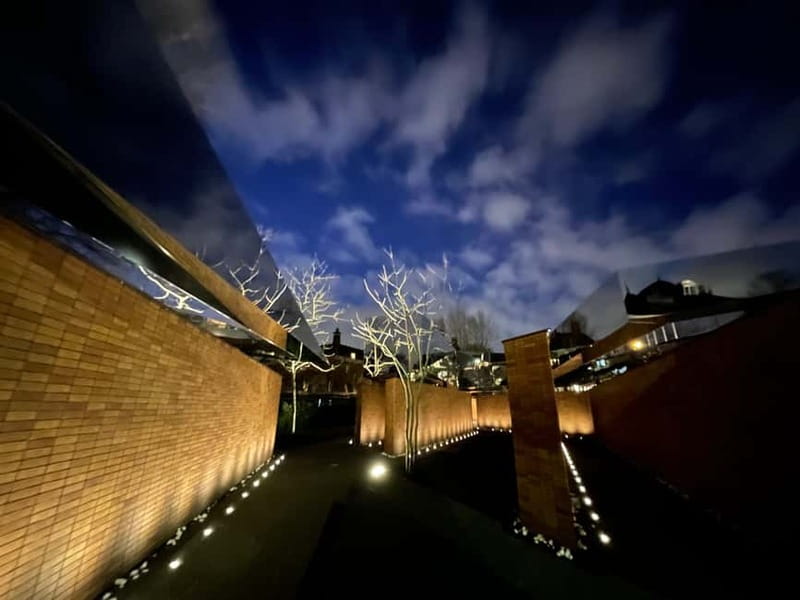
Next comes the National Holocaust Names Monument, with guided time of about 15 minutes. This is where the tour shifts from background to reality. You’ll spend more guided time here than at many other stops because the site is about remembrance, and remembrance needs context.
What I like about this style of tour pacing is that it doesn’t rush past the heavy parts. The guide also gives you a sense of what tension felt like under Nazi rule, so you’re not just seeing memorial stones—you’re learning why people could not simply choose safety and walk away.
Hortus Botanicus pass-by and the Auschwitz Monument stop
You pass Hortus Botanicus, about a 5-minute moment. Even though you’re not going inside, it works as a reset for the senses. It also helps you understand how today’s Amsterdam sits right on top of older histories.
Then you return to remembrance with a guided stop at the Auschwitz Monument (about 15 minutes). This is one of those places where a short visit with the right explanation can do more than a longer wander with no structure. You get the why behind the monument and what it represents, rather than treating it as a standalone “must-see.”
If you’re sensitive to Holocaust-related sites, this part of the route can land hard. That’s not a flaw—it’s the nature of the places you’re visiting. The benefit is that the guide gives structure so the experience doesn’t feel random.
Walking the Jewish Quarter: safe haven to persecution, step by step

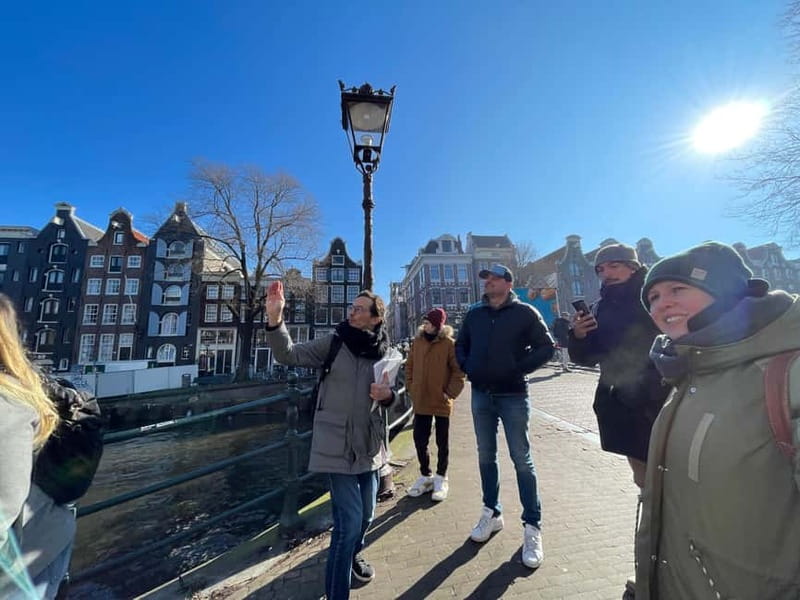
The heart of the route is the walk through the Jewish Quarter area, with about 20 minutes on foot. This is where you’ll get the sense of Amsterdam’s older street life and why certain landmarks became part of the community’s map.
You’ll learn how the Nazis tightened control and how fear spread. The tour doesn’t only talk about what happened; it also helps you picture what daily life could feel like when rights were stripped away and deportation was a looming threat.
The best part here is that the guide connects places to choices made by people who tried to resist. Dutch resistance comes up more than once, and the guide specifically explains how hundreds of Jewish children were saved from deportation. That detail matters. It moves the story from tragedy to courage, and it helps you see that resistance took real forms, not just speeches.
Along the way, you’ll also hear connections to Anne Frank’s story. Even before you get to the Anne Frank House itself, the Westerkerk connection gets mentioned later, but the guide’s framing helps you understand why certain buildings and streets show up again and again in Anne Frank-related memory.
Artis Zoo and Plantage break time: a breath before Dam Square
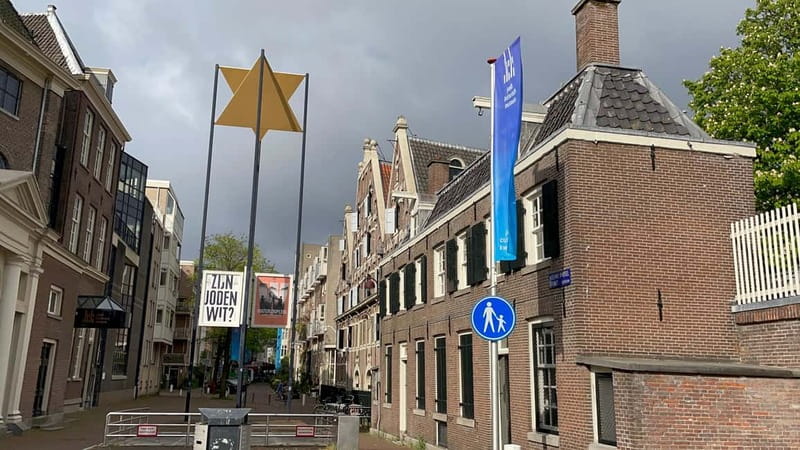
You pass Artis Zoo (around 10 minutes). It’s another quick “today” moment in the middle of “then,” and it gives your legs a chance to keep moving without adding new stops.
Then you reach Plantage with about 20 minutes of break time. This is practical in a way that’s easy to overlook when you’re planning an emotional tour. You can grab water, use the bathroom if needed, or just sit for a moment before the last guided stretch.
After Plantage, you hit Dam Square with a guided segment of about 10 minutes. This part helps you connect the Jewish Quarter story back to central Amsterdam. It’s useful if you want your day to feel like more than a single neighborhood walk—it becomes a route through the city’s layers.
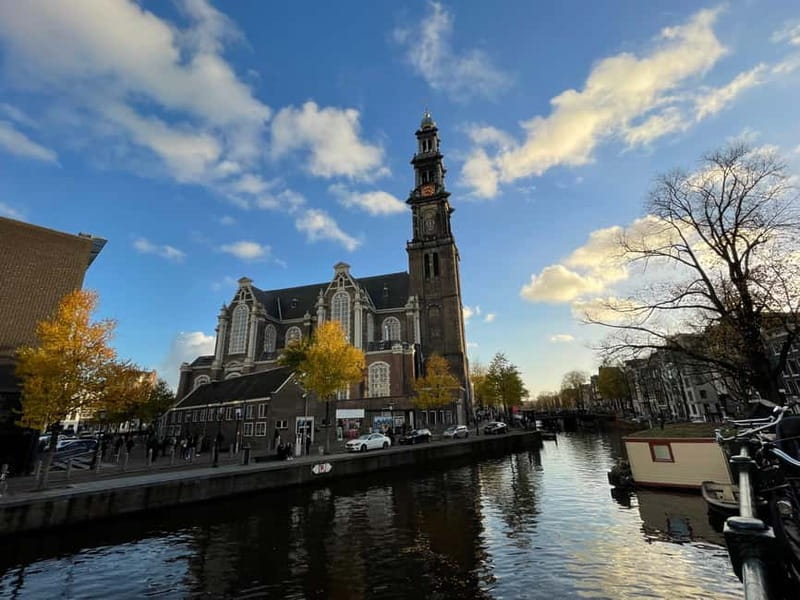
Then you move toward the Westerkerk. You pass it briefly (about 5 minutes), but it’s a key stop because of its connection to Anne Frank’s story. Even if you only spend a few minutes outside, that connection gives the street scene added meaning.
You can also read our reviews of more historical tours in Amsterdam


Anne Frank House timing, narrow stairs, and the VR backup plan
Anne Frank House is the final stop, with the guided time listed at about 5 minutes. Here’s the important practical detail: your guide assists you in getting tickets for an unguided visit. That means you’ll get in on your own schedule inside the house experience, while still benefiting from the guide’s help with entry timing and orientation.
Tickets are included if you book at least 12 days in advance (subject to availability). There’s also a stricter reality: tickets are only guaranteed when booked 7 weeks in advance. So if you’re traveling during peak season or on a tight schedule, you’ll want to book early to protect your plans.
If Anne Frank House tickets are unavailable due to last-minute booking constraints, you’ll get a virtual reality tour of the house instead. That’s not the same as standing in the spaces, but it does keep you from walking away with no Anne Frank component.
One more thing you shouldn’t ignore: the staircases at Anne Frank House are very narrow and steep, and there is no lift. The tour is listed as wheelchair accessible, but the no-lift detail and the stair design are crucial. If you have mobility limitations or plan to rely on assistance, you should treat this as a “confirm your feasibility” situation before you book.
Apple pie and a drink: why the comfort matters here
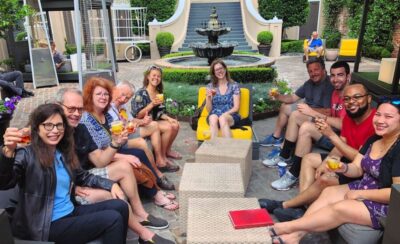
During the tour, you’ll enjoy apple pie and a drink as you hear stories of resistance and bravery. This is more than a snack. It gives you a moment of normal Amsterdam life in the middle of a heavy subject.
It also helps you pace your attention. The tour mixes guided memorial time with walking time, and food breaks the intensity in a way that lets you absorb details instead of feeling overloaded.
If you have dietary needs, the tour info you provided doesn’t specify alternatives. I’d plan for the standard apple pie and drink unless you contact the provider ahead of time.
Price and value for a private 3-hour Amsterdam experience
At $336 per person for 3 hours, you’re paying for three things: privacy, guided memorial stops, and Anne Frank House ticket support (when timing works).
In a city where many history tours turn into a crowded sprint, private time is a real advantage. You’re not competing for hearing the explanation at the moment the guide is pointing out names, symbolism, or historical connections.
You’re also getting guided time at multiple remembrance sites, including the National Holocaust Names Monument and the Auschwitz Monument. Those two stops alone can justify the cost if you care about understanding what you’re seeing rather than just photographing it.
The Anne Frank House component can swing the value a lot. When tickets are included, you’re essentially paying to convert your interest in the diary and its story into a smooth, realistic entry plan. When tickets aren’t available and you get VR instead, the trip still has meaning—but you should expect a different experience than an in-person visit.
Who this tour is best for (and who might want to plan differently)
This tour is a strong fit if you want Jewish history and WWII context connected to walking routes through the city. It’s also a good choice if you prefer a guided story with built-in structure, especially around major memorials.
It works well for first-timers to Amsterdam who want more than canals and shopping, but still want a manageable 3-hour commitment. If you’re traveling with teenagers, this style can work because the guide can steer the emotional pacing and keep the narrative coherent.
If you want lots of time inside museums or expect long, uninterrupted time at the Anne Frank House itself, you may find the schedule short. The Anne Frank part is unguided after ticket help, and the guided time at the house area is brief.
For mobility needs, the stair situation at the Anne Frank House is the big issue. Even with wheelchair accessibility listed, the narrow steep stairs and no lift can block access to the experience you’re likely coming for.
Guides you might get: professional, energetic, and story-driven
The tour’s reviews highlight guide quality again and again, and it shows in how people talk about the experience. Names that come up include Chris, Kayleigh (also spelled Kaleigh), and Inbal Tur-Shalom.
Chris is described as extraordinary and making the day feel pleasurable. Kayleigh/Kaleigh gets praise for being thoughtful, energetic, and strong at connecting surrounding context to the WWII story. Inbal Tur-Shalom is singled out for professionalism and for enhancing a visit to Anne Frank House with strong war-year context.
Even if you don’t know your guide in advance, that pattern matters. It suggests the operator invests in guides who can handle serious material with care and clarity, instead of just reading a script.
Should you book the Amsterdam Jewish History Tour with Anne Frank House help?
If you want a private, guided route through Amsterdam’s Jewish neighborhoods and WWII memorial sites, this is an easy yes—especially if Anne Frank House entry is high on your list. The combination of safe-haven context, persecution reality, resistance stories, and major memorial stops is a smart mix.
I’d book it sooner rather than later. Tickets are not something you can fully count on at the last minute, and the guaranteed window pushes you toward planning ahead. If you do have mobility concerns, check the Anne Frank House stair situation early and don’t assume it will work smoothly.
Bottom line: this tour earns its price when you care about meaning, not just locations, and when you want a guided thread that ties the city’s landmarks to the human story.
FAQ
Where do I meet for the tour?
Meet outside the main entrance of the Portuguese Synagogue of Amsterdam.
How long is the Amsterdam Jewish history tour?
The tour duration is 3 hours.
Is Anne Frank House entry included?
Tickets for Anne Frank House are included if you book at least 12 days in advance (subject to availability). Tickets are only guaranteed when booked 7 weeks in advance.
What happens if Anne Frank House tickets are not available?
If tickets are unavailable due to last-minute booking constraints, you’ll be provided a virtual reality tour of the house instead.
What’s included in the price?
Inclusions include a guide, an optional tram ride, apple pie and a drink, and Anne Frank House tickets if booked early enough.
Is this tour suitable for people with mobility impairments?
The tour is listed as wheelchair accessible, but the Anne Frank House has very narrow, steep staircases and no lift. Because of that, people with mobility impairments may find the Anne Frank House difficult to access.