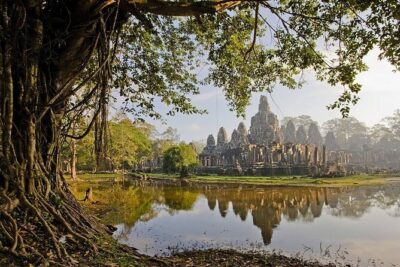
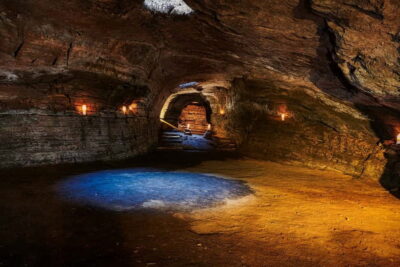
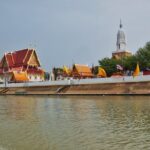
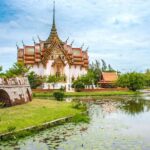
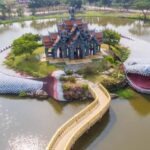
One ticket, two big wow stops. You’ll walk through a mini Thailand that shows how culture, religion, and myth spread across the country.
What I like most is the Ancient City layout: five regions, major landmarks recreated, and it’s easy to see connections without needing a lecture. I also like that the Erawan Museum experience is concentrated around one unforgettable centerpiece—the three-headed elephant with murals and sacred-style scenes.
Here’s the trade-off to plan around: these two places are not close together, and the day is mostly on foot. If you expect a smooth hop between sites, you’ll want to budget for transportation time and enough energy for walking.
In This Review
- Key Points to Know Before You Go
- How This 4 to 6 Hour Ticket Works in Real Life
- Price and Value: What You’re Paying For
- Ancient City (Muang Boran): A Thai Cultural Map You Can Walk
- Northern Region: Lanna-Style Temples and Hallways of Power
- Northeastern Region: Khmer-Inspired Sanctuaries
- Central Region: Royal Palaces and the Floating Market Vibe
- Southern Region: Blended Culture Signals
- Suvarnabhumi Zone: Mythology in Monument Form
- Timing Inside Muang Boran
- Walking, Golf Carts, and Getting Your Legs Right
- Erawan Museum: The Three-Headed Elephant Centerpiece
- Plan on About 3 Hours Here
- Opening Hours and Last Entry
- The Big Catch: Two Museums, One Day, and a Gap in Between
- Rules You’ll Notice at the Door
- Who This Experience Fits Best
- A Simple Pace Plan That Usually Works
- Should You Book the Ancient City and Erawan Museum Ticket?
- FAQ
- How long does the Ancient City and Erawan Museum ticket take?
- Is this tour mostly walking?
- What’s included in the price?
- Are the Ancient City and Erawan Museum close together?
- What are the opening hours for Ancient City?
- What are the opening hours for Erawan Museum?
- Are drone photos allowed at Ancient City?
- Can I bring a Thai costume for photos?
Key Points to Know Before You Go
- Five Thai regions in one ticket: northern, northeastern, central, southern, plus the Suvarnabhumi mythology zone at Muang Boran.
- Ancient City closes with last entry at 6:00 PM: you’ll want to start earlier than you think, especially if you like photos.
- Erawan Museum inside closes at 5:30 PM: last entry is 5:00 PM, so you’ll feel the time crunch near the end.
- This tour is walk-only by default: golf carts, bikes, and a private tram option cost extra.
- No outside Thai costumes: useful if you planned to dress up for photos.
- Drone photos are prohibited in Muang Boran: keep your camera settings ready for ground-level shots.
How This 4 to 6 Hour Ticket Works in Real Life
This is the kind of ticket that works best when you treat it like two separate attractions, not one continuous walking circuit. The total time is listed as about 4 to 6 hours, but that depends heavily on how long you linger in the Ancient City and how quickly you get from one site to the other.
Plan to move at a steady pace. You’ll get the full Ancient City experience in roughly three hours if you walk and pause often. Then you’ll usually need another chunk of time for the Erawan Museum, which is also about three hours on the schedule. If you’re a slow photographer, you may squeeze both in closer to the high end—or miss the inside areas if you arrive late.
Also, this is a mobile ticket day. You don’t need to print anything, but it’s smart to keep the phone battery topped up. That’s a small thing that saves stress when you’re between stops.
A few more Bangkok tours and experiences worth a look


Price and Value: What You’re Paying For
The price is $14.46 per person, and what makes it feel reasonable is that it’s not just “entry only.” The ticket includes admission, and it can include a Thai buffet meal depending on the option you choose.
You’ll see options like:
- Ancient City only
- Ancient City + Thai buffet
- Erawan Museum only
- Ancient City + Erawan
- Combo ticket + Thai buffet
If you’re hungry mid-day, adding the buffet option is usually the best value move. If you already planned to eat near transit or prefer street food, you might keep costs down by choosing the museum-only versions. Either way, you’re paying mainly for two very different kinds of culture: one is a large outdoor “history map,” and the other is a single museum built around a mythic animal.
Ancient City (Muang Boran): A Thai Cultural Map You Can Walk
At Muang Boran, you’re essentially touring Thailand through recreated landmarks. The grounds are divided into five regions, and that structure is the key to making the visit click. Instead of random buildings, you get a sense of how different kingdoms and belief systems shaped the country.
Expect a lot of walking, lots of photo angles, and plenty of small details that reward a relaxed pace. Your biggest advantage here is mental clarity: each region has its own visual language, so your brain starts sorting what you see.
Northern Region: Lanna-Style Temples and Hallways of Power
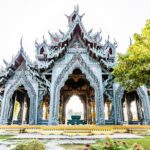
In the north, look for the Ho Kham Pavilion and the Grand Hall of Wat Maha That. Even if you’re not a temple expert, these are the kinds of structures that help you recognize “northern style” quickly—rooflines, proportions, and ornament feel cohesive.
If you like architecture more than museum labels, this part is a good place to slow down and compare shapes. You’ll get a stronger impression than you would by trying to race through everything.
Northeastern Region: Khmer-Inspired Sanctuaries
Then the scene shifts to the northeastern influences, where you’ll see Prasat Phra Wihan, Phimai Sanctuary, and Prasat Sikhoraphum. The Khmer influence is usually most obvious in these sanctuary-style complexes: the layout, the sense of monumentality, and the way carvings define the surfaces.
This is where history-lovers tend to enjoy the “aha” moment. You’re not just looking at buildings. You’re spotting patterns tied to regional history.
You can also read our reviews of more city tours in Bangkok




Central Region: Royal Palaces and the Floating Market Vibe
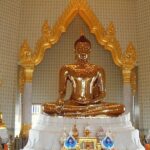
In the central area, don’t skip the Dusit Maha Prasat Palace, the Floating Market, and Sanphet Prasat Palace. These sections feel more “royal Thailand,” with grander palace energy and built-in spectacle.
If you’re traveling with family, this part often lands well. It’s visually strong, and it gives kids a break from reading-style explanations.
Southern Region: Blended Culture Signals
The south includes City Sala and Pallava carvings. This section is a reminder that Thailand’s cultural story didn’t grow in a single straight line. You’ll see influences overlapping, which makes the entire park feel more like a cultural crossroads than a single national style.
Suvarnabhumi Zone: Mythology in Monument Form
Finally, the Suvarnabhumi Zone brings Thai mythology to life with Sumeru Mountain and the Pavilion of the Enlightened. This part can feel more “spiritual fantasy” than strict historical replica, which is exactly why it’s fun. It’s not only about what happened—it’s also about how people imagined the cosmos.
If you enjoy mythology or religious art, this zone can be the emotional highlight of the whole Ancient City.
Timing Inside Muang Boran
Muang Boran is open daily from 9:00 AM to 7:00 PM, with the last entry at 6:00 PM. Because you’ll likely be walking and exploring, I recommend planning to be in the park well before mid-afternoon, especially if you want a relaxed photo pace.
Also, drone photography is prohibited in Muangboran the Ancient City, so keep your drone at home or plan to fly nowhere. Security and local rules are real-world constraints, not suggestions.
Walking, Golf Carts, and Getting Your Legs Right
This experience is walking only as part of the standard setup. That’s fine for most people, but you’ll want to be honest about your pace and footwear.
If you need options, they’re available on-site:
- Extra fee for a 4-seat golf cart: 350 THB for the first hour, 200 THB for the second hour
- Extra fee for a 6-seat golf cart: 500 THB for the first hour, 300 THB for the second hour
- Extra fee for bicycle rental: 150 THB per bicycle
- Extra fee for a private tram (30 PAX): 1,500 THB per hour
- private tram reservations must be made at least 3 days in advance
A practical tip: if you’re a group, decide early who needs wheels. The cost difference between cart size can matter, and switching strategies mid-visit usually wastes time.
And yes—your shoes may take a beating. Bring something that feels dependable underfoot.
Erawan Museum: The Three-Headed Elephant Centerpiece
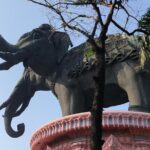
After Ancient City’s sprawling layout, the Erawan Museum feels like a focused stop. It’s built around the colossal three-headed elephant, and inside you’ll find intricate murals, spiritual relics, and celestial designs.
What I find smart about this museum is how it blends belief traditions into one visual experience. The setting ties Buddhist, Hindu, and Thai folklore together, so it doesn’t feel like a single rigid theme. Instead, it’s a story told through symbolism and ornament.
Plan on About 3 Hours Here
The schedule lists around 3 hours for Erawan Museum. Realistically, you can spend less if you only want the main elephant interior and the most striking rooms. Spend more if you like reading the visual details and lingering at mural zones.
Opening Hours and Last Entry
Erawan Museum is open daily from 9:00 AM to 6:00 PM. The inside area closes at 5:30 PM, and the last entry is at 5:00 PM. That last part matters. If you show up late, you may miss some interior time even if the building is still technically open.
I’d rather you arrive early and slow down than rush and feel disappointed.
The Big Catch: Two Museums, One Day, and a Gap in Between
Here’s the practical issue you should not ignore: the two sites are not located near each other. In plain terms, you should assume you’ll need real transportation time between them.
One detail that’s worth planning for: Erawan Museum is about 11 km away from Ancient City. That distance turns into a bigger deal if you’re also short on daylight.
The tour is mostly walking, too. There’s no magic way around the “get from A to B” problem. If you’re using public transport, factor in walking time and street crossings. One helpful data point: from the Chang Awaran BTS skytrain area, the walk to the Ancient City side can be around 15 minutes.
So here’s the rule of thumb I’d follow:
- Start Ancient City early enough that you’re not racing the clock.
- Then go to Erawan with plenty of time to enter before 5:00 PM.
If you don’t, you risk arriving at Erawan Museum when the best interior access is already tightening.
Rules You’ll Notice at the Door
A few house rules help prevent wasted time:
- Outside Thai costumes are not permitted. If you thought about renting or bringing costumes for photos, don’t.
- Drone photography is prohibited in Muangboran (Ancient City).
- You’re on a walking-only format by default, but rentals exist for an added fee.
These rules are small, but they can change your experience. The day goes smoother when you know what’s allowed before you arrive.
Who This Experience Fits Best
This ticket makes the most sense if you want a single day that mixes:
- outdoor cultural landmarks you can walk through
- a museum built around mythology and religious art
It’s a good fit for:
- families who like a varied route with plenty of open space
- history and culture fans who enjoy seeing regional differences in a visual format
- travelers who like mythology and symbolism, not just dates and dynasties
It may be a tougher fit for people with limited mobility, because walking is the default and the parks and museum areas require sustained movement.
If you’re traveling with a tight schedule, I’d also be cautious. The distance between sites means you need flexibility, not just good timing.
A Simple Pace Plan That Usually Works
If you want the day to feel calm instead of rushed, I’d structure it like this:
- Morning to mid-afternoon at Ancient City (take your time with the five regions)
- Transport to Erawan Museum with enough time to settle in and still enter before the cutoffs
- Late afternoon at Erawan so you can enjoy the elephant interior before the inside closes at 5:30 PM
Since both places have last entry rules, it’s worth treating your end time as the anchor. Your best photos will come when you’re not constantly checking the clock.
Should You Book the Ancient City and Erawan Museum Ticket?
Yes, if you want a day that blends Thailand’s regional identity with a museum built around myth and religious-style art. The value can be solid for the price, especially if you choose the option that includes the Thai buffet and you’re planning to eat nearby anyway.
But I’d think twice if you hate walking or if you dislike logistics. The biggest downside is that the museums are not close together, and you’ll be relying on real transportation time between them. Also, late arrival can cut into interior access at Erawan, because last entry is 5:00 PM.
If you’re okay managing a walking day and you start with timing in mind, this is a fun, visually driven cultural tour that gives you a strong sense of Thailand’s mythology and regional influences in just a few hours.
FAQ
How long does the Ancient City and Erawan Museum ticket take?
The experience is listed as about 4 to 6 hours total.
Is this tour mostly walking?
Yes. All options are for walking only. Golf carts and bicycle rentals are available on-site for an extra fee.
What’s included in the price?
Admission fees are included. If you select the option that includes food, you’ll also get a Thai buffet lunch/dinner.
Are the Ancient City and Erawan Museum close together?
No. They are not located near each other, so you’ll need time to get between the two.
What are the opening hours for Ancient City?
Ancient City operates daily from 9:00 AM to 7:00 PM, with the last entry at 6:00 PM.
What are the opening hours for Erawan Museum?
Erawan Museum operates daily from 9:00 AM to 6:00 PM. The inside area closes at 5:30 PM, and the last entry is at 5:00 PM.
Are drone photos allowed at Ancient City?
No. Aerial drone photography is prohibited in Muangboran the Ancient City.
Can I bring a Thai costume for photos?
Outside Thai costumes are not permitted.