One day in Kathmandu can feel like a history lesson with stairs. This tour strings together five UNESCO World Heritage sites—Swyambhunath, Patan Durbar Square, Bouddhanath, Pashupatinath, and Kathmandu Durbar Square—into a tight 4–6 hour circuit that helps you see a lot without getting lost. I especially like the mix of Buddhist and Hindu sites in one day, and the fact you get a real guide (not just a map). The main drawback is time: most stops are around 30 minutes, so you need to be okay with quick visits rather than long wandering.
What makes it work well is the practical side: private transportation, a small group capped at 15 travelers, and a 9:15 am start that keeps you off the road later when traffic and crowds can get messy. You also get a mobile ticket, so you are not juggling paper. Just budget for entrance fees since monument tickets are not included, and lunch is on you.
In This Review
- Key Highlights You’ll Actually Care About
- Why This Kathmandu Valley UNESCO Loop Works
- The 9:15 Start, Private Transport, and How Timing Usually Feels
- Swyambhunath Monkey Temple: Hindu-Buddhist Energy on a Hilltop
- Patan Durbar Square: Newari Temple Density and the Royal Square Feeling
- Bouddhanath Stupa: One Giant Dome and a Calm Scale
- Pashupatinath on the Bagmati River: Nepal’s Major Hindu Pilgrimage Complex
- Kathmandu Durbar Square and Kumari Temple: Royal Square Meets Living Tradition
- Price and Value: What $40 Includes (and What You Should Budget Next)
- Who This Tour Fits Best (and Who Might Want Another Plan)
- Small Tips That Make the Day Feel Easier
- Should You Book This Five-UNESCO Kathmandu Day Tour?
- FAQ
- What time does the Kathmandu tour start?
- How long is the tour?
- Which UNESCO World Heritage sites are included?
- Is pickup included?
- Are entrance fees included in the price?
- How large is the group?
- What happens if weather is poor and the tour is canceled?
- FAQ
- Can I get a refund if I cancel?
Key Highlights You’ll Actually Care About
- Five UNESCO sites in one loop so you do not waste hours picking routes across the valley
- Private transportation that keeps the day moving between hilltop and riverside holy places
- Small group size (max 15) for easier pacing and guide questions
- Short, timed stops (often 30 minutes) that fit a realistic Kathmandu schedule
- Entrance fees not included (plan on about $30 USD for monuments) so the price makes sense
Why This Kathmandu Valley UNESCO Loop Works
If you only have one full day in Kathmandu, this tour format makes a lot of sense. Kathmandu Valley is not one neat sightseeing street. It is a cluster of holy places, temple squares, and stupa sites spread across neighborhoods and hills. Doing all five UNESCO stops on your own would mean a lot of planning, backtracking, and taxi negotiations.
I like that this tour focuses on major destinations you can recognize fast on arrival. You start with Swyambhunath (Monkey Temple), then move through Patan Durbar Square and Bouddhanath, hit the big Hindu pilgrimage landmark of Pashupatinath, and finish at Kathmandu Durbar Square. That order also gives you variety: hilltop views and stupa steps, then dense temple architecture, then riverbank temple grounds, then a royal palace square vibe.
The other reason it works is pacing. The day is built as a manageable chunk—about 4 to 6 hours—so it fits well if you are also doing other plans later in your trip.
You can also read our reviews of more historical tours in Kathmandu
The 9:15 Start, Private Transport, and How Timing Usually Feels
The tour kicks off at 9:15 am, which is smart. You get cooler morning light for Swyambhunath, and you are less likely to feel rushed later. You also get private transportation, so you are not stuck waiting for multiple pickups or counting heads across several vehicles.
Even with private transport, Kathmandu is Kathmandu. Expect driving time to vary, and consider that the total experience is designed to be efficient rather than slow. Most UNESCO stops are listed at about 30 minutes, and that shapes the whole feel of the day. You will get a guided walk-through and key sights, but you will not have hours at each location.
Small group size (up to 15) usually helps your guide manage questions and keep the schedule intact. Based on how guides are described in feedback, the good ones focus on giving you context fast—what you are looking at, why it matters, and how to move through the area without wasting energy.
Swyambhunath Monkey Temple: Hindu-Buddhist Energy on a Hilltop
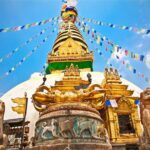
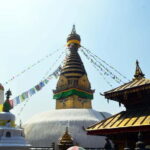
Swyambhunath, often called the Monkey Temple, is a hilltop stupa complex that blends Hinduism and Buddhism. You start here, and that matters because it is one of the most visually distinctive places in the valley. Even before you go deep into details, the sheer presence of the stupa area and the surrounding viewpoints give you a sense of why Kathmandu has such a strong spiritual reputation.
You’ll spend around 30 minutes exploring the chaityas and stupas here. The legend tied to the site says it evolved spontaneously when the valley was created from a primordial lake more than 2,000 years ago. You might not be able to verify that myth in a modern way, but it is part of the way locals explain the sacred landscape—so having a guide to frame what you are seeing helps.
Practical consideration: hilltop sites tend to mean stairs and uneven ground. If you have mobility limits, this is the stop most likely to feel demanding. Wear shoes that grip, and plan for short, steady walking rather than fast photo sprints.
Patan Durbar Square: Newari Temple Density and the Royal Square Feeling
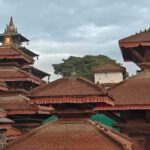
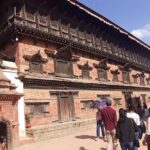
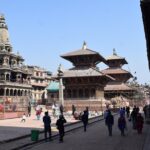
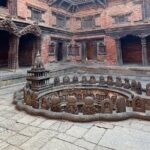
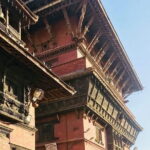
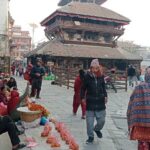
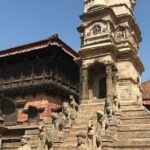
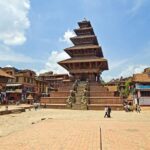
Patan Durbar Square is the kind of UNESCO site that rewards careful looking. This is the ancient royal palace area, with a concentrated mass of temples built in Newari architecture. If you like architecture, details, and the way craftsmanship clusters in a single location, this stop is one of the most satisfying parts of the day.
You typically get about 30 minutes here, and with a guided approach you can focus on the main structures without losing your bearings. The description also notes that temple reconstruction went through multiple phases, which is a useful lens for how Patan looks today: it is not frozen in time—it is shaped by rebuilding and change.
One small but memorable bonus mentioned in feedback is food timing. A guide helped with local momo while the group was in Patan, which is exactly the kind of practical, local experience that makes a “site tour” feel more like travel than a checklist.
Bouddhanath Stupa: One Giant Dome and a Calm Scale
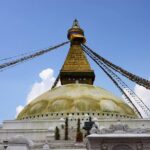
Bouddhanath Stupa is the valley’s huge Buddhist landmark. It is said to have been built around the 14th century, and the stupa is described as a massive structure with a giant dome. At the top sits a Buddhist pyramid, which gives the whole monument a layered shape.
You’ll spend around 30 minutes at Bouddhanath. That is usually enough time to see the main monument and understand the layout without turning it into a rushed blur. What makes this stop special in a one-day route is the contrast. After Patan’s temple concentration, Bouddhanath gives you a big, open, monument-forward atmosphere.
If you are the type who likes to pause, watch, and take in a slow scene, this is a good place to do it—just keep your expectations aligned with the time limit. A short visit means you should aim to see the stupa clearly from key angles and then circle or walk through the surrounding area briefly with your guide’s orientation.
A few more Kathmandu tours and experiences worth a look

Pashupatinath on the Bagmati River: Nepal’s Major Hindu Pilgrimage Complex
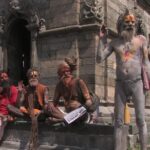
Pashupatinath is a major Hindu pilgrimage site and one of Nepal’s most important religious landmarks. It sits on the bank of the Bagmati River and is known as the seat of Nepal’s national deity. The temple complex is described as sprawling, so even a short visit can feel like a lot is happening at once.
You’ll likely spend time here within the overall 4–6 hour schedule (the provided stop description focuses on the significance rather than a fixed duration). This stop deserves that care because it is not just architecture. It is a living religious space. The “sprawling collection” idea matters: you are not looking at one building; you are navigating a larger temple ecosystem.
Practical note: keep an eye on where you are allowed to stand and what you can photograph. With any active pilgrimage site, rules can vary by area and by moment. A guide helps you avoid accidental missteps and helps you understand what you are seeing so it does not turn into confusion.
If you prefer your religious tourism to be structured and meaningful, Pashupatinath is worth prioritizing. If you prefer quiet, this can still be rewarding—just know it may not feel silent.
Kathmandu Durbar Square and Kumari Temple: Royal Square Meets Living Tradition
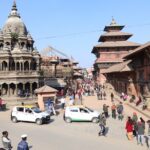
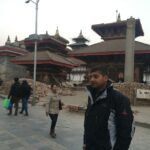
Kathmandu Durbar Square is the finishing stop, and it has a different vibe than the earlier sites. Here, the focus is the royal square atmosphere and temple presence within the palace area. The tour specifically includes a visit to the Kumari Temple.
You’ll spend about 30 minutes at Kathmandu Durbar Square. That makes it a good wrap-up because it is easier to understand the overall pattern of the day: stupa sites earlier, a temple complex on a river here, then a royal temple-square conclusion.
Kumari Temple is a living tradition tied to worship and cultural identity. Even if you are not deeply familiar with it beforehand, having a guide can help you notice what matters most. Think of it less as a one-building attraction and more as a place where Kathmandu’s heritage shows up in daily cultural meaning.
Price and Value: What $40 Includes (and What You Should Budget Next)
The listed price is $40, and for a day that covers five UNESCO World Heritage sites, it can feel like a solid value—especially because you get private transportation and an experienced tour guide.
But there are two costs to plan around:
- Lunch is not included.
- Monument entrance fees are not included, and the tour notes they are worth about $30 USD.
So the real value equation is: you pay for guided route efficiency plus transport, and you pay on top for entry tickets and your own meals. If you were planning to taxi between all these places yourself, you would likely spend time and energy negotiating. Here, the structure is built for you.
One more point: you get group discounts, mobile ticket access, and a cap of 15 people. Those details matter when you are trying to keep the day smooth, not just cheap.
Who This Tour Fits Best (and Who Might Want Another Plan)
This is a great fit if:
- You want a one-day Kathmandu Valley sampler that hits major UNESCO sites
- You like having a guide connect the dots between Hindu and Buddhist sites
- You can handle short visits and want a manageable schedule
It might be less ideal if:
- You want long, slow time at each site
- You have limited mobility and stairs are a big issue (Swyambhunath is the likely stress point)
- You dislike paying separate entrance fees and buying your own lunch
Based on feedback about guides, you should also expect strong explanation. Names like Ram, Shiva, Ajit, and Ganesh come up in feedback as guides who were prepared and helped people understand what they were looking at. That kind of guided context is where a tour like this becomes more than just transportation.
Small Tips That Make the Day Feel Easier
For a route built around UNESCO monuments, a little prep goes a long way:
- Wear shoes you can walk in for stairs and uneven surfaces.
- Keep a small bag for water and any basic sun protection.
- If you care about photos, remember the time limits and aim to see the main monument clearly before you wander off.
- Have some cash or payment ready for the monument entrance fees and any quick snack stops.
If you want the day to feel more local, ask your guide for a fast food recommendation while you are near Patan or Kathmandu squares. Feedback notes guides steering people toward local momo, and a mention of lassi at Indra Chowk shows how food stops can pop up naturally when timing allows.
Should You Book This Five-UNESCO Kathmandu Day Tour?
I’d book it if you want a structured, efficient day that covers the big UNESCO names around Kathmandu Valley without you having to coordinate everything. The biggest win is the balance of Hindu and Buddhist landmarks in one loop, plus the comfort of private transport and a small group.
Before you commit, check two things in your own mind: you are okay with short visits (often 30 minutes), and you are comfortable paying separate entrance fees plus lunch. If those match your style, this tour is an easy way to make one day count.
FAQ
What time does the Kathmandu tour start?
The tour start time is 9:15 am.
How long is the tour?
The duration is approximately 4 to 6 hours.
Which UNESCO World Heritage sites are included?
You visit five UNESCO World Heritage sites: Swyambhunath Stupa, Bouddhanath Stupa, Pashupatinath Temple, Patan Durbar Square, and Kathmandu Durbar Square (including Kumari Temple).
Is pickup included?
Pickup is offered as part of the tour.
Are entrance fees included in the price?
No. Monument entrance fees worth about $30 USD are not included.
How large is the group?
The maximum group size is 15 travelers.
What happens if weather is poor and the tour is canceled?
If it’s canceled due to poor weather, you are offered a different date or a full refund.
FAQ
Can I get a refund if I cancel?
This experience is non-refundable and cannot be changed; if you cancel, the amount you paid will not be refunded.