REVIEW · AMSTERDAM
Small Group LGBTQ+ History Tour in Amsterdam
Book on Viator →Operated by Badass Tours · Bookable on Viator
Amsterdam changes when you learn its queer past. This small-group Amsterdam history walk brings LGBTQ+ stories to life with a local guide who treats the past like a conversation, not a lecture. I love the intimate size (max eight people), because it keeps the tour personal and easy to ask questions. I also like how the route hits real-life neighborhoods you can actually picture after you leave the sidewalk.
One thing to consider: the experience requires good weather, so if rain or wind is heavy, you may need to plan around a reschedule.
In This Review
- Key highlights you’ll feel right away
- Why this LGBTQ+ history tour fits Amsterdam’s pace
- Small-group energy and your guide’s storyteller style
- Rembrandtplein: nightlife’s LGBTQ+ stories and a surprising legal milestone
- Munt Tower: how ordinary people faced state power
- Koningsplein: a familiar name tied to LGBTQIA history and church secrecy
- Emperor’s Canal (Keizersgracht): the best stop for story-driven surprises
- Gay Monument: celebration and mourning in one place
- Herengracht: queer Resistance fighters in an inconspicuous canal house
- Torensluis: a trans soldier’s message from 18th-century militia life
- Price, tickets, and whether $47.34 is good value
- What to expect as you walk, and how to prepare
- Should you book this Amsterdam LGBTQ+ history tour?
- FAQ
- How long is the Small Group LGBTQ+ History Tour in Amsterdam?
- What is the maximum group size?
- Is the tour offered in English?
- Do I need to buy admission tickets at the stops?
- What is included with the tour?
- Where does the tour start?
- Where does the tour end?
- Do I get a mobile ticket?
- Are service animals allowed?
- Does the tour run in bad weather?
- What is the cancellation window?
Key highlights you’ll feel right away
- Max 8 people keeps it conversational and lets you pace with the guide instead of following a crowd
- Story-first history turns names and dates into people, choices, and consequences
- A tight two-hour loop shows you multiple queer-era themes without making it a marathon
- Landmark stops plus overlooked canals means you see Amsterdam in a different order
- English tour with mobile ticket makes it easy to fit into your day
Why this LGBTQ+ history tour fits Amsterdam’s pace
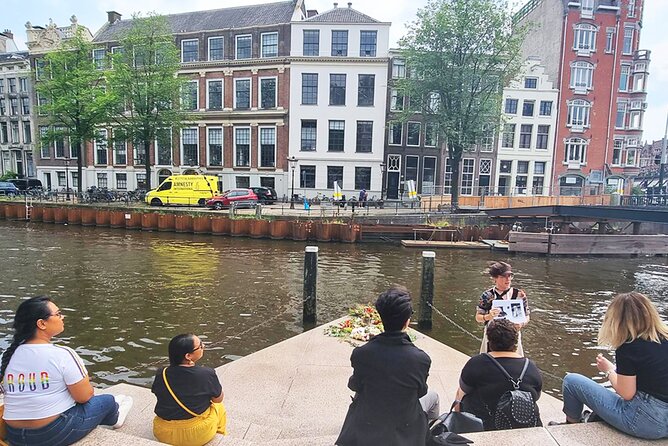
Amsterdam can feel like a choose-your-own-adventure city. This tour gives you one focused storyline that moves fast but doesn’t feel rushed. It’s about two hours, and that length matters because it lets you keep exploring after, without your day getting swallowed by museums.
What I like most is that the tour isn’t just about famous figures. You get the sense of a living community across centuries—nightlife and law, church and state, resistance and remembrance. For many people, that shift is the whole point: you stop seeing the city as a postcard set and start seeing it as a place where queer lives left traces.
And yes, it’s designed for history buffs, but you don’t need a background in Dutch history. If you can follow a good story, you’ll get a lot out of this.
You can also read our reviews of more historical tours in Amsterdam


Small-group energy and your guide’s storyteller style
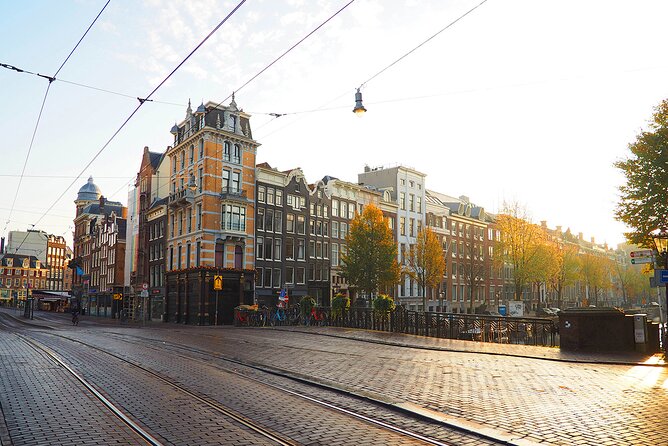
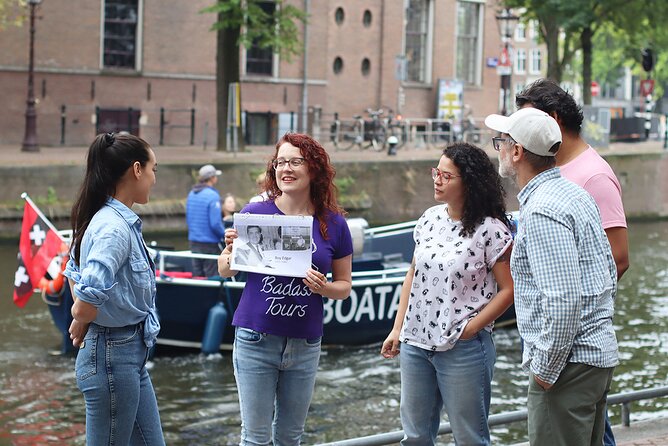
This is small-group by design—up to eight travelers. That small size changes the vibe. You can hear details without straining, and the guide can react to questions instead of reading a script at full speed.
The guide is local and focused on storytelling. In one review, the guide Guus kept the group entertained even in a cold, wet, and windy morning, and the two hours reportedly felt like they flew by. That’s a useful signal for your own planning: if your day starts miserable, you still want a guide who can keep momentum.
If you’ve toured with different operators before, you’ll notice the difference in how this feels. It’s less about collecting facts and more about learning how queer history shaped the city you’re walking through.
Rembrandtplein: nightlife’s LGBTQ+ stories and a surprising legal milestone
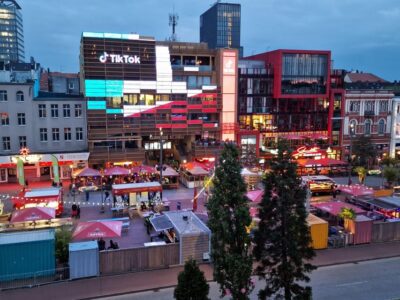
The tour opens at Rembrandtplein, a central square where visitors naturally drift—and where the guide uses that energy to set context fast. You get a flying overview of Amsterdam first, then the stories kick in.
This stop is packed with contrasts. You’ll hear about LGBTQ clubgoers, a married king linked to affairs with men, and the claim of the world’s first legal gay marriage connected to Amsterdam nightlife history. Even if you know a little about the Netherlands’ modern reputation, this is where the tour helps you understand how cultural life and legal change can share the same streets.
Practical note: since this is a lively central area, expect the guide to work harder to keep attention when the square is busy. If you’re the type who likes to watch people, you can do that too—just keep your ears ready for the behind-the-scenes context.
Munt Tower: how ordinary people faced state power
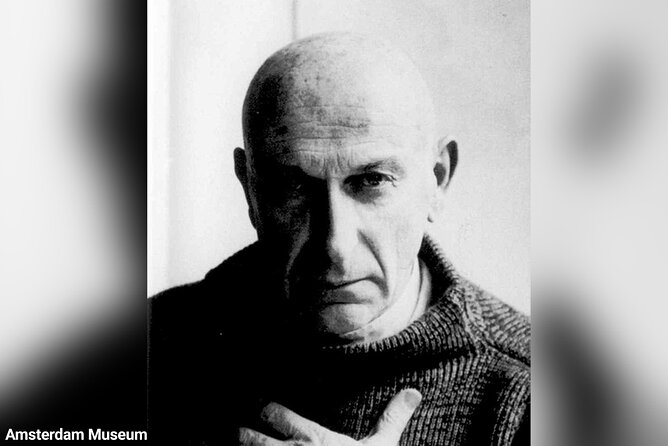
Next is Munt Tower (Munttoren), where the tour shifts from big names to a more human scale. The story centers on how a shopkeeper tried to protect friends in the face of state violence.
That kind of angle is powerful because it doesn’t require you to already know every term. You learn what it meant to be at risk, and you see how community networks could be both social and dangerous. It also helps connect LGBTQ+ history to broader patterns of resistance and survival in Amsterdam.
Why this stop works: it reminds you that queer history isn’t only monuments and headline dates. Sometimes it’s someone making a choice in a tense moment, right where you stand.
Koningsplein: a familiar name tied to LGBTQIA history and church secrecy
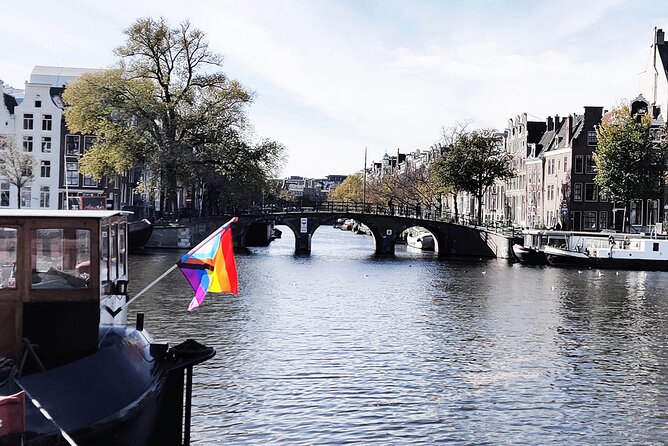
At Koningsplein, you’ll discover a connection between a recognizable name and LGBTQIA history—filtered through the lens of the Catholic church trying to keep something hidden.
This is where the tour leans into the theme of power: who controlled what could be said, and who got punished for it. The tour doesn’t just point at secrecy as a mood; it explains it as a system that shaped daily life.
If you like social history—how institutions influence real people—this is one of your stops. If you prefer strictly political timelines, it may feel more interpretive, but it still connects back to how communities formed under pressure.


Emperor’s Canal (Keizersgracht): the best stop for story-driven surprises
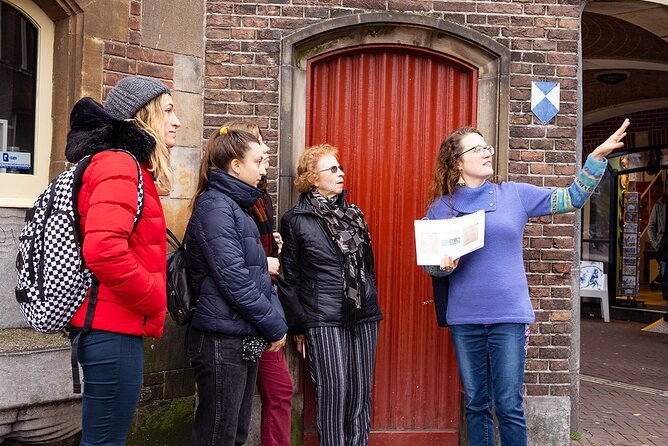
The route then goes to Keizersgracht, an area most visitors recognize as classic Amsterdam canal scenery. The difference is that you’ll get the canal’s “other” reputation: wild, literary, and legal-leaning stories tied to LGBTQ+ life.
This stop includes:
- The Pope of the Gays
- A 17th-century literary lesbian love triangle
- A pompous doctor who may have given lesbians legal cover
That last detail is the kind of thing you remember because it’s not neat. It suggests how law can change through accidents, interpretations, and the messy gap between rules and how they get applied.
Drawback to note: because the stories are dramatic, you may want to slow down and listen carefully. Canal-side sightseeing is easy to do—looking at the water, taking photos, noticing bridges. But this is not a photo-only stop. Treat it like a story session, and you’ll get more out of it.
Gay Monument: celebration and mourning in one place

After that, you reach the Gay Monument. The guide uses it as a hinge between past and present, because it’s described as a place of both celebration and mourning for Amsterdam’s LGBTQIA community since its unveiling.
One of the highlights here is the way the tour points you toward a specific emotional thread: you’ll be invited to celebrate a badass lesbian hero. The point isn’t just who the hero is—it’s that queer history keeps making new reasons to gather, remember, and fight.
This stop also helps if you’re visiting without a lot of time. Monuments can feel like “checkpoints.” Here, it feels like a statement: the city chose to make this visible, and that visibility has consequences.
Herengracht: queer Resistance fighters in an inconspicuous canal house
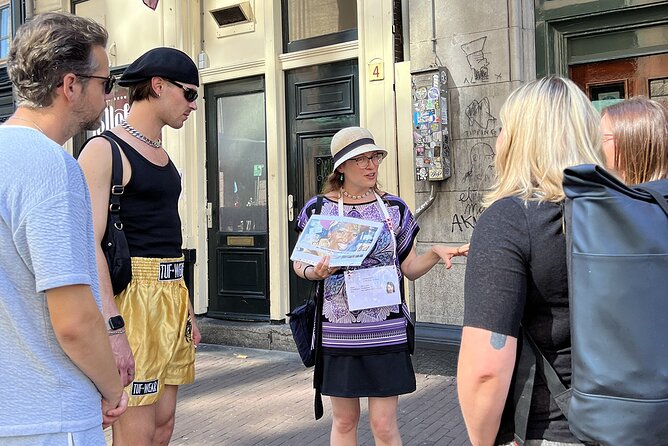
Next is Herengracht, and the tone gets more serious. You’ll hear about queer Resistance fighters working out of an inconspicuous canal house.
This is a great stop if you want your tour to connect to wartime courage. It also reframes something you might otherwise miss: the idea that “ordinary-looking” places can carry extraordinary risk. Amsterdam canal houses are beautiful, but this story forces you to see them as settings where people acted, hid, helped, and stayed alive.
If you’re thinking about photography, this is one of those times when the best photos might be the ones you take without turning your back on the guide. You’ll want your attention for details that help the story land.
Torensluis: a trans soldier’s message from 18th-century militia life
The tour finishes at Torensluis, ending on the bridge area by the Multatuli sculpture. This final stretch is built around a surprising message tied to a trans soldier who served in 18th-century Amsterdam’s militia.
This ending matters because it closes the loop: the tour started with nightlife, law, and community, and it ends with service and identity in an era that most visitors assume was completely rigid. Even when you don’t know the full context, you’ll feel the tour’s bigger goal—expanding what you think you already know about who lived in Amsterdam, and how.
Also, this is a nice practical finish. After two hours, ending on a bridge gives you an easy moment to regroup, check your map, and decide where to go next.
Price, tickets, and whether $47.34 is good value
At $47.34 per person for about two hours, this lands in the “small-group, story-led tour” price bracket. The value comes from a few specific things you can actually feel during the tour:
- Only eight travelers max, so you’re not paying for crowd noise
- A local guide who acts like a storyteller and history fan
- Free admission ticket notes at the stops listed, which suggests you’re not paying museum entry fees during the walk
- A route that covers multiple themes across several centuries without making you sit indoors for hours
If you usually skip guided tours because they feel too basic, this one may change your mind. It isn’t trying to cover everything. It’s choosing a narrow theme—queer LGBTQIA+ history—and building strong story links between stops.
If you’re on a tight budget, it’s still worth comparing to alternatives. But the small group and guide style are the differentiators you’re paying for, not just the brand on the ticket.
What to expect as you walk, and how to prepare
The tour is offered in English and you’ll get a mobile ticket, which helps if you’re juggling museum tickets, transit passes, and reservations.
Because it requires good weather, I’d treat it like a planned outdoor walking block. Even if Amsterdam showers show up, the guide’s job is to keep the stories moving, but you don’t want your day ruined by cold soaked detours. One review notes the tour still ran in cold, wet, windy conditions with Guus, so the guide can handle weather pressure—but you’re still relying on the operator’s good-weather requirement.
You’ll likely do best if you show up ready to listen. This tour is not just sightseeing. It’s built around names, myths, and episodes—like the Pope of the Gays and the doctor who may have changed legal outcomes—so your attention turns into your best souvenir.
Should you book this Amsterdam LGBTQ+ history tour?
Book it if you want Amsterdam to feel personal fast. This is a strong pick for first-time visitors who don’t want the standard canal-and-architecture loop, and for history lovers who enjoy connections between culture, power, and identity.
I’d also book it if you like guided tours that are more story than slideshow. The small group size (eight max) and the storyteller guide style are the main reasons the tour earns such high praise.
Skip it only if you’re looking for a strictly academic lecture or you can’t handle outdoor walking when the weather turns. Otherwise, this is one of the easiest ways to add meaning to an Amsterdam day—and you’ll leave with a city you can read differently.
FAQ
How long is the Small Group LGBTQ+ History Tour in Amsterdam?
It lasts about 2 hours.
What is the maximum group size?
The tour has a maximum of 8 travelers.
Is the tour offered in English?
Yes, it is offered in English.
Do I need to buy admission tickets at the stops?
Admission tickets at the listed stops are shown as free.
What is included with the tour?
A local guide who tells stories and is a history enthusiast is included.
Where does the tour start?
The meeting point is Utrechtsestraat 4, 1017 VN Amsterdam.
Where does the tour end?
It ends at Torensluis, 1012 VK Amsterdam, by the Multatuli sculpture.
Do I get a mobile ticket?
Yes, the tour includes a mobile ticket.
Are service animals allowed?
Yes, service animals are allowed.
Does the tour run in bad weather?
The experience requires good weather. If canceled due to poor weather, you’ll be offered a different date or a full refund.
What is the cancellation window?
You can cancel up to 24 hours in advance for a full refund.