REVIEW · ATHENS
Traditional Wines of Ancient & Modern Greece
Book on GetYourGuide →Operated by CRU BEE-HAVING Wine & Olive OIl Tastings · Bookable on GetYourGuide
Wine, but with a time machine. This tasting is built around the route from ancient Greek wine styles to modern ones, played backward so you can actually taste how ideas and ingredients changed over time. I like that you don’t just sip; you also eat nibbles paired with each pour, so flavor development makes sense fast. One possible drawback: you move through multiple styles in a short 80 minutes, so it helps to like variety (and to pace yourself).
The experience starts with a modern white made from the Savvatiano grape, then shifts to a newer take on retsina, followed by a natural red, and then reaches two ancient styles made on the premises. The tasting is described as a five-wine timeline, but the package also lists seven wines—either way, you should expect more than a basic flight. With nibbles served alongside, you’ll notice how acidity, texture, aroma, and even bitterness show up differently across the “eras.”
You’ll do this in a small group limited to 10 people, with an English instructor and filtered water included. Meet at the CRU Tasting Room Wine & Olive Oil Bar and show your booking number. Also note it’s not suitable for anyone under 19.
In This Review
- Key highlights you’ll feel right away
- A Reverse Timeline of Greek Wine in 80 Minutes
- Your Pour List: Savvatiano to Retsina to Ancient Styles
- Nibbles That Teach You What Time Does to Flavor
- The Ancient Wine Part: Why Tasting It Now Matters
- Where It Happens and How the Small Group Works
- Price and Value: When $44 Buys More Than a Flight
- Who This Tasting Fits Best
- Should You Book Traditional Wines of Ancient & Modern Greece?
- FAQ
- How long is Traditional Wines of Ancient & Modern Greece?
- How much does it cost?
- Where is the meeting point?
- What language is the instructor?
- How big is the group?
- What’s included in the tasting?
- Is it suitable for children or teens?
- Can I get a refund if I cancel?
Key highlights you’ll feel right away
- A reverse timeline of Greek wine that turns history into something you can taste.
- Savvatiano and retsina side-by-side with newer interpretations and older methods.
- Ancient-style wines made in-house, so you’re not just hearing about them.
- Nibbles paired with every pour, designed to help you track flavor changes.
- Small-group pacing (10 max) that keeps the mood relaxed and question-friendly.
- Seven wines listed in the package, so plan on getting serious variety.
A Reverse Timeline of Greek Wine in 80 Minutes
This is one of those Greek wine tastings where the goal isn’t to name-drop grapes and call it a day. The whole point is to understand the route between ancient wine styles and the modern ones that followed—backward in time—so the differences don’t blur together.
The format works because you’re tasting in sequence, not randomly. Each pour comes with nibbles, and that pairing is the quiet teacher here: it shows you how food can make a wine seem brighter, softer, sharper, or more complex. In a standard tasting, you might notice tastes. Here, you’re building a timeline in your mouth.
The duration is 80 minutes, so you won’t be stuck forever. You’ll still get enough time to compare textures and flavors across styles, without the experience feeling rushed or chaotic.
You can also read our reviews of more wine tours in Athens

Your Pour List: Savvatiano to Retsina to Ancient Styles
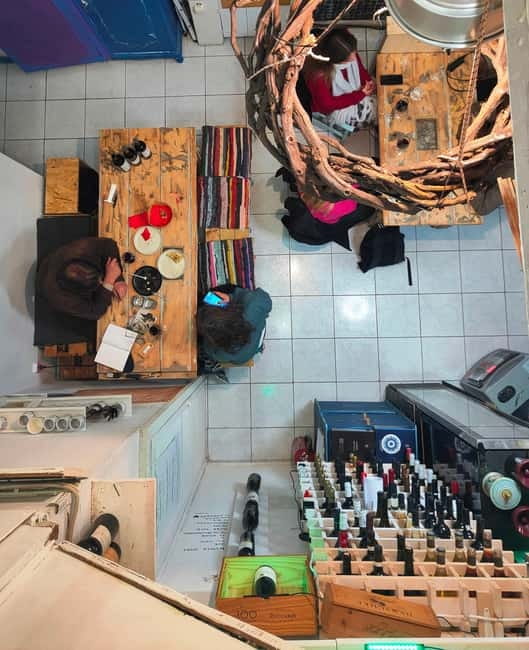
You start with a modern white from the Savvatiano grape. That opening matters because it gives you a baseline for aroma and acidity in a “newer Greece” glass. After that, the tasting moves to a more sophisticated retsina style—so you get to explore how a traditional-sounding wine can still evolve.
Next comes a natural red. That step is useful for understanding how the “rules” people expect from wine don’t always show up the same way across styles. Natural reds can feel different in texture and aroma, and in this tasting they set up the shift toward older techniques.
Then you reach the ancient segment: two ancient wines made in the premises. This is where the experience becomes more than a tasting class. You’re being asked to compare what you already know from modern winemaking with what ancient approaches might produce—without needing to be a wine nerd first.
One detail worth planning for: the overview describes five wines, while the included list says seven wines. Don’t stress about the math. Either way, expect multiple pours, with nibbles that change with each one. If you’re sensitive to lots of wine in one sitting, you might want to sip more slowly or ask your host about pacing.
Nibbles That Teach You What Time Does to Flavor
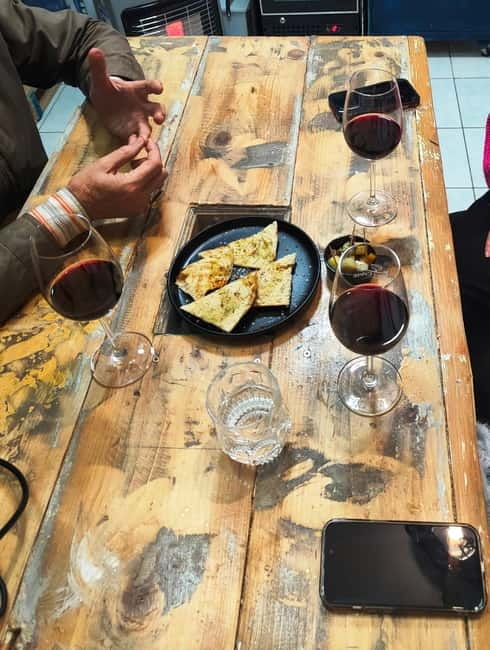
Food is not an afterthought here. You’ll get nibbles paired with each wine, and that’s a smart way to learn. Wine flavors don’t exist in a vacuum—salt, fat, crunch, and seasoning can change how bitterness shows up, how fruit feels, and whether the finish seems dry or round.
I like this approach because it makes the tasting educational without turning it into a lecture. When you’re eating while you taste, you’re forced to focus on the match: does the wine taste sharper with this bite, or does it smooth out?
It also helps you notice progression across the timeline. As you shift from modern whites and newer retsina to natural red and ancient-style pours, the nibbles give you a common reference point. You’re not starting over each time—you’re comparing how flavors develop with your palate already “tuned in.”
Also, filtered water is included. That’s genuinely useful in a tour like this, where you might otherwise get carried away. It helps you keep your senses working for the last pours, not just the first two.
The Ancient Wine Part: Why Tasting It Now Matters
Ancient wine is easy to romanticize, and easy to misunderstand. This experience takes a more practical angle: it helps you understand how wine style can reflect the choices people made at the time—ingredients, techniques, and what “wine” meant in everyday culture.
When you taste the two ancient wines made on the premises, you’re doing something different than reading history. You’re tasting reconstructions of ancient approaches and then comparing them to the modern styles that came later. Even if you don’t know the technical background, your palate can still do the learning.
This is also where the food pairing becomes more valuable. Ancient-style wines can be surprising if you expect a modern, polished profile every time. The nibbles help make those differences readable instead of confusing.
If your favorite kind of travel is the kind where you can touch culture, this section is the payoff. You’re not just admiring the past—you’re testing it, sip by sip.
Where It Happens and How the Small Group Works
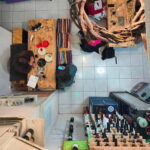
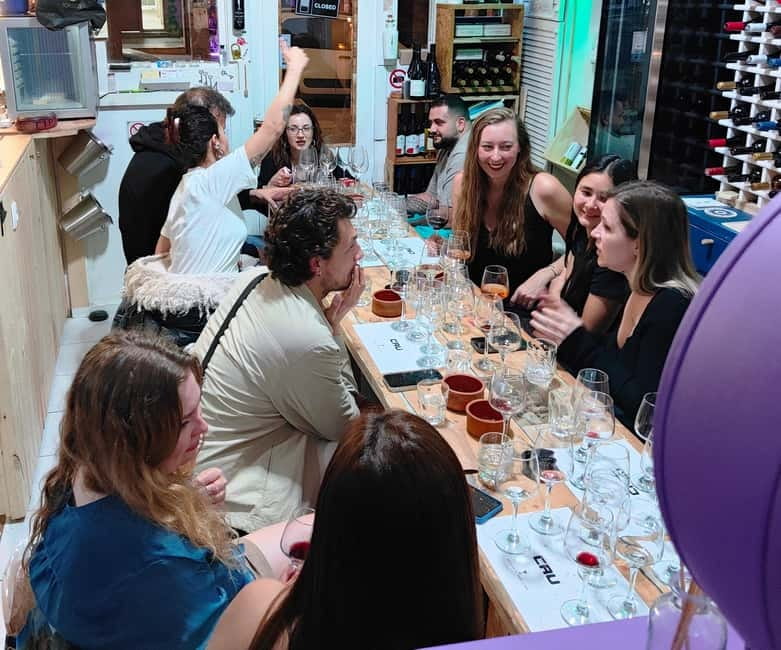
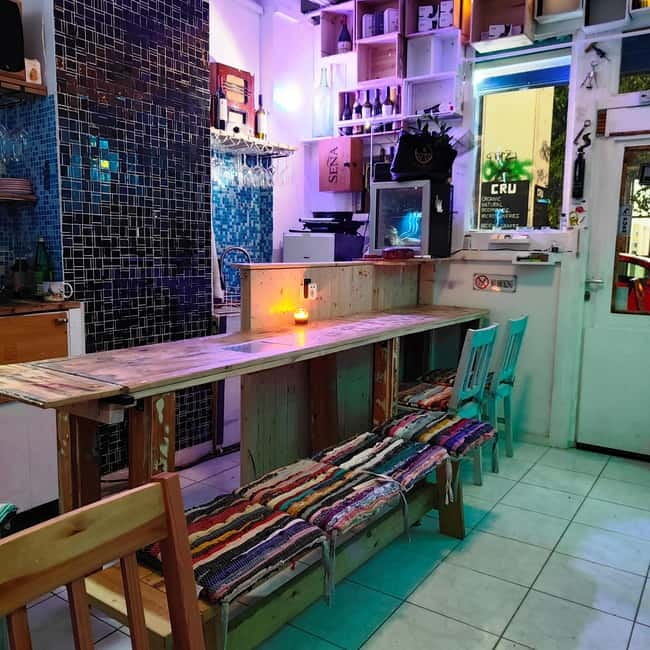
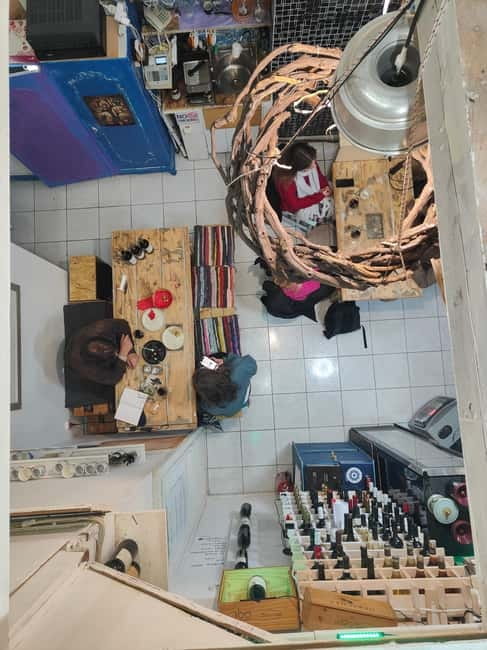
The tasting happens at the CRU Tasting Room Wine & Olive Oil Bar. When you arrive, you’ll find it as the meeting point, then present your booking number. This kind of straightforward check-in keeps things smooth, especially when you’re planning a day with other stops.
Group size is limited to 10 participants, which matters more than people think. In a bigger group, you tend to taste and move on. Here, the pacing is more comfortable, and you’re more likely to get clarity when questions come up. Several past visitors highlight a relaxing atmosphere, and small-group size is a big reason why.
The instructor leads in English. That helps if you want the history and wine explanations to land clearly, without needing to translate on the fly while you’re trying to taste.
And because the experience is 80 minutes, it fits well into a day where you want something cultural but not time-consuming. It’s short enough to stay energetic, long enough to notice patterns.



Price and Value: When $44 Buys More Than a Flight
At $44 per person for 80 minutes, you’re paying for more than a basic tasting lineup. The value comes from three places:
First, you’re getting a guided structure with a theme that actually connects the glasses. The ancient-to-modern route isn’t just marketing; it’s the lesson format.
Second, you’re getting nibbles paired with each wine. That’s not “some snacks on the side.” It turns the tasting into an active comparison session.
Third, you’re in a small group (10 max) with filtered water included. You’re not just standing in front of a lineup; you’re working through an experience with support.
If you usually avoid wine tours because they feel overpriced for what you taste, this one may feel fair. You’re paying for context, pacing, and pairings—things that make learning stick after you leave.
Who This Tasting Fits Best
This is ideal if you like history that you can taste. If you enjoy food-and-wine culture and you’re curious about how something changes over thousands of years, you’ll likely enjoy the format.
It’s also a good match if you don’t want a wine tour that only focuses on modern grapes and production. Here, you get Savvatiano and retsina as anchors, then natural red, and then the ancient recreations. That range helps you understand Greek wine beyond one stereotype.
Because it’s not suitable for people under 19, make sure everyone in your group meets the age requirement before you book.
If you prefer long sit-down dinners or slow tastings where you can fully focus on one wine, you might find the pace quick. The flip side is that it’s efficient—80 minutes to build a mental timeline.
Should You Book Traditional Wines of Ancient & Modern Greece?
Book it if you want a structured Greek wine tasting with a clear story and real pairings. The reverse timeline format makes the differences easier to understand, and the inclusion of nibbles means you’re not just consuming alcohol—you’re learning what changes across time.
Don’t book it if you only want a light, casual tasting with minimal variety. This experience is designed to move, compare, and taste your way through eras in one sitting.
If you’re the type who likes travel experiences that connect culture to your senses, this one fits. You’ll leave with a stronger sense of how Greek wine culture can look both old and new at the same time.
FAQ
How long is Traditional Wines of Ancient & Modern Greece?
The tasting lasts 80 minutes.
How much does it cost?
It costs $44 per person.
Where is the meeting point?
Meet at the CRU Tasting Room Wine & Olive Oil Bar and present your booking number.
What language is the instructor?
The instructor speaks English.
How big is the group?
It’s a small group limited to 10 participants.
What’s included in the tasting?
Included are seven wines, nibbles to pair, and filtered water.
Is it suitable for children or teens?
No. It is not suitable for people under 19.
Can I get a refund if I cancel?
Yes. Free cancellation is available up to 24 hours in advance for a full refund.