REVIEW · ROME
Ancient Rome Half-Day Segway Tour
Book on GetYourGuide →Operated by Rolling Rome Segway & Golf-Cart · Bookable on GetYourGuide
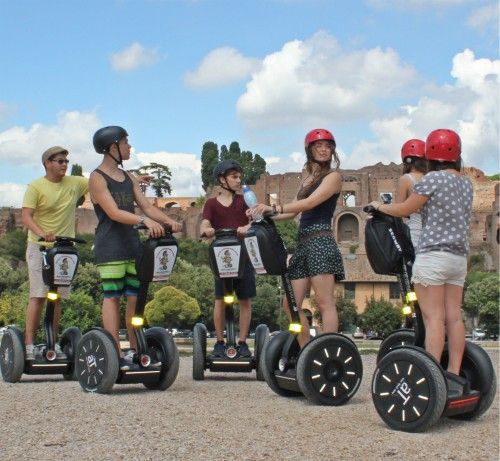
One device, eight streets, and a lot of Roman wow. This Ancient Rome Half-Day Segway Tour is built for momentum: you get a short practice session, then glide past the big monuments of Imperial Rome, with guide stories connecting the legends, the hills, and the empire’s power in just a few hours.
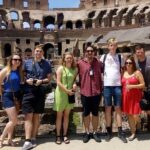
What I like most is the setup and the guidance. You’re in a small group (up to 8), and the guides—often people like Nico, Julio, or Alex—keep things calm and clear, including during the learning phase. Safety isn’t treated like an afterthought, either.
The main consideration is simple: you’ll spend time learning and riding a self-balancing Segway, so you need comfort standing and following instructions for a few hours. Also, in weeks with disruptions (like Holy Week), you may hit street closures and the route can shift—though the guides typically adapt quickly.
In This Review
- Key Highlights You’ll Notice Right Away
- Why a Segway Makes Sense for Imperial Rome’s Main Sights
- Piazza del Gesù: Where the Tour Starts and How It Feels to Begin
- Training on a Self-Balancing Segway (Without the Usual Nerves)
- Palatine Hill Panoramas and the Romulus and Remus Story
- From the Circus Maximus to Aventine Hill and the Orange Grove
- Santa Maria in Cosmedin and the Mouth of Truth Moment
- Capitoline Hill’s Michelangelo Remodel (More Than a Viewpoint)
- The Imperial Forum and the Colosseum Finale
- How the Timing Really Works in Three Hours
- Price and Value: Is $100 Worth It?
- Who This Tour Fits Best
- Should You Book the Ancient Rome Half-Day Segway Tour?
- FAQ
- Where is the meeting point for the tour?
- How long is the Ancient Rome Segway tour?
- Is Segway training included?
- How many people are in the group?
- What language is the guide speaking?
- Is free cancellation available?
Key Highlights You’ll Notice Right Away
- Segway training included so first-timers can get moving fast
- Small group pace that feels personal without dragging
- 7 Hills sightseeing flow (Palatine, Aventine, and more) tied to stories
- Michelangelo’s Capitoline Hill stop, not just a quick photo break
- Santa Maria in Cosmedin + Mouth of Truth with the relevant backstory
- Imperial Forum to the Colosseum as the tour’s big finale
Why a Segway Makes Sense for Imperial Rome’s Main Sights
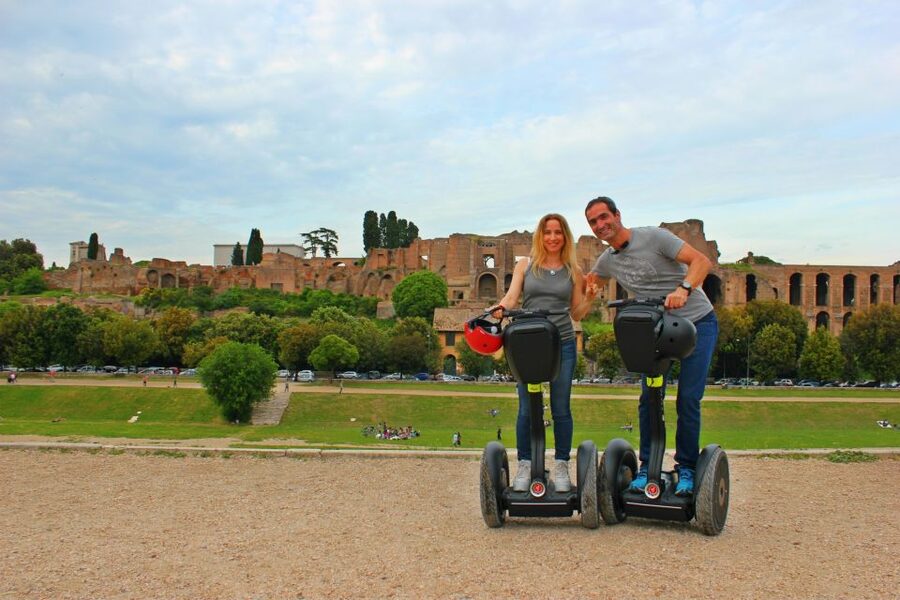
Rome rewards people who move smart. This tour is designed for that. Instead of spending your limited time walking between far-flung viewpoints, you cover ground efficiently and still stop often enough to take in what’s in front of you. The Segway’s self-balancing setup means you’re not doing constant footwork like you would on a typical walking tour.
And it’s not just about speed. The route targets the parts of Rome most people want—Palatine Hill, Capitoline Hill, the Imperial Forum, and the Colosseum—but it also threads in stops that add flavor, like Santa Maria in Cosmedin and the Mouth of Truth. You get a guided walk-through feeling, just with wheels.
You can also read our reviews of more tours and experiences in Rome.
Piazza del Gesù: Where the Tour Starts and How It Feels to Begin
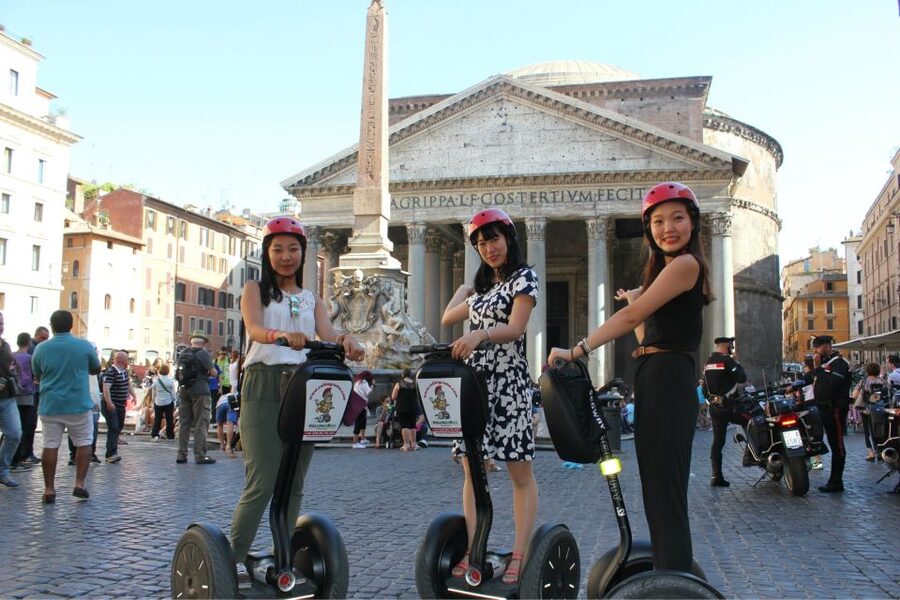
Everything kicks off at Piazza del Gesù, 47. I like meeting points that are straightforward, and this one is easy to plan around when you’re trying to fit Rome into a short stay.
The group size matters here. With a limit of 8 participants, you get enough attention to ask questions and adjust if you’re still getting comfortable. The tour is led by a live English-speaking guide, and that matters because Rome’s sites can be confusing if you don’t have context.
If you’re worried about looking awkward early on, don’t. The start includes a training session, and multiple guides (including Nico and Julio) are described as patient with first-time riders. That’s a good sign: your first minutes shouldn’t feel like a test.
Training on a Self-Balancing Segway (Without the Usual Nerves)
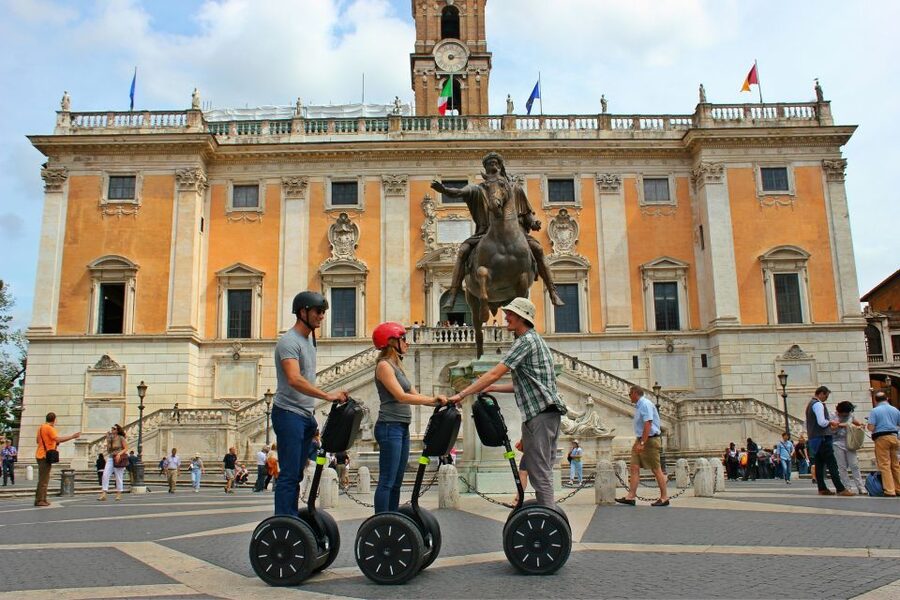
The first phase is the Segway training session, which is included. The point is to help you feel stable on the easy-to-use, self-balancing vehicles before you head into traffic-adjacent streets and crowded areas.
This is where you’ll notice the tour’s quality. Safety isn’t only about helmets and rules—it’s about teaching you the motions so you can actually relax. In the reviews, guides are praised for how they manage new riders and keep the pace controlled while everyone learns. If you’ve never ridden one before, that patience is the difference between enjoying the tour and spending your time worrying about your balance.
Once you’re comfortable, you’ll start gliding through the city, and the vibe changes fast: the learning phase becomes part of the fun, not a chore.
Palatine Hill Panoramas and the Romulus and Remus Story
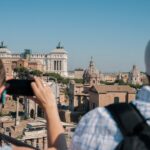
After training, the tour’s sightseeing starts to connect. One of the big early moments is Palatine Hill, where you get panoramic city views.
This stop comes with narration, not just scenery. Your guide explains the legend of Romulus and Remus and uses the viewpoint to make the founding-myth feel less like a worksheet and more like a place with meaning. When you’re up on a hill, it makes sense why these stories stuck around. You can see how power and settlement could grow from strategic positions like this.
If you like a tour where history is tied to geography, this is a highlight. Palatine works because you’re looking out at Rome, not just at plaques.
From the Circus Maximus to Aventine Hill and the Orange Grove
Next you’ll pass Circus Maximus on the way to Aventine Hill, with a stop around the Orange Grove area. The tour description focuses on the route logic: you’re traveling between major hills, so the journey itself is part of the tour.
Passing Circus Maximus is a quick way to get a sense of scale. Even when you’re not standing in the center of it, you’re moving through the corridor of where big public life happened. Then you swing toward Aventine Hill, which shifts the feel—more viewpoint and outlook than crowded monument energy.
The Orange Grove stop adds something extra if you like photo breaks with an actual reason behind them, not just random stops. It’s one of those moments that helps the tour feel like a full half-day experience, not a nonstop rush to “the next big thing.”
Santa Maria in Cosmedin and the Mouth of Truth Moment
Then you hit a stop that people often recognize from movies before they realize it belongs to real Rome. Santa Maria in Cosmedin is where the tour takes you, and it’s tied to two memorable attractions: the remains of San Valentino (associated with Valentine’s Day) and the marble mask known as the Mouth of Truth.
This is one of the most interesting kinds of stops: the guide connects legend, religious history, and pop-culture recognition. The “lie detector” angle is specifically mentioned as an ancient use of the Mouth of Truth, so you’re not just hearing a fun anecdote—you’re hearing what the mask was used for and why the story stuck.
For me, this stop is valuable because it shows Rome’s weird talent for mixing the sacred and the theatrical. And because it’s a church setting, the tour feels like it’s slowing down at the right time.
Capitoline Hill’s Michelangelo Remodel (More Than a Viewpoint)
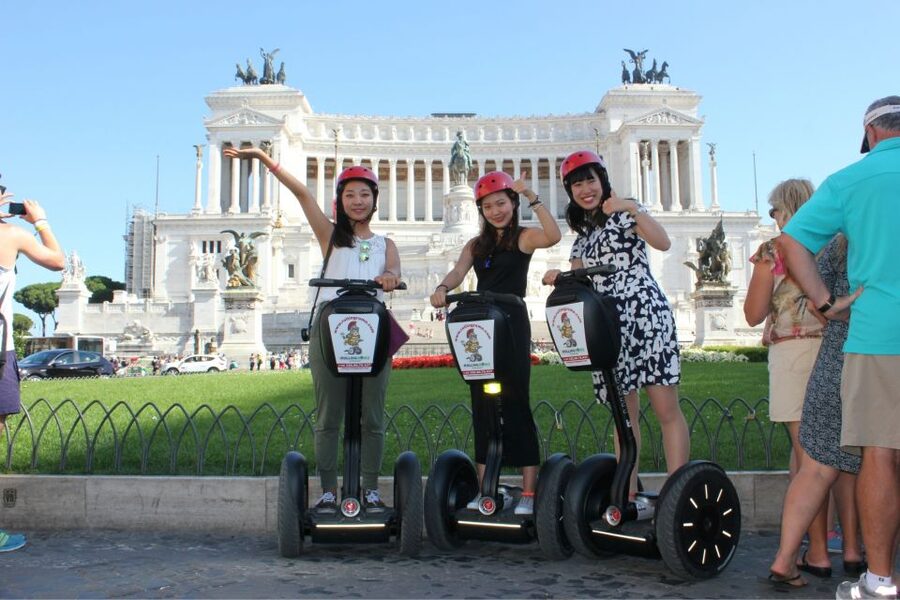
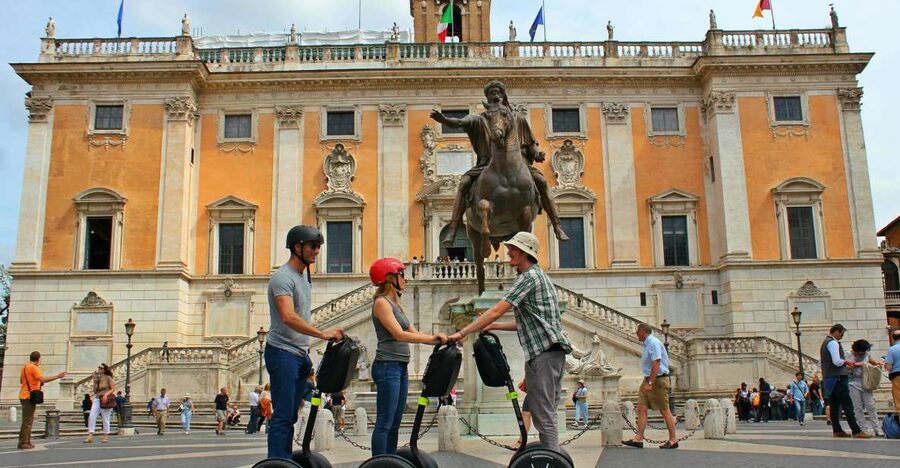
After that, the tour heads to Capitoline Hill, described as the most important of the imperial hills of Rome. This matters because Capitoline is where you get a sense of governmental and symbolic power in a single glance.
The best part here is that you’re not only seeing the hill—you’re seeing the architectural influence of Michelangelo, since the area was redesigned during the Renaissance. That blend of eras is a big reason this tour doesn’t feel like a simple checklist of ancient ruins. You’re watching Rome’s layers talk to each other.
If you love when a guide points out why a site looks the way it does, this is the kind of stop where the commentary can make a difference. You’re standing in the right place to understand why Rome keeps rewriting itself.
The Imperial Forum and the Colosseum Finale
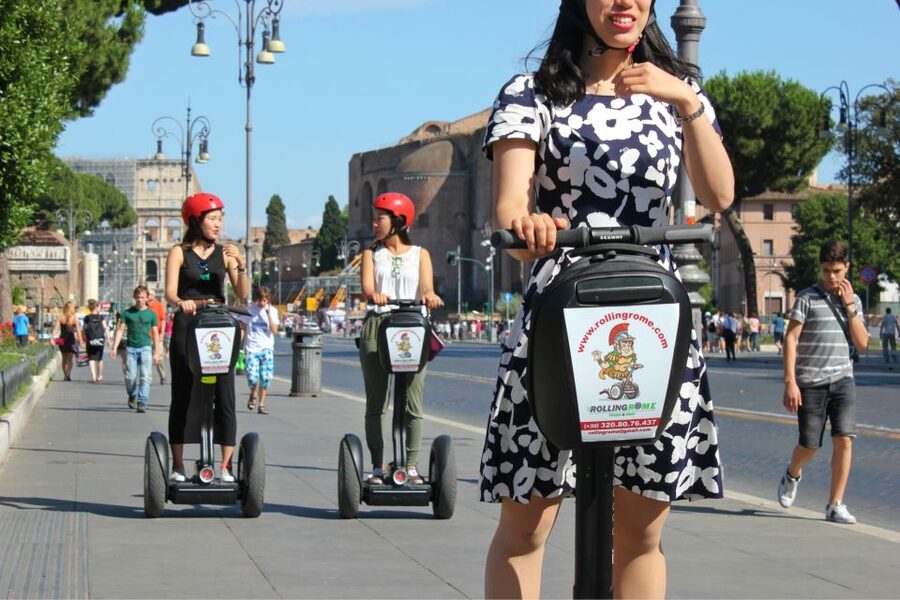
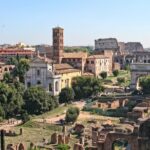
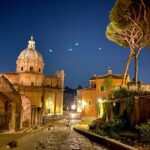
From Capitoline, you travel through the Imperial Forum, following in the footsteps of Roman emperors. This matters because the Forum can feel like “more ruins” unless someone frames it. Here, the tour explicitly frames it as a place tied to imperial power, not random stone blocks.
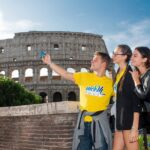
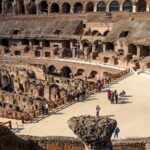
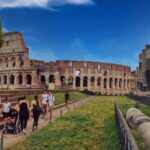
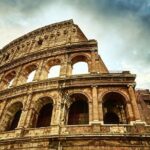
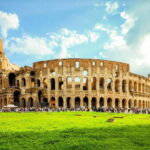
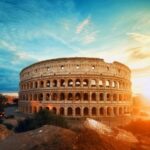
Then comes the star: the Colosseum. The tour description calls it one of the world’s most impressive sights, and that’s not hard to agree with once you’re standing close enough to feel its scale. The best thing about placing it near the end is psychological. You start with training and viewpoints, build momentum through legends and hills, and then you get the big monument when your attention is fully switched on.
It’s a smart sequencing choice: you’re not done when you see the Colosseum. You’re at your best moment to absorb it.
How the Timing Really Works in Three Hours
This tour runs for about 3 hours (some descriptions note roughly 3.5 hours, so think “half-day,” not a short walk-and-go). That’s enough time to hit multiple hills and major monuments, but not so long that you’re exhausted by the end.
That pacing is helped by the small group size. With up to 8 participants, the guide can keep everyone together without constant delays. And since you’re riding, the tour doesn’t lose time to the long, slow gaps that happen between sites when you’re just on foot.
One more practical note: if you’re sensitive to heat or sun, it can help that guides have been praised for finding shade when needed. That small detail makes a difference on Roman afternoons.
Price and Value: Is $100 Worth It?
At $100 per person for roughly three hours, you’re paying for three things together: a guide, Segway training, and guided Segway transportation between major stops.
If your main goal is to cover Rome’s most requested monuments efficiently—and you’re excited about the idea of riding a Segway—this pricing feels reasonable. You’re not just buying entry-level sightseeing. You’re buying time saved between scattered locations plus the guide’s ability to connect the sites with stories.
If you’re the type who enjoys slow wandering and doesn’t like guided itineraries, $100 might feel steep. But if you want a focused, high-impact Rome overview with real context, it’s built for that.
Who This Tour Fits Best
This is a strong choice if you’re:
- In Rome for a short window and want the “greatest hits” plus useful explanations
- Interested in both ancient sites and the Renaissance layer of Capitoline Hill
- Curious about story-driven stops like Santa Maria in Cosmedin and the Mouth of Truth
- Comfortable learning a new way to get around, since the training session is part of the experience
It’s also a good match if you appreciate safety and structure. The reviews highlight professional, careful guiding and a calm approach to first-time riders, and that’s exactly what you want for an active tour.
Should You Book the Ancient Rome Half-Day Segway Tour?
I’d book it if you want a time-efficient Rome experience that still feels guided and meaningful. The tour’s strongest points are the early training that gets you rolling confidently, the clear storytelling from an English-speaking guide, and the way it strings together Palatine, Capitoline, the Forum, and the Colosseum without leaving you stranded between sights.
Be sure you’re okay with learning and riding. And if your dates fall around major religious holidays, keep a little flexibility in your mindset. The guides have shown they can adapt when closures pop up.
If you’re ready to trade some slow wandering for big views and fast pacing, this tour fits the bill.
FAQ
Where is the meeting point for the tour?
The tour starts at Piazza del Gesù, 47.
How long is the Ancient Rome Segway tour?
The duration is listed as 3 hours.
Is Segway training included?
Yes. The tour includes a Segway training session before you ride through the sights.
How many people are in the group?
It’s a small group, limited to 8 participants.
What language is the guide speaking?
The tour includes a live English-language guide.
Is free cancellation available?
Yes. You can cancel up to 24 hours in advance for a full refund.