REVIEW · TOKYO
Tokyo: Imperial Palace, Edo Castle and Historical Tour
Book on GetYourGuide →Operated by Traveling Tokyo · Bookable on GetYourGuide
Tokyo has a way of hiding quiet. This guided walk through the Imperial Palace East Gardens turns the big-city volume down, while you trace the stone remains of Edo Castle and step into places built for shoguns and samurai.
Two things I really like here: you get actual Edo-era structure through the stone ruins and old gate/mop layout, and you also get a real garden experience at Ninomaru Garden, not just quick photo stops. The only drawback is time: the tour moves fast enough to fit the highlights in about 90 minutes, so you’ll want to plan extra time afterward if you like to linger.
In This Review
- Key takeaways before you go
- A Samurai-Era Walk Inside Modern Tokyo
- Meet at Starbucks, Then Get Oriented Fast
- The Imperial Palace Area: What the First 15 Minutes Do for You
- Imperial Palace East Gardens and the Ninomaru Garden Experience
- What to look for while you’re walking
- Sakurada-mon Gate: A Stop That’s More Than Photos
- Your Guide Matters More Than You Think
- Price and What You Actually Get for $22
- Timing Tips for a Smooth 1.5 to 2 Hours
- Who This Tour Suits Best (and Who Might Skip)
- Should You Book This Imperial Palace East Garden Tour?
- FAQ
- How long is the Tokyo Imperial Palace, Edo Castle and Historical Tour?
- How much does the tour cost?
- Where does the tour meet?
- What language is the guided tour?
- Is admission to the Imperial Palace East Garden included?
- Is the tour wheelchair accessible?
- Can I cancel and get a refund?
Key takeaways before you go
- Edo Castle stone ruins: you walk on remnants that help you picture the scale of the shogunate’s power.
- Ninomaru Garden time: it’s built into the route, so you don’t have to guess what to prioritize.
- Sakurada-mon Gate spotlight: an important landmark framed with clear context from your guide.
- English live guidance: the tour is designed for questions, and guides like Tony and Bell are noted for clear, inclusive communication.
- Admission is included: your $22 covers entry to the East Gardens, plus guided time on-site.
A Samurai-Era Walk Inside Modern Tokyo
This is one of those Tokyo experiences where the surroundings feel completely different from the street outside. You’re in the center of the city, but the pace slows as soon as you’re moving through the palace grounds and garden paths.
What makes it work is that the tour doesn’t treat the area like a generic sightseeing stop. You’re walking through space that used to serve real military and political purposes, then transitioning into the calmer, more refined Edo-period side of the grounds.
And even if you’re not a hardcore Japan-history person, the story stays grounded. You’ll connect Edo Castle to the Tokugawa shogunate, then follow the thread toward the later imperial era that still shapes Tokyo today.
You can also read our reviews of more historical tours in Tokyo
Meet at Starbucks, Then Get Oriented Fast
The tour meets in front of a Starbucks near Kokyo Gaien Wadakura Fountain Park, very close to the Imperial Palace East Garden area. That’s helpful for two reasons: it’s an easy landmark, and it reduces the stress of finding the right entry approach.
Once you’re together, you’ll start moving through the palace zone with photo stops and short guided segments. The structure is simple: see, listen, then walk a bit more. That matters because the grounds are large enough that going without a plan can make you feel like you’re just wandering.
You should also know the guide is live and in English, and the tour is listed as wheelchair accessible. If you’re planning for mobility needs, this format is usually easier than self-guided routes where you might hit dead ends or awkward path choices.
The Imperial Palace Area: What the First 15 Minutes Do for You
The route begins with a photo stop and guided tour focused on the Imperial Palace area itself, roughly 15 minutes. This brief segment sets the tone: you’re not only looking at scenery, you’re learning what you’re looking at.
Here’s why that first orientation matters. If you jump straight into the garden without context, it’s easy to enjoy the beauty but miss the meaning behind the stone lines, gates, and spatial design. With the guide’s setup, those later stops start clicking as you walk.
Also, this is Tokyo, so expect it to be busy outside the palace grounds at times. The tour’s early timing helps you get your bearings before you’re overwhelmed by the city’s noise.
Imperial Palace East Gardens and the Ninomaru Garden Experience
This is the heart of the tour, with about 45 minutes inside the Imperial Palace East Gardens, again with a photo stop plus guided walking. This is where the experience earns its value.
You’ll move through areas tied to the old Edo Castle, including stone remnants from the former stronghold. The tour also brings you toward foundations associated with the old castle keep, which is one of the best ways to understand scale. Even if you can’t see the original structure standing today, the ground-level view helps your brain rebuild it.
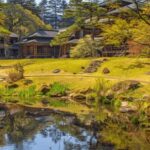
Then comes the garden side: Ninomaru Garden. The key point is that you’re not rushed through it like a checklist item. The guide frames what you’re seeing—seasonal flowers, ponds, and the Edo-period style that shaped how people used these spaces.
Practical takeaway for you: wear comfortable shoes. Garden paths can be deceptively tiring, and when the guide points out the layout or viewpoints, you’ll want to stay steady instead of constantly adjusting your footing.
What to look for while you’re walking
To get more from the garden time, I’d focus on three things:
- Transitions: how you go from stone, gate-like structures to softer garden forms.
- Water details: ponds and reflective surfaces that help explain why Edo-era garden design became so important.
- Seasonal cues: even if you’re there off-season, your guide will help you understand what changes across the year.
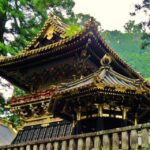

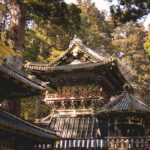
Sakurada-mon Gate: A Stop That’s More Than Photos
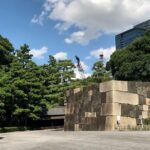
About 20 minutes are set aside for the Sakurada-mon Gate, with a photo stop and guided time. This is a strong mid-to-late stop because it connects the visual landmarks to a bigger story.
Gates like this are meaningful in a place built around control and movement. Instead of treating it as just an architectural point, the guide places it into the context of the samurai era, where access, defense, and symbolism all mattered.
You’ll also see how gates relate to moats and the defensive layout in the grounds. That’s part of the tour’s unique payoff: you’re not just learning names—you’re understanding how space worked.
If you’re the type who likes to take photos, you’ll get the time to do that. But if you prefer less time behind the camera, this stop is still worth it because the explanations are what makes it stick.
Your Guide Matters More Than You Think
One of the most consistently praised parts of the tour is the guide’s communication style. Different guides have different strengths, but the theme is clear: you’ll get clear explanations and room for questions.
For example, Tony is specifically noted for speaking clearly and loudly for deaf participants, while Bell is praised for making sure everyone felt included. Jim also gets credit for explaining Japanese history with humor and an easy flow, keeping things both informative and fun.
Here’s why this matters for you: palace grounds can be vague if you’re on your own. A good guide turns stone and garden layout into a story you can follow. It also makes the pacing feel smoother, since you’re not constantly reading or trying to translate what’s in front of you.
So yes, enjoy the visuals. But the real value is the way the guide ties the Tokugawa shogunate, the shift to imperial rule, and the traditions that still show up today into a path you can walk.
Price and What You Actually Get for $22
At about $22 per person for roughly 90 minutes, this is good value for Tokyo. The big reason: admission to the Imperial Palace East Gardens is included, so you’re not layering extra ticket costs on top of a guided walk.
You’re also paying for time with a live English guide, not just access to the grounds. That guide time is what helps you interpret Edo Castle ruins, the gate and moats concept, and the Ninomaru Garden design approach.
In other words, it’s not a long tour, and it doesn’t try to cover everything Tokyo can offer. It focuses. And that focus is part of the bargain: you can fit it into a short itinerary without burning half a day.
Timing Tips for a Smooth 1.5 to 2 Hours
The tour is listed as about 90 minutes, with an overall duration range of roughly 1.5 to 2 hours. That’s long enough to feel like you saw the important pieces, but short enough to keep you from losing your energy.
If you want this to feel calm instead of rushed, plan to arrive a few minutes early at the Starbucks meeting point. Then use the tour as your orientation layer. After you finish, you’ll be able to return to your favorite spots and slow down without guessing.
Also, since it’s in the Imperial Palace East Garden area, the surrounding streets can be busy. Walking with the group helps you stay on track and makes it easier to move between photo and guided segments without stopping every few minutes to figure out where you’re supposed to be.
Who This Tour Suits Best (and Who Might Skip)
This tour is especially suited to you if:
- You want a focused history walk in central Tokyo without complicated logistics.
- You enjoy understanding how places were designed for power and movement, not just admiring scenery.
- You like gardens and want them explained in context, including Ninomaru Garden’s seasonal feel.
It may be less ideal if:
- You hate structured tours and prefer total freedom with no set route.
- You want a long, unhurried garden day with lots of time to sit and wander without prompts.
The sweet spot is a traveler who wants both: story and atmosphere, gates and ponds, Edo Castle stone and an imperial-era calm.
Should You Book This Imperial Palace East Garden Tour?
I’d book it if you’re in Tokyo for a short trip or you want one high-value, low-confusion activity that gives you context fast. The included admission and the guided walking time make it a smart use of a limited schedule, and the English-speaking guides are clearly a big part of why this works.
Before you go, set expectations: it’s a highlight tour, not a multi-hour deep meander. If you’re the type who loves soaking in gardens, plan extra time afterward so you can revisit what you liked most.
If you want my practical rule: treat this as your orientation to the area. Then let the garden choose your next stop once you’re out of the guided flow.
FAQ
How long is the Tokyo Imperial Palace, Edo Castle and Historical Tour?
It runs for about 90 minutes, and the duration is listed as approximately 1.5 to 2 hours.
How much does the tour cost?
The price is listed as $22 per person.
Where does the tour meet?
The meeting point is in front of a Starbucks located very close to the Imperial Palace East Garden (near Kokyo Gaien Wadakura Fountain Park).
What language is the guided tour?
The tour guide provides live narration in English.
Is admission to the Imperial Palace East Garden included?
Yes, admission to the Imperial Palace East Garden is included.
Is the tour wheelchair accessible?
The tour is listed as wheelchair accessible.
Can I cancel and get a refund?
Free cancellation is available up to 24 hours in advance for a full refund.