REVIEW · BOSTON
Boston: Underground Railroad History Tour of Beacon Hill
Book on GetYourGuide →Operated by Hub Town Tours · Bookable on GetYourGuide
Boston’s Beacon Hill can feel like a postcard. This tour turns it into a living timeline of slavery, resistance, and political change. I love the small-group pacing that keeps you from getting stuck in crowd knots, and I love how the walk links everyday streets to high-stakes decisions about racial slavery. One thing to consider: the route is not suitable for wheelchair users and includes steep hills and non-ADA-compliant sidewalks, so plan for steady walking on uneven footing.
From Boston Common, you follow the Black Heritage Trail into a part of the city where people fought for equality only blocks from wealth and power. You’ll visit key sites tied to the free black community, the education fight, and the debates that fed tensions before the U.S. Civil War. You also end where the story of sacrifice becomes public memory: in front of the Robert Gould Shaw and the 54th Massachusetts Regiment Memorial.
In This Review
- Key things I’d plan for before you go
- Why Beacon Hill’s streets matter so much here
- Meeting at the Soldiers and Sailors Monument: get oriented fast
- The Boston Common to Mount Vernon Street starter section
- A practical note on pacing
- Schools and meeting houses: where equality debates became real
- What I think you’ll appreciate most
- Following Underground Railroad connections through actual neighborhoods
- How the tour frames the Underground Railroad
- African Meeting House break: the story slows down on purpose
- Charles Sumner House, Park Street Church, and the political gravity nearby
- The ending at the Shaw and the 54th Regiment memorial
- Price and value: why $35 makes sense for this specific experience
- What to expect on the ground: walking distance, timing, and comfort
- Who this tour fits best
- Should you book this Underground Railroad history tour of Beacon Hill?
- FAQ
- Where do I meet the guide?
- How long is the tour, and how far do we walk?
- Is the tour indoors or outdoors?
- Is it accessible for wheelchair users?
- What major stops are included?
- Are video recordings allowed?
Key things I’d plan for before you go

- A focused small-group walk that avoids the crush on narrow Beacon Hill sidewalks
- Real landmarks on the Black Heritage Trail, including the African Meeting House
- Underground Railroad connections in plain sight, tied to actual homes and streets
- Guides who answer questions, with energy that makes the past feel specific, not vague
- About 2 miles on foot, all outdoors, so dress for real weather
- A finish at the 54th Regiment memorial, which brings the Civil War story home fast
Why Beacon Hill’s streets matter so much here
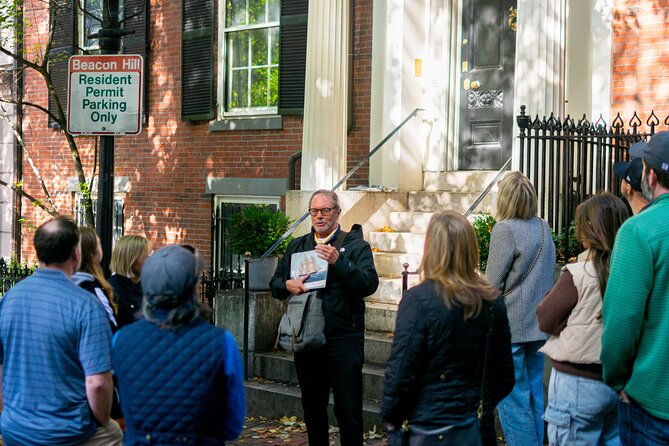
Beacon Hill looks polished on the surface—brick, curves, and tidy views. But this area is also where you can see how close freedom and oppression sat to each other. On this walk, you’re not just seeing pretty streets. You’re tracing how anti-slavery activism, education struggles, and legal arguments played out right where people lived.
The tour also does something I appreciate: it connects the “lead-up” years to the Civil War, instead of treating the conflict like it appeared out of nowhere. When slavery was debated in politics, courts, schools, and neighborhood life, the consequences landed fast on families.
You can also read our reviews of more historical tours in Boston



Meeting at the Soldiers and Sailors Monument: get oriented fast
You start at the Soldiers and Sailors Monument in the center of Boston Common, right by the Boston Common Visitors Center. Look for the white granite column topped by a female figure holding a flag, with bronze statues around the base. It’s a clear landmark, and it matters because this tour moves through tight streets where you want to keep your bearings.
A quick guided moment gets you set on what you’re going to focus on during the walk. Then you step from the broad openness of Boston Common into the narrower lanes of Beacon Hill, where every turn changes the feel of the story.
The Boston Common to Mount Vernon Street starter section
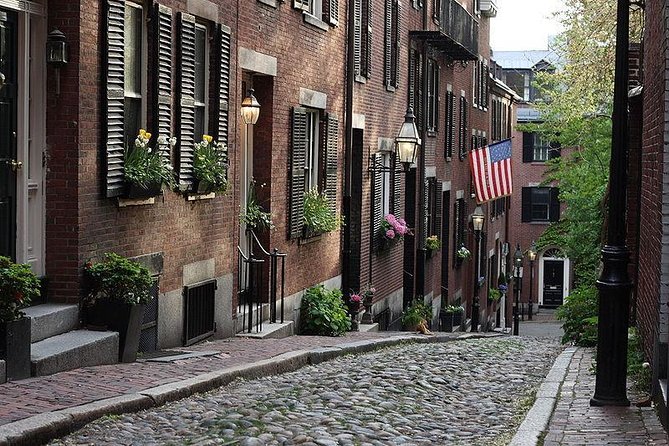
From Boston Common, the tour heads toward Mount Vernon Street and then onward through some of the neighborhood’s most famous curb-to-curb views. You’ll pause at Mount Vernon Street for a short guided stop, then continue to Acorn Street—another place where the street itself can trick you into thinking the past was simple.
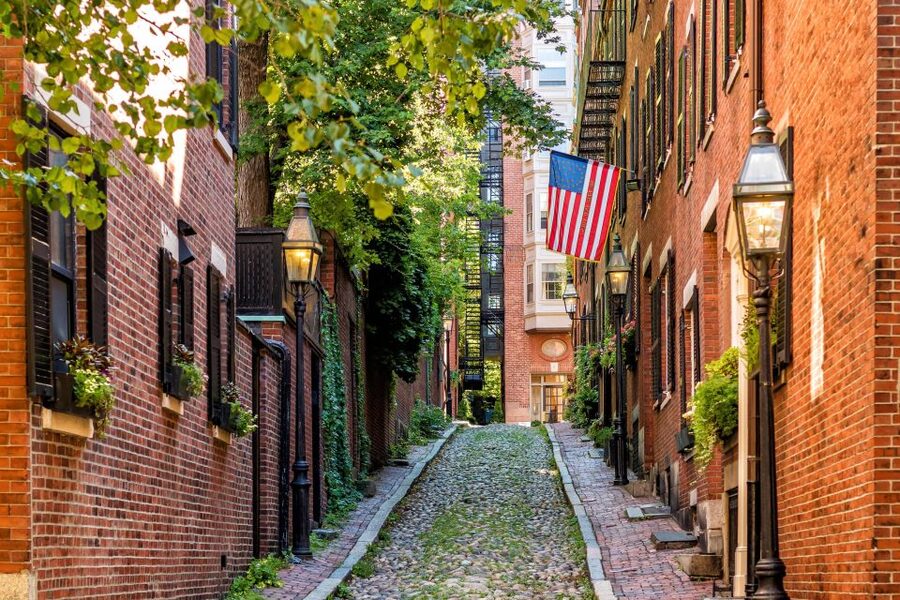
Acorn Street and Louisburg Square are more than photo stops. In the hands of a strong guide, these are prompts for questions like: Who lived here? Who could move freely? Who had access to schooling and safety? The tour uses the contrast between beautiful streets and brutal systems to sharpen the meaning of the history.
A practical note on pacing
Even with a smooth flow, you’ll be walking a couple of miles total. The tour is designed to keep a reasonable pace that isn’t rushed, which helps when you’re listening carefully and trying to take in surroundings at the same time.
Schools and meeting houses: where equality debates became real
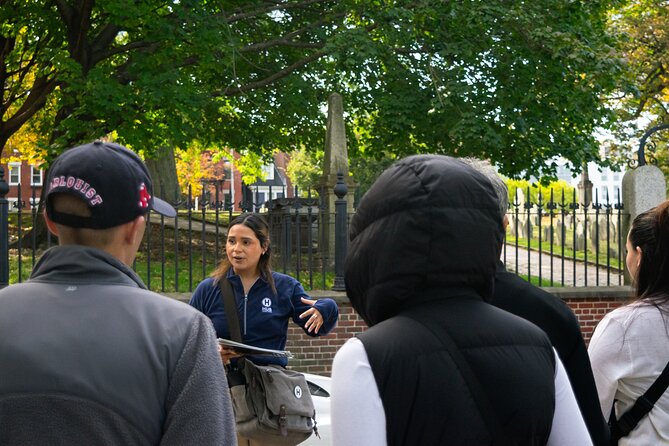
This tour spends real time on institutions because that’s where arguments about equality turned into everyday outcomes. One highlight comes at Phillips School, where you get a focused look at education and how access and segregation were fought for, resisted, and defended.
You’ll then move through homes and civic spaces tied to the free black community and its network. Stops along the way include the John J Smith House, the Charles Street Meeting House, and Charles Street itself, plus additional homes such as the John Coburn House and the Lewis & Harriet Hayden House. These aren’t random “historic buildings.” They help you picture how families and allies supported each other in a city with intense racial hierarchy.
You’ll also pass sites like the Otis House Museum and the Old West Church. Passing by is still useful here: you’re seeing the shape of the area while your guide ties nearby themes to abolition and community life.


What I think you’ll appreciate most
Many tours stay general. This one stays specific enough to make you want to look up names afterward. Guides like Will and William have been praised for answering questions and explaining the slavery-to-Civil War link clearly. Dana and Joe also get attention for their enthusiasm and clear narration, and Joe’s use of visual aids can help you track people and events while you’re walking.
Following Underground Railroad connections through actual neighborhoods
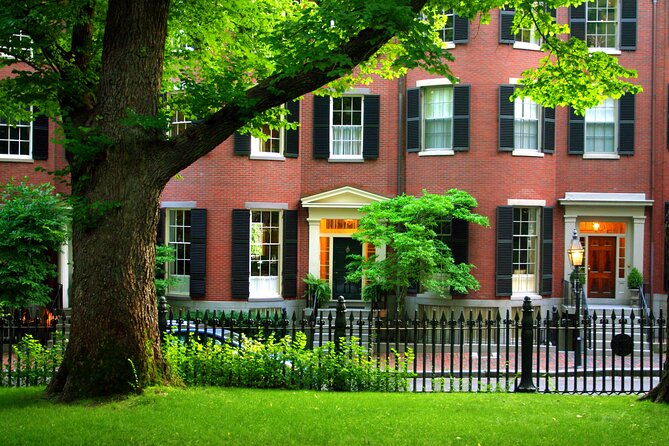
A key promise here is walking the Black Heritage Trail and seeing homes connected to Underground Railroad activity. The route brings you right into the kind of Boston streets where people could coordinate help—sometimes quietly, sometimes through community knowledge passed person to person.
At Lewis & Harriet Hayden House and other stops, your guide ties the neighborhood’s geography to the reality of risk. You learn that the struggle wasn’t only about physical escape. It was also about social standing, legal threats, and political momentum that shaped how abolitionists pushed back.
How the tour frames the Underground Railroad
If you’re a train enthusiast or you’re hoping for a technical breakdown of Underground Railroad mechanics, you might want more detail than this tour provides. The focus is on the bigger story: community courage, abolition politics, and the lead-up to the Civil War. That’s still valuable. It just means the “how it worked” parts are explained in context rather than as a deep operational lesson.
African Meeting House break: the story slows down on purpose
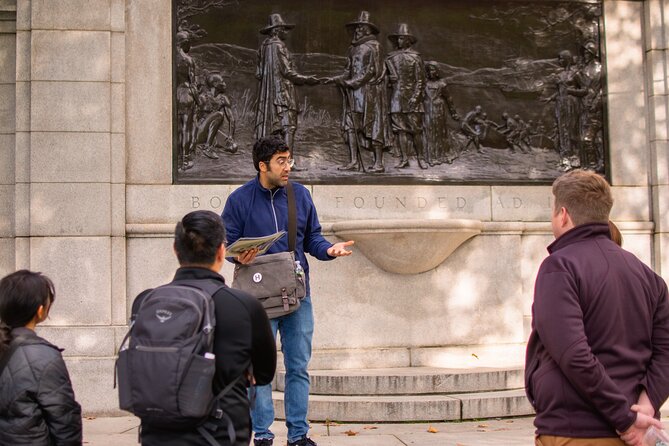
One of the most important stops is the African Meeting House. You’ll get a break time here, plus a guided tour. This is where the walking quiets down and the history gets a more grounded, interpretive feel.
The African Meeting House represents community organization and religious life tied closely to freedom struggles. It’s also a place that helps you understand why debates about slavery and equality weren’t abstract. People planned their lives around safety, community support, and the fight for rights.
If you’ve been listening to names and events all day, this stop helps you connect them to place—what it meant to gather, to worship, and to build networks in a tense 19th-century city.
Charles Sumner House, Park Street Church, and the political gravity nearby
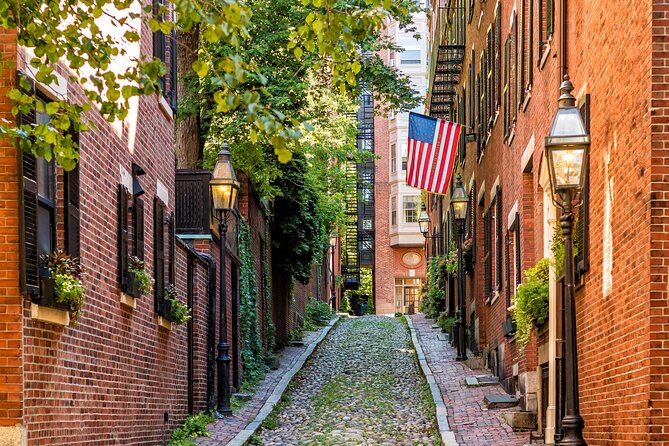
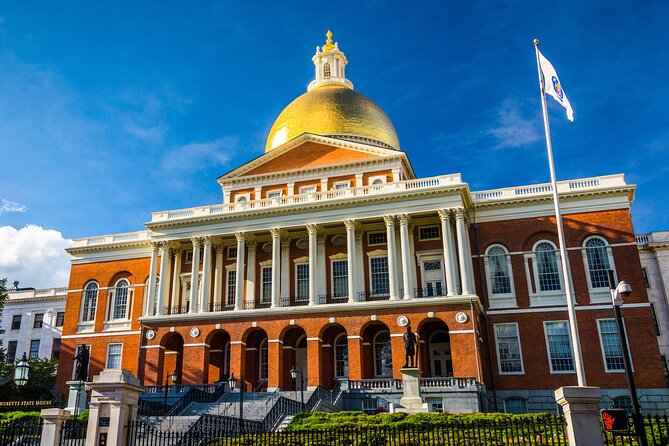
After African Meeting House, the walk continues through more notable landmarks and vantage points. You’ll visit the Charles Sumner House, and you’ll pass by Park Street Church with scenic views along the way. From there, the Massachusetts State House appears as a pass-by stop.
Why these sites matter: they place the slavery argument in the realm of public power. Sumner’s role in anti-slavery politics isn’t just a name on a plaque. The tour uses these points to show how national tensions and local action kept colliding until the Civil War became unavoidable.
If you’ve ever wondered how a neighborhood story turns into a national turning point, this is the part of the walk that answers it with geography.
The ending at the Shaw and the 54th Regiment memorial
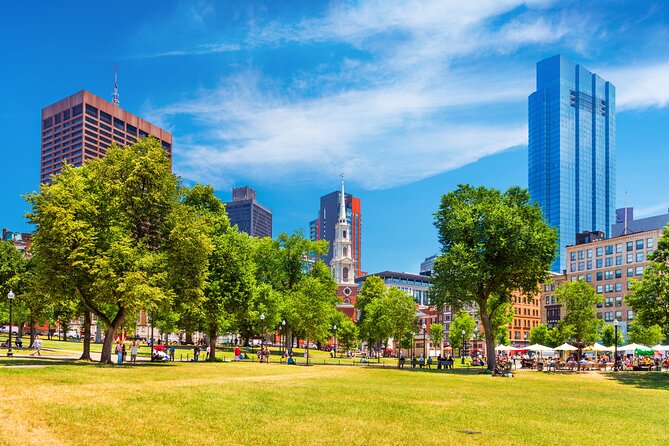
Your loop finishes at the Robert Gould Shaw and the 54th Massachusetts Regiment Memorial on Boston Common, just up Beacon Street from where you began. You’ll have a guided stop in front of the memorial, which gives the tour a clear emotional and historical endpoint.
This is a strong finishing choice because it shifts from “the struggle” to “what people did with that struggle.” You’re left with a concrete public reminder of courage and sacrifice tied to the Civil War era—right back in the open space of Boston Common, with the day’s story complete.
Price and value: why $35 makes sense for this specific experience
At $35 per person for about 150 minutes, this tour is priced like a serious history walk, not a quick drive-by. I like that the cost buys you an expert guide plus a structured route through key points tied to the Black Heritage Trail and Underground Railroad connections.
The best value here is the combination of:
- small-group flow that protects your attention (less sidewalk congestion)
- a guided narrative that connects neighborhood life to the Civil War lead-up
- multiple meaningful stops, including a deeper visit at the African Meeting House
If you only have a short window in Boston, this kind of route saves you the work of building your own connections among sites. If you’re the type who enjoys walking tours but gets impatient when they feel too general, you’ll likely feel this is money well spent.
What to expect on the ground: walking distance, timing, and comfort
The tour runs about 150 minutes and stays outdoors rain or shine. You’ll walk around 2 miles (3.2 km) in total. The timing can vary, but it won’t exceed 3 hours.
So plan for:
- comfortable shoes (the sidewalks can be uneven, and Beacon Hill has slopes)
- weather-appropriate clothing, because this is outdoors the whole time
- no luggage or large bags
- no video recording during the tour
It’s also not suitable for children under 6, people with low fitness, wheelchair users, or anyone who needs fully ADA-compliant paths. If you’re not sure about your comfort level with hills, treat the walking time and terrain as a real factor, not a casual stroll.
Who this tour fits best
I think this tour is ideal if you want Boston history with clear focus on slavery, resistance, and the years leading to the Civil War. It works especially well for couples, solo travelers, and small groups who like to ask questions and follow a guide through a compact area without feeling herded.
It also suits you if you enjoy learning through names, places, and social networks—not just big famous dates. The guides behind it (people like Will, Dana, Joe, and William, based on past guides) are consistently praised for passion, strong explanations, and keeping the pace easy enough to hear everything.
Should you book this Underground Railroad history tour of Beacon Hill?
Book it if you want a small-group Beacon Hill walk that connects neighborhood landmarks to the Black Heritage Trail and the Underground Railroad, with a narrative that explains why the Civil War was brewing for decades. The route gives you enough structure to feel oriented, and the African Meeting House stop adds depth without forcing you to spend the day in museums.
Skip it (or choose another format) if you need wheelchair access, have limited mobility, or don’t do well with walking hills and non-ADA sidewalks. And if you’re looking for a purely technical Underground Railroad lesson, you may find the emphasis leans more toward context and community life than operational detail.
FAQ
Where do I meet the guide?
Meet your guide at the Soldiers and Sailors Monument in the center of Boston Common, steps from the Boston Common Visitors Center at 139 Tremont Street (02108). Look for the white granite column topped by a female figure holding a flag, with bronze statues around the base.
How long is the tour, and how far do we walk?
The tour lasts about 150 minutes and is roughly 2.0 miles (3.2 km) of walking. Total time won’t exceed 3.0 hours.
Is the tour indoors or outdoors?
It’s an entirely outdoor walking tour that operates rain or shine.
Is it accessible for wheelchair users?
No. The tour is not suitable for wheelchair users and involves steep hills and non-ADA-compliant sidewalks.
What major stops are included?
You’ll see landmarks on the Black Heritage Trail, including the African Meeting House. The route also includes multiple historic Beacon Hill sites and ends at the Robert Gould Shaw and the 54th Massachusetts Regiment Memorial.
Are video recordings allowed?
No. Video recording is not allowed during the tour.