REVIEW · BOSTON
Boston: Guided Seafood Tasting and History Tour
Book on GetYourGuide →Operated by Intrepid Urban Adventures · Bookable on GetYourGuide
Boston eats, with history on every corner. This walking tour strings together the city’s Revolutionary sites and some serious seafood stops, starting with views at Independence Wharf and ending near Rose Kennedy Greenway. I especially love the way the meal feels local and practical, with lobster rolls and New England classics showing up right where the stories happen. One key catch: this tour centers on shellfish, so it is not suitable if you have a shellfish allergy.
I also like the small size. You’re capped at about 12 people, which makes it easier to ask questions and actually hear your guide, whether it’s Alex pacing the group with history and views, Conner sharing lively Revolutionary facts, or Larry keeping the energy moving from bite to bite.
Finally, it’s built around food that adds up to a real meal, not just a couple of bites, and it’s run with a carbon-neutral approach by a B Corp certified operator. If you want a tour where every minute is guaranteed indoor comfort, though, know this goes rain or shine unless weather turns dangerous, so plan on being outside for about 2.5 miles of walking.
In This Review
- Key Things I’d Put on Your Boston Checklist
- Why This Boston Seafood Walk Works So Well
- Starting at Independence Wharf: Tea Party Ship Views and First Bites
- Seaport District to Long Wharf: Harborwalk Views That Keep You Walking
- Faneuil Hall and Quincy Market: Where Boston’s Food and Politics Shake Hands
- Union Oyster House Finish: A Classic Seafood Finale in a Legendary Room
- The Food Plan: What You’ll Eat and Why the Samples Add Up
- Small-Group Guidance: When History and Food Actually Feel Linked
- Price and Value: Is $109 a Smart Deal for Boston?
- Walking Practicalities: Shoes, Rain, and How the Day Flows
- Who Should Book This Seafood-and-History Tour (and Who Should Skip It)
- Should You Book It?
- FAQ
- How much does the Boston Guided Seafood Tasting and History Tour cost?
- How long is the tour?
- Where does the tour start and end?
- Is the tour suitable for people with shellfish allergies?
- What food is included?
- Is it wheelchair accessible and how much walking is involved?
Key Things I’d Put on Your Boston Checklist
- Independence Wharf start with waterfront views tied to the Boston Tea Party Ship area
- Waterfront walking route along the Harborwalk and Long Wharf for easy scenery and breaks
- Faneuil Hall + Quincy Market where Boston’s “eat and talk” culture is on full display
- Union Oyster House finish in a place with deep restaurant lore and a classic seafood finale
- Shellfish-heavy menu with samples that can add up to a full meal (great for seafood lovers, not for shellfish allergies)
Why This Boston Seafood Walk Works So Well
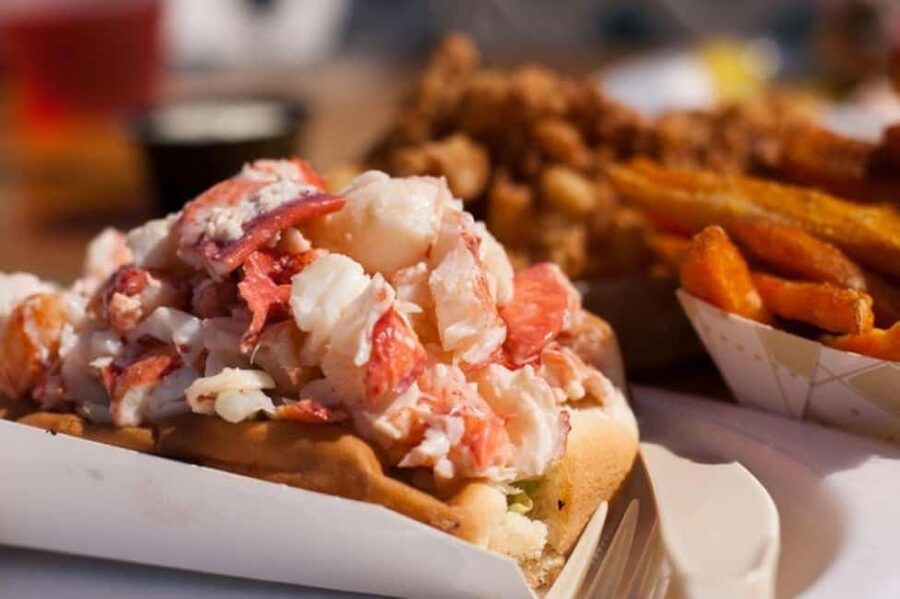
Boston can feel like two cities at once: the grand history people came for, and the everyday food scene that locals actually use to meet, snack, and catch up. This tour does a smart job of joining those two parts. You walk through the waterfront-to-market corridor and keep stopping to eat along the way, so you’re not just reading plaques—you’re tasting the region.
The pacing also helps. In about 2.5 hours you cover roughly 4 km (2.5 miles) at a comfortable walking pace, with multiple food moments that keep things from dragging. That timing matters if you’re also trying to hit other sights later the same day.
And yes, it’s seafood-first, but it’s not the kind of food experience that feels fussy. Think straightforward New England favorites—lobster rolls, New England clam chowder, and other shellfish dishes—served in portions that are meant to add up.
You can also read our reviews of more food & drink experiences in Boston
Starting at Independence Wharf: Tea Party Ship Views and First Bites
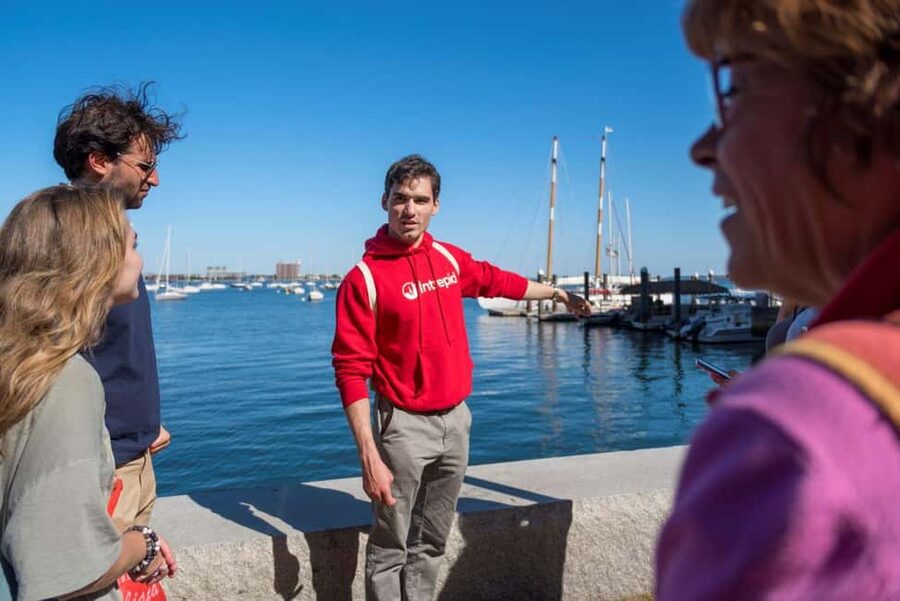
The tour begins outside the Independence Wharf Building at the corner of Atlantic Ave and Seaport Blvd. This is a good start point because you get city waterfront energy immediately, plus easy access to the Boston Harbor area.
From here, the guide sets the tone by connecting what you’re seeing to the Revolutionary era. Even if you’re not a history buff, you’ll likely enjoy the way your guide frames the waterfront as a working stage for major events—not just pretty water. It helps you understand why this part of Boston matters.
Before you sink into the rest of the walking route, you get a quick sense of the tour style: you’re moving, you’re learning, and you’re eating real food in real places. It’s a friendly formula, and it works especially well if this is your first time in Boston and you want to quickly get your bearings.
Seaport District to Long Wharf: Harborwalk Views That Keep You Walking
Next up is the Boston Harborwalk and then Long Wharf. This stretch is great for two reasons. First, the scenery makes the walk feel shorter than it is. You get that classic harbor feel—boats, water, open air—and the route is made for wandering.
Second, your guide uses the movement to keep the story flowing. Instead of talking at you the whole time, they tend to pair historical context with what’s in front of you. That’s why these stops feel practical rather than just performative.
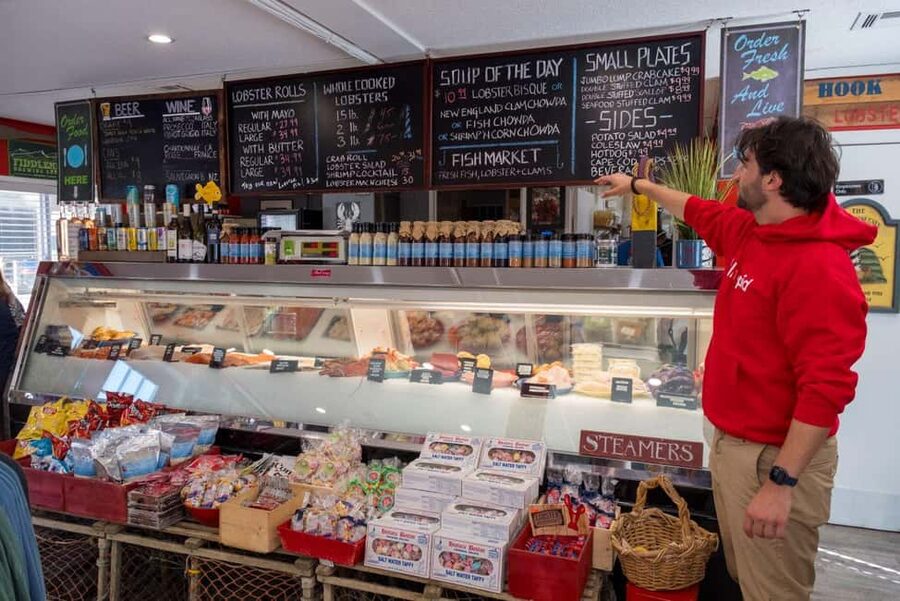
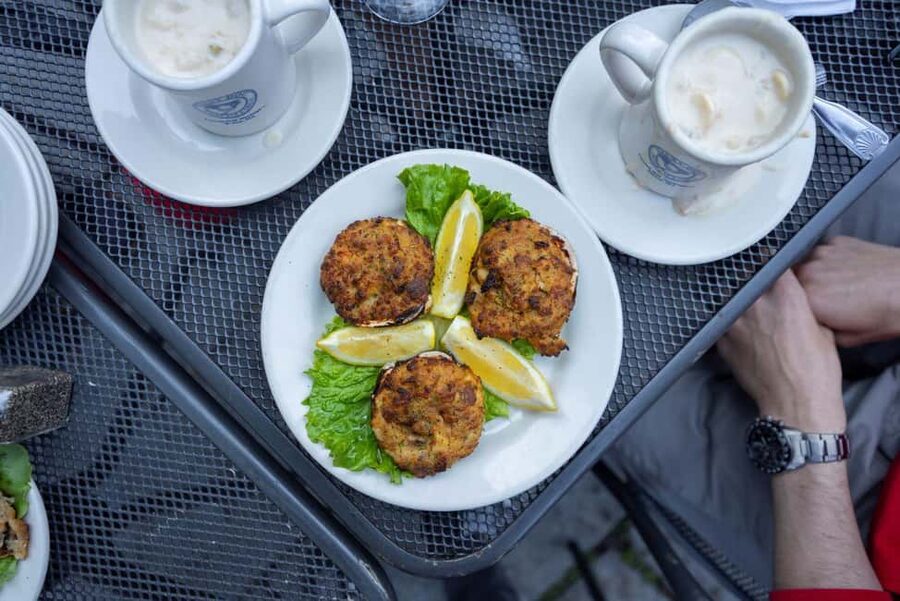
On this part of the tour, you’ll be building toward the bigger food names. Expect to taste more than one seafood type, and you may see variety that goes beyond the headline lobster roll. Depending on what’s available on the day, you might run into options like stuffed clams or other classic local preparations—dishes that make the tour more than “just a lobster roll stop.”
One practical tip: if you’re prone to getting cold or damp near the water, wear a light layer. It’s not about fancy gear—just Boston’s harbor weather can shift fast.
Faneuil Hall and Quincy Market: Where Boston’s Food and Politics Shake Hands
After the waterfront portion, the tour heads into the heart of Boston’s eating and gathering culture with stops at Faneuil Hall and Quincy Market.
Faneuil Hall is a major part of the story you came for. You’ll get context for how Boston’s public life shaped American history and ideas of liberty, tied to the places where people gathered to talk and organize. Even if you’ve heard basic history before, a guided walk helps you connect the dots between events, geography, and why the city’s centers still matter.
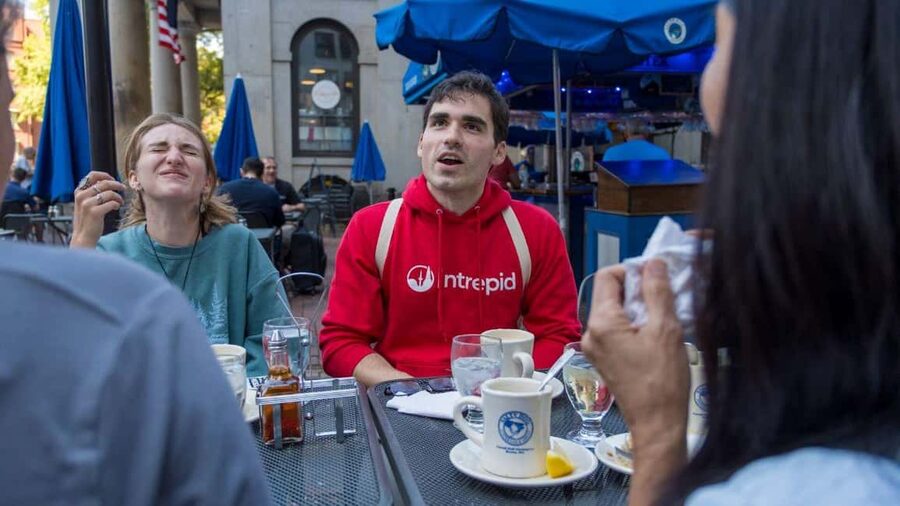
Then comes Quincy Market. If you’ve ever walked through a lively food hall and thought it felt like the city condensed into one spot, that’s the feeling. This is where the tour becomes very real and very food-focused. You get another chance at classic seafood samples while also soaking in the “everyone is here” atmosphere.
From a value standpoint, this mid-tour timing is smart. Your stomach is awake, your feet are warmed up, and the history-to-food flow is well paced. It also helps you avoid the most common mistake with food tours: getting so stuffed too early that you miss the last stops.
Union Oyster House Finish: A Classic Seafood Finale in a Legendary Room
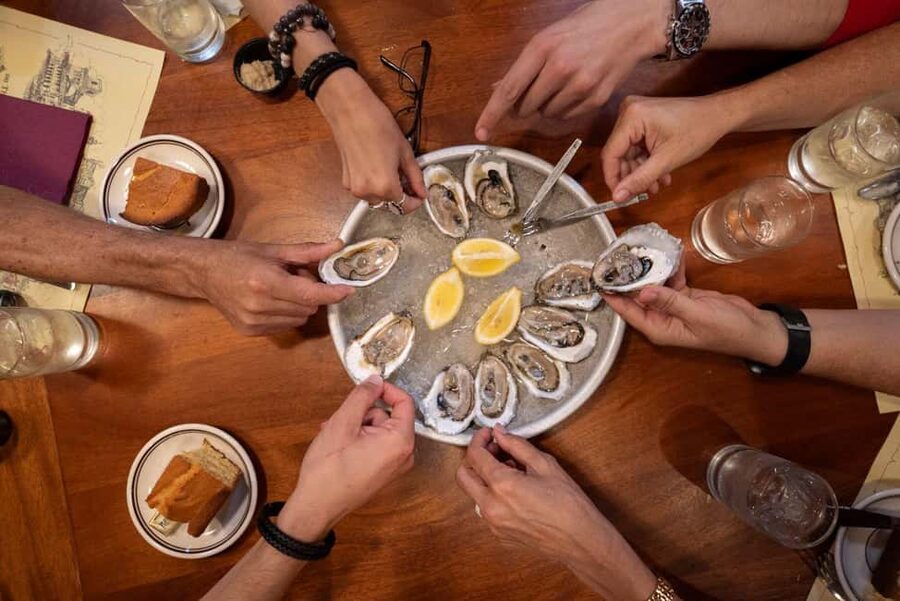
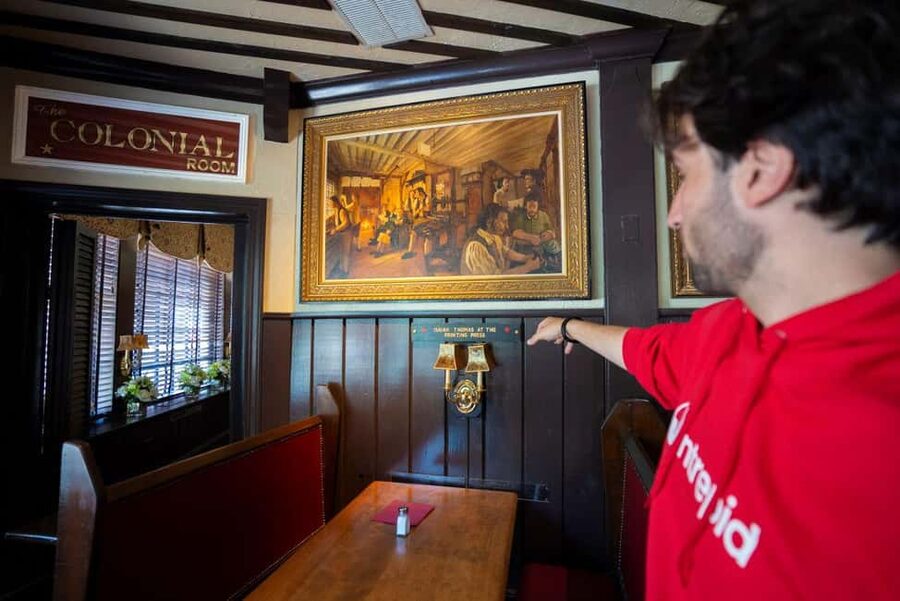
The tour winds up at Union Oyster House, where you’ll spend time in one of Boston’s most famous seafood settings. Based on what guides do during the walk, you’ll feel the day’s pacing tighten up here—like the meal is getting a proper send-off.
This last stop matters for two reasons. One, it gives you a chance to taste something substantial from the seafood world in a place that locals and longtime visitors associate with old-school Boston dining. One review specifically pointed out the finale as a strong ending, calling it a historic finish in a restaurant often described as America’s oldest.
Two, finishing here means you end the tour in a setting where the food is the focus, not just the walkway. You’ll get a more complete closure to the experience, which is especially nice if you don’t want to keep hunting for a sit-down meal afterward.
If you’re a photo person, this stop also tends to be a good time to slow down for a few pictures. The group dynamic is usually relaxed by then, so you can grab those shots without feeling rushed.




The Food Plan: What You’ll Eat and Why the Samples Add Up
This is a “samples that equal a full meal” kind of tour. So instead of one tiny taste and then another, you get enough variety and portion to leave satisfied.
What you can reasonably expect includes:
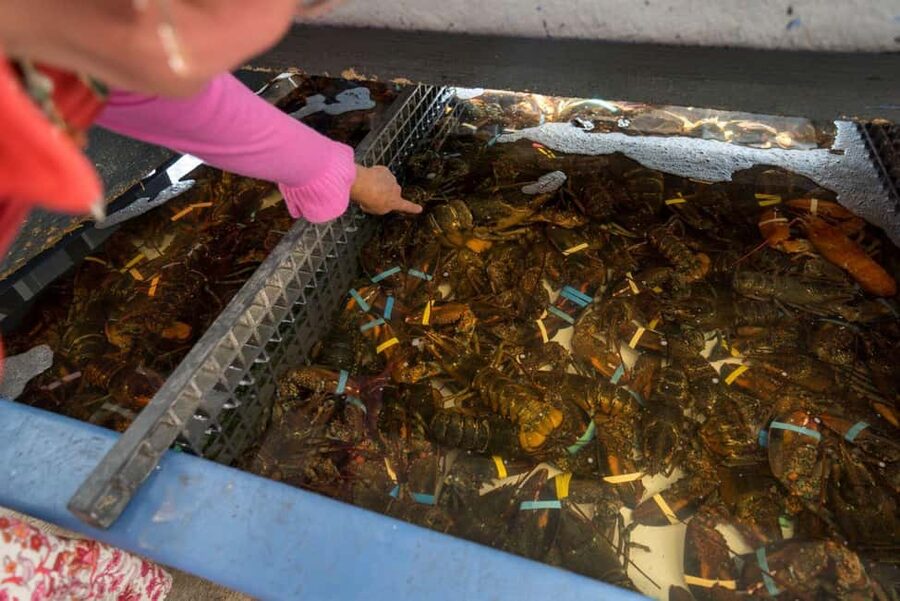
- Lobster roll (a must for many people, and usually the star)
- New England clam chowder (creamy, comforting, and very Boston)
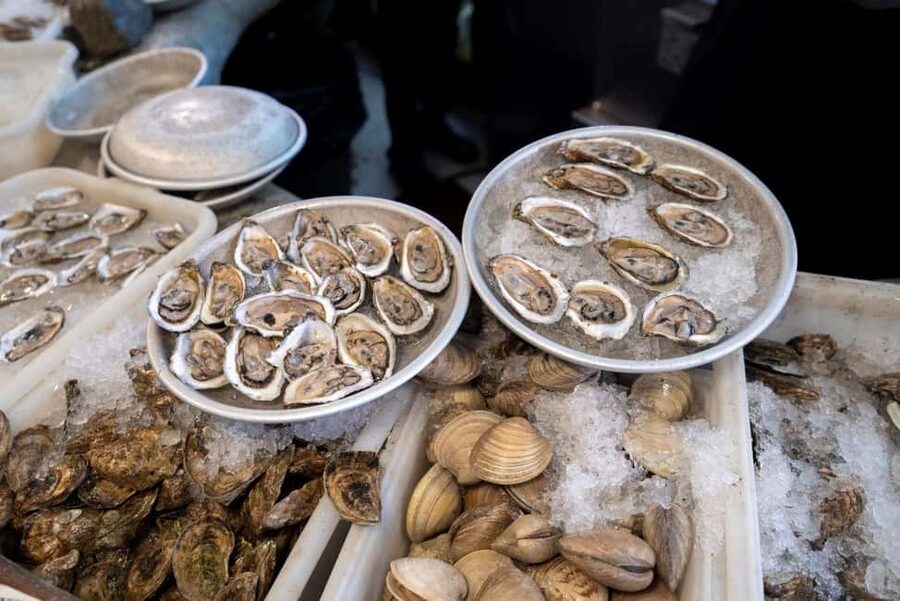
- Other shellfish dishes that may include stuffed clams or stuffed scallops, quahogs, fried clams, or raw oysters depending on what’s offered
I like that the tour isn’t pretending shellfish is just one flavor. You get a mix of textures and styles—creamy chowder, buttered lobster roll, and sometimes richer options like stuffed bites or raw selections. That makes the tasting more interesting than repeating the same dish at every stop.
Also, keep in mind a small-group tour can mean the guide has some flexibility in how the day moves. One person’s lobster roll might come with a different side or pairing depending on the restaurant situation that day. The big picture stays consistent: you’re eating your way through New England seafood classics.
One more thing: there’s no guarantee of substitutions if you can’t eat shellfish, since the tour is shellfish-centered. If you have any other food allergies, you need to flag them at least 24 hours ahead of departure so the team can’t guess.
Small-Group Guidance: When History and Food Actually Feel Linked
A big part of the value here is the live guide. You’re not just following a route with a map. You’re getting context as you walk, and it keeps the whole day from feeling like a checklist.
I’ve seen a pattern in guide styles from what people say. Guides like Alex and Larry tend to mix American Revolution storytelling with practical, foodie-style commentary. One review described Larry smoothly shifting between Revolution talk and stuffed-clams talk while keeping the group moving efficiently through town. Another praised Alex for being ready to take the group up for a great view, even when heights aren’t his thing—very real-world guide energy.
This matters because the sights you’re seeing can be easy to misunderstand if you only read a plaque. A guide turns the geography into a story, and the food becomes a way to remember the place. That’s why the walk feels like more than eating.
Price and Value: Is $109 a Smart Deal for Boston?
At $109 per person for about 2.5 hours, you’re paying for three things at once:
1) a guided walking experience,
2) multiple seafood tastings that are designed to add up to a full meal,
3) entry into a route packed with major sights like Faneuil Hall, Quincy Market, and the Union Oyster House area.
In Boston, seafood pricing isn’t gentle. Even if you only compare the cost of a lobster roll and a bowl of chowder at a typical spot, the food portion alone can eat a big chunk of the ticket price. The tour’s value is in bundling several sample stops together with the guidance and the walking route that strings it all along.
So I’d call this good value if you like seafood and you want to learn the city while you eat. If you’re only mildly interested in seafood, you’ll likely feel the price more than the food.
Walking Practicalities: Shoes, Rain, and How the Day Flows
This tour covers about 4 km (2.5 miles) on foot. That’s not extreme, but it is enough walking that your shoes should be comfortable and broken-in. You’ll also be outside along the harbor, so weather matters.
It runs year-round and goes rain or shine unless conditions become dangerous. Translation: bring a layer you can tolerate if it’s windy, and plan for damp air if it’s a coastal drizzle day.
The pace is also suited for all ages and fitness levels, but the walking distance is real. If you’re balancing this with other plans—like a museum later that day—wear shoes and schedule a slower evening afterward. Your feet will thank you.
Who Should Book This Seafood-and-History Tour (and Who Should Skip It)
This tour is a great match if:
- you’re a seafood fan,
- you want Boston history tied to places, not just lectures,
- you like walking through neighborhoods you can revisit later on your own.
It’s not a good match if:
- you have a shellfish allergy, because the tour is shellfish-centered and substitutions aren’t guaranteed,
- you want a dessert-focused itinerary, since it’s built around seafood samples rather than sweets.
It also suits first-timers well. Starting at the Independence Wharf waterfront and finishing at Rose Kennedy Greenway gives you a clear path through Boston’s core sightseeing zone. End near a park with cafes and transport links, and you’re set up to continue exploring without feeling stuck far away.
Should You Book It?
Yes, I’d book it if you’re visiting Boston soon and you want a straightforward way to combine the city’s Revolutionary-era spirit with the real taste of New England. The pricing works best when you genuinely plan to eat the seafood samples and enjoy the walking route.
Skip it if seafood isn’t your thing or if shellfish allergies affect your diet. And if you’re the type who hates any walking at all, rethink it—this is about a 2.5-mile day, rain or shine.
FAQ
How much does the Boston Guided Seafood Tasting and History Tour cost?
It costs $109 per person.
How long is the tour?
The tour runs for about 2.5 hours. Starting times vary, so you’ll want to check availability for the specific slot you want.
Where does the tour start and end?
You meet your guide outside the Independence Wharf Building at the corner of Atlantic Ave and Seaport Blvd. The tour ends at Rose Kennedy Greenway.
Is the tour suitable for people with shellfish allergies?
No. The tour is shellfish-focused and is not suitable for anyone with a shellfish allergy, since the tour cannot offer suitable substitutions.
What food is included?
Food samples are included and are designed to add up to a full meal. Samples can include items like lobster roll, New England clam chowder, stuffed clams or stuffed scallops, quahogs, or raw oysters. Additional food and drinks are not included.
Is it wheelchair accessible and how much walking is involved?
Yes, the tour is wheelchair accessible. It covers about 4 km (2.5 miles) of walking, and it runs year-round in rain or shine unless weather is dangerous.
If you tell me when you’re going (month helps with weather) and whether you eat all shellfish or have any allergies, I can suggest the best time window and what to prioritize around the tour day.