REVIEW · BOSTON
Boston: Underground Railroad History Tour of Beacon Hill
Book on GetYourGuide →Operated by Hub Town Tours · Bookable on GetYourGuide
Most people rush past Beacon Hill. This tour slows you down and ties the neighborhood to the road toward the Civil War. I love the small-group pace that helps you actually hear the story without fighting a crowd, and I also love the focus on the Black Heritage Trail landmarks that many visitors skip. One thing to consider: it’s an outdoor walk on steep hills and uneven sidewalks, so comfy shoes and good mobility matter.
You’ll start on Boston Common and work your way through narrow Beacon Hill streets, pairing big national events with the smaller, local fight over freedom. I found the guide’s energy adds momentum to every stop, and the route keeps pointing back to equality debates in daily life, not just textbook dates. The main drawback is simple: you’ll cover about 2 miles, so plan for a solid walking session, not a casual stroll.
In This Review
- Key points at a glance
- Why This Beacon Hill Route Works (and Why It Feels Personal)
- Price and Value for a 2.5-Hour Underground Railroad Walking Tour
- Starting at Soldiers and Sailors Monument: Your Boston Common Orientation
- From Mount Vernon Street to Acorn Street: Learning to Read Narrow Lanes
- Louisburg Square to Phillips School: The Fight Over Education Gets Real
- Meeting Houses and Streets With Names That Carry Stories
- The African Meeting House Break: A Mid-Tour Turning Point
- After the Break: Schools, Houses, and a Chain of Community Landmarks
- Finish at the Shaw and 54th Regiment Memorial: What the Tour Turns Into
- What You’ll Need to Know Before You Go
- Should You Book This Beacon Hill Underground Railroad History Tour?
- FAQ
- Where does the tour start?
- How long is the walking tour?
- What is the total distance?
- How much does it cost?
- Is the tour indoors or outdoors?
- What are some of the key stops?
- Is museum admission included?
- What should I bring and wear?
- Can I record video during the tour?
- Can I get a refund if my plans change?
Key points at a glance
- Small-group walking pace helps you stay oriented and keep listening on busy streets
- African Meeting House is a major stop, with a real guided focus
- Underground Railroad homes on the route make the story feel specific, not abstract
- Education and integration debates get spelled out in plain terms
- Finish at the Shaw and 54th Regiment Memorial ties the whole arc together
Why This Beacon Hill Route Works (and Why It Feels Personal)

Beacon Hill can look like pure postcard New England from a distance: pretty brick, tight lanes, and fancy storefronts. This tour uses that same setting to make a point: people lived with slavery and the fight against it right next door to privilege. That contrast is the engine of the experience.
The story also stays grounded in places you can stand in front of. You aren’t just hearing about freedom and justice in the abstract. You’re walking past meeting houses, schools, and homes that connect to the decades leading up to the U.S. Civil War.
The guide for this tour is Will, and his delivery matters. One reviewer said time flew because he was so enthusiastic, and that tracks with how this tour is designed. You’ll feel the narrative move stop to stop instead of pausing for long lectures.
You can also read our reviews of more historical tours in Boston



Price and Value for a 2.5-Hour Underground Railroad Walking Tour
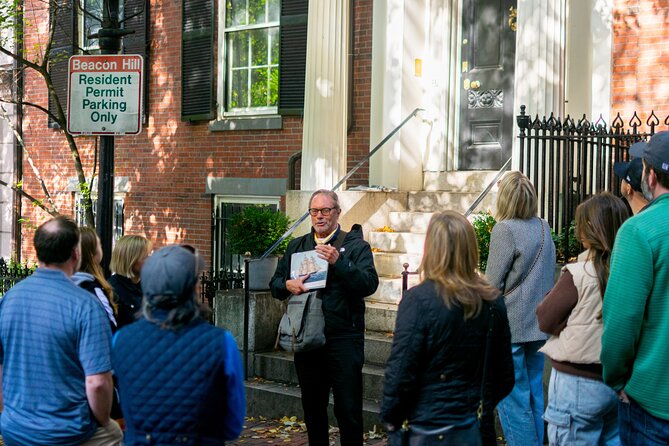
At $35 per person for about 2.5 hours, this is priced like a serious walking tour, not a casual city overview. The value comes from two things: you get a local historian/expert guide, and you get coverage of 10 Black Heritage Trail landmarks built into the route.
Also, because it’s a walking tour, you’re not paying for museum admission that you might not even want. Admission isn’t included, so if you plan to go inside places on your own later, you can decide based on your interests.
You should think of this as a curated route through Beacon Hill’s key sites connected to the Underground Railroad story and the lead-up to the Civil War. If you like real neighborhood context—street-level history—this price usually feels fair.
Starting at Soldiers and Sailors Monument: Your Boston Common Orientation
Your tour meets at the Soldiers and Sailors Monument in the center of Boston Common. This is a smart starting point because the monument anchors you before you head into the neighborhood. You also get something practical: it’s easy to find, right near the Boston Common Visitors Center at 139 Tremont Street.
From there, you’ll move into the first stretch of guided walking on the Common itself. The Boston Common portion is brief, but it sets the stage so the rest of Beacon Hill doesn’t feel like a random list of stops. Expect an orientation moment early on, not a late one.
If you’re arriving from another part of the city, plan to give yourself a few minutes to get your shoes ready and your pace set. Boston Common is an open area; Beacon Hill becomes narrow fast.
From Mount Vernon Street to Acorn Street: Learning to Read Narrow Lanes
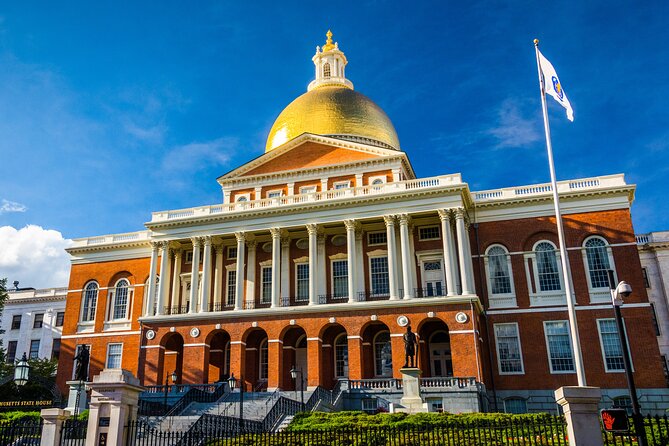
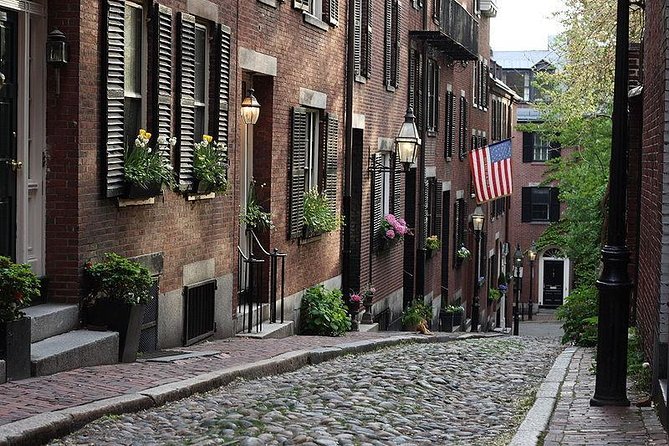
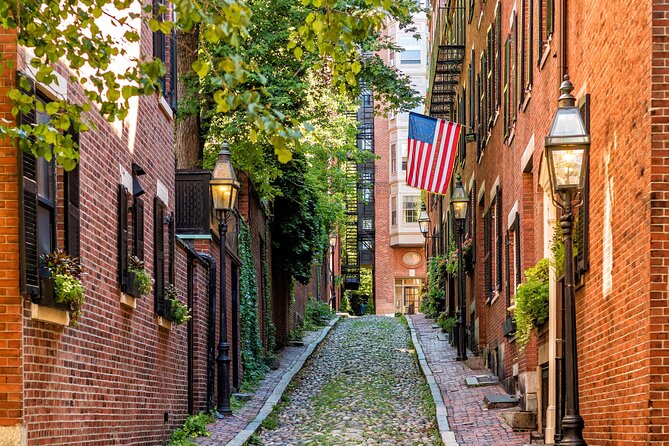
The route threads into Beacon Hill, where the streets get tight enough that you’ll feel how close people were to each other’s lives. Stops like Mount Vernon Street and Acorn Street are short, but they’re not filler.
Here’s what I like about this kind of stop length: you get a quick guided takeaway tied to why the street matters. Acorn Street, in particular, is famous, but a good guide uses that fame as a hook and then pulls you into the deeper context—who lived where, who had power, and who fought for freedom.
This is also where the small-group setup pays off. When the sidewalk narrows, a bigger crowd turns listening into guesswork. With fewer people, you can actually follow the story without craning your neck.
Louisburg Square to Phillips School: The Fight Over Education Gets Real
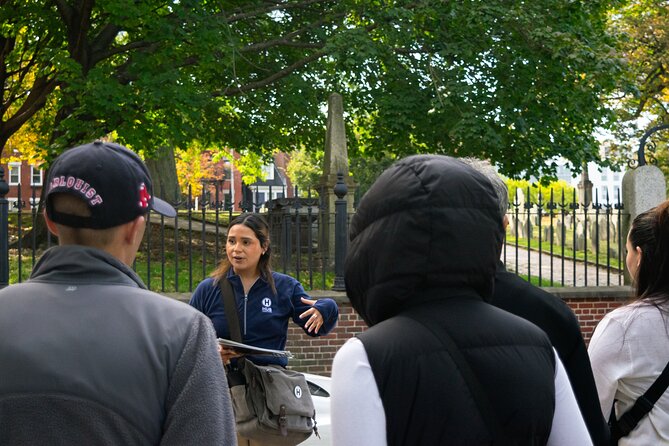
One of the more powerful parts of this tour is how it talks about equality in education. You’ll spend guided time around Louisburg Square and then reach Phillips School for about 15 minutes of guidance.
Why this matters: education debates weren’t separate from slavery politics. They were tied to the same argument about what freedom meant in daily life—who deserved opportunity and who got shut out. A tour that takes time here helps you connect the national debate to concrete consequences.
At this stage, you’ll start seeing how Beacon Hill could contain both wealth and limitation in close proximity. That’s the theme you’ll keep returning to throughout the walk.




Meeting Houses and Streets With Names That Carry Stories
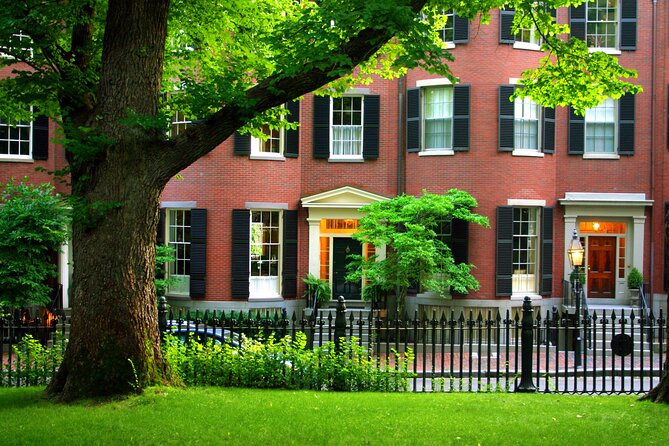
You’ll hit several places where names act like breadcrumbs. Charles Street Meeting House gets guided time, and you’ll also spend time on Charles Street itself. Meeting houses were social and political centers, and the tour uses them to show how community organizing and moral arguments turned into action.
Then you move past or through additional landmark stops tied to community life and to the Underground Railroad story. You’ll also visit John J. Smith House, take guided time at John Coburn House, and see other key locations that help you track how people found safety, support, and routes.
Not every stop has equal time, but the flow makes sense. You’re building a map in your head, and each stop adds a layer to that map: religion, education, home life, and political momentum.
The African Meeting House Break: A Mid-Tour Turning Point
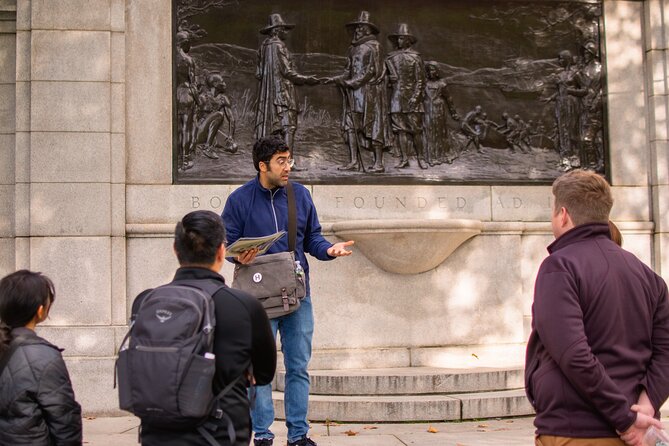
This is a major highlight for a reason. The African Meeting House is scheduled with a break time plus guided time (about 20 minutes).
Even if you know the broad outline of Black history in Boston, this stop tends to work differently in a walking tour setting. You’re not just learning facts; you’re standing in a specific place tied to a community that lived with urgency and also with determination. The route leading you here makes the significance build.
You’ll also get the Underground Railroad connection spelled out in a way that feels tied to the neighborhood. The tour specifically points out homes along the route tied to the Underground Railroad story, and this is where that connection lands.
Take the break seriously. Step away from the flow for a few minutes, hydrate, and reset your ears. Then you’ll be ready for the remainder of the walk without losing track of names and locations.
After the Break: Schools, Houses, and a Chain of Community Landmarks
Once you leave the African Meeting House area, the tour keeps tightening the story through more guided stops. You’ll reach Abiel Smith School and then George Middleton House (with guided time around 15 minutes).
These are the kinds of sites that help you understand the long arc—how the movement for equality wasn’t just one event. It was a sustained struggle that played out through institutions like schools and through people’s day-to-day choices.
Along the way, you’ll pass The Vilna Shul, Otis House Museum, and Old West Church. Even though those moments are pass-by stops rather than long guided segments, they still matter because they remind you Beacon Hill is layered. Different communities shaped the neighborhood over time, and the tour keeps you aware that history has more than one chapter in the same streets.
Finish at the Shaw and 54th Regiment Memorial: What the Tour Turns Into
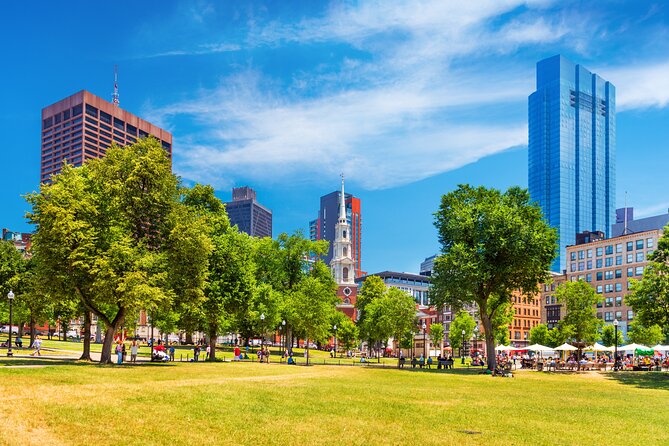
The ending is one of the best ways to close a lead-up-to-war narrative. You’ll reach the Robert Gould Shaw and the 54th Regiment Memorial on Boston Common for guided time.
This part matters because it connects the pre-war struggle to the kind of public action that defined the war era. After hours of talking about equality, education, and anti-slavery political growth, you end at a memorial that represents courage and stakes made visible.
On the way, you’ll also see Park Street Church with scenic views during that travel segment. It’s the kind of moment that breaks up the story without breaking the rhythm.
If you’re the type who likes closure, this ending gives it. You don’t finish with a shrug and a map for later. You finish with a physical focal point that ties the tour’s themes together.
What You’ll Need to Know Before You Go
This tour is entirely outdoors and runs rain or shine, so plan your clothing accordingly. Bring comfortable shoes, because you’ll cover about 2.0 miles (3.2 km) with time spent stopping and listening.
A few rules help the tour move smoothly:
- No luggage or large bags
- No video recording
- You should expect steep hills and non-ADA-compliant sidewalks, so it’s not a fit for wheelchair users or people with mobility impairments
It also says the tour isn’t suitable for children under 6 and for people with low level of fitness. If you’re unsure about your own comfort level with hills and uneven pavement, this is the part to take seriously.
Should You Book This Beacon Hill Underground Railroad History Tour?
I’d book it if you want small-group history tied to real neighborhood locations, and if you care about the details often missed in quick sightseeing. This one is strong when you want the Underground Railroad story and the lead-up to the Civil War explained in an accessible way, with stops that keep you focused.
Skip it if you’re looking for a mostly relaxed walk with minimal stops, or if outdoor hills and uneven sidewalks are a problem for you. Also, if you’re hoping for museum admissions included inside, that’s not how this tour is set up—you’ll be outside visiting sites and viewpoints, then you can decide on any extra indoor stops later.
If you like guided walking tours where the guide truly carries the story (and Will’s enthusiasm is clearly a big part of why this works), this is a solid use of your time in Boston.
FAQ
Where does the tour start?
You meet your guide at the Soldiers and Sailors Monument in the center of Boston Common, steps from the Boston Common Visitors Center at 139 Tremont Street (02108).
How long is the walking tour?
The tour lasts about 2.5 hours, and the duration can vary but won’t be more than 3 hours.
What is the total distance?
The walking tour covers approximately 2.0 miles (3.2 km).
How much does it cost?
The price is $35 per person.
Is the tour indoors or outdoors?
It’s entirely outdoors, and it operates rain or shine.
What are some of the key stops?
You’ll visit places such as the African Meeting House and you’ll also end at the Robert Gould Shaw and the 54th Regiment Memorial on Boston Common. The tour includes multiple additional Beacon Hill landmarks along the way.
Is museum admission included?
No. Admission inside museums is not included.
What should I bring and wear?
Wear comfortable shoes and dress for the weather since the tour is outdoors.
Can I record video during the tour?
No. Video recording is not allowed.
Can I get a refund if my plans change?
Yes. You can cancel up to 24 hours in advance for a full refund.