REVIEW · SAN FRANCISCO
Castro District LGBTQ+ History Tour
Book on Viator →Operated by The Native Experience · Bookable on Viator
Street corners turn into living history. This Castro District LGBTQ+ History Tour threads together real-world artifacts, major turning points, and the kind of stories you only get when you’re walking the same blocks. I especially loved seeing the original rainbow flag and Jose Sarria’s personal items in one stop.
Another strong win is the way the tour keeps moving without feeling rushed. You get a tight 1 hour 30 minutes loop that hits the big symbols and the people behind them, with clear pacing and time to ask questions.
One consideration: the topics here include AIDS-era memory and political violence around the White Night Riots, so it can feel heavy even when the guide keeps the tone approachable. If you prefer light-and-funny sightseeing only, you may want to pair this with a calmer day after.
In This Review
- Key points at a glance
- Castro District history tour: why this walk hits harder
- Price and logistics: $39 for 90 minutes that stays focused
- Where you meet: starting at Harvey Milk Plaza
- Stop spotlight: Harvey Milk Plaza and the White Night Riots
- The stop with the original rainbow flag and Jose Sarria’s personal items
- A piece of the HIV/AIDS Memorial Quilt: why it’s more than a symbol
- The iconic gay bar that kept its windows open
- Another milestone: the first store in San Francisco to hire openly gay workers
- The palatial-style theater from the 1920s
- How the guides keep it engaging: Miguel and Eric’s approach
- What to do before and after the tour so it lands
- Who should book this Castro LGBTQ+ history tour
- Should you book?
- FAQ
- Where does the tour start?
- Where does the tour end?
- How long is the Castro District LGBTQ+ History Tour?
- What is the price?
- Is the tour offered in English?
- What kind of ticket do I get?
- How big is the group?
- Are service animals allowed?
- Is it near public transportation?
- Can I cancel and get a full refund?
- Will I get confirmation when I book?
Key points at a glance
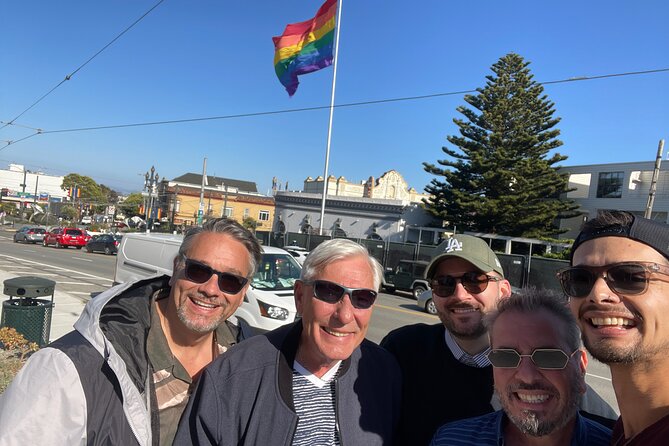
- Original rainbow flag and Jose Sarria items: artifacts that explain why the Castro became a global symbol.
- Harvey Milk Plaza focus: you’ll connect local gatherings to the White Night Riots.
- A fragment of the HIV/AIDS Memorial Quilt: a visible reminder that history is still personal.
- A long-running gay bar with windows left unblocked: a small detail with big meaning.
- Early employment milestone: a store that hired openly gay workers in San Francisco.
- A 1920s palatial theater sightline: one of the last grand theater styles you can still spot.
Castro District history tour: why this walk hits harder
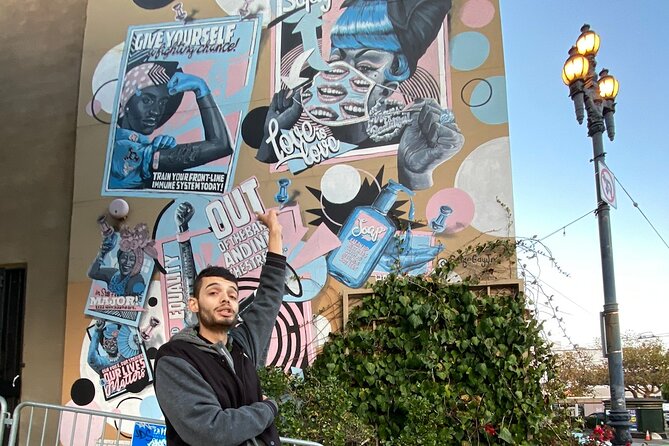
The Castro isn’t just a neighborhood you pass through. It’s a place where activism, community life, and survival all left physical marks. On this tour, you’re not stuck with vague plaques. You’re seeing concrete items and hearing how they connect.
I like that the tour balances symbol and story. One moment you’re looking at something iconic. The next you’re learning how a neighborhood gathering could ripple into real-world consequences. That combo is what makes the walk feel grounded.
You’ll also get a human pace. The guides featured in past groups, including Miguel and Eric, are praised for moving at the right speed and answering questions clearly. That matters in a tour like this, where you’ll want context, not just dates.
You can also read our reviews of more historical tours in San Francisco
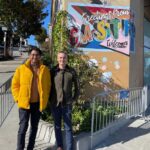
Price and logistics: $39 for 90 minutes that stays focused
At $39 per person for about 1.5 hours, this tour is priced for value over extras. You’re not paying for an all-day production or a long bus ride. You’re paying for a guided walk that concentrates on the Castro’s LGBTQ landmarks and key historical threads.
A few practical things that help you plan:
- Group size caps at 30 travelers, so it doesn’t feel like you’re shouting over a crowd.
- It’s offered in English.
- You’ll have a mobile ticket, which is convenient if you’re juggling photos, transit, and food stops.
- It starts at 3:00 pm at Harvey Milk Plaza and ends at 18th Street & Castro Street.
The timing is good for most travelers. A mid-afternoon start lets you sleep in or do a morning mission (coffee, museums, Mission District browsing), then switch into history mode before dinner plans.
Also, this tour is commonly booked about 8 days in advance on average. If you’re visiting during a busy stretch, I’d plan to lock it in sooner rather than later.
Where you meet: starting at Harvey Milk Plaza
You begin at Harvey Milk Plaza (San Francisco, CA 94114). It’s the kind of meeting point that helps you get oriented fast, because you’re immediately in the Castro’s center of gravity.
This is also where the tour starts turning from neighborhood description into political story. You’ll spend about 10 minutes here, and there’s no admission ticket required for that segment. In plain terms: you don’t need to hunt for a pass before the real content begins.
Stop spotlight: Harvey Milk Plaza and the White Night Riots
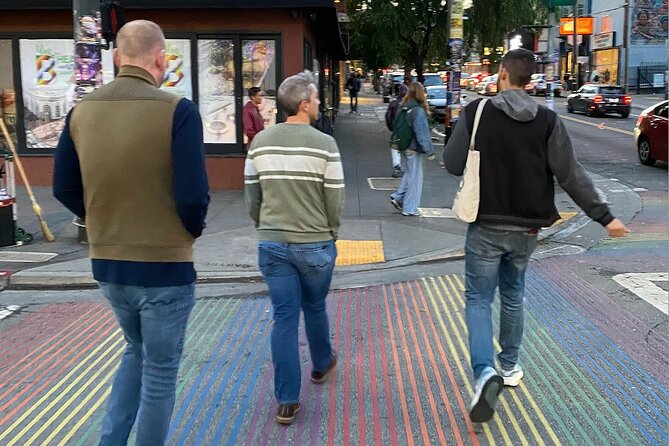
Harvey Milk Plaza isn’t just a landmark for photos. It’s a place tied to the power of community gathering—and what happens when the system pushes back.
You’ll learn how the gay community’s presence and visibility helped set the stage for the White Night Riots. That phrase can sound like a headline from a textbook, but the tour frames it as something that grew out of real people showing up and insisting on rights.
What you’ll likely appreciate here is the tour’s cause-and-effect style. It doesn’t treat history like a sealed museum. It connects the dots between a local community space and larger political upheaval.
The stop with the original rainbow flag and Jose Sarria’s personal items
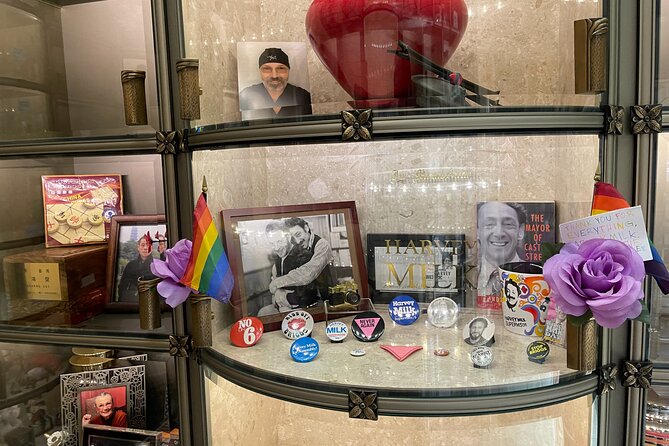
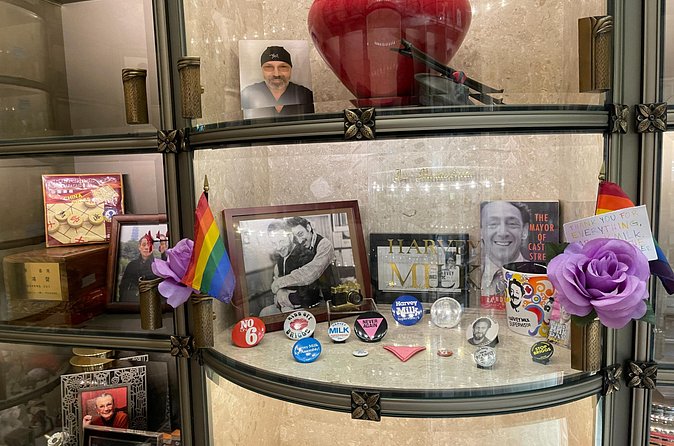
The heart of the tour is a stop that houses major symbolic artifacts: the original rainbow flag, a piece of the HIV/AIDS Memorial Quilt, and Jose Sarria’s personal items.
This is where the neighborhood’s reputation gets real. A rainbow flag can become just a color scheme in casual use. Seeing the original helps you understand it as an organized choice—an intentional statement built in a time when visibility could be risky.
You’ll also get why Jose Sarria matters so much to the Castro story. The tour frames him through personal items, not just general references. That turns a name into a person, and it makes the rest of the walk feel less like sightseeing and more like tracing threads.
What to watch for: spend a little extra time letting the artifacts sink in. The guide moves with a good pace, but this is one of the stops where your brain may want to linger. Do it—this is the kind of moment you remember later.
A piece of the HIV/AIDS Memorial Quilt: why it’s more than a symbol
At the same main stop, you’ll see part of the HIV/AIDS Memorial Quilt. It’s hard to summarize the impact of the quilt in one sentence because it’s designed to keep memory in the public eye.
In practice, this means you’re learning about the AIDS era through something you can look at, not just through abstract descriptions. The quilt reminds you that LGBTQ history isn’t only about politics and celebration. It’s also about grief, care, and community response.
If you’re sensitive to heavy topics, this is the portion to treat gently. The guide’s job is to keep the tone understandable, but the material itself carries weight.
The iconic gay bar that kept its windows open
Another stop centers on an iconic Castro gay bar that has been in business for over 50 years. One of the specific details you’ll hear is that when it opened, it did not block its windows the way many gay bars did at the time.
That detail is small on paper and huge in meaning. Leaving windows unblocked wasn’t just an aesthetic choice. It signaled a willingness to be seen in a period when being visible could invite harassment.
This is the kind of story I like because it reframes “normal” nightlife as resistance and risk management. You’re walking through a neighborhood where everyday life carried political consequences.
Another milestone: the first store in San Francisco to hire openly gay workers
The tour also points to a business milestone: the first store in San Francisco to hire openly gay workers.
This matters for a few reasons. First, it shows progress wasn’t only happening through famous activists. It also happened through workplaces that made choices about who deserved employment and dignity. Second, it tells you something about how community networks shaped opportunities in real time.
If you’re the type who likes “how did life work day-to-day” history, this stop will land well. It connects LGBTQ rights to ordinary systems: jobs, hiring, and who got to be openly themselves.
The palatial-style theater from the 1920s
You’ll also see one of the last palatial-style theaters from the 1920s. This is a visual contrast to the activism stories you’ll hear earlier.
The theater stop helps you remember that the Castro wasn’t only a political stage. It also had entertainment culture, architecture, and a sense of civic presence. Even when the neighborhood became known for LGBTQ visibility, the area’s older character didn’t disappear overnight.
In terms of what you’ll experience: expect a guided look at the theater’s exterior features and the reason it stands out among later building eras. It’s a reminder that history is built in layers—politics and aesthetics included.
How the guides keep it engaging: Miguel and Eric’s approach
A big part of why this tour earns a strong rating is how the guides deliver the story. Guides like Miguel and Eric are repeatedly praised for their pace and for keeping you captivated without long wind-ups.
One theme from past experiences: questions are handled quickly and clearly. If you want to ask about a name, a date, or why a specific event happened, the guide style supports that. It feels like you’re talking with someone who can connect points without turning it into a lecture.
You’ll also feel the difference between “memorized facts” and “storytelling that stays accurate.” The guides are credited with concise answers and a strong command of the details, which makes the walk worth your time even if you already know a few basics about the Castro.
What to do before and after the tour so it lands
This tour is about focus. To make it click, I recommend you plan your day like this:
- Wear comfortable shoes. You’ll be on foot for the whole loop.
- Bring a light layer. San Francisco weather can shift fast, especially later in the day.
- Have a sense of where you want to eat afterward, since you’ll end near 18th Street & Castro Street.
After the walk, don’t rush into another noisy activity. Give yourself a short break. You’ll likely want to think about what you saw—especially the rainbow flag and the quilt piece—before the next distraction takes over.
If you’re going with someone, this is a good shared learning moment. The tour gives you enough context to have a real conversation afterward, not just a collection of photos.
Who should book this Castro LGBTQ+ history tour
This is a great fit if you:
- Want San Francisco LGBTQ history you can see on the street, not only read in a book.
- Appreciate tours with a short route and clear stops.
- Like guides who can answer questions without making you feel rushed.
- Plan a focused afternoon and want to understand why the Castro became a world-famous landmark.
It may not be ideal if you:
- Want only celebratory sightseeing.
- Dislike topics connected to AIDS-era loss or political conflict.
For most people, it strikes a nice middle ground: respectful and honest, with enough warmth and community context that it doesn’t feel clinical.
Should you book?
If you’re in San Francisco and you want the Castro to make sense, I think this is a strong yes. For $39, you get a focused, guided walk through major LGBTQ landmarks and artifacts, with a small group size and guides like Miguel or Eric known for keeping the pace right and the answers clear.
Book it if you like turning a neighborhood tour into a story you can actually picture later. Skip it only if you’re trying to avoid the emotional weight that comes with real LGBTQ history in this part of town.
FAQ
Where does the tour start?
The tour starts at Harvey Milk Plaza, San Francisco, CA 94114.
Where does the tour end?
It ends at 18th Street & Castro Street (18th St & Castro St, San Francisco, CA 94114).
How long is the Castro District LGBTQ+ History Tour?
It runs for about 1 hour 30 minutes.
What is the price?
The price is $39.00 per person.
Is the tour offered in English?
Yes, it is offered in English.
What kind of ticket do I get?
You’ll receive a mobile ticket.
How big is the group?
The tour has a maximum of 30 travelers.
Are service animals allowed?
Yes, service animals are allowed.
Is it near public transportation?
Yes, it is near public transportation.
Can I cancel and get a full refund?
Yes. You can cancel for a full refund up to 24 hours before the experience starts. If you cancel less than 24 hours before, you won’t receive a refund.
Will I get confirmation when I book?
Yes. Confirmation will be received at time of booking.