REVIEW · KATHMANDU
Kathmandu city day tour (4 world heritage sites)
Book on Viator →Operated by Third Eye Adventure P. Ltd · Bookable on Viator
Kathmandu can feel like a living museum. This 4-site world heritage tour is a smart way to see the real religious pulse of the city in one go, with hotel pickup and an air-conditioned vehicle to keep the day moving. I especially like how the stops connect Hindu and Buddhist worlds side by side, so you’re not just taking photos—you’re getting meaning.
One thing to plan for: admission tickets and fees are not included, so you’ll want a little extra cash and patience for ticket lines and entry checks at each site.
In This Review
- Key highlights to know before you go
- A Fast Four-Site Heritage Hit in One Kathmandu Day
- Price and Logistics: What the $80 Covers (and What Doesn’t)
- Pashupatinath Temple: Hindu Devotion by the Bagmati River
- Boudhanath Stupa: The Buddhist Square Where Pilgrims Move
- Patan Durbar Square: Royal City Carvings, Temples, and Monuments
- Swayambhunath Monkey Temple: Hilltop Views and Mixed Iconography
- How Licensed Guides Turn Temples Into Meaning
- Tips to Make the 6 Hours Feel Like You Did More
- Should You Book This Kathmandu 4-World-Heritage Tour?
- FAQ
- What time does the Kathmandu city day tour start?
- How long is the tour?
- How much does the tour cost?
- Is hotel pickup included?
- Is a tour guide included?
- Are admission tickets included for the sites?
- What sites are visited during the tour?
- Is this a private tour?
- Do I get a mobile ticket?
- What is the cancellation policy?
Key highlights to know before you go
- Licensed guide who can explain what you’re seeing in clear, practical terms, not just names and dates
- A steady route across four major sites so you don’t waste time figuring out logistics on your own
- Boudhanath’s pilgrim rhythm, including the daily walk-around of the stupa area
- Patan Durbar Square’s craft-heavy details, where carvings and monuments reward close looking
- Swayambhunath’s monkey-and-temple energy, with big city views from the hilltop
- A private setup so your group can move at a comfortable pace with fewer hassles
A Fast Four-Site Heritage Hit in One Kathmandu Day
If you only have one full day in Kathmandu, this is the kind of tour I’d choose. It doesn’t try to be everything. It focuses on four UNESCO-listed world heritage sites that represent Kathmandu Valley’s spiritual backbone: cremation rites at Pashupatinath, Buddhist devotion at Boudhanath, royal-city stonework at Patan Durbar Square, and the hilltop swirl of Swayambhunath.
The timing matters. The day is built around short, manageable blocks at each place—about 2 hours at Pashupatinath, 1 hour at Boudhanath, 2 hours at Patan Durbar Square, and 1 hour at Swayambhunath. That adds up to roughly 6 hours total, which is long enough to feel like you accomplished something, but not so long that you’ll be totally toast by mid-afternoon.
This is also a private tour, meaning it’s only your group. For a city like Kathmandu, that’s a big quality-of-life upgrade. You spend less time negotiating crowds, and more time actually looking at what’s in front of you.
You can also read our reviews of more city tours in Kathmandu
Price and Logistics: What the $80 Covers (and What Doesn’t)
The price is $80 per person for about 6 hours. What’s included is practical: an air-conditioned vehicle and a license-holder tour guide, plus hotel pickup is offered.
What’s not included is just as important. All fees and taxes are extra. That likely means entry tickets for each site, and possibly small local charges depending on what’s required on the day. Because those costs are not bundled, your final out-of-pocket amount can be a bit higher than the headline price.
Still, I think the value is solid for what you get:
- You’re paying for a guide who helps you understand the sites fast.
- You’re paying for transport and a comfortable temperature-controlled ride.
- You’re paying for time efficiency—especially if you’re short on days.
One more logistical note: the tour uses a mobile ticket, and you get confirmation at booking time. Meeting starts at 9:15 am, so plan for an early-ish morning.
Pashupatinath Temple: Hindu Devotion by the Bagmati River
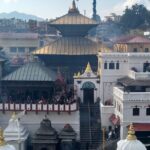
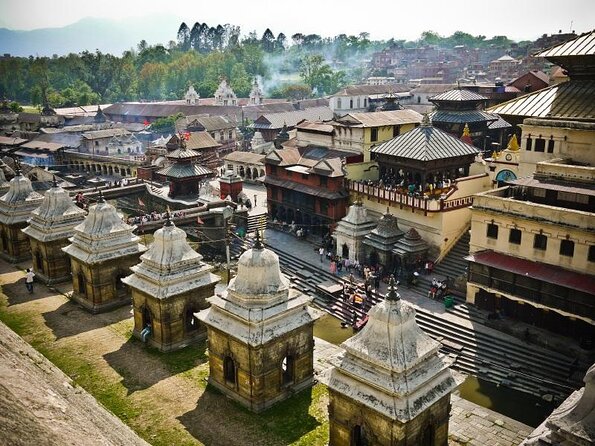
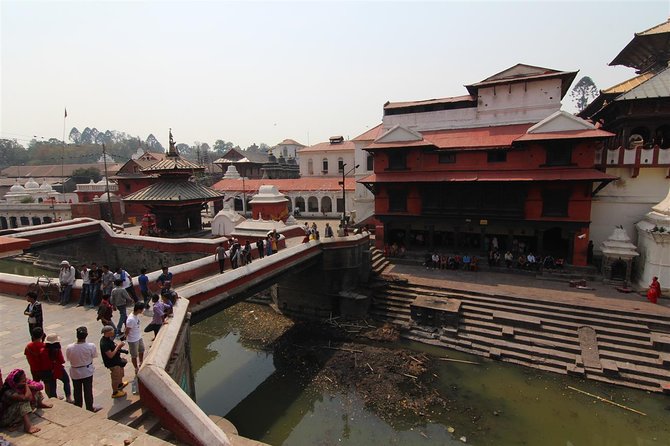
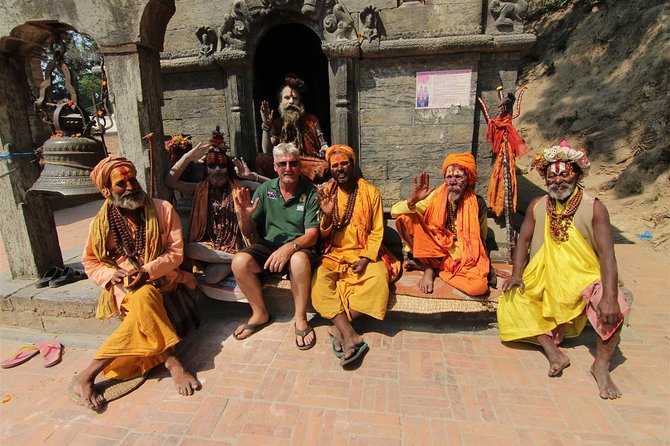
Your day begins at Nepal’s most important Hindu sight: Pashupatinath Temple, on the banks of the Bagmati River. This is the kind of place where your eyes keep noticing new details even if you think you’ve already “seen the main thing.”
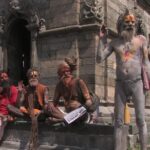
Pashupatinath is also used as a cremation ground, which changes the atmosphere in a fundamental way. You’re not looking at a theme-park temple. You’re watching religious practice that’s part of daily life. When you go, keep your expectations respectful and quiet in your mind. Your guide’s job here is huge: explaining what you’re seeing, where to stand, and what’s culturally appropriate to observe.
With about 2 hours at this stop, you should have time to:
- orient yourself around the temple area
- understand the river setting and why it matters
- take in the overall layout, not just one angle
Possible drawback: because this is an active religious site, your viewing options can feel less tourist-controlled than other attractions. If you’re the type who gets anxious about crowds or formal rules, go slowly and follow your guide’s lead.
Boudhanath Stupa: The Buddhist Square Where Pilgrims Move
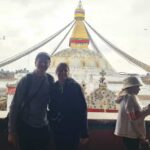
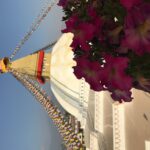
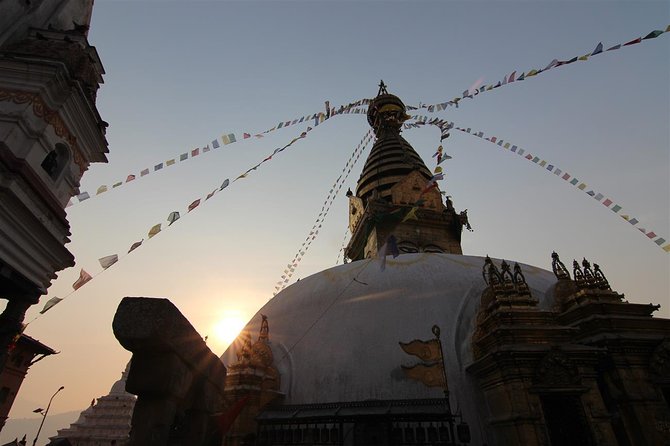
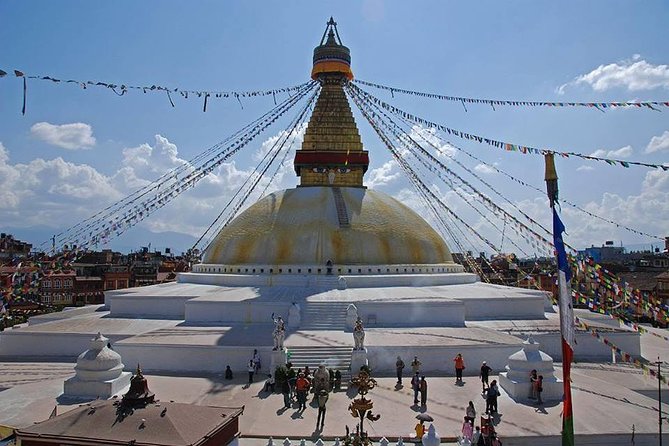
Next up is Boudhanath Stupa, described as the largest Buddhist stupa in Asia. Even before you get fully inside the scene, the scale hits you. This is a space built for repetition—daily prayer routines, frequent visits, and a steady stream of pilgrims.
The highlight here is simple and powerful: watching people walk around the dome. That walk-around loop turns the stupa square into a moving tapestry of devotion. It’s also a great place for your guide to explain the symbolism without turning it into a lecture. You’ll get more out of the details when someone connects them to what worshippers believe.
You’ll have about 1 hour here. That’s enough time to:
- circle the stupa area
- soak up the atmosphere
- and get lunch with a view
One of my favorite practical ideas in this tour is the built-in lunch option. You’ll have a chance to climb up to a rooftop cafe and get a bird’s-eye view of the square. Even if you don’t hang out long, that perspective helps you understand the geometry of the place—where people gather and how the space works.
Possible drawback: Boudhanath can feel busy. If you hate crowds, choose your time in the morning carefully and use your guide to find a workable spot for photos.
Patan Durbar Square: Royal City Carvings, Temples, and Monuments
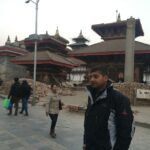
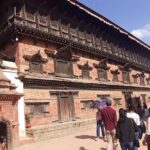
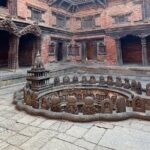
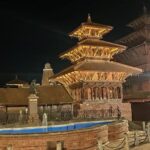
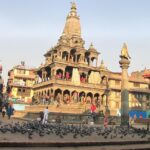
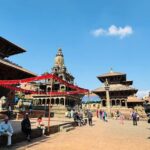
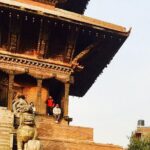
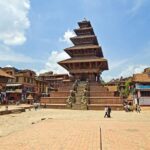
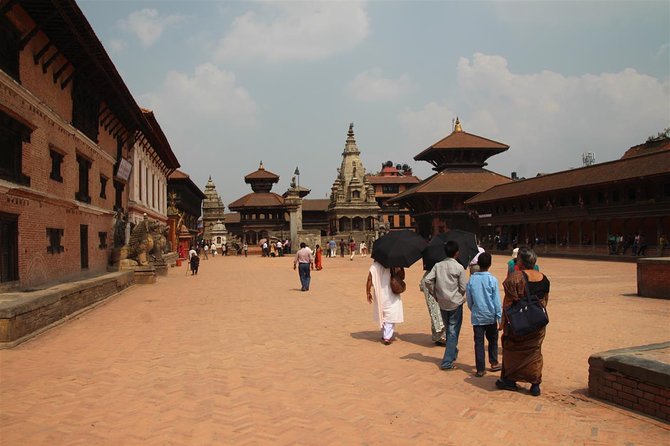
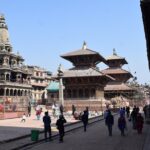
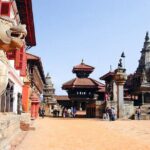
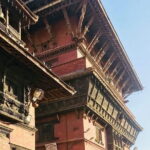
After lunch, you head to Patan Durbar Square, one of the medieval temple hubs in the Kathmandu Valley. Patan is one of the three royal cities, and you feel that heritage in the architecture: lots of wood and stone carvings, metal statues, and ornate building details.
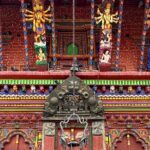
This stop is about textures. Not just the obvious temple silhouettes—look for the smaller carvings, the decorative patterns, and the way different religious icons coexist in the same area. The area includes many Buddhist and Hindu temples, plus over 1,200 monuments in the broader zone, which is why a guide is so useful. Without one, it’s easy to see the whole place as “a lot of stuff.” With a good guide, you start to notice what connects.
You’ll spend about 2 hours here, which is the right amount of time. Long enough to:
- walk through the square at a comfortable pace
- focus on the most interesting carvings and temple clusters
- and get context for the layout
Possible drawback: Patan can reward slow looking, but the tour schedule is still time-boxed. If you’re a serious photography person or want maximum time for tiny details, you’ll have to pick priorities. I’d tell your guide what you care about most—temples, carvings, or general layout—and let them steer your time.
You can also read our reviews of more historical tours in Kathmandu

Swayambhunath Monkey Temple: Hilltop Views and Mixed Iconography
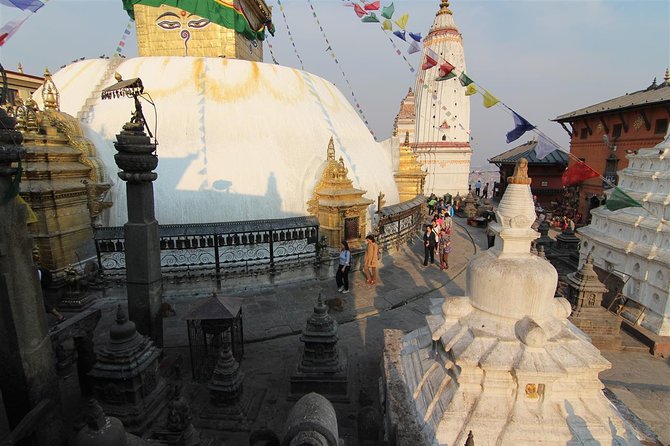
Your final major stop is Swayambhunath, often called the Monkey Temple. It sits on a hilltop above the city, so you get that rare combo: religious sites plus a sweeping view.
Swayambhunath is also famous for being full of monkeys. That means you should expect a bit of chaos: quick movements, surprised toddlers (in a good way), and plenty of people watching the animals and the scenery at once. The trick is to keep your pace steady and follow local flow. Your guide helps you navigate the area without getting stuck in the wrong crowd.
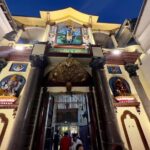
The site’s iconography is described as a jumble of Buddhist and Hindu imagery. That mix is one reason the place feels so alive. You’re seeing cross-influences, not a single-tradition museum display. If you’re the type who likes to understand why religions overlap in a place, this is a strong emotional closer to the day.
You’ll have about 1 hour here, which works well for:
- exploring the main temple zone
- taking photos (but staying aware of monkey activity)
- and using the hilltop timing for sunset if conditions allow
Practical note: if you want sunset, bring your patience. Hilltop views can shift with weather, and the day’s crowds can affect your timing. I’d treat sunset as a bonus, not a guarantee.
How Licensed Guides Turn Temples Into Meaning
Here’s the real value that doesn’t show up on a brochure. The tour is led by a license-holder guide, and the best part is how they translate what you’re seeing into something you actually understand.
In particular, I like how this kind of guide work shows up in real conversations. One guide named Ari was described as very strong on culture, history, and religion, and he also managed a tight schedule so everything was covered even with limited time. That’s a big deal if you feel rushed on tours.
Another useful sign: the tour team includes people like Nitesh Pudasaini, and you may also meet others in the crew such as Lhakpa. The descriptions emphasize careful attention and good care during the day.
Even better, this isn’t just facts and photos. In at least one case, Ari also worked in a sound healing demonstration because the group was interested. That tells me the tour can flex a little to your interests, as long as you ask in a respectful way and keep things realistic with time.
If you want a day that feels more like understanding than sightseeing, look for your guide’s ability to explain simply and answer your questions. This tour is set up to make that happen.
Tips to Make the 6 Hours Feel Like You Did More
This is a temple day. That means your comfort matters as much as your camera.
First, plan for a morning start at 9:15 am. Kathmandu mornings can change fast, and you’ll want to be ready to move without stress.
Second, pack for shade and sun. The tour includes an A/C vehicle, which is great for transit, but the sites themselves involve walking and waiting. Bring water and stay calm when the day gets busy.
Third, use your guide strategically. At Pashupatinath and Swayambhunath especially, rules and observation etiquette can be important. Don’t just ask where things are—ask how to behave and what not to do. You’ll feel more confident instantly.
Fourth, if you’re interested in extra spiritual experiences, ask your guide what’s possible with time. One group was taken to an authentic place for a healing bowl and a sound-healing moment. That’s not guaranteed for every day, but it shows the guides may know how to connect visitors with meaningful side experiences.
Lastly, keep expectations honest: this tour is structured, so you’re not going to “live” at one site for half the day. You’ll get highlights and context at each stop—and you can return later on your own if anything really grabs you.
Should You Book This Kathmandu 4-World-Heritage Tour?
Book it if you want a high-impact, time-efficient day that hits the Kathmandu Valley’s spiritual core: Hindu cremation rites at Pashupatinath, Buddhist devotion at Boudhanath, craft-heavy Patan temples, and the hilltop monkey chaos of Swayambhunath. The private format plus hotel pickup and an A/C vehicle makes it easier to enjoy the sites instead of wrestling with transport.
Skip it (or adjust your expectations) if you hate being in crowds, you don’t like religious sites with active rituals, or you’re hoping all costs are included in the price. Since site admissions and fees are extra, you’ll want to budget for that.
If your goal is to get your bearings fast and understand what you’re looking at, this is a strong choice—especially with a guide who can explain the why behind the temple stones.
FAQ
What time does the Kathmandu city day tour start?
The start time is 9:15 am.
How long is the tour?
It lasts about 6 hours.
How much does the tour cost?
The price is $80 per person.
Is hotel pickup included?
Yes, pickup is offered, and your guide meets you at your hotel.
Is a tour guide included?
Yes. You get a license holder tour guide.
Are admission tickets included for the sites?
No. All fees and taxes are not included, so you should plan to pay site admissions separately.
What sites are visited during the tour?
You visit Pashupatinath Temple, Boudhanath Stupa, Patan Durbar Square, and Swayambhunath Temple.
Is this a private tour?
Yes. Only your group will participate.
Do I get a mobile ticket?
Yes. The tour includes a mobile ticket.
What is the cancellation policy?
You can cancel for a full refund up to 24 hours before the experience start time. If you cancel less than 24 hours before, the amount is not refunded.