REVIEW · DARWIN
Darwin: Small Group 2-Hour Heritage Walk
Book on GetYourGuide →Operated by Walk Darwin · Bookable on GetYourGuide
Darwin tells its story on foot. This Darwin heritage walk is a simple way to understand how the city formed, then grew into a modern tropical mix of cultures. I really like the small-group feel and the leisurely pace with local guide John, who shares the kind of details you won’t pick up from a bus window. I also like that you’ll visit rebuilt, street-level landmarks—places like the old courthouse and police station, plus Brown’s Mart—rather than just passing them by.
You’ll get history tied to real corners and buildings: World War II bombings, Cyclone Tracy, and the way those events shaped what stands (and what was rebuilt). You’ll also get plenty of time for photos of public art, architecture, and the tropical plant life that makes Darwin look and feel like Darwin.
One consideration: this is still a walking tour. There aren’t many spots where you can sit and rest, so you’ll want a good level of fitness and a willingness to move steadily in the heat.
In This Review
- Key highlights
- Where the walk starts: John McDouall Stuart and getting your bearings
- A local pace, not a sprint: how 2 hours feels in Darwin
- Old courthouse and police station: what reconstruction means in real life
- Brown’s Mart theatre: culture in the middle of the street
- Palmerston Town Hall ruins: why the gaps matter
- WWII bombings and Cyclone Tracy: history told with street-level context
- Government precinct sights: Government House, Parliament House, and Supreme Court
- Hidden treasures and photo moments you’ll miss from a bus
- Price and value: is $41 for 2 hours worth it?
- What to bring, and how to handle Darwin’s heat on foot
- Who should book this walk, and who should skip it
- End point: Knuckey Street & Esplanade and turning your walk into a plan
- Should you book this Darwin heritage walk?
- FAQ
- How long is the Darwin Small Group Heritage Walk?
- How much does the tour cost?
- Where do I meet the guide?
- Where does the tour finish?
- What’s included in the price?
- Is hotel pickup or drop-off included?
- Is the tour in English?
- Is it suitable for kids?
- What should I bring, and are there any restrictions?
Key highlights
- John’s street-level storytelling on Darwin’s WWII and Cyclone Tracy chapters
- Reconstructed heritage buildings you can actually get close to on foot
- Stops buses typically miss, including atmospheric theater and government precinct sights
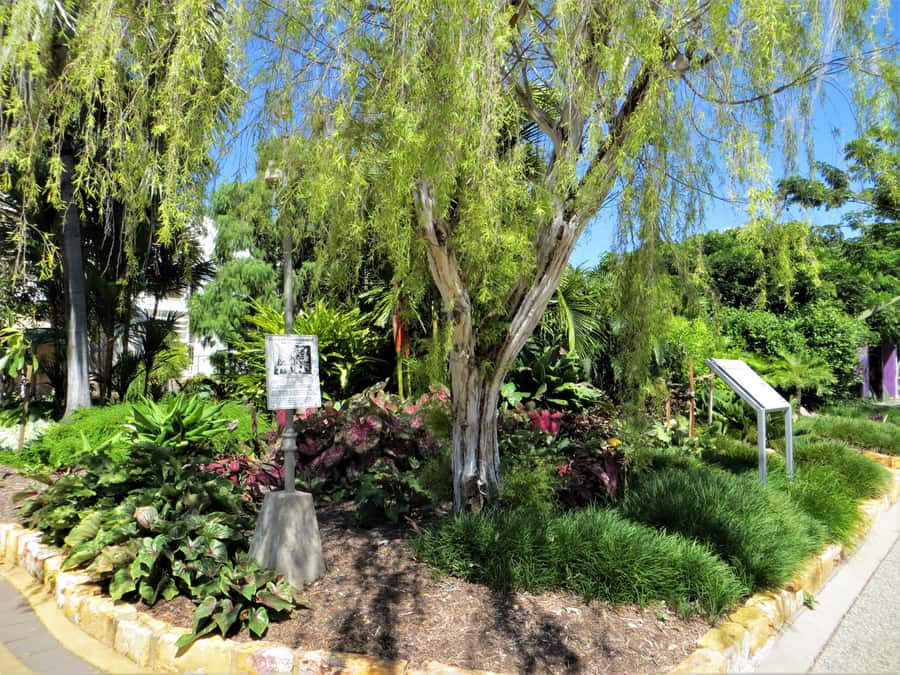
- Photo-friendly route for public artworks, architecture, and tropical scenery
- Small group up to 10 for real questions and a calmer pace
Where the walk starts: John McDouall Stuart and getting your bearings
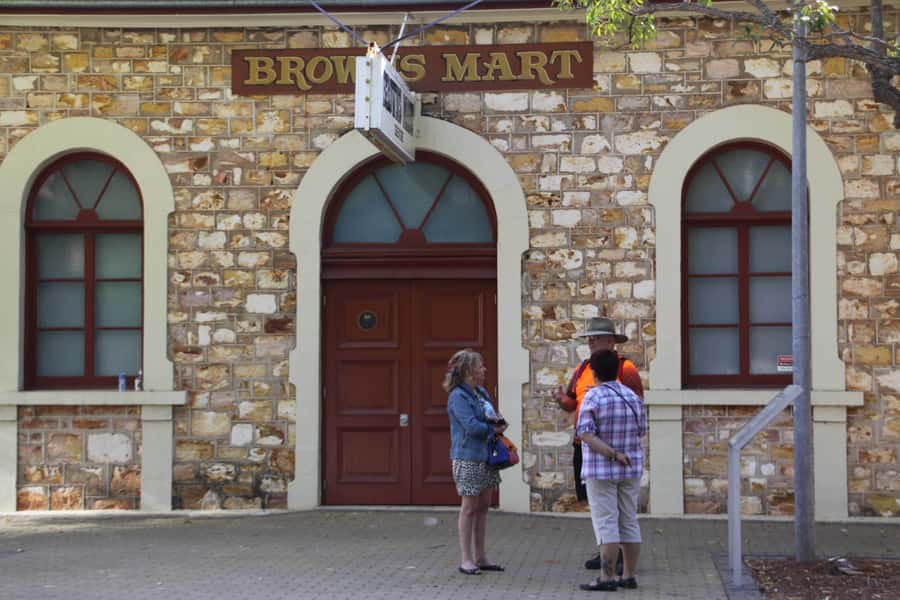
The tour begins under the John McDouall Stuart statue, and that’s a smart starting point. It’s the kind of landmark that helps you orient fast: you’re about to move through the Darwin CBD while your guide sets the context for what you’re seeing.
Meet your guide at the statue with the bright orange shirt. That visual cue matters here. In the tropical heat, you want easy logistics and a quick start—no wandering around trying to find the right person.
Before you get moving, you’ll want to be ready for the basics: hat on, sunscreen out, water in hand. Darwin isn’t the place for “I’ll buy it later” thinking, and this walk keeps a steady flow, so you’ll feel the difference if you start prepared.
You can also read our reviews of more walking tours in Darwin

A local pace, not a sprint: how 2 hours feels in Darwin
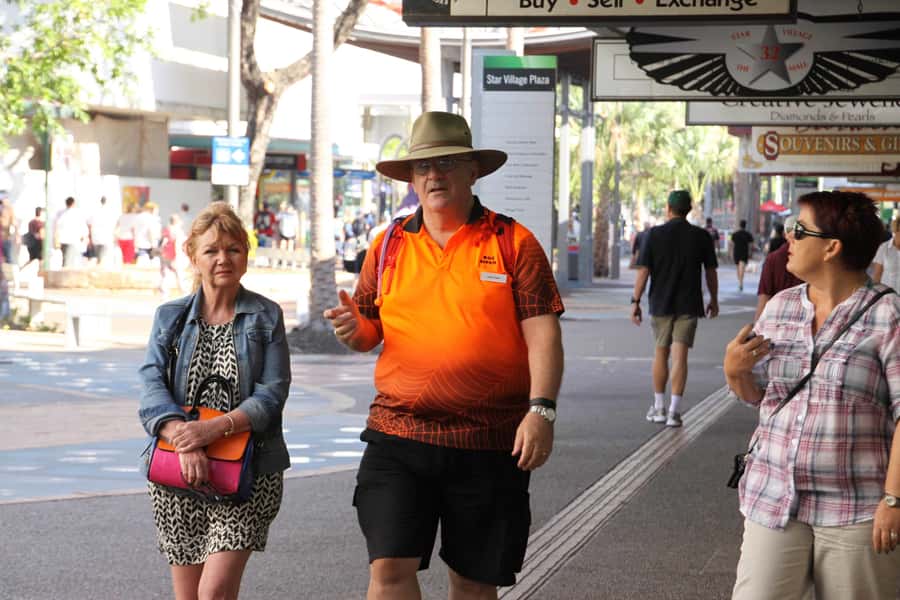
This is a 2-hour walk with a cheerful local guide and spoken commentary in English. The pace is described as leisurely, and that matches the way the tour is designed: you’re not just ticking off buildings. You’re connecting them to stories, then getting a look around at what’s remained, what was reconstructed, and how the city functions today.
Because it’s a small group limited to 10 people, you’re more likely to get direct answers when you ask something. One review-style detail that stands out in people’s memories is that John stays alert to comfort, including staying hydrated and protected from the sun. That small touch changes the experience from “walk and hope” into “walk and learn.”
Not everyone will love the setup, though. The route doesn’t offer lots of opportunities to stop and sit. If you’re the type who needs frequent breaks, you may find the steady walking tough—even if the pace is meant to be comfortable.
Old courthouse and police station: what reconstruction means in real life
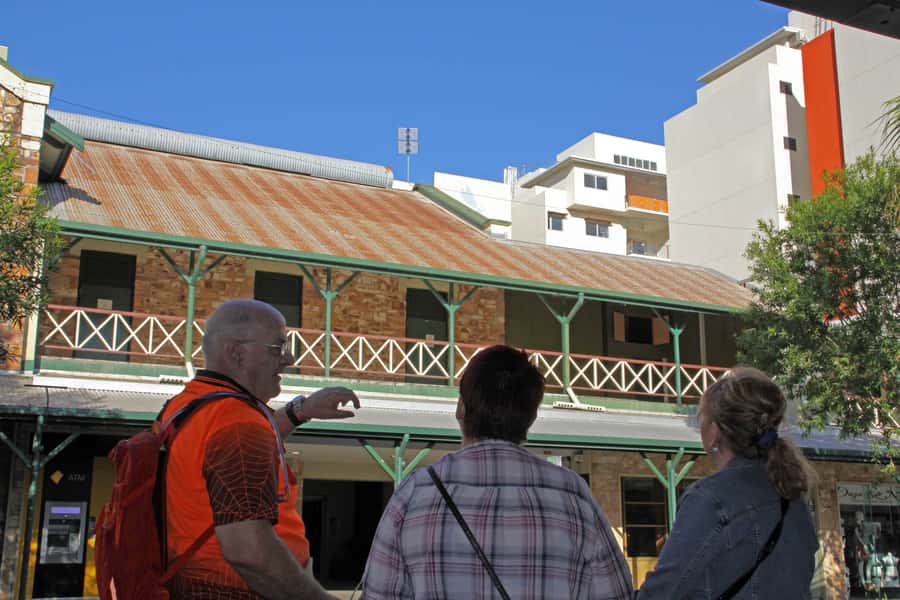
As the walk moves through the heritage core, you’ll see remaining buildings such as the old courthouse and police station. What makes these stops valuable is the context your guide brings to them.
Reconstruction isn’t just a technical detail; it’s a clue about what mattered enough to rebuild after major disruptions. Darwin’s modern skyline grew from a past that was physically interrupted, then carefully put back together. Seeing the courthouse and police station on foot helps you understand how institutions shaped the city’s daily rhythm, not just its past.
What I like most about these kinds of stops is that you can read the story in the materials and the rebuilding approach. You also get the chance to slow down and take photos without the pressure of a bus schedule.
Brown’s Mart theatre: culture in the middle of the street
Next up is Brown’s Mart theatre, another highlight on the walk. The value here isn’t only in the building itself, but in how your guide frames it as part of Darwin’s life, not only its history.
A theatre stop is a great moment in a walking tour because it shifts the feel from “government and dates” to “people and community.” You’ll likely notice details from the outside and catch the atmosphere of a venue that belongs to the city’s identity.
If you’re the kind of traveler who likes architecture and public spaces, this is a good one. It’s also a practical photo moment: you’re in the right lighting for street-level angles, and you’re not rushed through it.
Palmerston Town Hall ruins: why the gaps matter
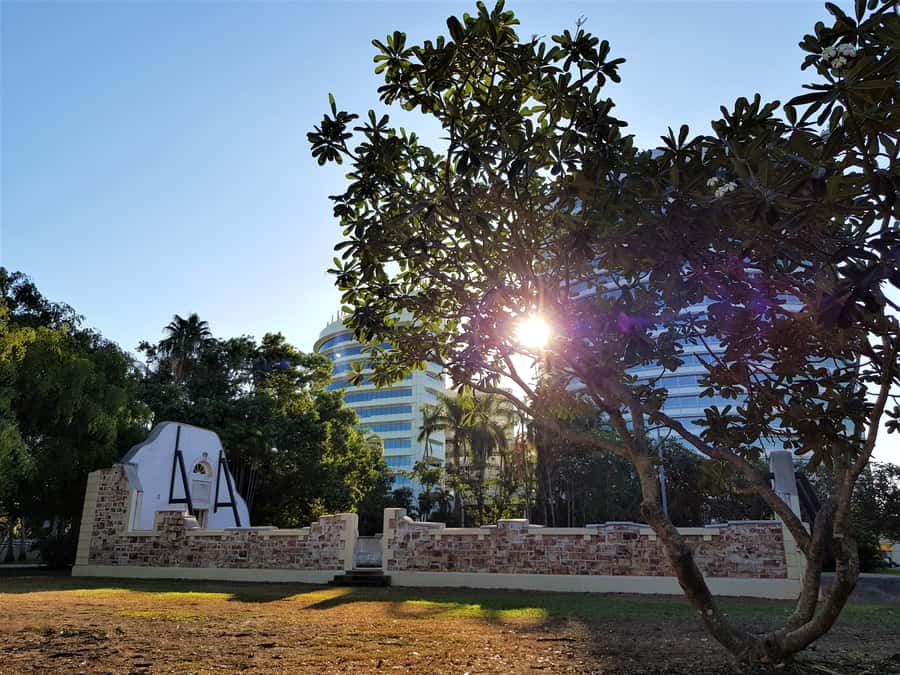
You’ll also see the Palmerston Town Hall ruins, which might sound like a strange choice until you view it through the tour’s bigger theme: Darwin’s past shaped the present.
Ruins can feel “less finished” than intact buildings, but that’s exactly why they’re meaningful. They show what was lost, what survived, and what later generations chose to acknowledge and preserve. With your guide’s commentary, it becomes less about the missing pieces and more about what the remaining structure says about resilience and rebuilding.
This stop also helps you understand that heritage is not only the pretty restored parts. It’s the visible evidence of change. Darwin’s story isn’t frozen in time, and the ruins reflect that honestly.
You can also read our reviews of more historical tours in Darwin

WWII bombings and Cyclone Tracy: history told with street-level context
One reason people love this walk is how it connects major events to the ordinary geography of the city. You’ll hear tales of Darwin’s history including World War II bombings and Cyclone Tracy, then watch how those events connect to what you see outside.
Here’s the practical benefit for you: it helps your brain file Darwin’s history in the right place. Instead of treating WWII or Cyclone Tracy like separate museum topics, you learn how the city’s physical rebuilds and street patterns relate to those events.
And because it’s a walking tour, the stories have fewer barriers. You’re not sitting while reading captions. You’re looking at buildings and surroundings that are part of the same narrative. That’s what turns “history” into something you actually remember.
Government precinct sights: Government House, Parliament House, and Supreme Court
As you continue, the tour brings you to key government landmarks such as Government House, Parliament House, and the Supreme Court of the Northern Territory.
These stops work well on foot because you can see how the government precinct sits within the tropical CBD. It’s not only about learning what’s there; it’s about understanding why it’s there—how decision-making, law, and administration shaped the city’s direction.
A practical tip: in Darwin’s sun, government buildings can be great for photos, but you’ll want to keep water in reach and take shade when your guide offers a moment. The tour does keep things moving, and you’ll enjoy the details more if you’re not overheating.
Hidden treasures and photo moments you’ll miss from a bus
The tour is designed to include locations that cannot be accessed on a bus tour. That matters because the “bus version” of Darwin can be a bit of a blur. On foot, your guide can steer you toward smaller streetscapes, public artworks, and architectural corners that help the city feel real.
You’ll also have opportunities to capture photographs of public artworks, architecture, historic buildings, tropical plants, and wildlife. Darwin’s wildlife can be unpredictable, so the best mindset is patient observation. Your guide can also help you spot what’s worth pausing for, especially when it’s hiding in plain sight along the route.
If you’re traveling with a camera or phone that eats storage space, plan for lots of stops. This isn’t a one-photo-per-building kind of tour. It’s a “look longer than you planned” kind of walk.
Price and value: is $41 for 2 hours worth it?
At $41 per person for a 2-hour guided walking tour, the price feels fair—especially because it includes a local guide and spoken commentary. The value isn’t just the buildings. It’s the interpretation.
In a place like Darwin, where weather, rebuilding, and cultural mixing all shape what you see today, a good guide reduces the mental work. You won’t spend your time guessing what you’re looking at, and you’ll get a clearer idea of what to revisit later on your own.
Also, small group tours often cost more than big-group options, and here the size cap (limited to 10) helps keep the experience personal. If you only have a short window in Darwin, this kind of intro tour can save you from spending the rest of your trip in “Where should we go next?” mode.
What to bring, and how to handle Darwin’s heat on foot
This is a straightforward tour, but Darwin weather can be demanding. Bring a sun hat, sunscreen, water, and hand sanitizer or tissues. A camera matters too, since the route is built for photos.
Two small rules also help you enjoy it more: wear shoes (bare feet aren’t allowed), and avoid smoking. If you’re sensitive to heat, consider wearing lightweight, breathable clothing and plan to hydrate often.
Fitness matters here. There aren’t many places where you can stop and sit, so I’d treat this as a moderate walking activity. It’s not marketed as a “gentle stroll where you can pause constantly.”
Who should book this walk, and who should skip it
This works best if you:
- Want a first-time orientation to Darwin’s heritage and modern multicultural vibe
- Like history tied to real streets, not only facts on a page
- Enjoy small-group guiding where you can ask questions
- Prefer walking over bus-only sightseeing
It may not be the best match if:
- You have low mobility or a low level of fitness, since there aren’t many resting spots
- You’re traveling with children under 10, since the tour isn’t suitable for them
- You expect lots of time sitting down in the shade
End point: Knuckey Street & Esplanade and turning your walk into a plan
The tour finishes at Knuckey Street & Esplanade, which is a handy place to land. It’s an easy area to keep exploring after the walk, and it gives you a sense of the broader waterfront-and-CBD feel Darwin has.
If you still have energy, use what you learned to guide your next steps. The tour gives you names and themes—World War II, Cyclone Tracy, reconstructed landmarks, and the mix of cultures today—so you’re more likely to choose your follow-up stops with confidence.
Should you book this Darwin heritage walk?
If you’re in Darwin for a short time and you want your bearings fast, I’d strongly consider booking it. For the money, you get a compact 2-hour experience that hits both big events (WWII and Cyclone Tracy) and the buildings that connect those events to what the city looks like now.
Book it especially if you enjoy walking, photography, and asking questions in a small group. You’ll leave with a clearer mental map of Darwin’s heritage and why the city feels the way it does today.
If heat and walking time are big concerns for you, be honest about your stamina. This walk asks you to keep moving with limited seating. But if you come prepared—with water, sunscreen, a hat, and realistic expectations—it’s an efficient, memorable way to understand Darwin beyond the surface.
FAQ
How long is the Darwin Small Group Heritage Walk?
It lasts 2 hours.
How much does the tour cost?
The price is $41 per person.
Where do I meet the guide?
You meet under the John McDouall Stuart statue. The guide wears a bright orange shirt.
Where does the tour finish?
It finishes at Knuckey Street & Esplanade, Darwin City NT 0800, Australia.
What’s included in the price?
The tour includes the 2-hour walking tour, a local guide, and spoken commentary.
Is hotel pickup or drop-off included?
No. Hotel pickup and drop-off are not included.
Is the tour in English?
Yes. Commentary is in English only.
Is it suitable for kids?
It’s not suitable for children under 10 years.
What should I bring, and are there any restrictions?
Bring a sun hat, camera, sunscreen, water, and hand sanitizer or tissues. Smoking isn’t allowed, pets aren’t allowed (assistance dogs are allowed), and bare feet aren’t allowed.