REVIEW · BORDEAUX
Private Bordeaux History Tour with a glass of Bordeaux wine.
Book on Viator →Operated by Bordeaux Free Walking Tours · Bookable on Viator
Bordeaux history walks fast. A private 2-hour route in the English you can follow strings together major sights and ends with a glass of Bordeaux wine.
I love that you get UNESCO World Heritage sites without feeling like you’re rushing through a checklist.
I also like the small-group feel of a private tour: the guide can pace the story to your questions. One caution: this is mostly a walking experience, so entrance inside monuments isn’t included if you want to go beyond the views.
In This Review
- What Makes This Bordeaux Private History Tour Worth It
- How the 2-Hour Route Fits Real Sightseeing (No Travel-Whiplash)
- Saint-André Cathedral: Gothic Power and Royal Romance
- Tour Pey-Berland and Rue Saint-Catherine: Roman Roots to Modern Streets
- Rue du Loup: A Quick Medieval Detour With English Connections
- Place du Palais and the City’s Planned Ideas
- Porte Cailhau: The Golden Age Gateway With a Named Victory
- Place de la Bourse, Miroir d’Eau, Theatre, and Pont de Pierre: Merchants to Arts
- Place Gambetta and Quinconces: Revolution-Era Memory in Stone
- Passage Sarget: Belle Époque Arcades and a Walk That Feels Slightly Paris-Like
- Passage to Culture and Music: Church of Notre-Dame at Place du Chaplet
- Allées de Tourny: Urban Design and Influence Beyond Bordeaux
- The Wine Moment: Your Bordeaux Glass at the End
- Price and Value: What $90.36 Buys You in Real Terms
- Who This Tour Suits Best
- Should You Book It?
- FAQ
- How long is the Bordeaux private history tour?
- Is the tour private, or will I join a larger group?
- What language is the guide?
- What’s included with the tour?
- Are monument entrances included?
- Where do I start and end the tour?
What Makes This Bordeaux Private History Tour Worth It

- Private pacing, not a group herding: you’ll only tour with your own group, so your guide can adjust the pace.
- UNESCO sites in one hit: you’ll hit key landmarks around the center without spending hours hopping between scattered locations.
- Big architectural variety: Gothic cathedral, neoclassical theater, medieval gateways, and Belle Époque arcades all show up on the walk.
- A wine finish that doesn’t feel random: you’ll get a glass of Bordeaux wine at a partner bar after the history stops.
- English guide who can tailor the talk: in past tours, guides such as Victor and Emma earned praise for knowledge and for adding details based on what people cared about.
How the 2-Hour Route Fits Real Sightseeing (No Travel-Whiplash)
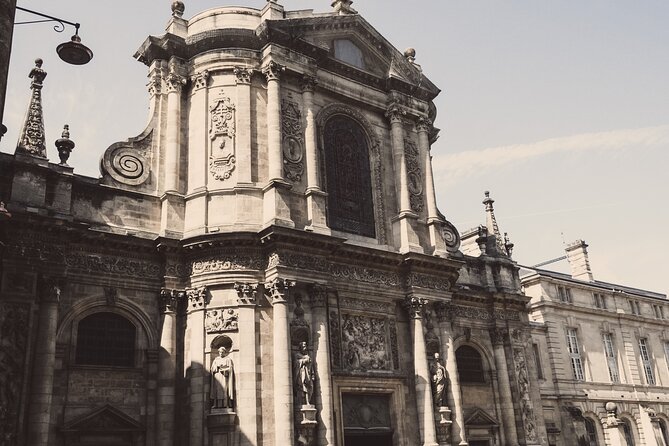
This tour is built for people who want Bordeaux’s highlights without turning the day into a logistics puzzle. With about 2 hours on foot, you’ll cover a lot of ground in a way that still feels human—especially because it’s private.
You’ll also start at a landmark you can’t miss: Bordeaux Cathedral, Saint-André (Cathedrale Saint-André de Bordeaux). Ending at Place des Quinconces keeps you near central sights, and it lines up well if you want to keep exploring afterward on your own.
One practical note: because you’ll be walking, wear comfortable shoes. Bordeaux’s center is walkable, but this is still a steady route—think steady legs, not casual stroll.
You can also read our reviews of more tours and experiences in Bordeaux.


Saint-André Cathedral: Gothic Power and Royal Romance
Your first stop is Cathedral Saint-André de Bordeaux, a cornerstone of Bordeaux’s past and a UNESCO World Heritage site. This cathedral is all about the long view: Gothic architecture, intricate stonework, and the sheer scale of the nave.
What I like here is the way the story is framed. You’re not only looking at pretty façades—you’re connecting the building to real turning points in the city’s life. The tour specifically brings up royal weddings, including the union of Eleanor of Aquitaine and King Louis VII, which gives you a reason to pay attention beyond the postcard angles.
Reality check for expectations: entrance inside monuments is listed as not included, so you should expect the main focus to be on what you can see and understand around the site. If you want to go inside, plan on paying separately.
Tour Pey-Berland and Rue Saint-Catherine: Roman Roots to Modern Streets
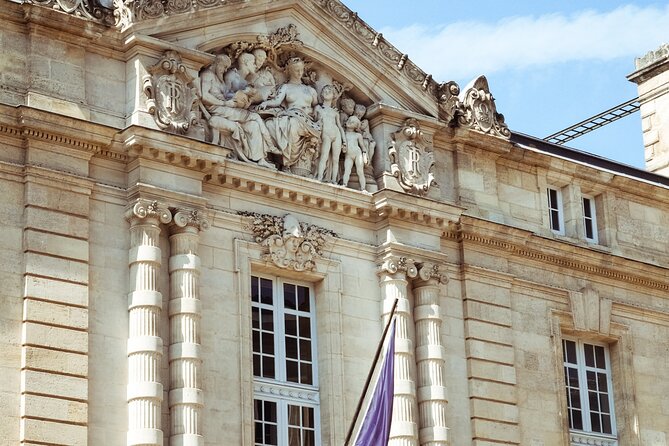
After the cathedral, you move along the corridor that shapes Bordeaux’s everyday rhythm: Rue Saint-Catherine (also referenced as Promenade Sainte Catherine) and the Tour Pey-Berland area. The big detail here is scale—the street is known as the longest pedestrian street in Europe—and that matters because it explains why this area became such a social and commercial spine.
The tour’s storyline walks you from Roman road origins to its later transformation into the shopping-and-strolling street people use today. I like how this makes the geography click: you start to see streets as timelines, not just sidewalks.
You also get a chance to spot how architecture changes as you move along the street. Even if you’re mostly moving on foot through lively areas, the guide helps you slow down enough to notice details.
Rue du Loup: A Quick Medieval Detour With English Connections
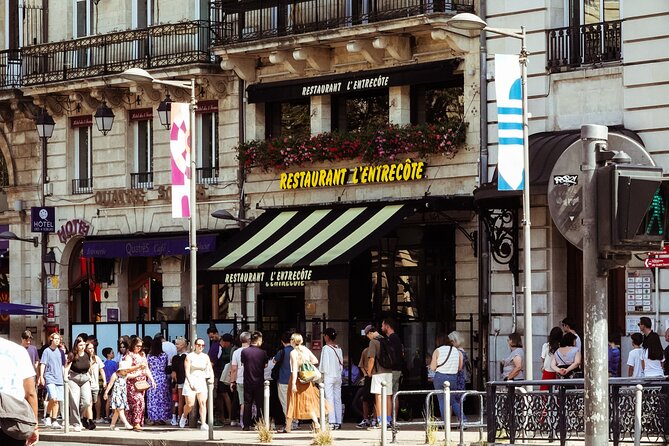
At Rue du Loup, you’ll pause for a focused look at the Middle Ages and—importantly—how Bordeaux’s story connects to English influence. The tour is aiming at cause-and-effect: where the city fits in the larger European power map.
This stop works well as a break from the longest-stretch street walking. It also helps anchor the cathedral-and-gateway stops that come later, because you understand not just what the buildings are, but why certain eras mattered.
Again, you’re mostly observing from the street level rather than counting on indoor time. So bring your curiosity, not expectations of a museum-style walkthrough.
Place du Palais and the City’s Planned Ideas
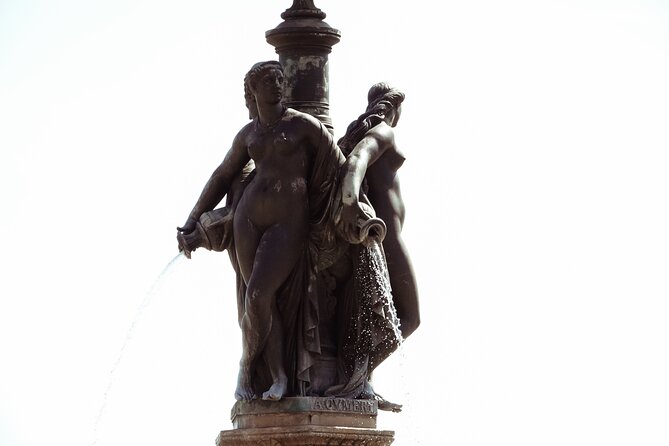
Next up is Place du Palais, where the focus shifts from medieval roots to planning and design. The tour includes learning about the architectural design and the logic behind the creation of this kind of civic space.
This is one of those stops that can be easy to miss if you’re just passing through. With a guide, you’ll start reading the “why” behind the layout—how the space functions, and what it signals about the city’s priorities at the time.
It’s short (about 10 minutes), but it serves a purpose: it bridges between eras so the route doesn’t feel like random photo stops.
Porte Cailhau: The Golden Age Gateway With a Named Victory
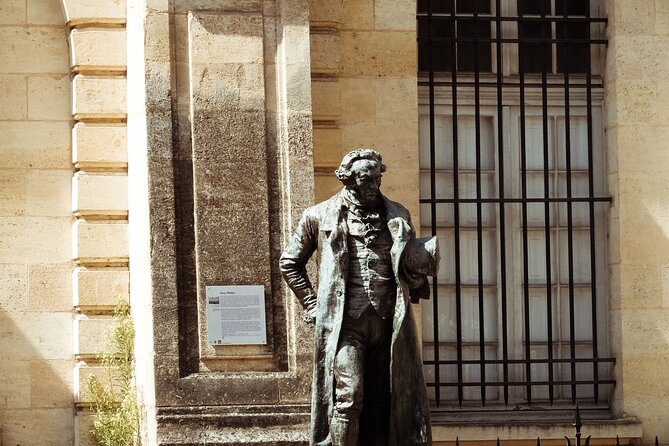
If you want one spot that feels like time travel, it’s Porte Cailhau. This 15th-century gateway is tied to a specific story: it was built to honor King Charles VIII’s victory at Fornovo, and it once served as a main entrance to Bordeaux.
What’s useful here is that you learn how symbolism works in architecture. The blend of Gothic and Renaissance styles isn’t just decorative—it reflects Bordeaux’s place in a changing Europe. The tour also frames the gate as strategic, linked to defense and city prosperity.
This stop is one of those “stand there for a minute” moments. Give yourself that minute to look closely, even if the rest of the walk feels fast.
Place de la Bourse, Miroir d’Eau, Theatre, and Pont de Pierre: Merchants to Arts
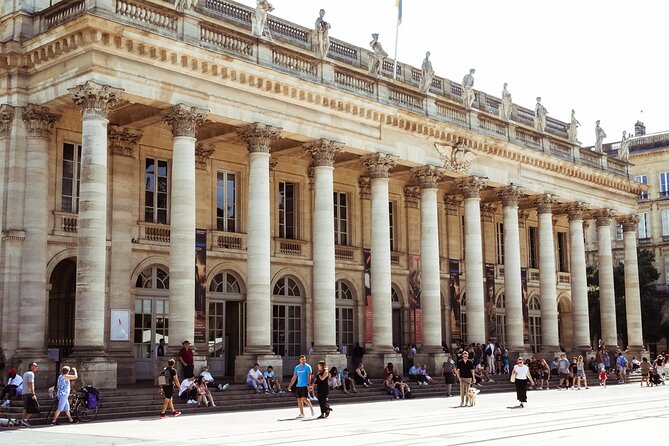
Place de la Bourse is where you see Bordeaux’s famous ceremonial heart. The tour connects it with the Miroir d’Eau, and you’ll also pass major cultural and civic landmarks tied to the city’s prominence.
From there, the route brings you to the Grand Théâtre de Bordeaux, including a stop that describes its neoclassical design. The tour notes it was built in 1780 by architect Victor Louis, with a façade featuring statues of the nine muses and goddesses. If you’re the type who likes architecture that looks like it has a personality, this is your moment. It also helps that the guide points out details you might not notice on your own, like how the exterior story matches the interior feel (the tour mentions things like the grand staircase and the chandelier).
You’ll then see Pont de Pierre as part of the “city centerpiece” storyline. The point of including it is simple: it links Bordeaux’s built identity to how people moved and lived around the river crossing, without you needing to plan a separate walk.
Place Gambetta and Quinconces: Revolution-Era Memory in Stone
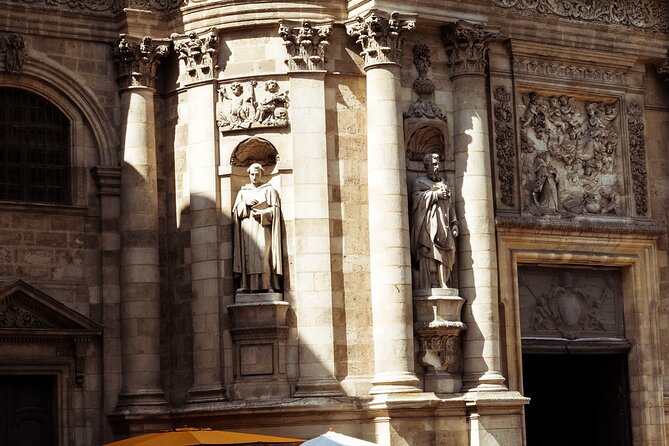
At Place Gambetta, you get another layer of Bordeaux’s evolution. This square was once the western gate, later becoming part of an 18th-century shift in how the city developed. Today, it’s calmer—a good place to reset your brain and your feet for the next stretch.
Then you head toward Place des Quinconces for Monument aux Girondins. This is a major stop because it’s designed to remember loss. The monument is a tribute to the Girondin deputies who perished during the French Revolution, and it uses dramatic sculpture symbolism tied to liberty and the Republic, plus maritime heritage.
I like the way this stop broadens the tour beyond buildings. It makes you look at civic art as political communication. You don’t just see a monument—you learn what it’s trying to say.
Passage Sarget: Belle Époque Arcades and a Walk That Feels Slightly Paris-Like
If you want a calmer, atmospheric lane after the big squares, Passage Sarget delivers. Built in the late 19th century and named after banker Jean-Alexandre Sarget, it’s a covered passage designed to connect two areas of the city.
The tour notes it was inspired by Parisian arcades, with glass roofing, ironwork, and refined stone architecture. It also explains what the passage used to be for—luxury boutiques and intellectual gatherings—and what it still feels like now: a small corridor that pulls you into Bordeaux’s Belle Époque side.
This stop is a good reminder that Bordeaux isn’t only cathedrals and grand façades. It has in-between spaces that shape daily life.
Passage to Culture and Music: Church of Notre-Dame at Place du Chaplet
At Place du Chapelet (shown as Place du Chaplet in the route), you’ll find the Church of Notre-Dame, built in the 17th century. The tour points out the impressive organ, and notes it still plays a role during special performances.
You’ll also learn it’s connected to a famous 19th-century painter’s funeral. That kind of detail helps the stop feel grounded in real human stories, not just architectural dates.
Again, given the “entrance inside monuments” note, expect the focus to be on what you can see and learn around the exterior and accessible areas. If an organ performance is happening, you might catch something—just don’t count on it.
Allées de Tourny: Urban Design and Influence Beyond Bordeaux
Allées de Tourny shifts the lens to urban design. The tour explains it’s a grand avenue built from the influence of a key figure in Bordeaux’s transformation—someone whose ideas also shaped urban development in Paris.
This is a smart stop for people who like the “how cities got the way they are” angle. It also connects back to what you’re learning about Bordeaux’s walkability changes: past guide comments in reviews specifically mention improvements that made the city more walkable and bike-friendly and reduced car traffic over time. Even if you don’t walk the entire avenue, it helps you understand the city’s civic planning mindset.
This stop is short, but it adds a useful big-picture layer.
The Wine Moment: Your Bordeaux Glass at the End
The experience includes a glass of Bordeaux wine at a partner bar after your tour. This matters for two reasons.
First, it gives you a decompress moment right when your brain starts to overfill with dates, styles, and names. Second, it ties the history to the part of Bordeaux people actually come for—wine—without forcing you into a separate long activity.
Practical tip: pace your drink. Two hours of walking can make you feel hungrier than you planned, and wine tastes better when you’re not rushing.
Price and Value: What $90.36 Buys You in Real Terms
At $90.36 per person for about 2 hours, this isn’t the cheapest way to see Bordeaux’s center—but it does buy something that standard group tours often don’t: time saved and a private format that keeps the experience personal.
Here’s what you’re paying for:
- Private guiding (only your group), which usually means less time spent waiting and more time spent actually learning.
- A tight route through key monuments, including multiple UNESCO sites, without you needing to plan.
- A built-in wine stop at the end, which is part of the package value, not a separate ticketed add-on.
If you’re traveling with a small group (or just want more control over your pace and questions), this price starts to look reasonable fast. If you’re on a strict budget and don’t care about a guide, you could see many of these sights on your own. But you’d lose the story thread that connects Eleanor of Aquitaine’s era, English influence, French Revolution memory, and Bordeaux’s architectural shifts.
Who This Tour Suits Best
This fits you if you want:
- A guided walk that helps you connect monuments to events.
- A route that hits major stops in central Bordeaux without turning it into a day-long haul.
- An English-speaking guide and a private setup for comfort and pacing.
It’s also a decent option if you’re the type who likes architecture and political history side-by-side. The route covers cathedral, theater, gates, civic squares, arcades, and a meaningful memorial.
If you mainly want beach-and-market downtime, you might prefer a longer, slower food-and-wine plan. But for a compact history-and-sights hit, this does the job.
Should You Book It?
I’d book this tour if you want Bordeaux’s most important landmarks in a short window and you like explanations that connect the buildings to real people and events. The private format, the UNESCO-focused route, and the included glass of Bordeaux wine make it feel like more than a basic walk.
Do consider your priorities before you pay: if you’re hoping for lots of paid monument interior time, note that entrance inside monuments isn’t included. And if you don’t enjoy walking, remember this is built as a continuous city stroll.
One more practical nudge: the tour is booked on average about 40 days in advance, so if your dates are tight, reserve sooner rather than later.
FAQ
How long is the Bordeaux private history tour?
It’s about 2 hours (approx.).
Is the tour private, or will I join a larger group?
It’s private. Only your group participates.
What language is the guide?
The tour is offered in English.
What’s included with the tour?
Included are a private historical walking tour of Bordeaux, an English-speaking guide, and a glass of Bordeaux wine at the partner.
Are monument entrances included?
No. Entrance inside the monuments is not included, and you may need separate tickets if you want to go in.
Where do I start and end the tour?
The tour starts at Bordeaux Cathedral (Cathédrale Saint-André de Bordeaux), Pl. Pey Berland, 33000 Bordeaux, France and ends at Place des Quinconces, 33000 Bordeaux.