REVIEW · BUDAPEST
PRIVATE Budapest Jewish Heritage Walking Tour – Food Tasting
Book on GetYourGuide →Operated by Roll On Magyarország Kft. · Bookable on GetYourGuide
Budapest’s Jewish Quarter has stories you can walk. This private 2-hour tour ties together synagogue exteriors, Holocaust memorial moments, and a food stop for Hungarian coffee and flódni.
I like the clear, guided route through the area’s key landmarks, with time to stop and look instead of rushing.
You’ll also get a real guide experience in English, and recent praise highlights how guide Levante keeps things calm and helpful even if your start is a little late.
One thing to consider: food and drinks aren’t included in the price, and the tour also notes synagogue entry isn’t part of it—so you may want to budget extra if you’re hungry and/or plan to add tickets for the Jewish Museum.
In This Review
- Key moments on the Budapest Jewish Quarter food walk
- Private 2-hour format: what you gain by staying focused
- Getting started at Starbucks on Fashion Street (and how to make it smooth)
- Hungarian Electrotechnical Museum: why this first guided stop helps
- Kazinczy Street Synagogue: quick exterior viewing with context
- Ghetto Memorial Wall and the Danube Shoes: remembrance done right
- Dohány Street Synagogue exterior: Moorish meets Romanesque
- Rumbach Street Synagogue: an architecture stop you’ll actually notice
- Kóser Piac (Kosher Market): where food culture becomes history
- Babka Deli food tasting: coffee and flódni, and what to budget
- Jewish Museum option: when you want more than street-level storytelling
- English private guide: what that means for your questions
- Price and logistics: does $52 buy enough?
- Who should book this tour (and who might want something else)
- Should you book this Budapest Jewish Heritage walking tour with food?
- FAQ
- Where is the meeting point?
- How long is the tour?
- Is it a private tour?
- Is there a guide, and what language is it in?
- Are synagogues included for entry?
- Is food included in the price?
- What food is the tour known for?
- Which Holocaust memorial is included?
- Can I add the Jewish Museum?
- Is alcohol allowed?
Key moments on the Budapest Jewish Quarter food walk
- Start on Fashion Street at Starbucks, then head into the Jewish Quarter on foot with your private guide
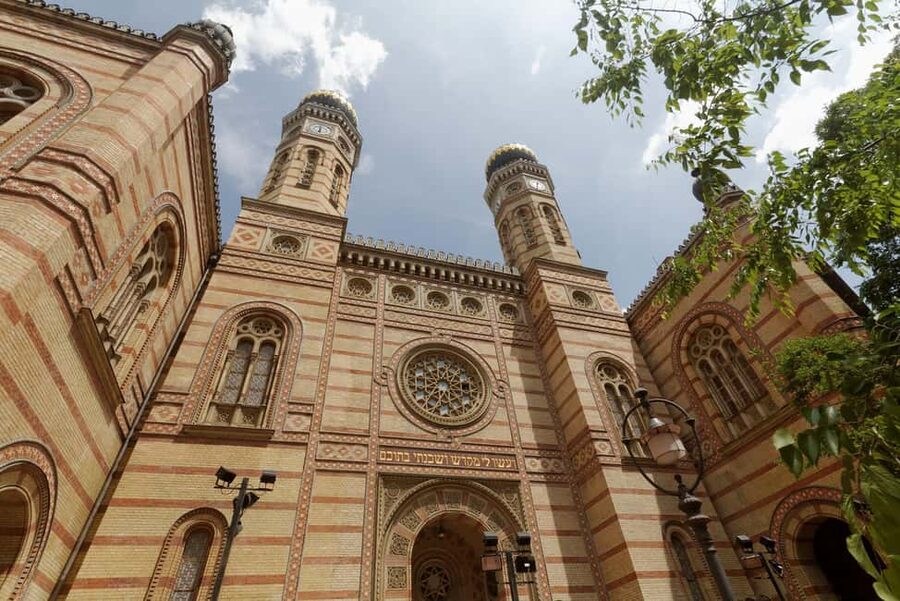
- Dohány Street Synagogue exterior viewing, including its Moorish and Romanesque look from the outside
- Holocaust memorials with a respectful stop at the Shoes on the Danube Bank
- Kóser Piac (Kosher Market) time for seeing how food culture fits into the neighborhood
- Babka Deli food tasting with coffee and a traditional flódni pastry, at your own expense
- Optional add-on for the Jewish Museum if you want more context beyond the walk
Private 2-hour format: what you gain by staying focused
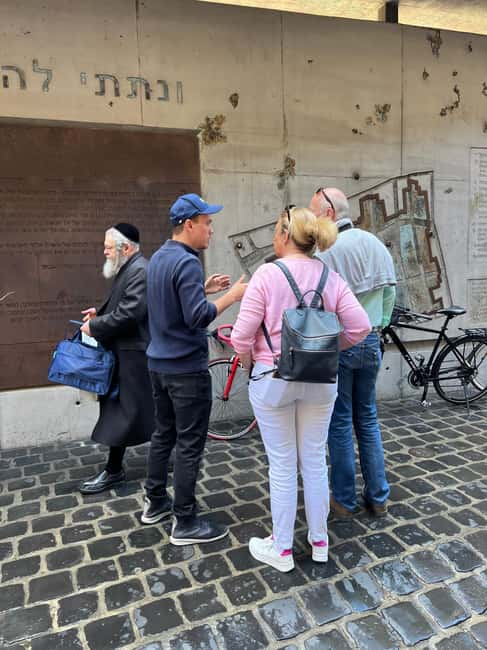
This is a private walking tour, so you’re not trying to keep up with a crowd. That matters here because the stops carry emotional weight and you’ll likely want a minute to look, read, or ask questions without the pace of a big group.
The plan is also compact: about 2 hours total. For me, that’s the sweet spot in a city like Budapest, where the Jewish Quarter is walkable but easy to overshoot if you’re doing everything on your own. A guide keeps the flow tight—synagogues on the exterior, memorials, then a food break—so you can cover the essentials without turning it into a marathon.
Also, synagogues are treated with care. The tour is explicit that it’s outside viewing only, unless you buy separate tickets. That’s helpful if you want the architecture and street-level history without spending extra time lining up.
You can also read our reviews of more walking tours in Budapest
Getting started at Starbucks on Fashion Street (and how to make it smooth)

Your meeting point is Starbucks on Fashion Street, where a ROLLON board will mark the start. It’s an easy rendezvous, and it removes a lot of the normal travel stress. If you tend to arrive early and spend five minutes figuring things out, you’ll avoid that hassle.
Because this is a walking route, wear shoes that handle uneven sidewalks and casual cobblestones. The tour includes sightseeing and walking segments at several stops, so comfortable footwear is not a luxury here—it’s the difference between enjoying the streets and counting down minutes.
This also isn’t an alcohol-and-party kind of experience. Alcohol and drugs are not allowed. That fits the tone of the memorial stops and keeps the group focused on learning and remembrance.
Hungarian Electrotechnical Museum: why this first guided stop helps
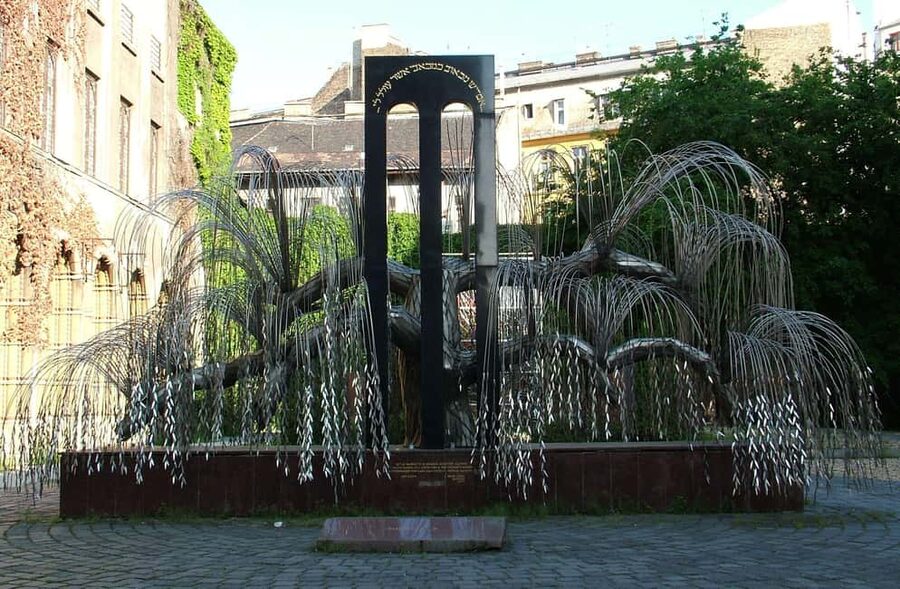
The itinerary begins with a guided visit at the Hungarian Electrotechnical Museum, followed by sightseeing and walking. You might wonder why a technology museum shows up at the start of a Jewish heritage route.
Here’s the practical value: it gives you a structured opening before you step deeper into the Jewish Quarter. A first stop with a guide often helps you get oriented—how to read the neighborhood, how to connect stories to specific streets—before you reach places that demand more attention.
The museum stop is guided, so if you like having a framework before you wander, you’ll likely appreciate this pacing.
Kazinczy Street Synagogue: quick exterior viewing with context
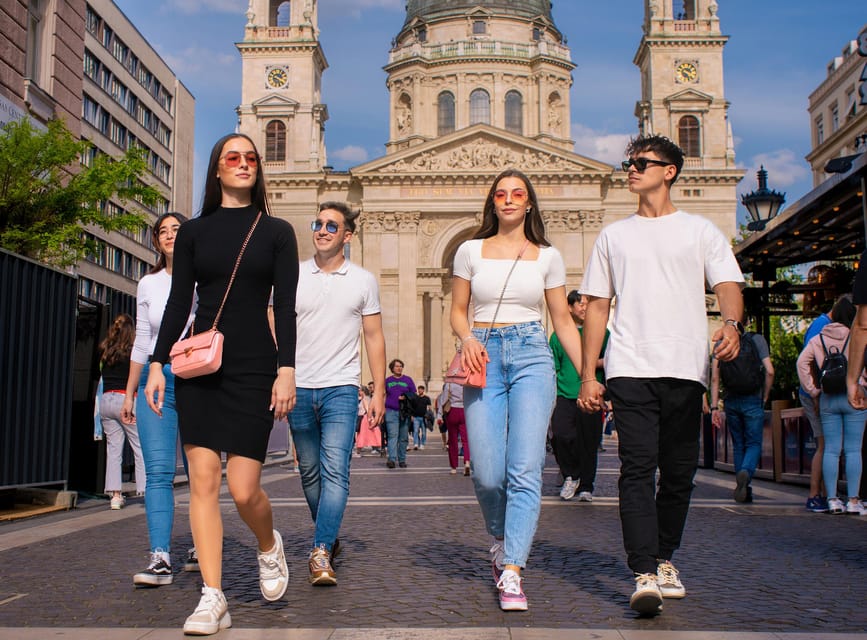
Next you’ll see the Kazinczy Street Synagogue for about 10 minutes. This is exterior-only, and that limited time is intentional. It keeps the tour moving while still letting you clock key architectural features you might otherwise miss while looking through the crowd.
For you, the main payoff is getting a guided explanation of what you’re seeing at street level. Even without entering, you can learn how the building’s presence fits into the neighborhood’s identity.
If you’re the type who likes to take photos, this short window works well. You’ll know where to look, and you won’t spend your best viewing time trying to figure out what matters.
Ghetto Memorial Wall and the Danube Shoes: remembrance done right
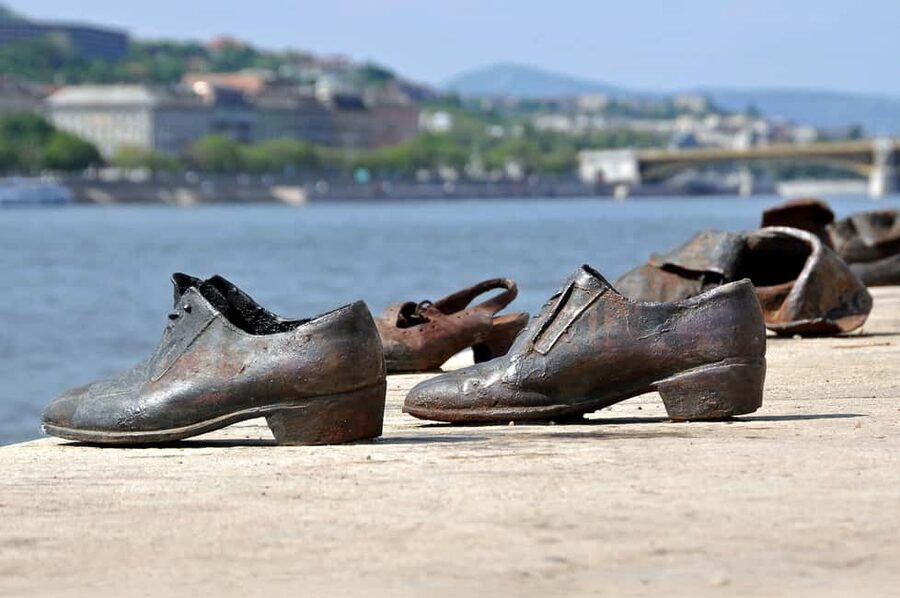
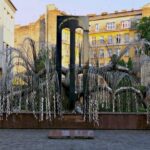
This part of the tour carries the heaviest emotional load, and it’s handled as more than a photo stop. You’ll visit the Ghetto Memorial Wall with guided context, along with sightseeing and walking time.
Then the tour highlights include the Shoes on the Danube Bank Holocaust memorial. That memorial is widely known, but the real value here is the guidance around what it represents and why the location matters along the river.
A practical tip: at memorial sites, give yourself a little space in your schedule to slow down. Even though the tour is only two hours, these stops are the reason the tour exists. You’ll likely get the most from it if you pause long enough to absorb the scene before you move on.
You can also read our reviews of more food & drink experiences in Budapest

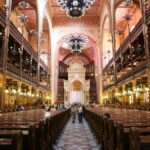
Dohány Street Synagogue exterior: Moorish meets Romanesque
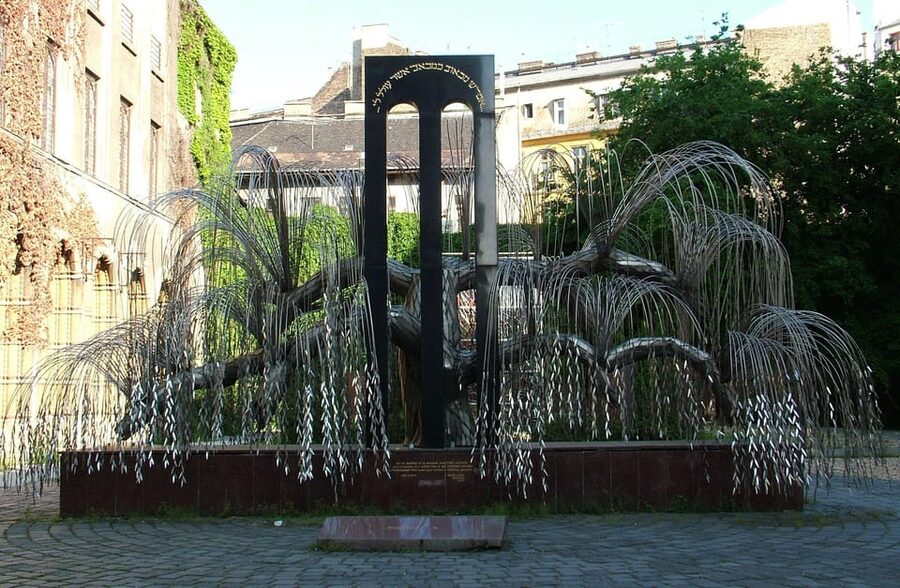
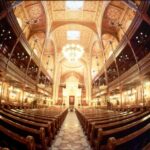
The Dohány Street Synagogue is the showpiece exterior on this route, with another 10-minute viewing window. The tour’s description calls out its striking fusion of Moorish and Romanesque architecture, visible from outside.
Why this is worth your time: synagogue architecture in Budapest isn’t just pretty buildings. It’s identity made visible—faith, community organization, and a statement of permanence in a neighborhood shaped by change.
If you’re expecting to walk past something ordinary, don’t. This one reads big from the street, and the guide helps you look at it the right way, so the architecture becomes part of the story rather than background noise.
Rumbach Street Synagogue: an architecture stop you’ll actually notice
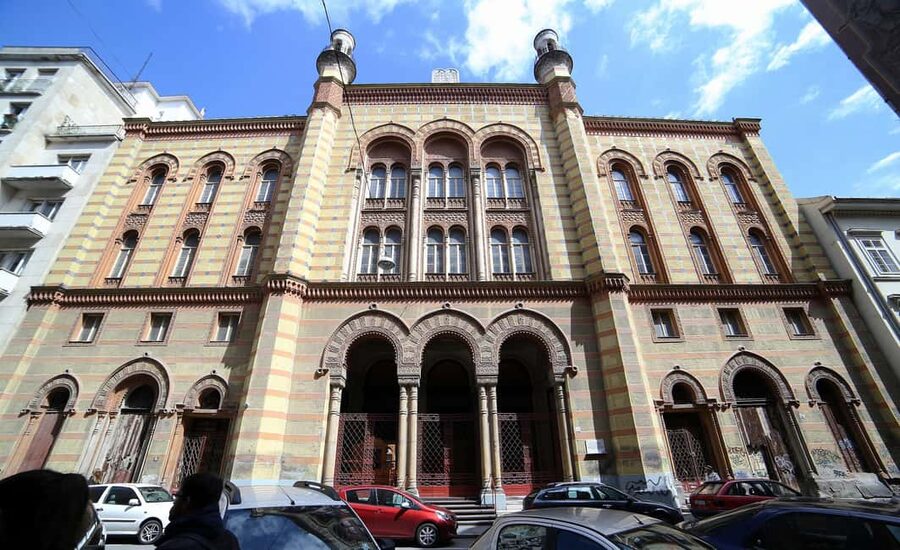
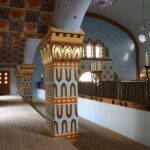
The tour also includes viewing of the Rumbach Street Synagogue from the exterior, described as an Art Nouveau architectural highlight with stained-glass details. That’s important because you may not catch those features quickly on your own.
Art Nouveau elements can be visually busy if you don’t know what to focus on. With a guide pointing you toward what’s distinctive, you get better photos and a clearer sense of why this building stands out in the streetscape.
You don’t need long time here. The structure is meant to teach your eye how to see.
Kóser Piac (Kosher Market): where food culture becomes history

The walk then brings you to Kóser Piac / Kosher Market, with guided tour time plus sightseeing and walking. This is one of the more practical stops on the itinerary because it connects heritage to everyday life.
Instead of treating Jewish culture as something locked in museums, you’re looking at food and commerce. Even without going inside every booth, you can get a feel for how a neighborhood keeps traditions in circulation through daily habits.
If you like markets, you’ll probably enjoy this segment because it’s sensory. You’re not only learning facts—you’re watching how people move, what stalls are set up for, and what kind of food culture still matters in the area.
Babka Deli food tasting: coffee and flódni, and what to budget
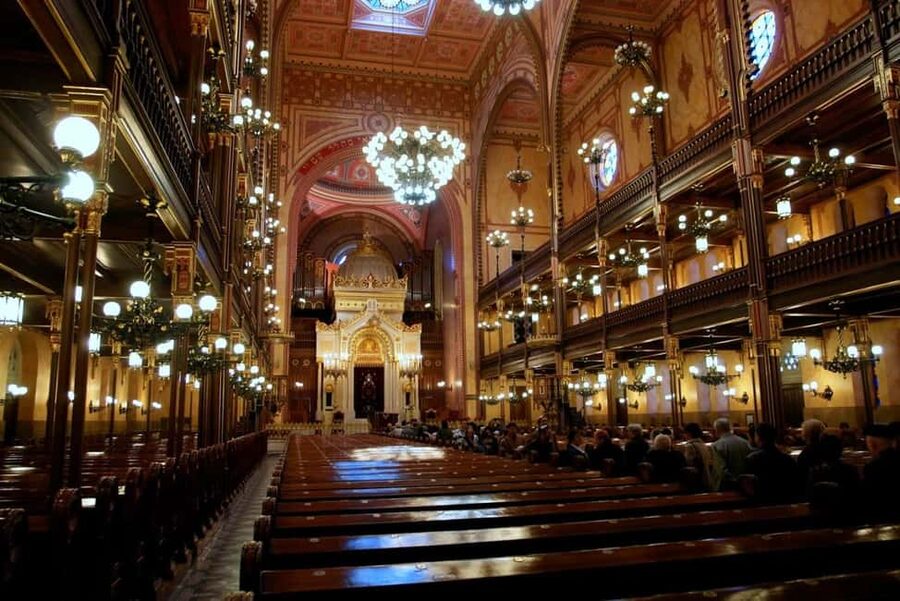
The tour’s food moment is at Babka Deli, with brunch-style food tasting. The description promises a cup of aromatic Hungarian coffee and traditional flódni pastry at a local Jewish restaurant.
Here’s the key value point, straight to your planning: food and drinks are not included in the tour price. So the walk gives you the access and the recommendation, but your bill is your responsibility once you sit down.
That changes how you should judge value. At $52 per person for a private 2-hour route, you’re paying mainly for guide-led sighting and interpretation. The food is part of the experience, but not bundled. If you want the flódni moment, plan to add cash for it, plus whatever extra you might order.
Still, I like this setup because it’s not a random tourist snack. The guide selects a stop that matches the neighborhood’s identity. If you care about eating the right things in the right context, it’s worth it.
Jewish Museum option: when you want more than street-level storytelling
The tour notes a customization option: you can add a visit to the Jewish Museum, but an additional ticket is required.
This is a smart choice if you’re the type who wants names, dates, and deeper context after the walking portion. The route you get on the tour is strong for seeing sites and understanding their meaning, but the museum is where you’ll likely find more detail than a two-hour walk can cover.
If you’re short on time, you can skip it and keep the day light. If you’re a history person, adding the museum turns this into a longer, more satisfying arc.
English private guide: what that means for your questions
The tour is led by a live English-speaking guide, and it’s explicitly a private group. That combination matters if you want to ask follow-ups, clarify dates, or get guidance on what else you can see nearby.
One helpful part of the tour plan is that your guide will suggest other nearby sites, including the Kazinczy Street Synagogue, the Holocaust Memorial Center, or the Raoul Wallenberg Memorial Garden. You don’t need to know all the names ahead of time. Your guide can steer you toward what fits your schedule and interests.
Recent feedback specifically praises how Levante performed as a friendly, clear guide, and one person noted he waited despite a delay. That kind of real-world patience matters on a walking tour.
Price and logistics: does $52 buy enough?
At $52 per person for 2 hours and a private format, the price is fair if you value expert guidance over self-guided wandering. You’re paying for interpretation of architecture and memorials, plus a structured route that helps you connect stops without losing time.
The biggest “gotcha” isn’t the price—it’s what’s not included. Food and drinks are not included, so your final cost depends on what you order at Babka Deli and whether you add anything else.
Also, synagogues are not entered as part of this tour. If synagogue interior access is a must for you, you’ll likely need additional tickets and planning. The good news is the tour doesn’t pretend those tickets are included. It keeps expectations clear, so you can decide calmly.
Who should book this tour (and who might want something else)
This experience fits best if you want a guided walking route through Budapest’s Jewish Quarter with memorial context and a meaningful food stop. It’s especially good for couples, solo travelers, or small groups who don’t want to manage navigation and timing on their own.
It may be less ideal if you’re searching for a fully packaged meal deal. Since food and drinks aren’t included, you’ll need to budget for coffee and flódni yourself.
It’s also a good match if you prefer to spend time outside rather than inside religious buildings. The tour’s scope focuses on exteriors, architecture, and street-level storytelling.
And yes, it’s listed as wheelchair accessible, which is a big practical win if you’re planning around mobility needs.
Should you book this Budapest Jewish Heritage walking tour with food?
I’d book it if you want an efficient, private way to see the Jewish Quarter highlights without turning the day into a scavenger hunt. The combination of synagogue exteriors, Holocaust memorial stops like the Shoes on the Danube Bank, and a guided food moment at Babka Deli gives you both meaning and a real taste of Hungarian Jewish flavors.
Skip it or consider an alternative if you need interior synagogue access included, or if you want the full food cost wrapped into the tour price. In that case, plan for extra tickets and extra spending so the trip matches your expectations.
If you’re the type who appreciates architecture and respectful remembrance, and you like ending with a simple, classic pastry and coffee, this one makes a lot of sense.
FAQ
Where is the meeting point?
Meet in front of Starbucks on Fashion Street. A ROLLON board will be there to help you find the correct start.
How long is the tour?
The tour lasts 2 hours.
Is it a private tour?
Yes, it’s a private group tour.
Is there a guide, and what language is it in?
You’ll have a live tour guide in English.
Are synagogues included for entry?
No. Synagogues are not entered as part of the tour. Separate tickets may be purchased if you want entry.
Is food included in the price?
No. Food and drinks are not included in the tour price, even though the guide takes you to a place for coffee and flódni.
What food is the tour known for?
The tour highlights include Hungarian coffee and traditional flódni pastry at a local Jewish restaurant.
Which Holocaust memorial is included?
The tour includes the Shoes on the Danube Bank Holocaust memorial.
Can I add the Jewish Museum?
Yes, you can add a visit to the Jewish Museum, but an additional ticket is required.
Is alcohol allowed?
No. Alcohol and drugs are not allowed.