REVIEW · KOCHI
Stories of Jew Town: Guided Heritage Walk in Kochi
Book on GetYourGuide →Operated by Lets Go Far · Bookable on GetYourGuide
One walk, and Kochi’s Jewish, Christian, and spice stories start clicking into place. This guided Jew Town heritage walk strings together big landmarks and small side streets, from the St. George Orthodox Koonan Kurish Old Syrian Church to the Paradesi Synagogue. I like how the route gives you context for what you’re seeing, not just photo stops.
Two things I particularly like: you get a real sense of how spices shaped Kochi’s trade as you move through the Cochin Spice Market, and you also get architecture and art explained clearly at the Mattancherry Palace and Paradesi Synagogue. The best part is the pace—small group (up to 10) means your guide can answer questions and keep you comfortable.
One consideration: this is mostly walking through historic sites and market lanes, so if heat and crowds tire you fast, you’ll want good shoes and plenty of water.
In This Review
- Key highlights worth planning for
- Starting at T D High School: St. George Church sets the tone
- Cochin Spice Market: trade history you can smell
- Mattancherry Palace: Dutch-era name, Kerala-style architecture
- Jewish Cemetery: reading the traces of a once-thriving community
- Jew Town lanes: antiques, cafes, and art conversations
- Paradesi Synagogue: chandeliers, scrolls, and a small museum area
- Price and walking practicality for a 2.5-hour heritage loop
- Who should book this Jew Town walk (and who might skip it)
- Should you book Stories of Jew Town in Kochi?
- FAQ
- Where does the tour meet?
- How long is the Jew Town guided heritage walk in Kochi?
- What does the tour include?
- What language is the live guide?
- How much does it cost?
- What should I bring?
- Is the tour wheelchair accessible?
Key highlights worth planning for
- Small group pace (up to 10 people) that makes questions practical, not rushed
- Spice Market storytelling tied to trade and everyday life, not just visuals
- Mattancherry Palace murals that connect Kerala royal life with wider influences
- Jewish Cemetery stop that helps you read the area’s layered community history
- Jew Town art and antiques along the lanes, plus a chance to chat culture on the way
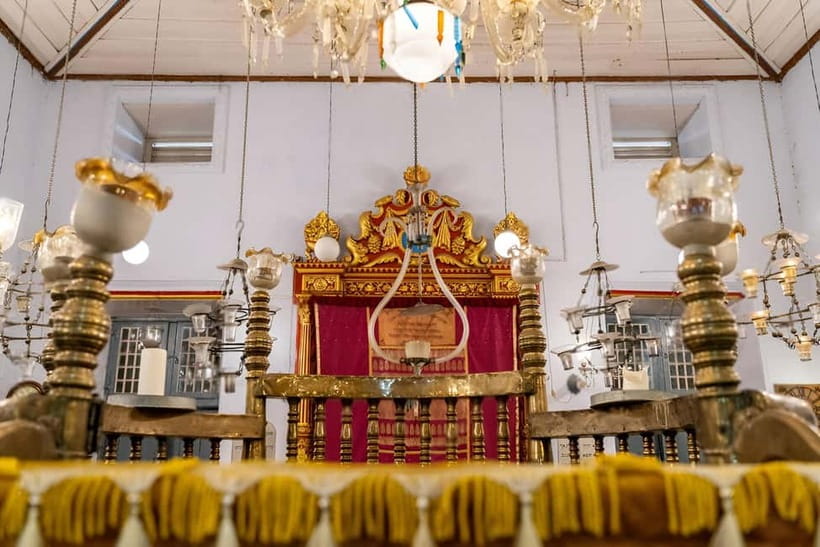
- Paradesi Synagogue details like Belgian glass chandeliers, old scrolls, and a museum area
Starting at T D High School: St. George Church sets the tone
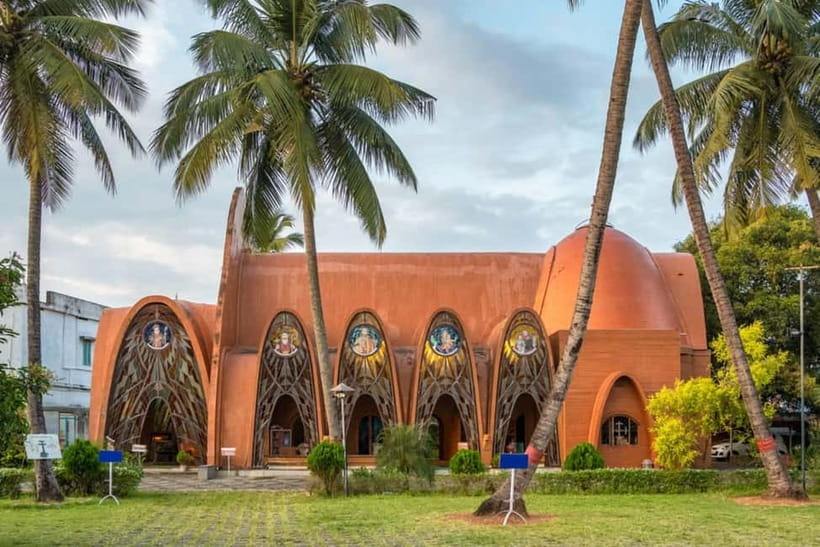
The tour starts in Mattancherry, meeting in front of T D High School, so you’ll want to arrive on time and not cut it close. From there, you head to the St. George Orthodox Koonan Kurish Old Syrian Church, where the emphasis is on ancient Christian traditions in Kerala—how the faith took root locally and what the architecture communicates.
This first stop matters because it frames the rest of the walk. Kochi’s story isn’t one community in isolation; it’s layers of faiths living side by side across trade routes, patronage, and migration. If you’re the type who likes to understand why places are where they are, starting with St. George helps you keep the pattern in your head.
You can also read our reviews of more walking tours in Kochi

Cochin Spice Market: trade history you can smell
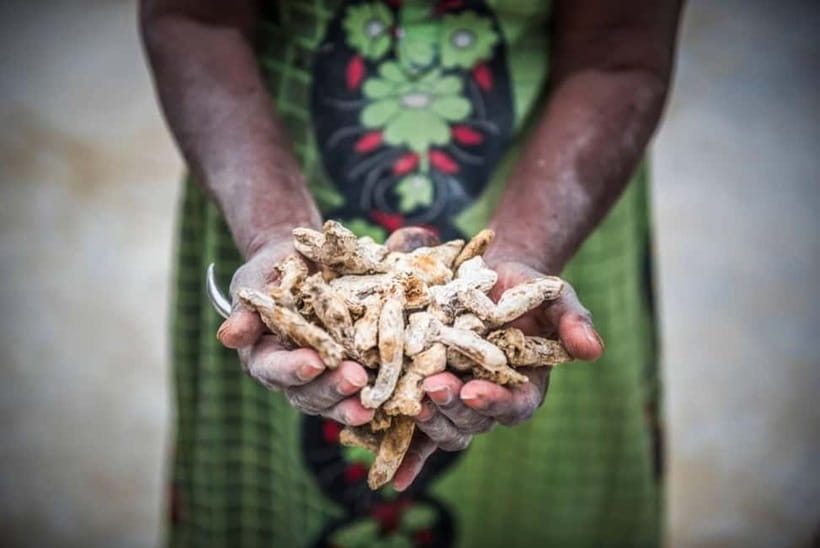
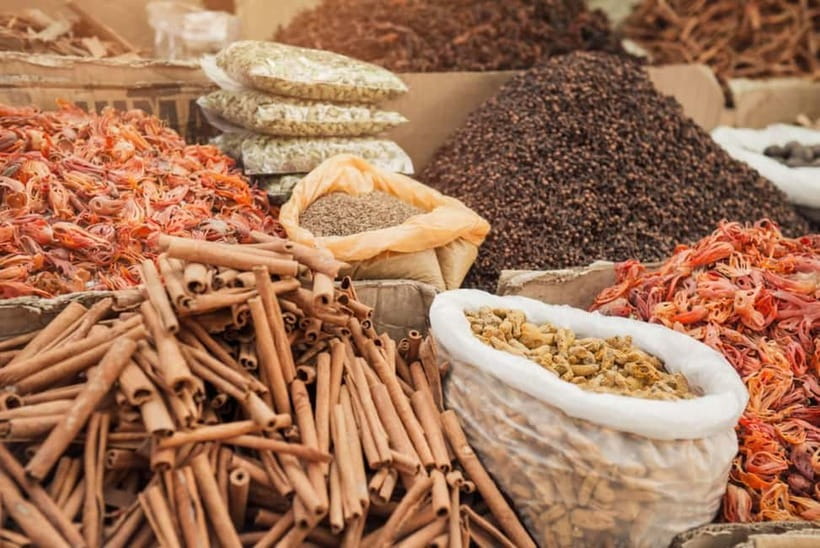
Next comes the Cochin Spice Market, and it’s the kind of place where explanations actually help. You’ll move through an area filled with aromatic spices, bright colors, and sellers who know exactly what people come here for. Your guide connects what you’re seeing to Kochi’s trade heritage—how spices weren’t only flavor, but power, shipping, and contacts with the wider world.
I like that the guide doesn’t treat spice as a souvenir idea. Instead, you get a sense of why spices mattered enough to shape neighborhoods and long-distance connections. It also gives you something practical to do with your senses: pause, look closely at what’s sold, and listen for the trade logic behind the everyday bustle.
Mattancherry Palace: Dutch-era name, Kerala-style architecture
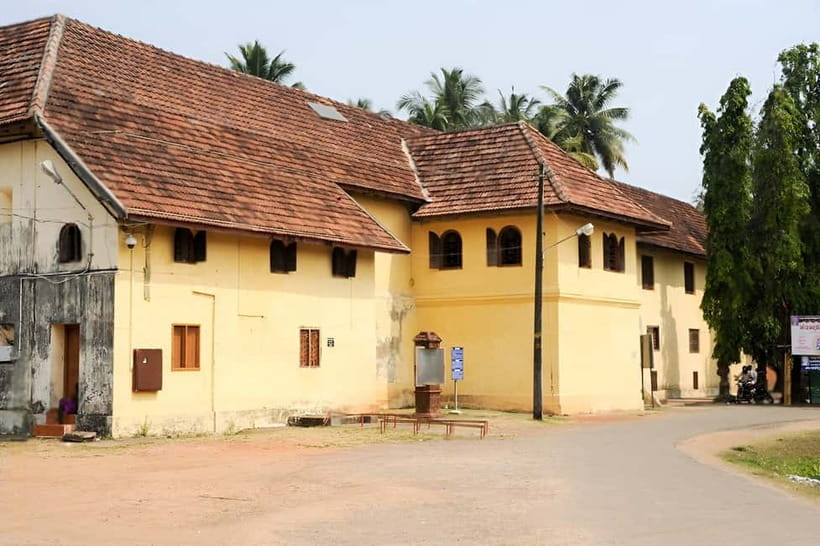
Then you’ll reach Mattancherry Palace, also called the Dutch Palace. The building shows Kerala-style architecture with intricate murals depicting Hindu mythology and royal life, which is a helpful reminder that “colonial” labels don’t erase local artistic identity.
This stop is one of the best photo-and-learn combinations on the route. The palace walls and murals are visual shorthand for power and belief systems, and your guide’s job is to point out what you might otherwise miss—what the scenes suggest and how royal storytelling is built into the art. If you’ve ever wished museums explained the symbolism more clearly, you’ll feel that same benefit here, just in a lived-in setting.
Jewish Cemetery: reading the traces of a once-thriving community
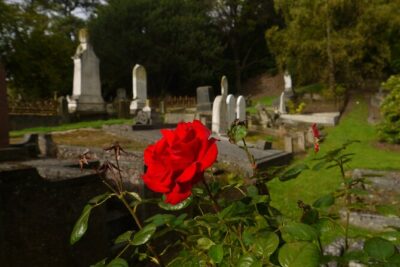
After the palace, the walk slows slightly for the Jewish Cemetery, an important multicultural marker in the area’s shared history. You’ll learn about the legacy and contributions of the Jewish community that once thrived here, even though much of the original neighborhood has changed over time.
I find this kind of stop quietly powerful because it teaches you how to look at absence. When community structures shrink or disappear, inscriptions, boundaries, and remaining buildings become your evidence. You’ll understand better why Jew Town feels like a mix of preserved memory and leftover outlines, rather than a fully intact museum neighborhood.
Jew Town lanes: antiques, cafes, and art conversations
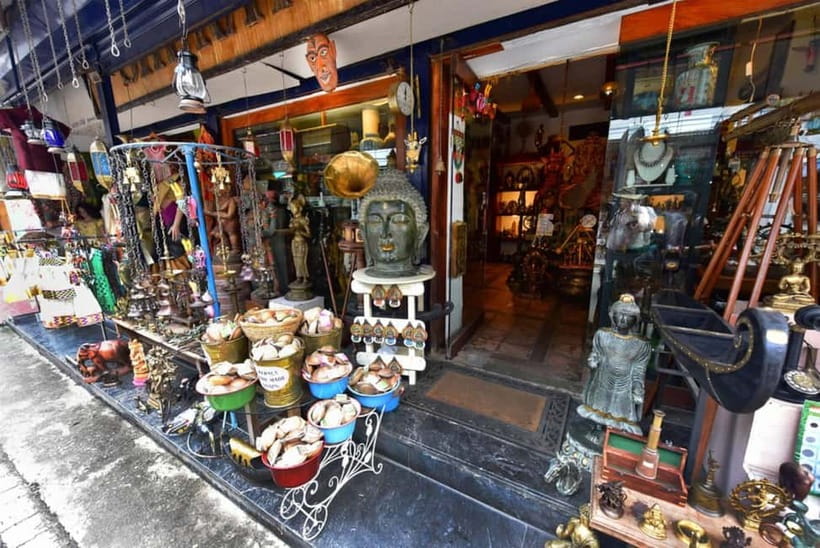
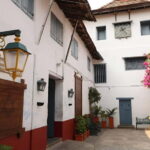
Now for the streets. You’ll stroll through Jew Town—the narrow lanes where antique shops, art galleries, and small cafes help keep the neighborhood’s character alive. This is where the walk becomes more than landmarks, because the guide encourages you to notice how Jewish and Kerala influences show up in the surrounding culture.
Some of the strongest moments come from stops beyond the main buildings. In recent walks, guides have brought people into calmer corners, including a local chai break, and even helped connect the group to art in a more direct way. One standout example from the experience: speaking personally with artists and visiting an artist’s home or studio linked to the area’s old houses and synagogues.
If you care about buying local art, this is also the part where it can make sense. You’re not just passing a shop; you’re hearing why the artwork matters, and that makes any purchase feel more connected to the place.


Paradesi Synagogue: chandeliers, scrolls, and a small museum area
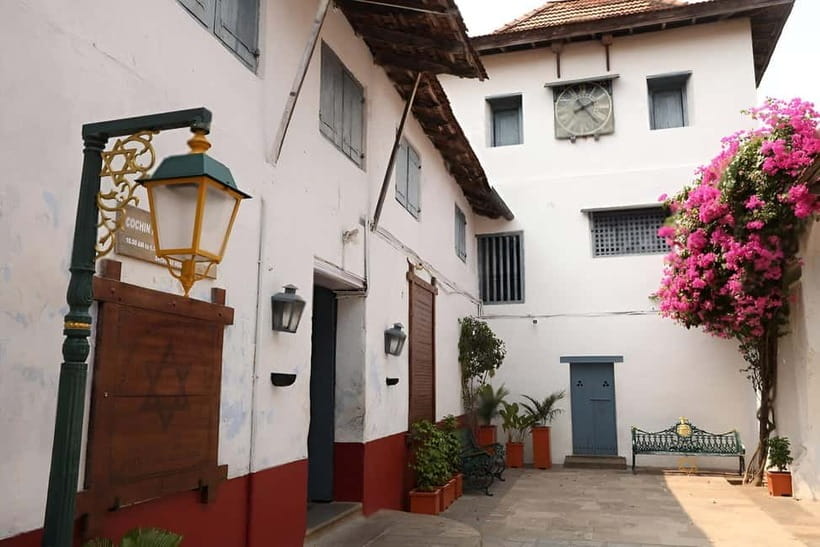
Finally, the walk ends at the Paradesi Synagogue, one of the oldest active synagogues in India. This is where details start to feel tangible: Belgian glass chandeliers, ancient scrolls, and the visible craftsmanship around worship spaces. It’s also a good moment to slow down, because the room rewards time and attention.
There’s also a museum area associated with the synagogue, and it can help with basic orientation to Judaism—think of it as a gentle Judaism 101 alongside the antique ritual objects. One particularly memorable detail mentioned with this visit is an exhibit linked to a claim of privileges dating to around the 1000 AD period under a Maharaja, which adds a “how and why communities survived here” angle to what you’re seeing.
One more practical note: the old graveyard access can be limited. In some cases, you may only be able to view parts of it from above a fence, so don’t plan your expectations around entering every enclosure.
Price and walking practicality for a 2.5-hour heritage loop
At $12 per person for about 2.5 hours, this is priced like a focused walking tour, not a half-day private experience. For your money, you’re getting guided visits to Paradesi Synagogue, Jew Town, and the Jewish Cemetery, plus major stops that give context—St. George Church, the spice market, and Mattancherry Palace.
The logistics are simple, but you should plan like it’s a true walking route. The tour is not suitable for wheelchair users, and you’ll want comfortable shoes plus water. The guide notes sunscreen, sunglasses, and a sun hat, which is sensible in Kerala heat. If you’re someone who hates being out in the sun with no shade, pack accordingly.
Cash also comes up for a reason: you may want to buy something in the lanes or at a cafe, and you’ll avoid awkward last-minute searching. Alcohol and drugs are not allowed, so keep the outing normal and family-friendly.
Who should book this Jew Town walk (and who might skip it)
You’ll love this tour if you want a guided “big picture” day without racing through Kochi by car. It’s a smart fit if you like architecture, religious sites, and how commerce (spices, in this case) shaped neighborhoods. It also works well for couples and small groups who want an easy pace and time for questions—especially because the group size stays under 10.
Skip it if you want only modern city highlights, or if you dislike walking and heat. Also, if you’re expecting a huge number of intact Jewish-era buildings to explore inside secure areas, you might feel the change over time more than you expect. The walk’s strength is interpretation, not pretending everything is perfectly preserved.
Should you book Stories of Jew Town in Kochi?
Yes—book it if you want your Kochi sightseeing to explain itself. The mix of St. George Church, spice market trade context, Mattancherry Palace murals, Jewish Cemetery reflection, Jew Town lanes, and a guided visit to Paradesi Synagogue creates a full loop of connected themes.
You should pay close attention if you care about: smaller-group guidance, chances to talk to people connected to local art, and a route that connects cultures through real places instead of quick passing stops. For many first-timers, this is one of the most efficient ways to understand why Jew Town exists where it does—and why the stories still show up in the details.
FAQ
Where does the tour meet?
The meeting point is in front of T D High School, Mattancherry. Arrive on time so the tour can start without delays.
How long is the Jew Town guided heritage walk in Kochi?
The duration is about 2.5 hours.
What does the tour include?
It includes visits to Paradesi Synagogue, Jew Town, and the Jewish Cemetery, along with guided cultural and architectural stops during the walk.
What language is the live guide?
The tour offers a live guide speaking English and Hindi.
How much does it cost?
The price is $12 per person.
What should I bring?
Bring comfortable shoes, sunglasses, a sun hat, sunscreen, water, and cash.
Is the tour wheelchair accessible?
No. It is not suitable for wheelchair users.