REVIEW · KOCHI
Kochi Tour Guide -A Heritage walking tour in Fort kochi and Mattancherry !
Book on Viator →Operated by Biju's Tours · Bookable on Viator
Fort Kochi reads like a postcard’s footnotes. This 3-hour heritage walk ties together the port-era layers of Kochi—Portuguese, Dutch, Jewish, Hindu—so you understand what you’re looking at, not just where it is. I like the focus on connections, from fishing traditions to different houses of worship, explained by a local host.
I especially love the route variety: you go from the famous Chinese fishing nets to St. Francis Church and then into Jew Town. I also like that the guide time feels personal—people share questions, and guides such as Biju, Shaji, and John/Thomson have been praised for answering patiently and keeping the pace comfortable.
The main consideration is simple: you’ll be on your feet for about 3 hours, and many religious sites require a dress code (shoulders and knees covered). If you show up in sleeveless tops or too-short skirts, you can be refused entry, so plan your outfit first.
In This Review
- Key highlights to look for
- A heritage walk that turns landmarks into meaning
- Where the tour starts: Kashi Art Café to Jew Town
- How long you’ll walk (and how to pace it)
- Stop 1: Traditional Chinese Fishing Nets
- Santa Cruz Cathedral Basilica (1505): Portuguese-era Catholic Kochi
- Church of Saint Francis: the first European church in India
- Dutch Cemetery: old stone, quiet perspective
- Fort Kochi Beach (Mahatma Gandhi Beach): a breather that makes the rest easier
- Mattancherry Palace: a Dutch palace that turned into a museum
- Jew Town and the Paradesi Synagogue (1568)
- Cochin Spice Market: a free stop that works for food lovers too
- Price and value: $15 for guided time plus multiple included admissions
- Choosing morning or afternoon: heat management is part of the experience
- Dress code: plan outfits before you leave
- Who this tour is best for
- Who might want a different pace
- Should you book this Fort Kochi and Mattancherry heritage walk?
- FAQ
- How long is the Kochi heritage walking tour?
- How much does the tour cost?
- What’s included in the price?
- Are there any extra entrance fees?
- Does the tour include morning and afternoon options?
- Where do we meet and where does the tour end?
- Is this tour private?
- What dress code is required?
- Is the tour okay for people with limited mobility?
- What happens if the weather is bad?
Key highlights to look for
- A layered port-city story in just 3 hours across Fort Kochi and Mattancherry
- Big-name stops that still feel local, from Chinese fishing nets to Jew Town
- Real history explained on the street, with guides who handle lots of questions
- Fair pricing for the amount of guided time, with water and many tickets included
- Flexible timing options with morning or afternoon departures to fit your day
A heritage walk that turns landmarks into meaning
Fort Kochi and Mattancherry are close enough to walk, but not so close that it’s easy to connect the dots on your own. This tour works because it treats the neighborhood like a storybook: different communities moved through the port, built places of worship, traded goods, and left traces you can still see.
What makes it satisfying is the way the guide links the places. You don’t just collect photos of a church or synagogue—you learn why it sits where it does and what that meant to Kochi as a trading hub.
You can also read our reviews of more walking tours in Kochi


Where the tour starts: Kashi Art Café to Jew Town
The walk begins at Kashi Art Café in Fort Kochi, near the police station area (Fort Nagar). The tour ends in Jew Town in Mattancherry, which is a great setup if you want to keep exploring after the 3-hour mark.
One practical thing: this is a private tour/activity, so it’s just your group. You’re also given bottled water, which matters in Kochi’s heat, especially during the afternoon departure.
How long you’ll walk (and how to pace it)
The total duration is about 3 hours. It’s listed as suitable for travelers with moderate physical fitness, so don’t expect a slow museum-only rhythm.
In practice, guides tend to be thoughtful with pacing and route timing—one theme that shows up in feedback is comfort in warm weather. If you’re sensitive to heat, I’d choose the morning departure or ask your guide to prioritize quick, shaded transitions when possible.
Stop 1: Traditional Chinese Fishing Nets
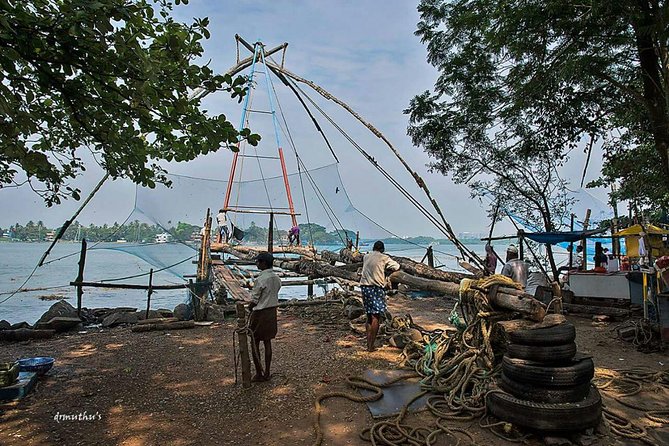
You start at the Chinese Fishing Nets, a recognizable Fort Kochi landmark that also anchors the whole tour’s theme: Kochi’s fishing and port life have long been shaped by outside influence and local adaptation.
You’ll get time here to look closely and understand what you’re seeing. The stop includes a ticket, and it’s worth using that time well—watch how the nets are used and take in the coastal setting before you move inland.
What I like about starting here is that it gives you a baseline. Once you’ve seen a living tradition, the next stops feel less like random monuments and more like chapters in the same trading-and-community story.
Santa Cruz Cathedral Basilica (1505): Portuguese-era Catholic Kochi
Next up is Santa Cruz Cathedral Basilica, with its Roman Catholic roots dated to 1505. This is one of the stops where the guide’s street-level explanation really helps you read the building.
I’d treat this part as your “timeline check.” You’ll be seeing European-style religious architecture in India, and the guide’s job is to connect that to Kochi’s role as a coastal gateway where cultures met—sometimes peacefully, sometimes through power and trade.



Church of Saint Francis: the first European church in India
Then you visit the Church of Saint Francis, described as the first European church in India. You get a short window here, but it’s long enough to step back and notice details you might miss if you’re only passing through.
This stop is great for anyone who likes art and design in addition to history. More than one guide has been praised for pointing out interior features such as frescos in the Dutch Palace later, and that same attention to visual detail usually starts with stops like this.
Dutch Cemetery: old stone, quiet perspective
The Dutch Cemetery is next, created in 1724. It’s listed as free entry, so you can treat it as a pause without feeling like you’re buying your way through the day.
This is a good stop for slower looking. I like the way a cemetery changes your pace: the story becomes less about buildings you can tour and more about people who lived, traded, worked, and died here—then got remembered in stone.
Fort Kochi Beach (Mahatma Gandhi Beach): a breather that makes the rest easier
After churches and cemeteries, the tour shifts to an outdoor break at Fort Kochi Beach, also known as Mahatma Gandhi Beach. It’s short, about 10 minutes, but it’s timed well if you’re saving energy for the more detailed indoor stops.
Use this moment to reset: water, sun management, and a quick look over the waterfront. It’s also a nice opportunity to take photos without rushing, since you’ve already seen the major architectural landmarks.
Mattancherry Palace: a Dutch palace that turned into a museum
The walk continues to Mattancherry Palace, often described as a Dutch palace that now functions as a museum under India’s Archaeological Survey.
Expect to spend about 20 minutes here. This is the stop where art-and-history watchers tend to pay extra attention. Some guides are specifically noted for explaining what you’re seeing inside, including fresco details, so you’ll likely get more out of the time than if you only glanced at exhibits.
If you like visual storytelling—paintings, murals, and palace decoration—this is where the tour starts to feel extra rewarding.
Jew Town and the Paradesi Synagogue (1568)
From Mattancherry Palace you move into Jew Town, a street area tied to Kochi’s Jewish community. You’ll then reach Paradesi Synagogue, made in 1568, with time to see the synagogue and learn the background.
This is also one of those moments where the guide’s explanation matters. Houses of worship side-by-side are part of Kochi’s character, and the tour helps you understand that they weren’t just placed randomly—they reflect long routes of trade, migration, and community life.
If you’re planning your day around religious visits, keep the dress code front and center. Entry rules apply to places of worship and selected museums, and shoulders and knees must be covered for both men and women.
Cochin Spice Market: a free stop that works for food lovers too
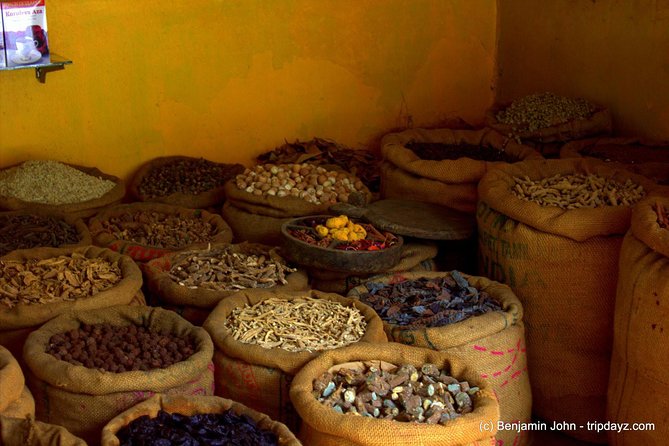
You finish with Cochin Spice Market. This one is listed as free entry and usually works well because it gives you a sensory break after architecture and history.
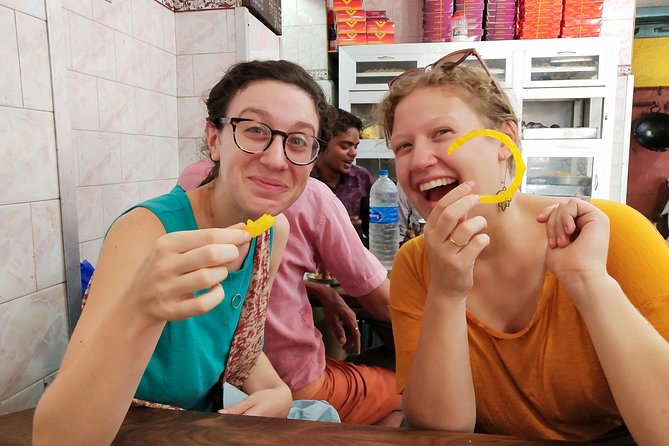
Even if you don’t buy anything, it’s a great place to ask questions. Spice names, uses, and local preferences make for easy conversation with your guide, and it’s a natural point to decide what you want to follow up on later.
Price and value: $15 for guided time plus multiple included admissions
At $15 per person for a 3-hour guided walk, this is priced for value—especially because bottled water and a local guide are included.
A big part of the math is the admission mix. Many stops include ticket entry time, while some are free (like the Dutch Cemetery, Fort Kochi Beach, and the Spice Market). The one extra cost to note is that entrance to the Jewish Synagogue is ₹100 per person, which is listed as not included.
So when people ask if it’s worth it, I’d say this: you’re paying for a guided route that hits major Fort Kochi and Mattancherry landmarks in a short window, plus context that helps you enjoy the next street you walk down—without buying a stack of guidebooks.
Choosing morning or afternoon: heat management is part of the experience
You can pick a morning or afternoon departure, and that choice affects how enjoyable the walk feels. Fort Kochi weather can be tough, and feedback highlights that guides often manage comfort during the warmer part of the day.
If you want easier walking conditions, morning is usually the safer bet. If your Kochi schedule is built around daytime plans, go afternoon—just dress smartly, carry water, and lean on your guide’s pacing.
Dress code: plan outfits before you leave
This tour requires a dress code for places of worship and selected museums. You’ll need shoulders and knees covered, and sleeveless tops or too-short skirts aren’t allowed. If you don’t meet the requirements, you may be refused entry.
This rule can catch people off guard, especially if you’re coming from a beach or packing light. I’d bring a lightweight layer that covers your arms and use a longer skirt or pants option so you’re never guessing at the last second.
Who this tour is best for
This is a smart fit if you want:
- A first-time orientation to Fort Kochi and Mattancherry
- A guided story that connects Portuguese, Dutch, Jewish, and Hindu landmarks
- A route that works well for both solo visitors and small groups (it’s private for your group)
It’s also a good choice if you like Q&A. Several guides have been praised for handling lots of questions with patience and keeping the day relaxed rather than rushed.
Who might want a different pace
If you have limited stamina for walking and short indoor time stops, you might find the 3-hour format tiring. Also, if you don’t want to deal with dress-code checks at worship sites, you may prefer an itinerary that skips those entries.
Still, for most people with moderate mobility who can cover shoulders and knees, it’s an efficient way to see the big landmarks without losing context.
Should you book this Fort Kochi and Mattancherry heritage walk?
I think you should book it if your goal is to understand Kochi quickly. For $15, you’re getting a structured route through standout landmarks, plus a local guide who can explain the why behind the what.
I’d only hesitate if your priority is a relaxed, mostly-food or mostly-beach day, or if you can’t follow the dress code for worship spaces. If you’re okay with that—and you want your photos to come with meaning—this is one of the more practical ways to spend a morning or afternoon in Fort Kochi.
FAQ
How long is the Kochi heritage walking tour?
The tour lasts about 3 hours (approx.).
How much does the tour cost?
The price is $15.00 per person.
What’s included in the price?
You get a local guide and bottled water, plus admission tickets for several listed stops.
Are there any extra entrance fees?
Yes. Entrance fees to the Jewish Synagogue are ₹100.00 per person and are not included.
Does the tour include morning and afternoon options?
Yes. You can choose either a morning or afternoon departure.
Where do we meet and where does the tour end?
You meet at Kashi Art Café in Fort Kochi, and the tour ends in Jew Town, Mattancherry.
Is this tour private?
Yes. It’s listed as private, and only your group participates.
What dress code is required?
For places of worship and selected museums, shoulders and knees must be covered. Sleeveless tops and too-short skirts aren’t allowed.
Is the tour okay for people with limited mobility?
It’s recommended for moderate physical fitness. Since it’s a walking route for around 3 hours, plan accordingly.
What happens if the weather is bad?
The experience requires good weather. If it’s canceled due to poor weather, you’ll be offered a different date or a full refund.