REVIEW · GYEONGJU
Gyeongju UNESCO World Heritage Sites and History Full-Day Tour with Lunch
Book on Viator →Operated by Busan Tourism Center · Bookable on Viator
Gyeongju is best when someone else handles the driving. This full-day UNESCO-focused trip knits together the big Silla-era highlights—especially Bulguksa Temple and Seokguram Grotto—with pickup, an air-conditioned minivan, lunch, and entrance fees included. The trade-off is a packed day: you’ll walk at multiple stops and you’ll feel it, especially in summer heat.
The day runs in a small-group style (up to 40 people), and the guides named in feedback—like Steve, Sue, Chris, and Jina—are praised for making the sites feel understandable, not just scenic. If you need a vegetarian or gluten-free meal, the lunch has handled these requests before, which is a big quality-of-life win.
In This Review
- Key Highlights You’ll Care About
- Why Gyeongju Feels Special on a Guided Day
- Price and What $189.99 Actually Buys You
- Getting Started: Pickup, Timing, and the Comfort Factor
- Stop 1: Cheomseongdae Observatory (30 minutes)
- Stop 2: Donggung Palace & Wolji Pond (1 hour)
- Stop 3: Gyeongju Gyochon Traditional Village (45 minutes)
- Stop 4: Daereungwon Tomb Complex (1 hour)
- Stop 5: Seokguram Grotto (1 hour)
- Stop 6: Bulguksa Temple (about 1 hour)
- Lunch Included: Korean Food Without the Guesswork
- How Hard Is It Really? (Shoes, Heat, and Pace)
- Group Tour Energy vs Private Upgrade
- Who This Tour Fits Best
- Should You Book This Gyeongju UNESCO Tour?
- FAQ
- FAQ
- What time does the tour start?
- Is pickup and drop-off included?
- How long is the tour?
- Are entrance fees included?
- Is lunch included?
- Can I request a vegetarian meal?
- Is there a private tour option?
- Is there a limit on group size?
- Are children allowed?
- Is free cancellation available?
- What should I wear?
Key Highlights You’ll Care About
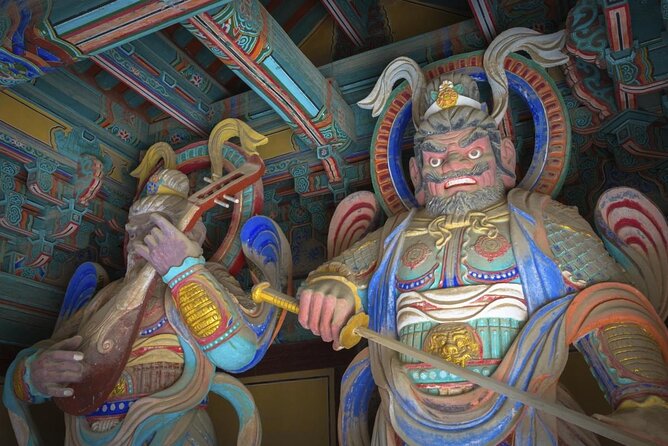
- Bulguksa and Seokguram in one day: the two UNESCO anchors with the right amount of time at each
- Pickup and drop-off in comfort: an air-conditioned van saves energy for the sightseeing parts
- Lunch plus entrance fees included: you avoid the small-cost surprise checklist
- Silla royal sites on the same route: Cheomseongdae, Wolji Pond, tombs, and historic neighborhoods
- Dietary options available: vegetarian is offered when arranged in advance
- A flexible feel via the guide: good explanations can turn a long day into a clear story
Why Gyeongju Feels Special on a Guided Day
Gyeongju used to be the capital of the ancient Silla kingdom, and that matters. The city isn’t one or two attractions—it’s a spread of meaningful sites across town and up into the surrounding hills. Doing them independently is doable, but doing them all in a single day is where you’ll burn time on transportation and ticket lines.
That’s the smart reason to take this tour. You’re not just ticking boxes. You’re moving through a connected sequence: astronomy and royal life, then tombs, then the major Buddhist masterpieces.
Also, this is one of those rare “history day trips” where you can still enjoy the scenery between stops. Traditional architecture shows up in one place, stonework shows up in another, and then you’re in the landscape near Tohamsan Mountain for Seokguram.
You can also read our reviews of more historical tours in Gyeongju
Price and What $189.99 Actually Buys You
At $189.99 per person, this isn’t a budget filler. But it also isn’t just a seat on a bus. You’re paying for:
- Round-trip transport in an air-conditioned minivan
- Pickup and drop-off
- Lunch included
- Entrance fees included for the paid sites
If you were to piece this together solo, you’d likely pay for transport between scattered areas, tickets, and lunch—then add your time costs (and stress). Here, you get a planned route, with a guide handling the why behind the places.
One caution: if you’re already staying in Gyeongju, the schedule may feel shorter than the “full-day” label depending on routing. If you’re traveling from Busan, this tour’s structure generally makes a lot more sense.
Getting Started: Pickup, Timing, and the Comfort Factor
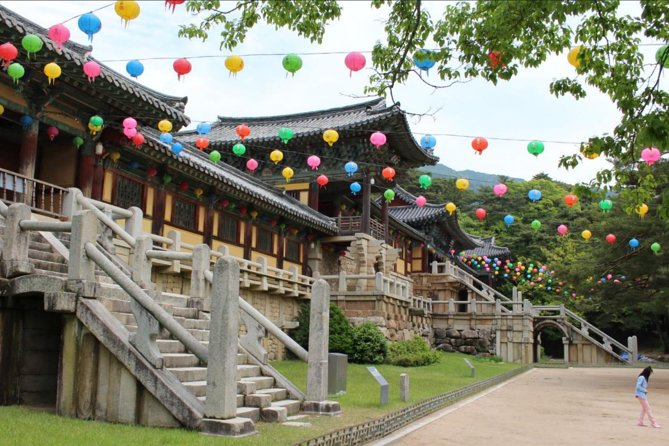
The tour starts at 8:00 am, with pickup offered and return drop-off included. In practice, this matters because the earliest hours help you avoid the worst crowds at the first sight.
The vehicle is an air-conditioned minivan, which is a real deal in hot months. One review specifically called out how the guide and driver handled extremely hot weather without letting the day fall apart—this is exactly what you want when you’re spending hours on your feet.
How much walking? Expect a fair amount. There’s no way around stairs and paths at sites like Seokguram and the temple areas. One feedback note referenced around 11,000 steps, which is a good reality check. If you wear comfortable shoes (and you’ll want to), you’ll be fine for most people, but it’s not a “sit-and-glance” outing.
Stop 1: Cheomseongdae Observatory (30 minutes)
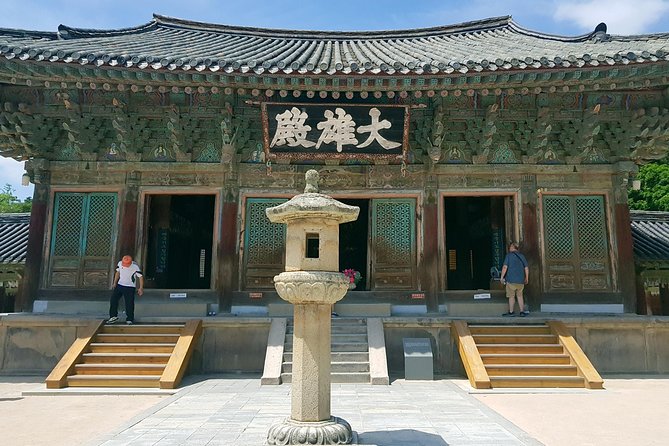
Cheomseongdae is the oldest existing astronomical observatory in Asia. It was constructed during the reign of Queen Seon-deok (632–647), and the idea was practical: observe the sky to forecast weather.
This stop is short, but it punches above its weight. It’s easy to walk right past “old ruins” as just stones—but here, the function makes it feel alive. You’re not only looking at history; you’re seeing how people once used observation to plan daily life.
Admission for this stop is listed as free. Even so, don’t treat it like a quick photo break. Give yourself a few minutes to look at the details. And yes, it can get crowded—one guide-led experience skipped it on a very busy day. If you’re sensitive to crowds, arriving early with the group helps.
Stop 2: Donggung Palace & Wolji Pond (1 hour)
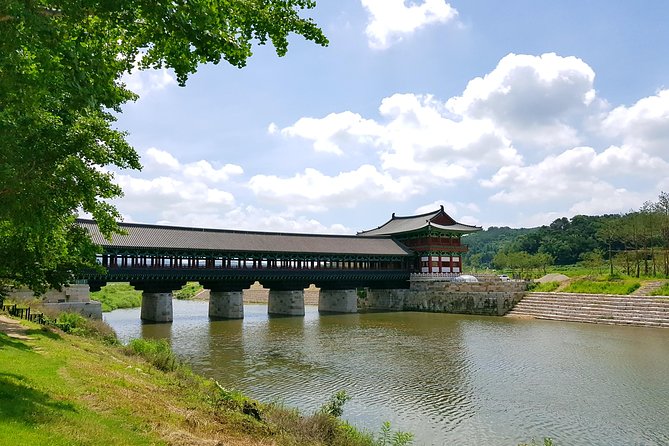
Wolji Pond was built during the reign of King Munmu (661–681 AD). The palace setting is part of the story: historical records describe mountains created inside the palace area, which turns the whole scene into a kind of built landscape.
What you’ll like here is the contrast. You’re not in a temple courtyard yet; you’re in a quieter, scenic setting that connects you to Silla court life. The time allotment is about an hour, which is enough to stroll and take in the pond area without feeling rushed.
Because this is a pond-and-palace zone, you might get light changes if the weather shifts. If you’re trying to take photos, just plan for the fact that the day’s main photo opportunities are later.
Stop 3: Gyeongju Gyochon Traditional Village (45 minutes)
Gyochon is a traditional hanok village area associated with the Choi clan. The tour includes access to the House of the Gyeongju Choi Clan and related cultural exhibits.
This is one of the stops where expectations matter. You’re going for “how people lived,” not for a big museum hall. Some structures can feel limited depending on what’s open on your day, and feedback has ranged from love for the cultural context to disappointment with how much you can actually see.
Still, it’s a useful piece of the puzzle. After the observatory and palace-pond stop, this gives you everyday texture—how “royal-era” history becomes “ordinary life” history.
Stop 4: Daereungwon Tomb Complex (1 hour)
Daereungwon (including the Cheonmachong Tomb area) is where Silla royalty shows up in physical form. There are 23 large tombs in the complex. The focus here is scale and placement—these aren’t small memorials. They were designed to last.
This stop gives you a different kind of awe than temples. It’s less about ornate detail and more about presence: how the rulers wanted to be remembered, and how the kingdom shaped space around power.
If you like structure and layout, you’ll get a lot from an hour here. If you want lots of indoor artifacts and display cases, you might feel slightly less satisfied—this is an outdoor tomb complex first.
Stop 5: Seokguram Grotto (1 hour)
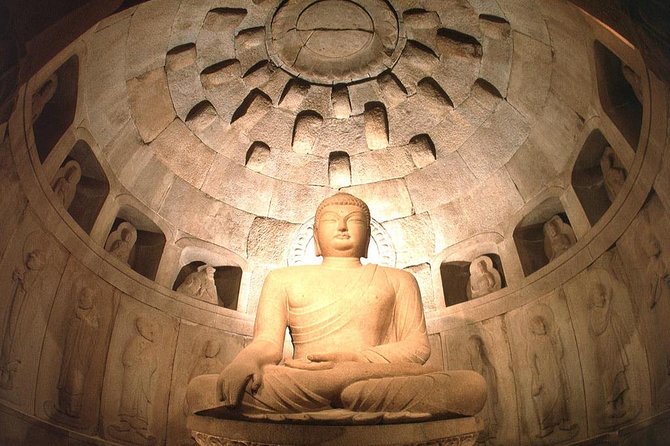
Seokguram is one of Korea’s best-known stone temple grotto sites, and it’s located on Tohamsan Mountain. The tour frames it as a representative stone temple, with the official designation linked to National Treasure No. 24: Seokguram Seokgul.
This is often the emotional peak of the day. The grotto setting gives you that “you’re inside the idea of devotion” feeling. It’s also a spot where you’ll want to manage your energy. Mountain-side access plus indoor/outdoor transitions can add up.
One practical caution: there are rules around photography at some points. One experience note said you can’t take photos in the grotto area. So don’t plan on a ton of shots here—plan on paying attention instead.
Stop 6: Bulguksa Temple (about 1 hour)
Bulguk Temple—Bulguksa—is a major UNESCO-protected site and the representative relic of Gyeongju. It was designated as a UNESCO World Cultural Asset in 1995.
This is the stop that gives you “why UNESCO” in plain terms: the beauty of the temple and the artistry in the stone relics. You’ll notice how the design guides your eyes and how the stone work feels deliberate, not random.
Even if you’re not a hardcore temple person, you’ll likely enjoy Bulguksa because it’s visually structured. And if you came for Silla history, this stop turns the whole day into a coherent story: royal culture, belief systems, and stonework that survives.
Lunch Included: Korean Food Without the Guesswork
Lunch is included, and this is one of the most consistently praised parts of the day. People described it as surprisingly good and filling, with meals at local restaurants rather than a generic stop.
Even better: there have been accommodations for vegetarian needs when arranged in advance, and gluten-free lunch needs were handled too in at least one shared experience. That’s exactly the kind of detail that saves your whole trip.
A practical tip: eat like it’s a long day. You’ve got walking coming after lunch, and Seokguram plus Bulguksa doesn’t leave much time for snack hunting.
How Hard Is It Really? (Shoes, Heat, and Pace)
This tour is approachable for most people, but you should treat it like a steady sightseeing day, not a casual stroll.
- Wear comfortable shoes. High heels are not recommended.
- Bring sunscreen. The day can be sunny between stops.
- Plan for a “hot day” scenario. One review called out extreme heat conditions handled well by the team.
Also, you might get dropped closer to entrances to reduce walking. That kind of driver help matters when you’re trying to conserve energy for the key sights.
Group Tour Energy vs Private Upgrade
The tour runs with a maximum of 40 travelers, so it’s not a huge cattle-car experience. Many people also ended up in smaller groups, which makes the day feel less rushed and easier for questions.
There’s also an upgrade option to a private tour if you want more control of pacing and conversation. If you travel as a couple or solo, private can be a smart way to get deeper explanations without feeling boxed in.
If you’re happy with a planned route and want strong value, the group format is usually the sweet spot.
Who This Tour Fits Best
This is a good match if:
- You’re short on time and need the major UNESCO stops connected in one day
- You don’t want to coordinate transport between far-apart areas
- You want lunch and entrance fees handled
- You like your history with a guide who can explain the “why,” not just the “what”
It may not be the best match if:
- You dislike packed schedules and prefer slow, flexible afternoons
- You expect a lot of indoor museum-style artifacts throughout the day
- You’re extremely photo-focused at every stop (especially around grotto rules)
Should You Book This Gyeongju UNESCO Tour?
If you’re basing yourself in Busan and want a clean, efficient UNESCO day without transport headaches, I think this is a solid buy. The strongest value is the mix of major sites (Bulguksa + Seokguram) plus included lunch and entrance fees, all wrapped in pickup/drop-off convenience.
My main “think twice” moment is the pace. You’re going to walk, and the day can get hot. If you show up with good shoes and a realistic mindset, this tour is exactly the kind of structured day trip that pays off.
FAQ
FAQ
What time does the tour start?
The tour starts at 8:00 am.
Is pickup and drop-off included?
Yes. Pickup is offered, and the tour includes drop-off as well.
How long is the tour?
The duration is about 8 hours.
Are entrance fees included?
Yes. The tour includes entrance fees for the listed stops.
Is lunch included?
Yes. Lunch is included.
Can I request a vegetarian meal?
Yes. A vegetarian option is available if you advise in advance during booking.
Is there a private tour option?
Yes. You can upgrade to a private tour if you want.
Is there a limit on group size?
Yes. The tour has a maximum of 40 travelers.
Are children allowed?
Children must be accompanied by an adult.
Is free cancellation available?
Yes. You can cancel for free up to 24 hours before the experience’s start time for a full refund.
What should I wear?
Wear comfortable shoes (high heels are not recommended) and consider sunscreen.