REVIEW · ATHENS
From Athens: Explore Ancient Greece 4-Day Tour
Book on GetYourGuide →Operated by Key Tours · Bookable on GetYourGuide
One bus ride and suddenly you feel myth in your bones. This 4-day Ancient Greece circuit takes you from Apollo country to Olympic legends and high-on-rocks monasteries, with a live guide in English/Spanish and an A/C coach. I like that it’s a tight route: you see big-name sites like Epidaurus, Mycenae, Olympia, Delphi, and Meteora without doing logistics math all day.
Two things I really like: first, the stop at Epidaurus includes the ancient theatre, famous for its symmetry and seriously impressive acoustics. Second, the tour is built around a strong guide-led interpretation, and you’ll hear details tied to what you’re actually standing in front of (I’ve seen guides like Panaiota, Dozia, Ivan, Christina Stamou, and Sofia praised for exactly that). One drawback to consider: it’s a fast-moving, road-heavy itinerary, and lunch and drinks aren’t included, so you’ll want a plan for midday refuels on your own.
In This Review
- Key points worth your attention
- A Four-Day Time Machine from Athens
- Day 1: Corinth Canal, Epidaurus Theatre, Nafplio and Mycenae
- Day 2: Olympia, Rio-Antirrio Bridge, and Delphi’s Navel-of-the-World Feeling
- Day 3: Delphi’s Worship Atmosphere and Kalambaka Under Meteora
- Day 4: Meteora Monasteries on Sandstone Pillars and the Ride Back to Athens
- Price and Value: What $742 Covers (and What It Doesn’t)
- Hotels, Meals, and the Pace of a Bus-Based Ancient Greece Tour
- Who Should Book This Tour (and Who Should Skip It)
- Should You Book? My Practical Verdict
- FAQ
- What’s included in the tour price?
- Is lunch included?
- What should I pay for separately?
- How much is the hotel accommodation tax?
- Do you pick me up from Athens?
- What clothing do I need for the monasteries?
- Is the tour wheelchair accessible?
- Can I cancel or pay later?
Key points worth your attention
- Epidaurus theatre acoustics: you’re not just looking at ruins, you’re experiencing why people came for the performances.
- Olympia + Olympic Flame spot: you get the ritual side, not just the stones.
- Delphi at two different moments: you’ll have time to take in the atmosphere before and after the long drive days.
- Meteora monasteries on sandstone pillars: big views and real sense of altitude.
- A/C bus with chargers and careful driving: comfort matters when you’re crossing Greece by road.
- Meals covered for breakfast and dinner: fewer daily decisions, but you’ll still need lunch money.
A Four-Day Time Machine from Athens
This is the kind of trip that works when you want the headline ancient sites, but you don’t want to string together rentals, tickets, and timing on your own. You start in Athens, get picked up from many centrally located hotels (about an hour before departure), then roll out by luxury A/C bus.
The value here isn’t just that the places are famous. It’s that you move through them in an order that makes historical sense: heroic Greece (Mycenae), religious pan-Greek worship (Delphi), athletic-religious ritual (Olympia), and then the later spiritual chapter of Meteora. You’re also not left staring at plaques. The tour includes a live guide in English and Spanish, and multiple guides (from Panaiota to Christina Stamou, from Stavros to Angela) are praised for explaining what you’re seeing in a way that sticks.
Because it’s group travel, the tradeoff is pace. You’ll be on the move a lot, and that can limit how long you linger at each stop. One review even noted the group size could expand on one day, which can make walking and listening a touch tougher. It’s still a great way to cover ground—just go in knowing it’s not a slow, museum-only weekend.
You can also read our reviews of more tours and experiences in Athens.

Day 1: Corinth Canal, Epidaurus Theatre, Nafplio and Mycenae
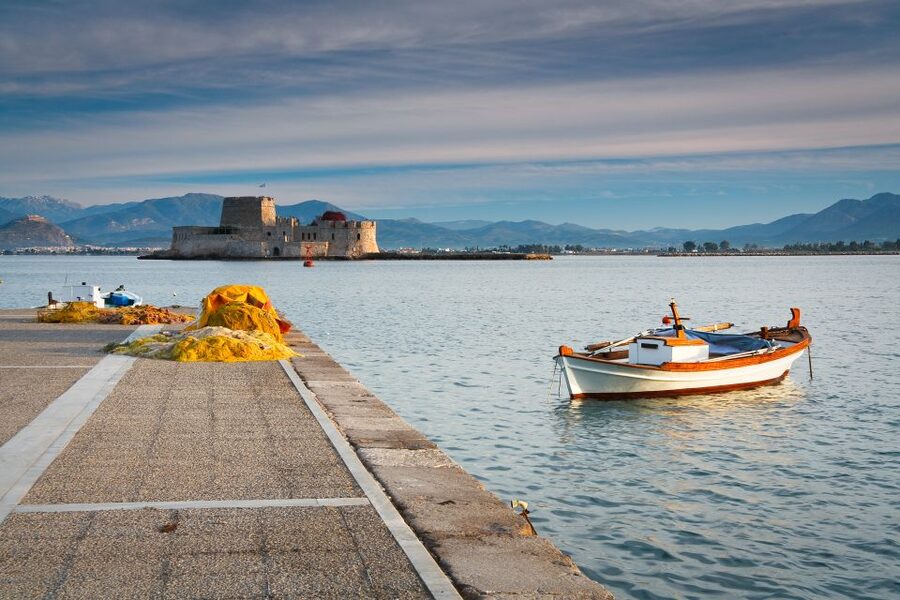
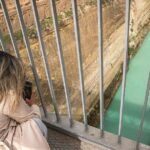
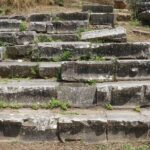
Day 1 is basically a best-of punch in a single sweep. You drive along the Corinth Canal, then head to Epidaurus, which is known as the reputed birthplace of Asclepius, tied to healing myths. The main event is the ancient theatre. Epidaurus is famous for symmetry, but the real reason it draws attention is its exceptional acoustics—the kind that makes performers and audience feel connected even today.
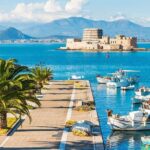
After Epidaurus, you’ll stop in Nafplio, a seaport town that’s often a relief after archaeological walking. It gives you a breather and a chance to reset your legs before the next big historical hit. Then the route continues to the plain of Argos and on to Mycenae.
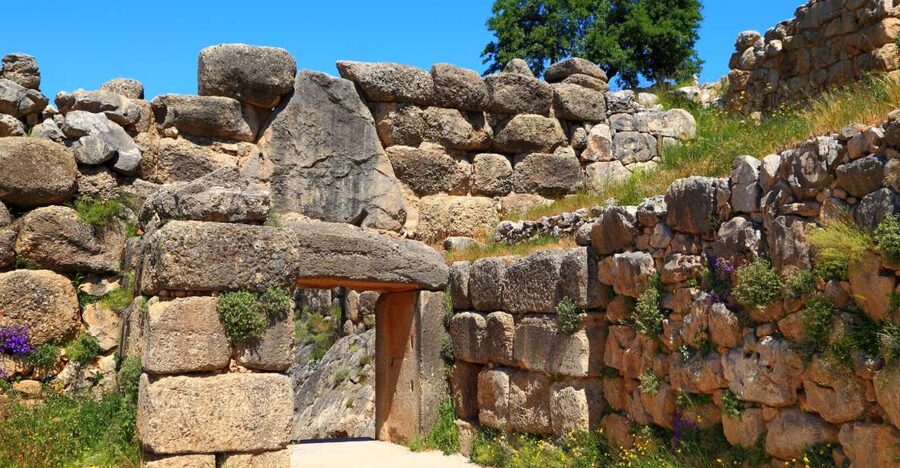
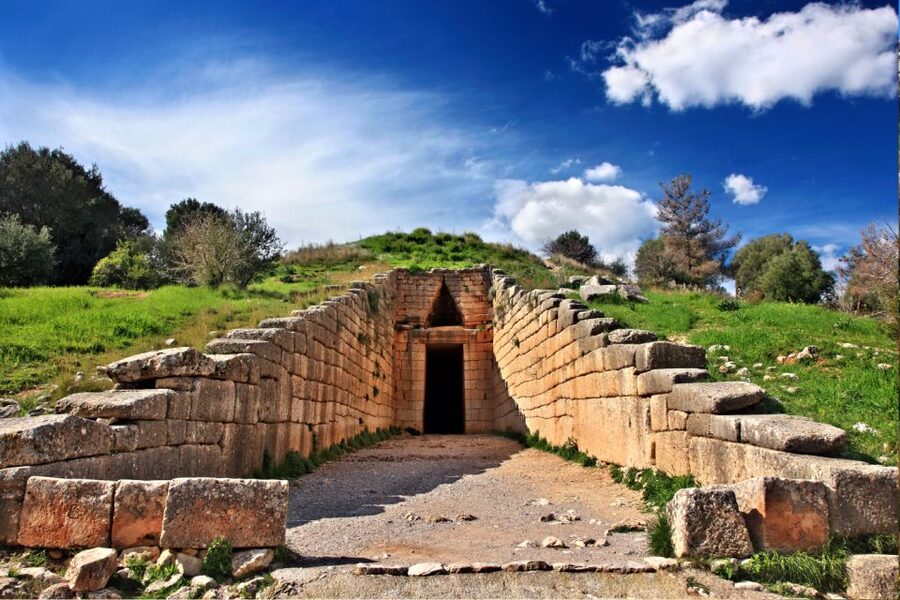
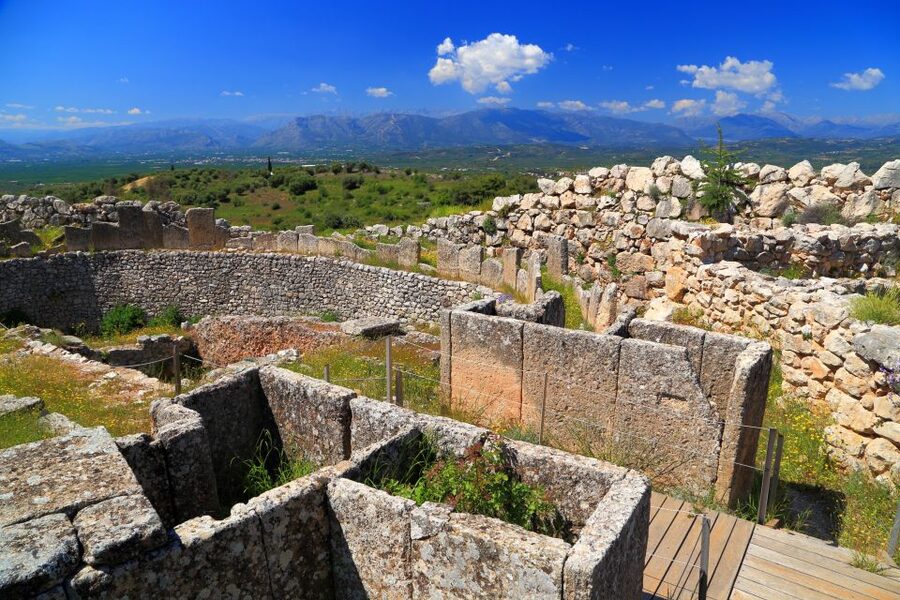
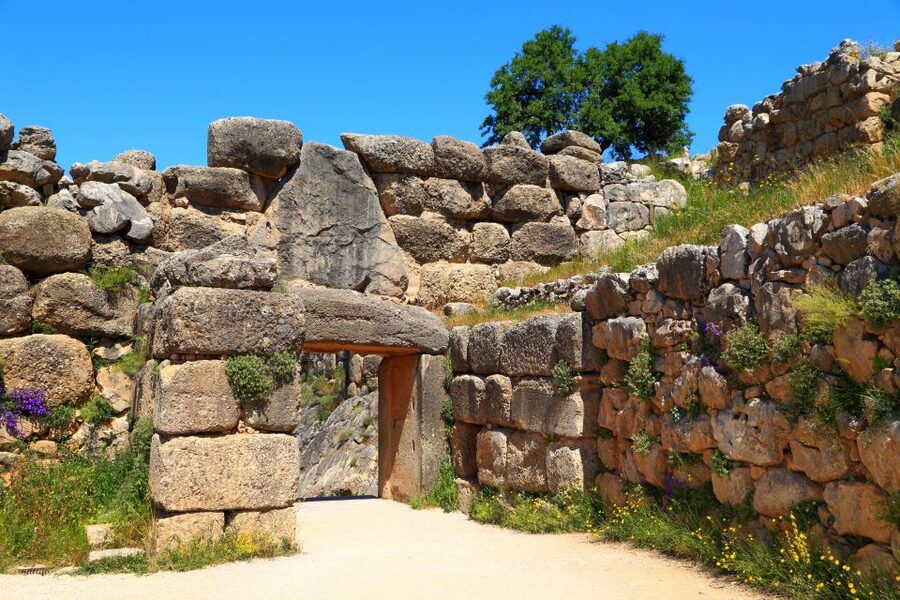
Mycenae is where the heroic age shows up in stone. You’re visiting a major center of classical Greek civilization and seeing the Tomb of Agamemnon area. The tone here is different from Epidaurus: less about performance and ritual atmosphere, more about power, empire, and legends of rulers. I like that you get the mix early in the trip because it sets you up for the rest of the itinerary. Greece isn’t one story; it’s a stack of stories layered over centuries.
Practical tip: since lunch isn’t included, you’ll want to bring a light plan for midday. Also remember shorts aren’t allowed (and monasteries later have stricter clothing rules), so wear travel-friendly pants from Athens onward.
Day 2: Olympia, Rio-Antirrio Bridge, and Delphi’s Navel-of-the-World Feeling
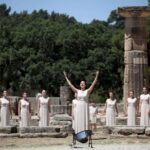
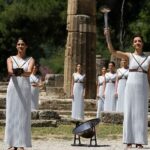
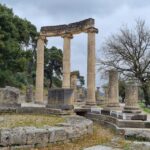
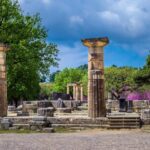
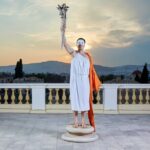
Day 2 starts at Olympia, the home of the Olympic Games. This stop isn’t just about imagining athletes running around a track. You’ll walk among the temples of Hera and Zeus, and you’ll get specific with sites like the area associated with the alter of the Olympic Flame, where sacrifices were made. There’s also a museum, which is a great way to connect the myths to artifacts rather than just repeating names.
When you finish Olympia, you’re not stuck in a straight-line drive. The route continues toward Delphi via Patras, crosses the Rio-Antirrio bridge, and runs along a scenic coastal road past Nafpaktos. The bridge itself is a modern moment dropped into an ancient landscape—meaning you get a visual reset between historic worlds.
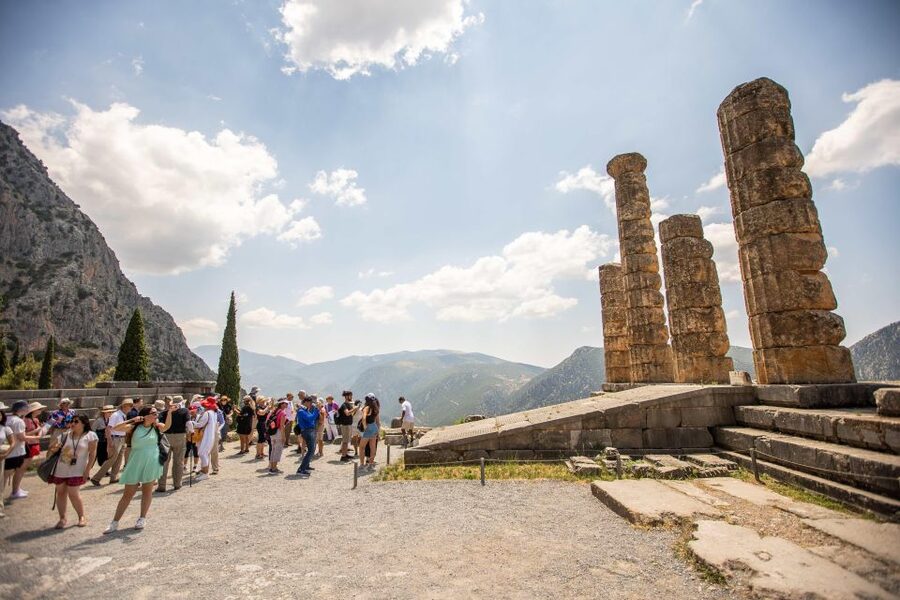
Then comes Delphi, often described by the Greeks as the middle, or navel, of the world. Delphi works best when you let it feel odd and high-stakes. It sits on a dramatic setting and has a serious spiritual reputation. You’ll spend the afternoon there, and you’ll also visit Arachova, a picturesque mountain village, before returning for an overnight stay in the Delphi area.
Why this day is worth it: Olympia + Delphi in the same trip gives you a rare pairing: athletic-religious practice first, then prophecy-and-worship geography next. If you only pick one, you’d miss that “ritual in two forms” story.
Consideration: the driving time between stops is real. Your legs may want more breaks than the itinerary gives. The upside is you’re in an A/C coach, and some drivers are specifically praised for careful, smooth driving, which makes the road time easier to handle.
Day 3: Delphi’s Worship Atmosphere and Kalambaka Under Meteora
Day 3 keeps Delphi as more than a quick photo stop. You’ll have a relaxed morning in Delphi, with time to take in the atmosphere of this major worship center—what it meant to place heaven and earth in one location. Even if you’ve seen Delphi before in books, being there changes the scale. The setting helps your brain connect the religious idea to the geography.
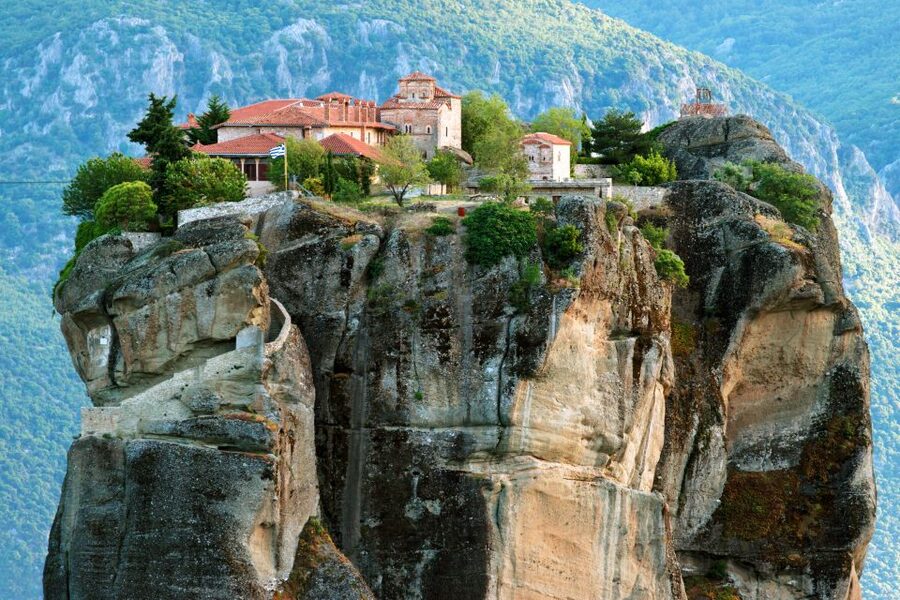
In the afternoon, you travel to Kalambaka, with the Meteora Monasteries looming above. Kalambaka is where you finally switch from ancient Greek sites to a later spiritual spectacle built high on rock. Even the approach matters: the area gives you that first look at Meteora’s dramatic “how did they build this” geometry before you climb into the monasteries themselves.
This night is part of the hotel stay that makes the whole trip workable. You’re not doing a late-night grind after a full day of ruins. One reason the reviews sound so happy is that the hotels and dinners are treated as real fuel. Several guests mention hotels in places like Lagadia, Itea, and Kalambaka as wonderful, with good meals and views.
Practical note on what you’ll pay for: breakfasts and dinners are included, but lunch and drinks aren’t. So you’ll want to budget for a simple lunch on your own during long site hours.
Day 4: Meteora Monasteries on Sandstone Pillars and the Ride Back to Athens
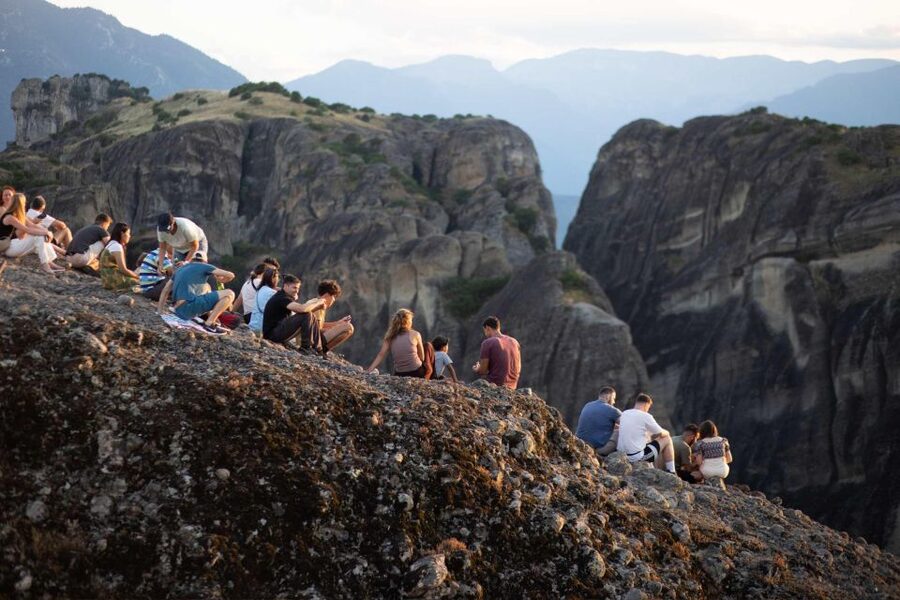
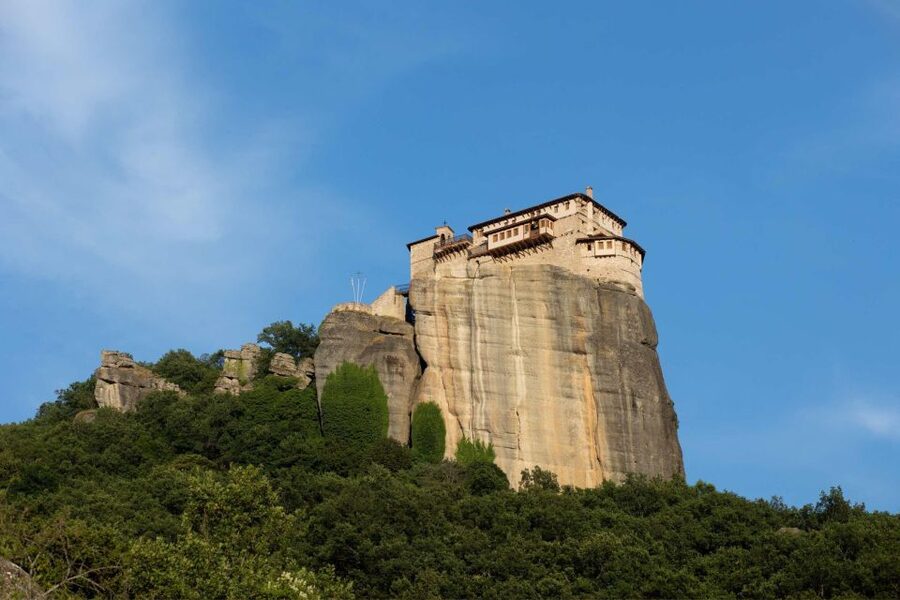
The final day is built around the Meteora Monasteries—a major complex of Eastern Orthodox monasteries in Greece—constructed on six sandstone pillars overlooking Kalambaka. Meteora is the kind of place that can feel spiritual even if you’re not a religious traveler. The altitude and the rock architecture do half the work for you.
You’ll take a trip up to Meteora and visit the most important complex. You should also plan for practical clothing rules. To enter the monasteries, appropriate clothing is required: no shorts, and no short skirts; long-sleeved tops are requested for female visitors. If you show up underdressed, it can slow you down at the gates, and you’ll lose precious time.
On the return ride to Athens, the tour includes an optional trip to a factory of Byzantine-style icons. This can be a nice add-on if you like seeing how religious art gets made rather than only seeing it in churches. Then you pass the monument of Leonidas (king of Sparta), and you finish the circuit back in Athens in the late afternoon.
Why Meteora is the right ending: it’s a change of era without feeling like a detour. You go from ancient ritual sites to later religious communities perched above them—same region, different chapter.
Price and Value: What $742 Covers (and What It Doesn’t)

At $742 per person for four days, you’re paying for more than tickets to a few famous places. You’re getting a package: luxury A/C bus transport, entrance fees, a live guide, three-star or four-star hotels (depending on what you select), plus breakfast and dinner each day. That bundle matters because driving Greece yourself across so many sites would cost time and money in a hurry.
The value is highest if you want:
- one guide handling context and timing
- a comfortable bus for the long stretches
- hotel nights built into the schedule
- multiple major sites without day-by-day planning
What you’ll still pay separately: lunch, drinks, personal expenses, and the hotel accommodation tax. The tax is paid directly to the hotel: €10 per room/per night for 4-star and €5 per room/per night for 3-star. Also, each booking corresponds to a double or triple room—if you want a single room, you’ll need a separate booking for one person only.
If you’re the type who loves to wander slowly, you might feel the pinch. The itinerary is built to cover a lot. But if your goal is seeing the big names efficiently, this price can feel fair—especially because your guide is part of the experience, not an afterthought.
Hotels, Meals, and the Pace of a Bus-Based Ancient Greece Tour
The overnight stays are either 3-star or 4-star hotels, depending on your option. Reviews highlight that the lodging quality varies by stop, but many people praise specific locations and rooms with views, plus dinners that help you recharge. One guest mentioned feeling safe and comfortable due to the careful driving style, and another praised the bus as having air conditioning and chargers—small details, but they matter when you’re on the road every day.
Meals are a mixed story:
- Included: breakfast and dinner
- Not included: lunch and drinks
This is a real planning point. If you like full sit-down lunches, you’ll have to seek them out near your stop times. If you’re okay with simple lunches and using dinner as the main meal, the arrangement works well. Also, because you’re traveling by bus, you shouldn’t count on eating onboard. In one review, the lack of ability to eat and drink on the bus was mentioned as a challenge. So be ready to handle your midday needs on your own.
Group dynamics can shift too. Some reviews mention the small-tour vibe as a plus. Others note that the group might grow on one day, which can affect how easily you get to hear everything or move around at your own pace. If you’re sensitive to crowding, go in early, keep flexible expectations, and don’t fight the flow.
Who Should Book This Tour (and Who Should Skip It)
This tour fits best if you:
- want the classic highlights: Epidaurus, Mycenae, Olympia, Delphi, Meteora
- prefer an organized plan over rental logistics
- like getting historical context while you’re standing at the sites
- appreciate comfortable transport and evening recovery at the end of each day
You might skip it if:
- you want lots of free time at each stop
- you dislike bus travel and timed group movement
- you need wheelchair accessibility (this tour is not suitable for wheelchair users)
It’s also a smart pick for first-time Greece visitors. The route covers a lot of ground and gives you a mental map of how different parts of Greek mythology and culture connect.
Should You Book? My Practical Verdict
I’d book this tour if your ideal trip is: see the big ancient sites, hear meaningful explanations, sleep in a real bed each night, and avoid turning your vacation into a transportation puzzle. The combination of Epidaurus acoustics, Olympia’s ritual-athletics sites, Delphi’s worship setting, and Meteora’s cliff monasteries is hard to beat for four days.
I wouldn’t book it if you need long, slow wandering time at a single location, or if you’re counting on lunch and drinks being included. And do not underestimate the clothing rules for Meteora—plan to dress for monastery entry from the start.
If you like structured travel with a human guide doing the heavy lifting in interpretation, this is a strong value play for ancient Greece.
FAQ
What’s included in the tour price?
The tour includes a luxury A/C bus transfer, a live tour guide (English and Spanish), entrance fees, overnight stays in 3-star or 4-star hotels (depending on your option), and breakfast and dinner.
Is lunch included?
No. Lunch isn’t included, and you’ll need to budget for it during the day.
What should I pay for separately?
Lunch, drinks, personal expenses, and the hotel accommodation tax are not included. The tax is paid directly to the hotel.
How much is the hotel accommodation tax?
For 4-star hotels it’s €10 per room per night, and for 3-star hotels it’s €5 per room per night.
Do you pick me up from Athens?
Yes. Pickup and drop-off are offered from most centrally located hotels in Athens, about an hour before departure. You can also meet at the tour supplier’s office 15 minutes before departure.
What clothing do I need for the monasteries?
Shorts aren’t allowed. For monastery entry, appropriate clothing is required: no short skirts may be worn, and long-sleeved tops are requested for female visitors.
Is the tour wheelchair accessible?
No. It’s not suitable for wheelchair users.
Can I cancel or pay later?
Yes. You can cancel up to 24 hours in advance for a full refund, and there’s an option to reserve now & pay later.