REVIEW · ROME
Ancient Rome and Colosseum Private Tour with Underground Chambers and Arena
Book on Viator →Operated by Tours of Rome · Bookable on Viator
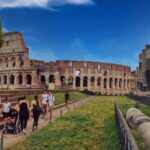
Go under Rome’s loudest roar. This private Colosseum tour aims you at the spots most people miss: the arena floor, the upper levels, and the underground chambers. I like that it bundles the big three of ancient Rome—Colosseum, Palatine Hill, and the Roman Forum—into one smooth day.
Two things really make it worth considering: you get time on the arena floor and upper levels while a guide explains what you’re looking at, and you also get access to normally restricted underground sections. One catch to keep in mind: underground access is weather- and authority-dependent, so if conditions don’t cooperate, you may swap walking below ground for a shorter viewing period on the arena.
In This Review
- Key highlights at a glance
- Entering the Colosseum: how your visit starts
- Underground chambers: the main reason to book
- Arena floor and upper levels: seeing the show machinery
- Palatine Hill: Roman power with room to breathe
- Roman Forum: political, religious, and financial Rome
- Private tour, real-life groups: what private means here
- Price and value: what you’re paying for
- Timing tweaks and how to protect your day
- Guide experience: when it’s excellent, you feel it
- Who this tour fits best
- Should you book it?
- FAQ
- Do I need ID for this tour?
- Where do we meet and where does the tour end?
- What parts of the Colosseum are included?
- Does this tour include Palatine Hill and the Roman Forum?
- Is it really a private tour?
- Are entrance tickets included?
- Are tickets tied to specific names?
- Can I bring a big backpack or luggage?
- What happens if it’s raining?
- What if underground chambers tickets are not available?
Key highlights at a glance
- Underground chambers access tied to Colosseum authority scheduling, with an archaeologist handling part of the visit
- Arena floor walk plus first and second floors, with skip-the-line style entry
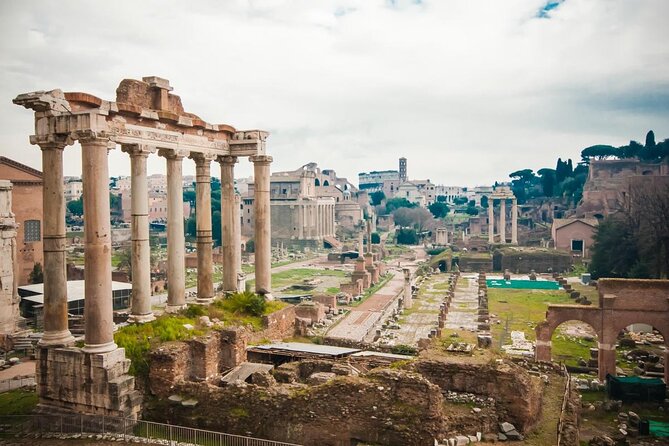
- Palatine Hill + Roman Forum on the same outing for a fuller Rome story
- Private tour feel, even though the underground portion may include a small group led by a local expert
- Guide quality matters: the experience rises or falls with how the guide handles routing, timing, and explanations
Entering the Colosseum: how your visit starts
This tour meets you in front of the Casa dell’Acqua at Piazza del Colosseo 58 (near the Metro area). You’re looking for a guide holding a sign that says TOURS OF ROME. The end point is the Colosseum itself at Piazza del Colosseo 1, so you’re not wandering all over Rome after.
Plan to arrive a little early. The Colosseum is one of those places where the line moves in bursts, and your timing depends on how smoothly the entry process goes. Your guide provides the tickets at the meeting point, but entry hinges on accuracy: Colosseum tickets are nominative, meaning the names must match your booking exactly.
One more practical note: luggage and large backpacks aren’t allowed inside the Colosseum. If you’re traveling with a daypack, keep it light and easy to manage.
You can also read our reviews of more private tours in Rome
Underground chambers: the main reason to book
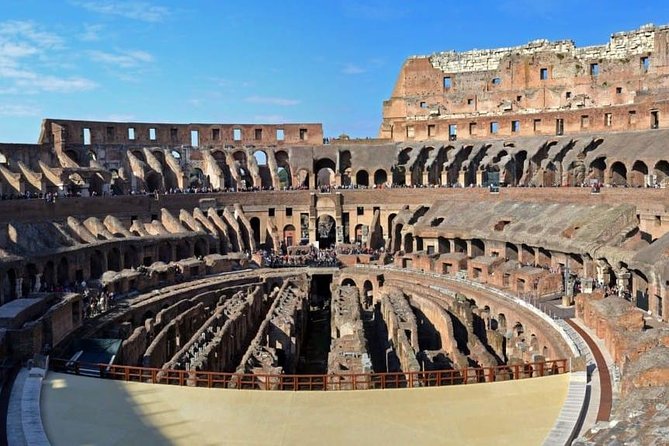
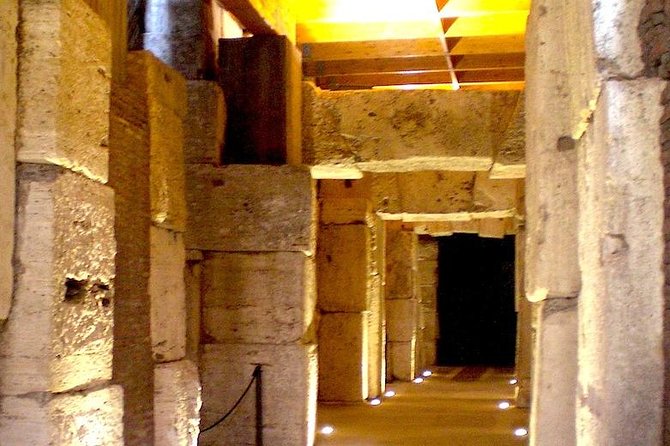
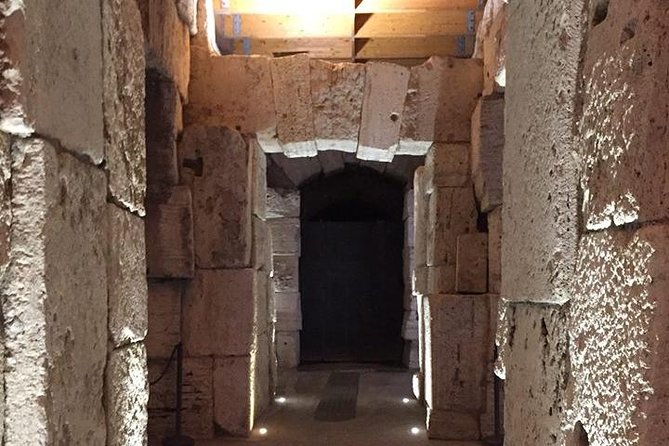
Let’s talk about the part people pay the premium for: the Colosseum Undergrounds. You’re not just getting a quick look. You’re going into the restricted areas tied to how the arena operated—access that isn’t part of the standard public route.
Here’s the important nuance. Due to restrictions by Colosseum authorities, the underground visit portion is conducted by a local expert archaeologist and will be in a group. That can feel slightly different from the rest of the tour (which is set up around your private group), but it’s also a good sign: you’re hearing from someone with specialized expertise, not just a standard guide reading off cue cards.
Also keep your expectations flexible. Underground access can be affected by rain. If dangerous weather makes it unsafe to walk inside the underground, you’ll be given 45 minutes on the arena floor to see underground sections from above rather than walking through them. That tradeoff isn’t ideal, but it’s better than canceling the day and losing your slot entirely.
Arena floor and upper levels: seeing the show machinery
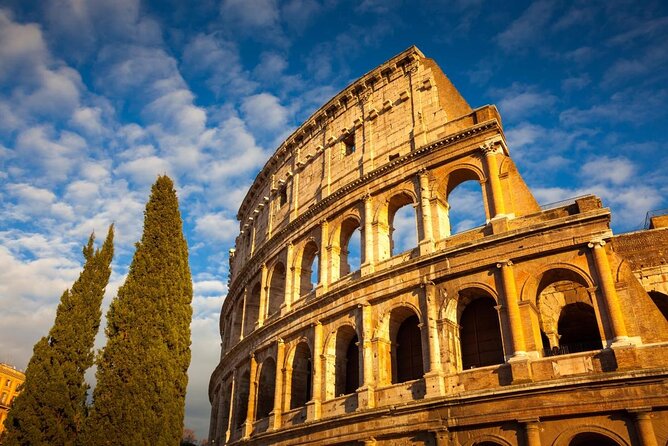
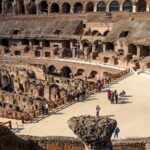
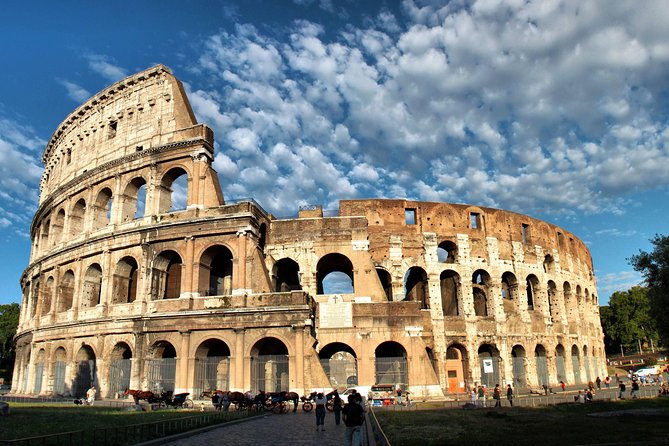
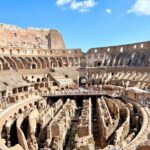
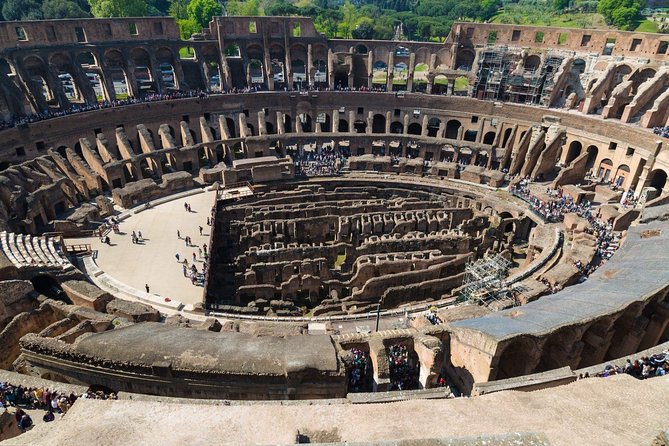
After the underground portion, you move through the arena experience and then up to the levels most visitors don’t fully explore. The tour includes the arena floor plus the first and second floors. In plain terms, this is where the Colosseum starts to make sense as a built system, not just an iconic ruin.
On the arena floor, you get a sense of the scale and layout—where performers would have stood, how the space changes when you’re down at the same level as the action. It’s one thing to look up at the seats. It’s another to feel the arena as a stage.
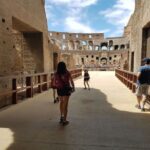
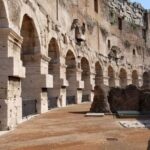
Upstairs on the first and second floors, your guide’s job becomes very visible: they connect what you see (arches, openings, sightlines, and structure) to how the building functioned. If you’re a history buff, this is the part that turns the Colosseum from photos into a real place with real movement.
One limitation to know up front: the third level and terrace are not accessible for the public on this tour. So if you’re chasing the highest public viewpoints, this isn’t the ticket for that.
Palatine Hill: Roman power with room to breathe
After the Colosseum, the itinerary moves to Palatine Hill, where Roman emperors once lived. Your stop here is shorter—about 30 minutes—but it’s timed well. You’ll get the hill’s big-picture story and then the payoff: the panoramic views.
Palatine Hill is one of those places where the ruins look dramatic even when you’re not standing in front of the most famous arch. The guide helps you connect what you’re seeing to why Rome’s leaders wanted this spot: status, visibility, and the center-of-government feeling that comes from being close to power.
If you’re traveling with kids or just tired of staring at stone, Palatine’s views are a mental reset. You can look out over Rome’s modern spread while your guide keeps tying it back to what came before.
Roman Forum: political, religious, and financial Rome
The Roman Forum stop is about 30 minutes, but it’s not just a walk-through. Your guide frames it as the hub of ancient life—political, religious, and financial. This is where you start to understand why the Colosseum mattered in the same city as courts, temples, and markets.
The Forum can feel overwhelming if you’re wandering on your own. Even with clear signage, it’s tough to picture how it all connected. With a guide, you get a storyline: who used the space, what happened there, and how the buildings relate to each other.
You end at the Colosseum, not the Forum area, so you won’t be stuck trying to route yourself across Rome afterward.

Private tour, real-life groups: what private means here
This is advertised as a private tour, and your group participates together. But because of how the Colosseum operates—especially underground—part of the experience can shift into a small-group format.
The clearest example is the underground chambers portion: the archaeologist-led segment is run as a group due to Colosseum restrictions. Outside of that segment, the rest is designed around your group’s pace and questions.
So if you’re the type who hates being folded into other people’s tour flow, know this upfront. It’s still worth it for many people because the underground segment is usually the highlight, and it’s also the part that benefits from specialized guidance.
Price and value: what you’re paying for
At $423.44 per person for an approximate 3-hour tour, this isn’t a budget move. The real question is what you get for the money.
Here’s the built-in value logic: the included Colosseum entrance ticket with arena access is listed as €24 per person, and there’s a €2 reservation fee. That means the remaining cost covers the guide experience and the services around making the day work—especially the underground access component and the reservation handling.
You’re also buying time. Colosseum visits are famous for lines and bottlenecks. This tour is structured to get you through the front door with reservations and guided timing, which is often the difference between an enjoyable morning and a day spent measuring your patience.
Is it worth the splurge? If you want the underground and you care about understanding what you’re seeing—not just walking and snapping—this kind of ticket can be a great use of your limited time in Rome.
Timing tweaks and how to protect your day
One thing I like about this tour is that it’s set up with authority-driven realities in mind. Underground start times can change depending on availability, and you’ll receive updates if that happens. Dangerous rain can also trigger a different underground plan.
Here’s how you protect your day without stressing out:
- Have a working cell phone on arrival so your contact is reachable fast. You’ll even get a specific emergency number: +393246968498.
- If you’re planning other tours that day (especially early ones), build buffer time. Start-time shifts are possible.
- Use a messaging app if needed (they mention iMessage, WhatsApp, and Viber), since quick contact matters.
Losing time in Rome is expensive. If your schedule is tight, treat this like the anchor activity.
Guide experience: when it’s excellent, you feel it
The best version of this tour is the one where the guide makes the Colosseum story click. Many guides described in feedback lean into social and political context, not just dates. Some also use visual aids (including time-lapse style explanations) so you can mentally reconstruct what the building looked like when it was alive.
A recurring theme is that guide energy affects the whole day. When a guide is comfortable with the routing and the underground handoff, the experience feels smooth and complete. When communication breaks down (for example, time changes that don’t reach you), the day can feel stressful and shorter than you expected.
So here’s my practical advice: confirm the meeting time and plan where you’ll stand. The meeting point is specific (Casa dell’Acqua area). Don’t gamble.
Who this tour fits best
This fits best if:
- You love Roman history and want a guided narrative instead of self-paced wandering.
- You’re specifically chasing underground access and arena-floor access.
- You want Colosseum plus Palatine Hill and the Roman Forum without juggling separate tickets and schedules.
It may feel less ideal if:
- You hate any group component (because the underground archaeologist-led segment can be group-based).
- You’re traveling on a very strict timetable with no buffer for start-time changes.
- You’re expecting third level/terrace access (not included).
Should you book it?
If you’re the type who remembers trips by what you understood—not just what you photographed—this is a strong pick. The underground chambers and arena floor are exactly the kind of access that can justify a premium ticket, especially if it helps you see the Colosseum as a functioning show machine tied to politics and daily Roman life.
Book it if you can handle some real-world variability (rain plan changes, authority scheduling) and you’re ready to bring the required government-issued photo ID that matches your booking names. If those conditions suit you, you’ll likely come away with a much clearer Colosseum and Forum story than the standard route.
If they don’t have underground tickets available or access gets canceled, you’ll be offered a fallback option or a refund, so keep your expectations flexible. In Rome, that flexibility often pays off.
FAQ
Do I need ID for this tour?
Yes. You must bring a valid government-issued photo ID (passport or driver’s license). The ID name needs to match the name used for the tickets.
Where do we meet and where does the tour end?
You meet at Casa dell’Acqua near Piazza del Colosseo 58, 00184 Rome. The tour ends at the Colosseum, Piazza del Colosseo 1, 00184 Rome.
What parts of the Colosseum are included?
This tour includes the Colosseum undergrounds, the arena floor, and access to the first and second floors.
Does this tour include Palatine Hill and the Roman Forum?
Yes. You visit Palatine Hill (where Roman emperors lived) and then the Roman Forum, guided.
Is it really a private tour?
It’s described as private with only your group participating, but the underground chambers portion is conducted by a local expert archaeologist and will be in a group due to Colosseum rules.
Are entrance tickets included?
Yes. The Colosseum entrance ticket with arena access is included, along with the Colosseum reservation fee.
Are tickets tied to specific names?
They are. Tickets are nominative, so you must provide the full names of all visitors when booking, and you need a voucher that matches.
Can I bring a big backpack or luggage?
No. Luggage and big backpacks are not allowed inside the Colosseum.
What happens if it’s raining?
If dangerous rain makes it impossible to walk inside the underground, you may receive 45 minutes on the arena floor to see underground sections without walking inside them.
What if underground chambers tickets are not available?
If underground tickets can’t be booked, you’ll be offered a normal Colosseum tour without the underground visit with either a partial refund or the tour may be canceled for a full refund.