REVIEW · HUE VIETNAM
Hue Imperial Ancient City Walking Tour
Book on GetYourGuide →Operated by Linh Nguyen · Bookable on GetYourGuide
Hue’s royal walls have a way of pulling you in. This Hue Imperial Ancient City walking tour makes the Nguyen Dynasty readable, using gates and palaces to explain how power actually worked in Central Vietnam. English-guided storytelling brings the setting to life, with a small group pace that helps the big UNESCO site feel human-sized.
I love two things most: first, the way the guide connects architecture to real moments, from ceremonial halls to the emperor’s private space. Second, the small-group format (just 10 participants max) keeps it conversational, with time to step aside, take pictures, and ask questions without feeling rushed.
One thing to plan for: this is a walking-focused visit inside a large complex, so bring water and expect sun and stairs. Also, the tour price is low, and tips are at your discretion, so have some cash ready if you want to show appreciation.
In This Review
- Key highlights worth showing up for
- Hue Imperial City in 150 minutes: why a guided walk is the smart move
- Meridian Gate (Huế): start where the power enters
- Thai Hoa Palace: the ceremonial main hall you can read with your eyes
- Dien Tho Palace: why the queen mother’s residence changes the story
- The Forbidden City: the emperor’s private world
- How the Nguyen Dynasty was built into the layout
- Pacing and breaks: comfortable walking, not a sprint
- Price and what $2 buys you in Hue
- Practical tips before you go (so the tour stays fun)
- Who this Hue Imperial City tour suits best
- Should you book the Hue Imperial Ancient City Walking Tour?
- FAQ
- What is the duration of the Hue Imperial Ancient City Walking Tour?
- Where do I meet the guide?
- What time does the tour run?
- Is the tour available in English?
- How big is the group?
- Is it wheelchair accessible?
- What should I bring, and is alcohol allowed?
Key highlights worth showing up for
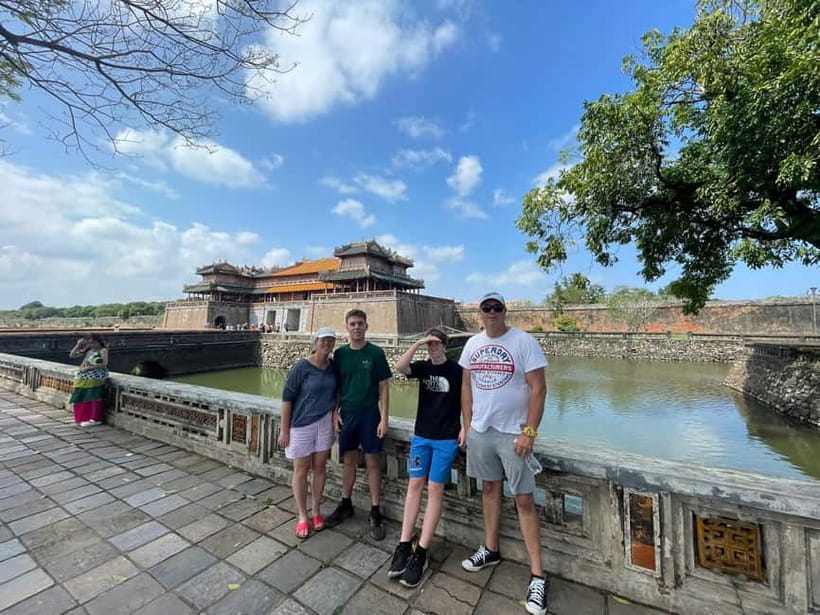
- Meridian Gate orientation so the whole layout makes sense fast
- Thai Hoa Palace ceremonial views with context for what happened there
- Dien Tho Palace and the queen mother as a window into inner court life
- Forbidden City areas where privacy and politics meet
- Small-group pacing capped at 10 people for easier questions and breaks
- English guide storytelling backed by helpful visual cues and clear explanations
Hue Imperial City in 150 minutes: why a guided walk is the smart move
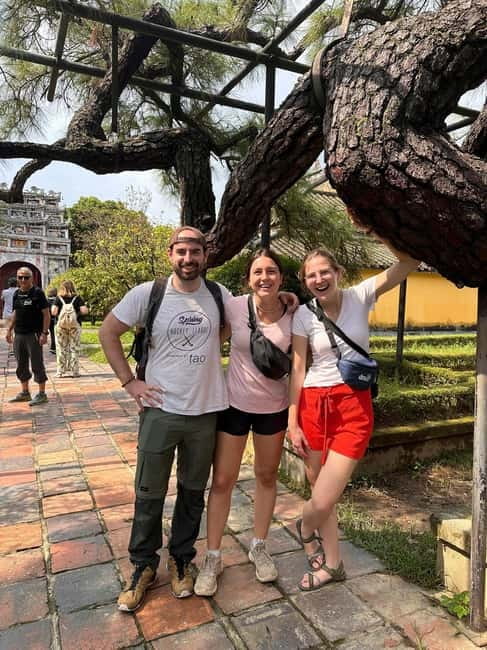
Hue Imperial City (the historic royal complex at the heart of Hue) can look impressive from the outside but confusing on your own. The walls are big, the doors have similar names, and signage can’t explain the logic of the design. A guide fixes that problem quickly by showing you how the citadel was planned to control movement, hierarchy, and daily routine.
This tour is a real value play. At $2 per person, you’re paying less than most coffee runs for an English-speaking guide for about 150 minutes. The catch is that it’s not a fixed-price, no-more-to-think experience. Tips are at your discretion, and you should also expect that some site-related costs may not be bundled, so budget a bit of extra cash just in case.
Your other advantage is the size. With only 10 participants max, the tour doesn’t feel like a parade. You can ask what something means, not just watch someone point and move on. The meeting is simple too: you start in front of the Imperial City ticket booth, with two daily options (9:00 AM and 3:00 PM), and you’ll be contacted beforehand to confirm the exact time.
You can also read our reviews of more walking tours in Hue Vietnam
Meridian Gate (Huế): start where the power enters
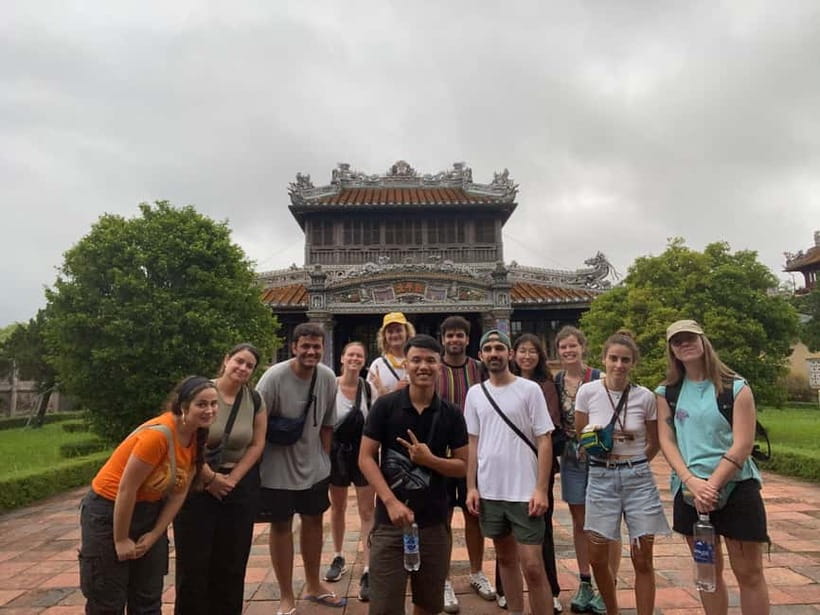
The Meridian Gate is the best place to begin, because it’s the main entrance and a built-in lesson. From the start, you’ll get help reading the site like a map: who would enter, how formality mattered, and how the royal complex used space to reinforce rank.
Here’s what I like about seeing it with a guide: you stop treating it like a pretty landmark and start treating it like a system. Gates aren’t just decoration in imperial architecture. They’re social technology—designed to slow people down, organize movement, and create the right level of ceremony.
You’ll also learn how the imperial city’s design links to the Nguyen Dynasty’s rule in Hue. That framing matters because later palaces and private areas start to feel connected, not random.
Thai Hoa Palace: the ceremonial main hall you can read with your eyes
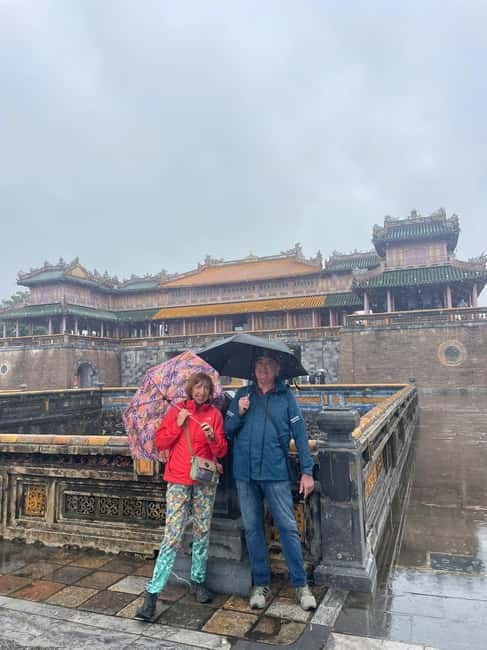
Next, you move into the heart of royal ceremony: the Thai Hoa Palace, described as the ceremonial main hall. On its own, a palace hall can be hard to picture in action. With a guide, you get the missing pieces—what kind of events took place, why this space mattered, and how the building’s layout shaped the mood of official moments.
Thai Hoa is where you’ll notice how architecture supports ritual. Even if you don’t remember every date, you’ll understand the big idea: the Nguyen court didn’t just rule. It performed rule—through halls, processions, and carefully staged settings.
If you’re the type who likes to take photos, this is also a great stop. You’ll be focused enough to shoot with purpose, not just aim your camera. And because this is a walking tour with short breaks and some time to look around, you won’t feel trapped in a single spot.
Dien Tho Palace: why the queen mother’s residence changes the story
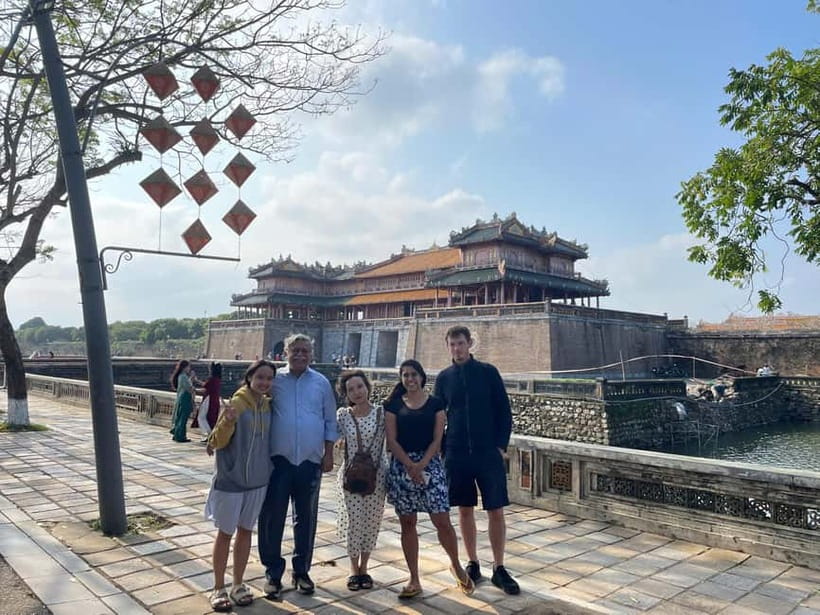
The tour includes Dien Tho Palace, the residence of the queen mother. This is where the visit goes beyond a straight list of emperors. It adds a different kind of power: not only who sat on the throne, but who influenced the household and court decisions from inside the inner world.
I like that this stop helps you understand daily court life. It’s not just battle dates and reign lengths. It’s customs, traditions, and how the family structure worked in a place built to protect authority.
If you’ve been wondering how royal life looked from the inside, Dien Tho gives you a strong clue. The setting feels designed for controlled living—measured movement, layered space, and privacy with rules.
The Forbidden City: the emperor’s private world
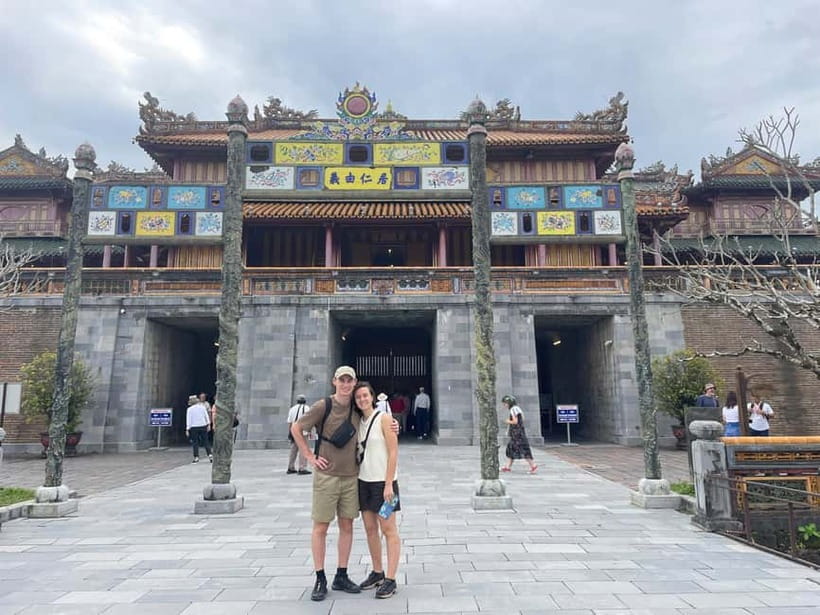
The name says it all: you’ll spend time in the Forbidden City, the emperor’s private area. Seeing it as part of a guided walk is key, because the site’s meaning can be missed if you treat it like a single building. The guide helps you connect it to how the court controlled access and maintained boundaries between public ceremony and private authority.
This is also where stories start to matter most. When you understand who had access, what was protected, and why certain spaces were kept separate, the walls stop looking like scenery. They start looking like boundaries—real, intentional, and political.
One practical bonus: the Forbidden City area helps you understand the larger complex design. You’ll begin to spot how each section supports a role in the imperial routine—public process, controlled inner court, and the more private zone where the emperor’s world unfolded.
How the Nguyen Dynasty was built into the layout
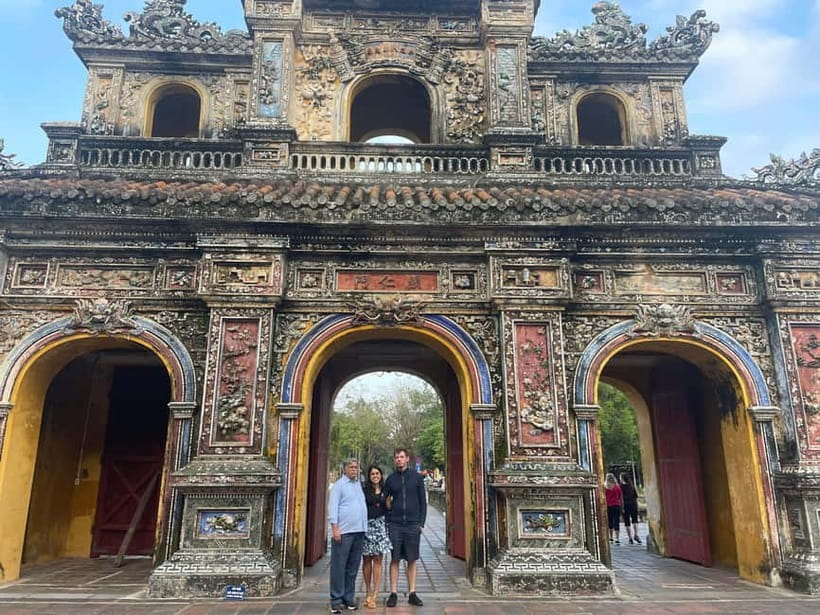
What makes this tour feel worth it is the way the guide ties everything back to function. You’re not just seeing gates and palaces. You’re learning how Hue’s imperial city was designed to work day to day.
The guide’s job here is storytelling with structure. Expect explanations that cover:
- how the imperial city was laid out and why gates mattered
- how palaces fit into ceremony and court life
- how daily routine of the royal family connected to the people of Hue
In plain terms, this kind of tour helps you connect Vietnam’s big historical themes to the physical space you’re standing in. That makes the complex easier to remember afterward, too.
I also appreciated that the guide often uses visual aids like photo prompts to show how the area looked across periods. That kind of comparison helps your brain stop treating the citadel as frozen in time.
Pacing and breaks: comfortable walking, not a sprint
The tour runs for about 150 minutes, and that time is handled in a way that respects the fact that this is a big site. The group is small, and the guide typically checks in with the pace. Many people end up surprised by how fast the time goes because each stop has a reason, not just a label.
You should still plan for walking. This is inside a large complex, with heat and sun that can build quickly. The tour includes a couple of built-in chances to regroup, use a restroom, and step aside. You’ll also get some time to walk around certain parts on your own briefly, which helps you take in details without losing the thread of the story.
If you’re thinking about comfort and mobility: the experience is listed as wheelchair accessible, which is great to know. Still, you’ll be on your feet for a walking-style tour, so if you need a slower pace, ask about what route segments are most manageable.
Price and what $2 buys you in Hue
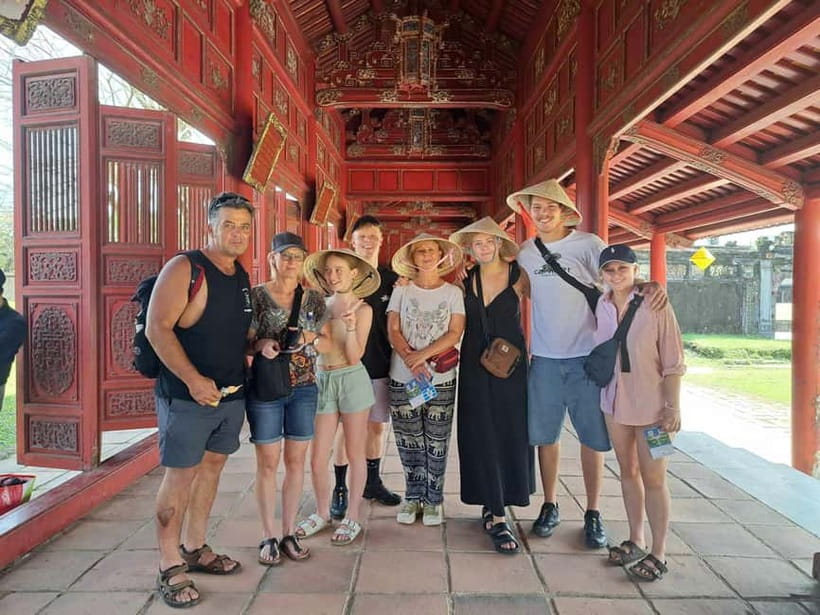
Let’s talk value honestly. $2 per person is almost shocking for a guided, English-language tour inside one of Vietnam’s most important historic complexes. The only way it makes sense is that the experience expects tips at your discretion, and it likely isn’t trying to turn the site visit into a premium priced product.
So here’s how you can think about the math:
- You’re paying for expert context, not for a fancy show
- You’re paying for a guide who can answer questions on the spot
- You’re paying less than you’d expect, so tipping is part of the real exchange
If you want a smooth experience, bring a bit of cash for tipping. Some guides also share practical suggestions at the end, like what else to see in the Hue area and where to find local food you’ll actually enjoy. One example from guides in this tour: recommendations for Hue specialties like Bún bò Huế, and advice on tomb visits beyond the ones you might already have planned.
Practical tips before you go (so the tour stays fun)
Do the basics and you’ll enjoy this tour a lot more.
Bring:
- Sunscreen
- Water
Wear:
- comfortable walking shoes (this is a walking-focused experience)
Know the rules:
- No alcohol or drugs during the tour
Money basics:
- plan for a tip at the end (discretionary, but it’s expected in practice)
- also consider that you may need extra cash for any site entry costs not included in the tour price
Communication:
- you’ll want a valid WhatsApp or Vietnamese phone number so the meeting time can be confirmed and you don’t miss the start
Who this Hue Imperial City tour suits best
This is a strong match for:
- first-timers in Hue who want the site explained in a logical order
- travelers who like history but also want it tied to what they see in front of them
- couples, solo travelers, and small families who prefer a small-group feel
It can be less ideal if:
- you don’t like walking through large complexes
- you want a completely self-guided experience with no explanations
If you’re the kind of person who reads a museum label and still wants a human to connect the dots, you’ll likely be happy you booked this.
Should you book the Hue Imperial Ancient City Walking Tour?
Yes—if your goal is to understand Hue’s royal complex, not just take photos of it. For the price, you’re buying a guide-led explanation that makes the Meridian Gate, Thai Hoa Palace, Dien Tho Palace, and Forbidden City feel like one connected story instead of separate stops.
I’d book it early too. Spots are limited to 10 participants, and larger groups aren’t accepted above 6 people, even if separate reservations are made. If you can fit your schedule into either the 9:00 AM or 3:00 PM slot and you’re ready for a couple hours of walking, this tour is a smart, high-value way to see Hue at its most meaningful.
FAQ
What is the duration of the Hue Imperial Ancient City Walking Tour?
The tour lasts 150 minutes (about 2.5 hours).
Where do I meet the guide?
You meet in front of the Imperial City ticket booth.
What time does the tour run?
Tours meet at 9:00 AM and 3:00 PM.
Is the tour available in English?
Yes, the live tour guide provides the tour in English.
How big is the group?
The group is small, limited to 10 participants.
Is it wheelchair accessible?
Yes, the experience is listed as wheelchair accessible.
What should I bring, and is alcohol allowed?
Bring sunscreen and water. Alcohol and drugs are not allowed.