REVIEW · LISBON
Jewish Sephardic Heritage Essence 10H – Private Tour from Lisbon
Book on Viator →Operated by Essência da Latitude Turismo Lda · Bookable on Viator
A border drive, then five stops that connect Spain and Portugal. I love that it’s a true private tour with time for your questions, and I also love the mix of places that show Sephardic life before and after expulsion—starting at Valencia de Alcántara and ending at Castelo de Vide. One thing to plan for: it’s a long day with hilltop medieval towns, so comfortable walking shoes matter.
You’ll also get the practical perks that make this kind of cross-border history day work in real life: a hotel pickup in the Lisbon area, round-trip transfers, and an air-conditioned mini van with fresh water. The history can be heavy at times, because the story of Jews in Iberia includes forced change and displacement.
In This Review
- Key things you’ll notice on this tour
- The big idea: Sephardic heritage across a real border
- Lisbon pickup and the road to Valencia de Alcántara
- Valencia de Alcántara: synagogues and Reconquista-era crossroads
- What to watch for here
- Torre da Portagem: the border route after the Alhambra Decree
- A practical tip
- Marvão: hilltop fortresses and a Jewish presence in the Middle Ages
- The only real drawback here
- Castelo de Vide Synagogue: what’s preserved when the building is gone
- How to get more out of it
- Inside Castelo de Vide: castle walls and evidence of a community
- What makes this tour good value at $390.37 per person
- The one cost you should plan for
- Transportation, comfort, and pacing: how the day really feels
- Who this tour suits best (and who might want something else)
- Should you book Jewish Sephardic Heritage Essence 10H?
- FAQ
- What time does the tour start?
- Is pickup from Lisbon and nearby areas included?
- How long is the tour?
- What’s included in the price?
- Are entrance fees included?
- Can I get a full refund if my plans change?
Key things you’ll notice on this tour
- Private guide time: one group means your pace, your questions, and fewer rushing moments.
- Spain + Portugal in a single day: start near the Portuguese border, then track the route to safety.
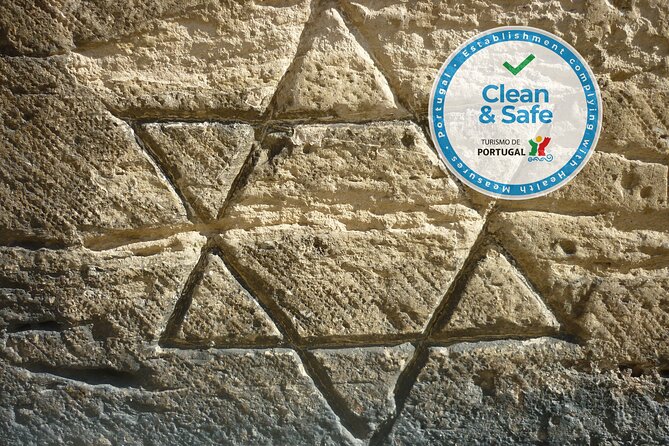
- Real place names tied to Sepharad: Valencia de Alcántara, Portagem, Marvão, and Castelo de Vide.
- Walking is part of the deal: hilltop medieval streets mean you’ll want shoes you can trust.
- A guide who works the details: Daniel’s English was strong, with clear explanations and helpful translation when needed.
The big idea: Sephardic heritage across a real border
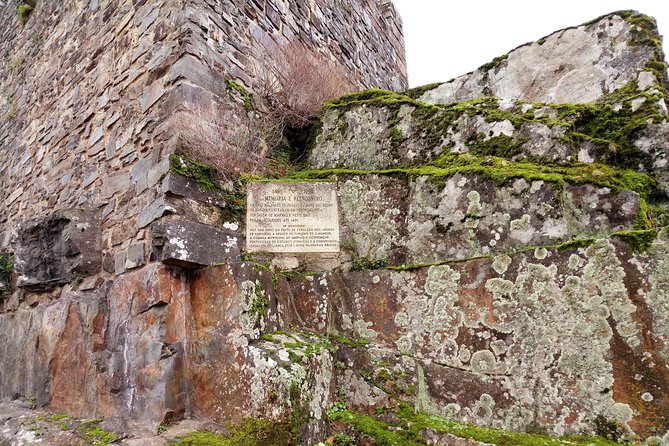
This is the kind of tour that helps you see how history wasn’t just written in books—it was lived in towns, synagogues, castle walls, and border crossings. The whole day moves through places tied to Sephardic Jewish life and the later rupture that came with the expulsion from Spain.
In Portugal, people often talk about tolerance, but the story here is more complicated and more human. You’ll learn why certain communities ended up here, how routes shaped survival, and how traces of Jewish presence remain even when buildings are gone or altered.
Because it’s private, you’re not stuck with a one-size-fits-all script. If a topic catches your interest—Reconquista-era change, the Alhambra Decree, or what daily community life looked like—you can steer the conversation and ask for clearer context.
You can also read our reviews of more private tours in Lisbon



Lisbon pickup and the road to Valencia de Alcántara
Your day starts at 8:00 am, with pickup offered for central Lisbon/Sintra/Cascais hotel areas and also the cruise terminal or Lisbon airport. That’s a big deal: you spend less time figuring out transport and more time on-site, where the story actually makes sense.
From Lisbon, you’ll drive for about 2 hours and 45 minutes to Spain, reaching València d’Alcántara in Extremadura. Even though the day isn’t just “driving,” this transfer sets the mood. You’re heading to a borderland town whose history was shaped by who controlled territory and where people could move.
The tour uses an air-conditioned mini van and includes fresh water. There’s also baggage guidance—transport is limited to four medium-sized suitcases—so keep that in mind if you’re traveling with more luggage than a typical day-to-day setup.
Valencia de Alcántara: synagogues and Reconquista-era crossroads
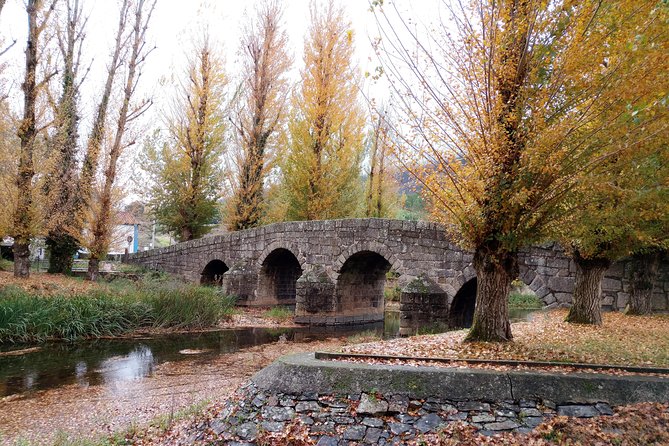
Your first major stop is València d’Alcántara, a medieval town with deep roots because of its position near the Portuguese border. In this place, you get a clear sense of how borders can change everything: kingdoms expand, rules shift, and communities adapt.
València d’Alcántara matters for this topic because it’s described as having once had a thriving Jewish community during the medieval period. The town also has a connection to the Reconquista, when Christian forces reclaimed territory from Muslim rule. That bigger political story isn’t abstract here; it’s tied to where people lived and what institutions existed.
One highlight in town is the Sephardic Synagogue. It’s listed as a stop where the admission ticket is free, so you can focus on the meaning without feeling like you’re constantly budgeting for entrances. Even if you’re not a synagogue-history specialist, this is a strong starting point because it anchors the day to Jewish community space—worship and community life in one.
What to watch for here
- You’ll likely be walking through historic streets in a medieval setting, not a modern museum.
- Since this is a first stop, it helps to pay attention to the guide’s timeline so later stops connect smoothly.
Torre da Portagem: the border route after the Alhambra Decree
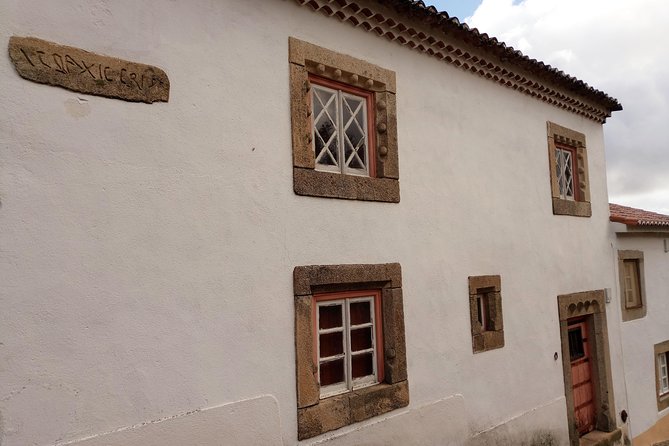
After Spain, you cross back into Portugal and shift from “who lived here” to “how people made it out.” The stop at Portagem focuses on the movement of Spanish Jews seeking safety.
This part is tied to the Alhambra Decree in the late 15th century, which triggered the expulsion of Jews from Spain. Many then looked toward neighboring Portugal, hoping for a better chance at survival and acceptance. Portagem, close to the border, becomes a kind of historical checkpoint: a place where escape and hope met geography.
Today, Portagem preserves traces of that history, including remnants of ancient pathways and possible structures that could have supported people fleeing. You’re not just reading about resilience—you’re standing near the physical reminders of that movement.
This is also where the private format helps. When the story involves forced change, it helps to ask your guide what changed and when, and how Portugal’s role fits into the bigger Iberian picture. The guide can slow down the timeline and explain what you’re looking at.
You can also read our reviews of more historical tours in Lisbon





A practical tip
Keep an eye on the pace of the group here. The stop is brief (listed around 20 minutes), so if you want deeper explanations, ask for them early rather than hoping you’ll have time later.
Marvão: hilltop fortresses and a Jewish presence in the Middle Ages
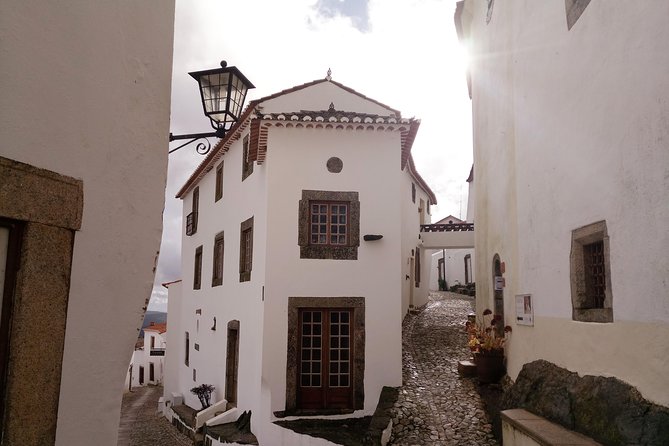
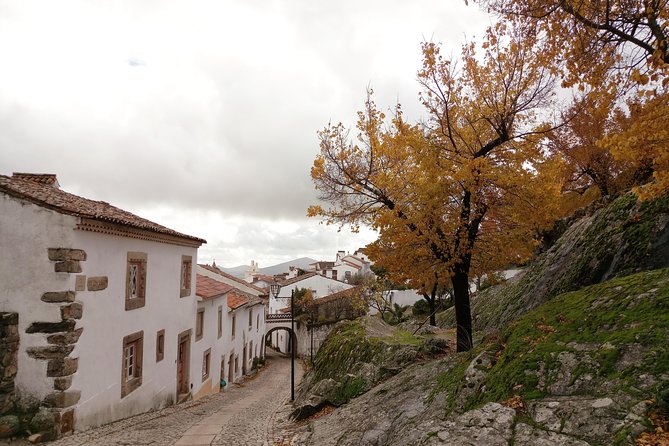
Next comes Marvão, perched high in Portugal’s Alentejo region. This is one of those towns where the setting does half the work. The hilltop location made it useful as a defensive stronghold, and the strategic position near Spain shaped how the area developed.
Marvão has roots going back to Roman times, but the medieval period is the focus here. Like many Iberian places, it’s described as having a notable Jewish population during the Middle Ages, which matters because it puts Jewish life into the framework of ordinary town life—neighbors, commerce, and community—rather than only focusing on persecution.
Because the day is built around Jewish heritage, this stop gives you a broader geographic view of where Sephardic communities lived across the region. You’re not stuck in a single town’s story. You’re seeing a pattern: communities formed in defensible places and in border zones where survival mattered.
The only real drawback here
You should expect some walking and uphill terrain. Even if the time on-site is around 1 hour, medieval streets can feel longer than you expect. If your shoes are slick or uncomfortable, you’ll feel it by the second or third stop.
Castelo de Vide Synagogue: what’s preserved when the building is gone
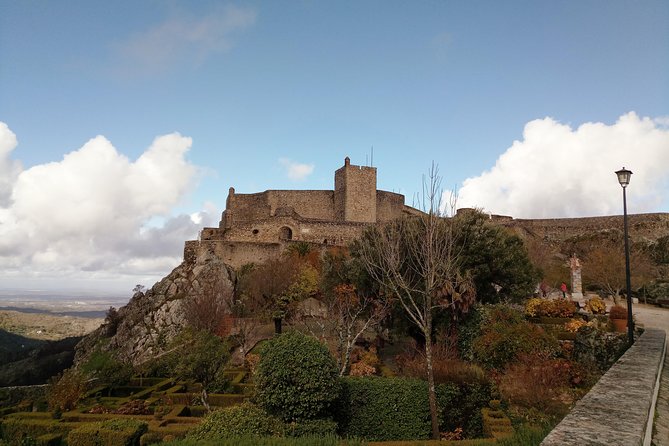
After Marvão, you move to Castelo de Vide, where the focus turns specifically to synagogue heritage. The stop at the Castelo de Vide Synagogue gives you a poignant look at how Jewish worship space can survive as memory and interpretation even when the original structure isn’t intact.
The information shared here is that while the synagogue may no longer exist in its original form, efforts are made to preserve and interpret its historical significance. That’s important. It means you can still learn from the place and from what’s been conserved, even when history has physically moved on.
This is the kind of stop that works well for families and history-minded adults alike, because the guide can explain what you’re seeing now—then connect it to what the community needed then: a place of worship and community gathering.
The time here is listed around 1 hour, so you get enough chance to understand the context without feeling like you’re sprinting.
How to get more out of it
If you’re interested in the day’s big theme—how people lived, then what changed—ask your guide to connect this synagogue stop back to the earlier border route at Portagem. That link makes the day feel less like separate sightseeing and more like a story with cause and effect.
Inside Castelo de Vide: castle walls and evidence of a community
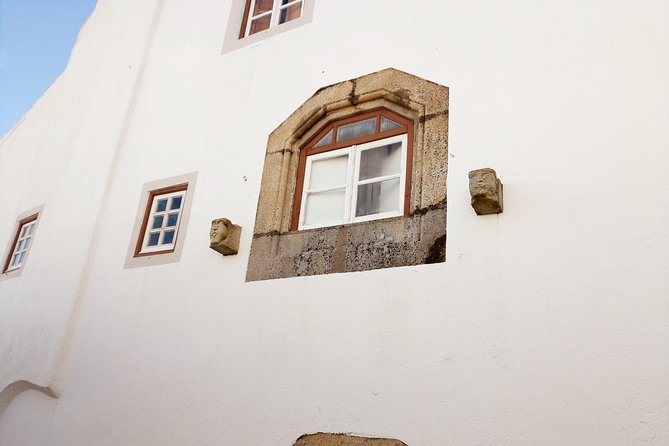
Your final stop also centers on Castelo de Vide, this time inside the medieval castle walls. The idea here is to show you evidence of a substantial Jewish presence in the area, and to highlight a period described as one of harmony and coexistence with the local Portuguese community.
That doesn’t mean everything was perfect. It means you’re seeing the other side of the narrative: not only expulsion and fleeing, but also the lived reality of community life—relationships with neighbors, shared space, and how towns function when more than one group calls them home.
Time at this last stop is listed around 30 minutes, so this is your chance to absorb the day’s final visuals. By now, you’ll likely recognize recurring themes: borders, defensive towns, religious spaces, and the way geography shaped what was possible for Jewish communities.
If you’ve got questions at the end, this is a good moment to ask. The guide is still present and able to tie loose ends, especially if something from earlier stops felt confusing.
What makes this tour good value at $390.37 per person
At $390.37 per person, this isn’t a budget sightseeing bus. But it’s also not just a ticket price for “getting from A to B.” You’re paying for a full-day private experience, with hotel/airport pickup and drop-off, an air-conditioned mini van, and a full-time driver/guide.
That matters if you value time. Cross-border history days can turn into logistics headaches if you DIY them. Here, your day is timed to start at 8:00 am, includes travel planning, and builds in short on-site stops so you see several meaningful places without spending hours on transit.
The private format is also where value becomes personal. This is the sort of itinerary where you’ll get more from the explanation if you can ask follow-ups. One review highlighted Daniel’s ability to translate and explain clearly, and how questions were encouraged. That makes the difference between seeing a list of sites and actually understanding what they meant.
The one cost you should plan for
The tour does not include food and drinks unless specified, and it notes that entrance fees are not included (even though several sites are marked with free admission tickets in the schedule). You’ll want to budget for at least one meal and a drink, and keep gratuities in mind since those are also not included.
Transportation, comfort, and pacing: how the day really feels
The experience is private, so only your group rides together. That’s helpful for comfort and timing, especially when you’re moving through small historic towns where parking and walking routes can be tight.
The van has basic rules: no smoking or eating inside. There’s fresh water, which is a small thing that helps a lot on a long day. There are also comfort stops as needed, which keeps the day from feeling like a straight-line march.
Dress code is smart casual, but the real rule is simple: wear comfortable clothing and shoes. The schedule includes hilltop and medieval settings, and you’ll be walking on streets that are not designed for modern strolling.
If you’re someone who likes to take photos while walking, you can probably do it. Just remember: the day is long enough that you’ll want to keep energy for the key stops—especially synagogues and viewpoints.
Who this tour suits best (and who might want something else)
This fits best if you:
- Care about Jewish Sephardic heritage in Spain and Portugal, and want the story told through place names.
- Like guided explanation more than self-guided wandering.
- Prefer private pacing and the ability to ask questions instead of racing a group.
- Are comfortable with long travel days and short, varied stops.
You might consider a different type of tour if you:
- Want a relaxed day with minimal walking.
- Need frequent long breaks, since the day is built around multiple towns and short on-site times.
- Have very limited mobility, since hilltop medieval areas suggest uneven streets and stairs may appear.
Should you book Jewish Sephardic Heritage Essence 10H?
If you want one solid, cross-border day that connects Sephardic heritage across Portugal and into Spain, this is a strong choice. The private format and the way the day ties synagogues and border routes together makes it feel like more than sightseeing.
Book it if you’re interested in how history left physical traces: a synagogue stop where meaning still exists, a border checkpoint story tied to the Alhambra Decree, and castle-walled evidence of a community’s presence.
Don’t book it if you only want low-walking, minimal-transfer sightseeing. This is a history route with real distance and some hills.
FAQ
What time does the tour start?
The tour start time is 8:00 am.
Is pickup from Lisbon and nearby areas included?
Yes. Pickup and drop-off are included for central hotels in Lisbon, Sintra, and Cascais, plus the Lisbon cruise terminal and Lisbon airport (you just need to inform the pickup location).
How long is the tour?
The duration is about 10 hours.
What’s included in the price?
Included items are a private tour in an air-conditioned mini van, a driver/guide for the full trip, fresh water, and pickup/drop-off for the listed locations.
Are entrance fees included?
No. Entrance fees are not included, though several stops are shown with free admission tickets.
Can I get a full refund if my plans change?
Yes, you can cancel for a full refund if you cancel at least 24 hours before the experience’s start time.