REVIEW · LISBON
Private Lisbon-Arrábida Wine Tour: 3 Wineries, Coast & Heritage
Book on Viator →Operated by YesExperiences Portugal · Bookable on Viator
One day, three wineries, and sea views. I like this tour for the fresh oysters at Setúbal’s Mercado do Livramento and the chance to watch azulejo tile-making in Azeitão; just plan around the fact that the market is closed on Mondays.
The rest of the day is built for an easy route out of Lisbon: private pickup options, air-conditioned transport, and multiple wine tastings across the Setúbal Peninsula. That combination is why it’s popular, with an overall rating of 4.9 and 97% of bookings recommending it.
In This Review
- Key things that make this tour work
- Setúbal and Arrábida: why this beats a Lisbon-only wine afternoon
- Pickup and route logic: low-stress logistics out of Lisbon
- Mercado do Livramento in Setúbal: oysters, tiles, and serious seafood variety
- Arrábida Natural Park: coast views without the effort of planning
- Azulejos de Azeitão tile factory: the craft stop that people remember
- Winery day: how three stops turn into a real wine story
- Stop type A: José Maria da Fonseca (one of the possible winery options)
- Stop type B: Quinta de Catralvos in Azeitão (typically included)
- Stop type C: Quinta do Piloto (another possible winery option)
- Other possible winery options (depending on the day)
- Azeitão lunch and free time: where your schedule loosens
- Sesimbra Castle or Cristo Rei: two viewpoints, different kinds of history
- Castelo de Sesimbra
- Santuario Nacional de Cristo Rei
- Scenic road stops while moving across the Tagus
- Price and value: is $156 a good deal for this kind of day?
- Who should book this tour (and who might not love it)
- How to prepare so you enjoy every stop
- Should you book the Lisbon–Arrábida Private Wine Tour?
- FAQ
- What is the duration of the private Lisbon–Arrábida wine tour?
- What tastings are included in the tour?
- Does the tour include pickup from Lisbon and nearby areas?
- Is the Mercado do Livramento included on every day?
- Are Cristo Rei and Sesimbra Castle part of the itinerary?
- Is lunch included in the price?
Key things that make this tour work

- Mercado do Livramento + oysters: a short market stop that turns into a real food-and-local-life education.
- Tile factory in Azeitão: you’ll see how Portuguese tiles have been made since the 16th century.
- Three winery visits: a mix of family estates and bigger producers, with tastings of reds, whites, and Moscatel.
- Arrábida coastline views: a scenic drive break in Parque Natural da Arrábida.
- Heritage add-ons: Cristo Rei or Sesimbra Castle can fit depending on the day’s cultural stops.
Setúbal and Arrábida: why this beats a Lisbon-only wine afternoon
Lisbon is great, but it’s not the best place to understand Portuguese wine culture up close. This tour points you toward the Setúbal Peninsula, where you can pair wine with coast, markets, and centuries-old craft.
What I like is that the day has two speeds: you get structured time for tastings, then you get scenic breaks to reset your brain. That matters on a long day, because wine days can turn into a blur if the route is badly planned.
You can also read our reviews of more private tours in Lisbon



Pickup and route logic: low-stress logistics out of Lisbon
If you’re staying in Lisbon (or nearby), pickup can be the difference between enjoying the day and rushing it. The private option offers pickup and drop-off anywhere in Lisbon, Almada, Sesimbra, or Setúbal, including hotels, apartments, Airbnbs, the Port of Lisbon cruise terminal, and Lisbon Airport.
You’re traveling by private transportation in an air-conditioned vehicle, which is a big comfort win when you’re bouncing between Setúbal-region stops. Guides also help with timing so you’re not waiting around for the next tasting while hunger grows teeth.
One small note: there’s also a small-group option with a meeting point at Hard Rock Cafe Lisbon. That’s only relevant if you’re booking the cheaper variant and expecting hotel pickup.
Mercado do Livramento in Setúbal: oysters, tiles, and serious seafood variety

This is one of those stops that makes people stop thinking like tourists and start thinking like locals. Mercado do Livramento is known as one of the best fresh markets in the world, and it really shows.
You’ll spend about 30 minutes here, with an admission ticket included. The food focus is practical: fresh fruits and vegetables, plus seafood that runs the gamut—from pastries and cheeses to the seafood that really gets attention: fresh oysters.
The market is decorated with traditional Portuguese tiles, so even this short stop connects to the craft theme later in Azeitão. And yes, it’s worth treating this like a mini-excursion, not just a photo stop.
How to enjoy it more: if you plan to taste, pace yourself. Oysters and cheese can be perfect now, and heavy later if you keep snacking through the wine tastings.
Arrábida Natural Park: coast views without the effort of planning

After Setúbal, the tour shifts gears toward the Parque Natural da Arrábida. You’ll get about 30 minutes here, and most of the value is the drive-and-view rhythm: mountains framing the sea, plus classic Arrábida coastline angles.
This is the moment when the trip stops feeling like a checklist. It also helps your wine experience, because you’re reminded what these grapes and producers are tied to—coastal weather, terrain, and the broader Setúbal region.
If you’re someone who gets bored by “scenic drives,” this one still earns its place. The coastline views are short and timed, not a long bus ride that eats your day.
Azulejos de Azeitão tile factory: the craft stop that people remember

The tile factory is the part that comes up again and again in standout feedback. One traveler called it the best part of the day, and another said the artisans at work were fascinating.
You’ll visit Azulejos de Azeitao for a guided tour of the traditional tiles factory, with about 30 minutes on site and an admission ticket included. The big point here isn’t shopping. It’s seeing the technique and understanding why these patterns matter.
Portuguese tiles—azulejos—have been made since the 16th century, and this stop connects that tradition to what you see on Lisbon streets and beyond. It’s an easy cultural win that doesn’t require you to be an art person first.
Souvenir tip: the tiles you buy at the end are usually the kind you’ll actually display. They’re not just a “memory object.” They feel like something made by someone with patience.
You can also read our reviews of more historical tours in Lisbon






Winery day: how three stops turn into a real wine story

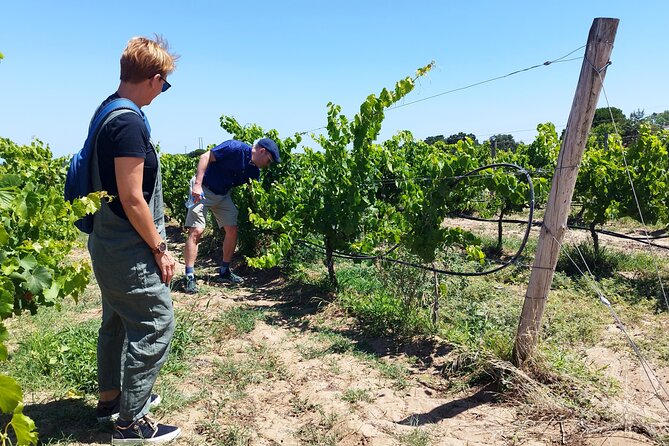
The tour is built around three winery visits, with tastings that cover reds, whites, and Moscatel. In addition to the wineries, you’ll also get tastings tied to Azeitão’s food culture—especially cheeses and Moscatel-style dessert wine.
What makes the winery selection smart is variety. The day mixes prestige-style producers and family estates, so you’re not just repeating the same tour in three different locations.
Also, guides matter here. Reviews frequently mention specific guides by name—Diogo (called a sommelier), Nuno, José, João, Miguel, Antonio, and Helena—so you’ll likely get a host who can explain what you’re tasting in plain language.
Stop type A: José Maria da Fonseca (one of the possible winery options)
One of the winery options is House & Museum José Maria da Fonseca, a producer with roots going back to 1834 and family winemaking across generations.
This stop runs about 45 minutes with an admission ticket included. Expect a tour plus tastings, with a focus on their table wines and Moscatel production.
If you like the idea of seeing a producer that’s both old-school and structurally important in Portuguese wine, this is a great match.
Stop type B: Quinta de Catralvos in Azeitão (typically included)
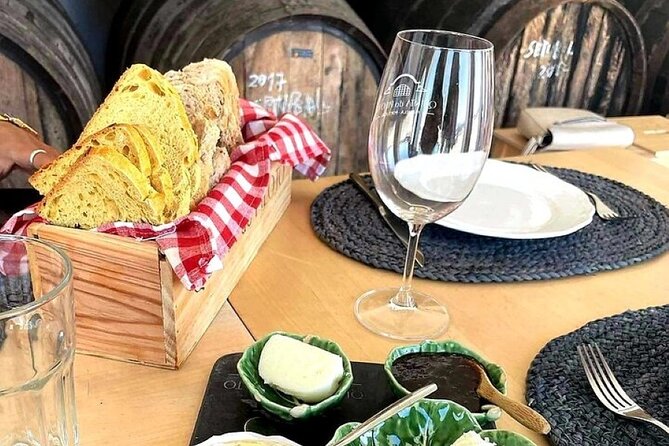
Farm Catralvos at Quinta de Catralvos is where the day gets hands-on and food-paired. You’ll get around 45 minutes, and the tasting includes at least five glasses of wine paired with local bites.
A standout detail here is the Azeitão pairing: buttery cheese, handmade jam, and Moscatel dessert wine. That combination makes Moscatel easier to understand, because you taste it with the region’s flavors, not just on its own.
Stop type C: Quinta do Piloto (another possible winery option)
Quinta do Piloto is another option on the itinerary. You’ll typically spend about 30 minutes here with an admission ticket included.
This stop is described as tradition meeting innovation, with a tour of vineyards and production facilities followed by a tasting meant to show how terroir shows up in the glass.
Other possible winery options (depending on the day)
There are also additional winery options that may appear depending on scheduling and availability:
- Adega Coop. de Palmela (about 30 minutes, tour + tasting)
- Bacalhôa Vinhos de Portugal / Quinta da Bacalhôa (about 45 minutes, modern tour plus an art component)
If you’re picking between wine-tour styles, these differences matter. Bacalhôa is the most “conceptual” with wine and art together, while a co-op-style stop can feel more community and production-focused.
Reality check on the day: the itinerary has options listed for some winery stops, so don’t assume every name will appear on your date. The three-winery structure stays the same, but the specific producers can vary.
Azeitão lunch and free time: where your schedule loosens

After the wineries start piling up, Azeitão gives you breathing room. The plan includes lunch time at a local restaurant and free time in the wine village of Azeitão.
Important: lunch is not listed as included. This matters for budgeting, especially because wine tastings can already make you feel like you’ve eaten. Plan on paying for your meal when you get there, and use the free time to walk slowly rather than try to “win” the village.
If you want one practical strategy: treat lunch as a reset. Have something hearty, then enjoy a slower stroll so the next winery doesn’t feel like a second meal crash.
Sesimbra Castle or Cristo Rei: two viewpoints, different kinds of history
This is where the tour adds heritage and big views, and the choice can depend on the day’s cultural stops.
Castelo de Sesimbra
Sesimbra Castle is the seaside medieval option. You’ll get about 15 minutes here, with an admission ticket included.
It’s described as the last medieval castle still standing by the sea, positioned on a hill above Sesimbra. It includes a view over the Atlantic and a look at walls and towers linked to Moorish-era roots and later defensive use.
This stop works well if you like older fortifications and want your day to end with salt-air drama.
Santuario Nacional de Cristo Rei
Cristo Rei is the Lisbon-on-the-water viewpoint. It’s about 15 minutes with an admission ticket included.
You’ll be across the Tagus from Lisbon, with panoramic views as you ascend toward the monument. It’s also framed as a spiritual symbol tied to faith and unity, and the vibe is more reflective than fortress-like.
Scenic road stops while moving across the Tagus
As part of the route, the itinerary also mentions:
- the Portuguese Golden Gate view point overlooking Lisbon and the Tagus River
- a major Tagus bridge built in 1998, described as the second biggest bridge in Europe and 17 km long
These are mostly photo-and-view interruptions. They’re short, but they help break up a long day between food and wine.
Price and value: is $156 a good deal for this kind of day?
$156 per person can feel steep until you add up what’s being handled for you.
You’re paying for:
- pickup and drop-off (private option)
- private air-conditioned transportation
- a certified local guide
- entry and tastings tied to multiple stops
- market access, tile factory access, plus winery tastings covering multiple wine styles
For many people, the value is less about “how many places” and more about “how smoothly you move.” If you tried to build this on your own, you’d need to coordinate a market visit, a tile factory tour time, winery tour reservations, and then deal with the logistics of getting from place to place across Setúbal.
Where you should be honest with yourself: if you hate long days, this tour may feel like a lot. The format is packed by design, so you’ll want to be ready for a full itinerary rather than expecting a slow, flexible afternoon.
Who should book this tour (and who might not love it)
This tour is a strong fit for:
- wine lovers who also want regional food context (oysters, cheese, Moscatel pairings)
- people who like cultural stops that aren’t just museums
- anyone who wants Lisbon to feel like a base for exploring the Setúbal Peninsula, not a cage
It might not be the right match if:
- you want only wine and nothing else
- you get cranky when days run tightly scheduled
- you prefer very quiet, unstructured time (this day moves)
One small caution from real feedback: a few people mentioned the tour can feel packed and that timing or communication can depend on the guide assigned. Names mentioned include Diogo, Nuno, José, João, Miguel, Antonio, and Helena, and most comments praise their care and pacing, but like any day-trip service, consistency can vary by team member and traffic.
How to prepare so you enjoy every stop
Bring:
- a light layer for coastal wind (Arrábida can feel cooler than Lisbon)
- comfortable shoes for markets, winery grounds, and any castle walking
- a small plan for hydration and rest, because wine tastings stack up fast
Do:
- ask your guide to point out what you should taste first at each place
- treat the tile factory as a craft lesson, not only shopping time
- budget for your lunch in Azeitão since it’s set aside for a traditional meal at your expense
Don’t:
- try to buy and snack endlessly at the market if you want to enjoy the wine tastings afterward
- assume every winery option appears on every date, because some stops are listed as choices
Should you book the Lisbon–Arrábida Private Wine Tour?
Book it if you want a day that connects wine, food, and regional culture in a way that’s hard to assemble yourself. The structure is made for people who want convenience without turning the day into a checklist of random stops.
I’d skip it only if you’re looking for a short, relaxed tour or if you strongly prefer either pure wine-only pacing or city-only sightseeing. Otherwise, it’s an excellent way to see Setúbal, learn about azulejos in Azeitão, and end with sea views—whether that’s Cristo Rei or Sesimbra Castle.
If you’re the type who likes great guides, pay attention when your guide’s name comes up in day-of details. Reviews often single out guides like Diogo and Nuno for strong presentation and care, and that can seriously change how much you get out of the tastings.
FAQ
What is the duration of the private Lisbon–Arrábida wine tour?
The tour runs about 7 to 9 hours, depending on the route, timing of stops, and which optional cultural/winery locations are scheduled.
What tastings are included in the tour?
Wine tastings include reds, whites, and Moscatel. You’ll also have fresh oysters and Azeitão cheese tastings.
Does the tour include pickup from Lisbon and nearby areas?
Yes. The private option offers pickup and drop-off anywhere in Lisbon, Almada, Sesimbra, or Setúbal. Pickup is also available at the Port of Lisbon cruise terminal and Lisbon Airport. A small-group option uses a meeting point at Hard Rock Cafe Lisbon.
Is the Mercado do Livramento included on every day?
You’ll visit Mercado do Livramento, but it’s closed on Mondays. If you’re traveling on a Monday, plan ahead and check that your schedule will still include a comparable market stop.
Are Cristo Rei and Sesimbra Castle part of the itinerary?
Both are offered as cultural options. One of them may be included depending on the day’s schedule and choices.
Is lunch included in the price?
Lunch is not listed as included. The itinerary includes reserved lunch time in Azeitão at your own expense.