REVIEW · ROME
Ancient Appian Way and Roman Countryside E-Bike Tour
Book on Viator →Operated by Rome for You Soc. coop · Bookable on Viator
One road carries you from Ancient Rome to the countryside. This Ancient Appian Way e-bike tour mixes short, guided history stops with real cycling time, so you get movement and context without feeling stuck in a bus. I especially like that the e-bike and helmet are included, which makes the ride feel doable even if you’re not a road-cycling type.
The route also leans into Roman places you usually only see from the pavement. You’ll pause at landmarks like Circo Massimo and Palatine Hill, then roll out into the Appia Antica area for a calmer, greener feel. The one thing to keep in mind: the ground can be rough, so you should be ready for cobbles and uneven stretches, even with electric help.
In This Review
- Key things to know before you go
- A fast way to trade Roman traffic for the Appian countryside
- Meeting at BigaBike and what to bring for a smart-casual ride
- E-bikes, helmets, and the reality of cobbles and rough stretches
- Circo Massimo and Palatine Hill: big Rome history, quick stop time
- Appia Antica parks: Mausoleo di Cecilia Metella and Castrum Caetani
- Catacombs of Saint Callixtus from outside: what to expect
- Parco degli Acquedotti and aqueduct views that feel Roman
- Group size, pacing, and guide style on your departure day
- Price and value: is $90.22 a fair deal?
- Should you book the Ancient Appian Way and Roman Countryside E-Bike Tour?
- FAQ
- How long is the Ancient Appian Way and Roman Countryside e-bike tour?
- What is included in the tour price?
- What is not included?
- Where does the tour start and end?
- Are the site admissions included?
- Do I need to bring a passport?
- Is there a minimum age for this tour?
- How many people are on the tour maximum?
- What’s the cancellation policy?
Key things to know before you go
- E-bike + helmet are included in the tour package, so you can skip extra rentals
- Short guided stops (often 10–20 minutes) keep you moving through major Roman sites
- Appia Antica focus: you’re riding the famous old road corridor, not just passing it by
- Catacombs of Saint Callixtus are viewed from outside, so it’s not a long underground visit
- Max group size is 10, which usually helps you stay together and ask questions
- Bring a passport—a current valid passport is required on the day of travel
A fast way to trade Roman traffic for the Appian countryside
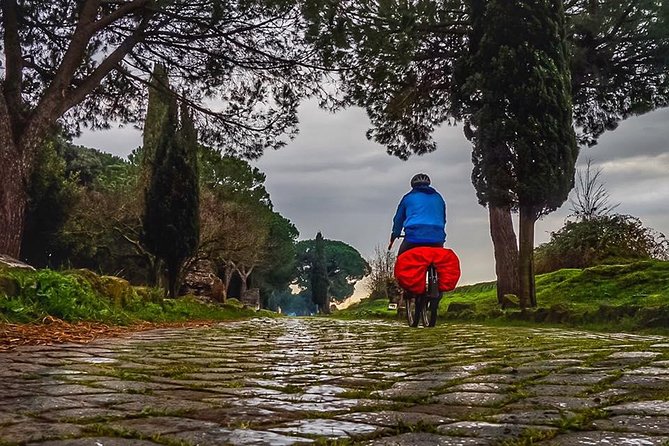
Rome can be a lot. The streets are loud, the stops are constant, and your feet end up doing most of the work. This tour gives you a different rhythm: you start in the thick of Roman legend, then shift into the Appia Antica countryside so the city feels farther away.
What makes it work is the balance of time. You don’t spend hours inside museums or waiting around. Instead, you get a local guide walking you through what you’re looking at, then you bike while the scenery does its job. One review called it a pastoral, peaceful break after days in the city, and that’s exactly the vibe you’re aiming for here.
You’ll also learn while you ride. The stops are designed to connect the dots: stadium and palace power in central Rome, then funerary monuments and aqueduct infrastructure in the countryside. It’s a tour built for active people who want history without slow travel.
You can also read our reviews of more cycling tours in Rome
Meeting at BigaBike and what to bring for a smart-casual ride
You’ll meet at BigaBike – Rent Scooter Rome, Via di S. Calisto, 9, 00153 Roma. The tour ends back at the same place, so you don’t need to figure out a new pickup point afterward.
The dress code is smart casual. That sounds vague, so I treat it as: comfortable clothes you can move in, plus shoes you trust on uneven ground. Because you’ll be cycling, avoid anything that flaps or drags. Also plan for outdoor time; this runs in all weather conditions, and you should dress appropriately.
A couple practical notes from the rules: you need a current valid passport on the day of travel. If you’re traveling with kids, children must be accompanied by an adult, and the minimum age is 8.
And since food and drinks aren’t included, I recommend you come ready to snack. Even with water breaks, you’ll burn energy on an active half-day. A small snack can turn the tour from manageable into genuinely comfortable.
E-bikes, helmets, and the reality of cobbles and rough stretches
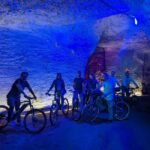
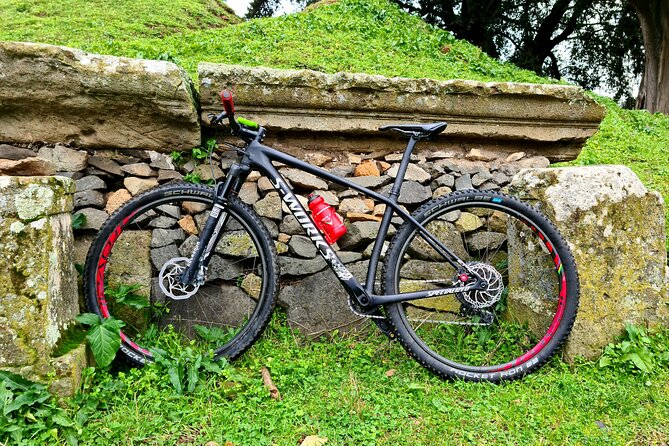
This is an e-bike experience, and that matters. The electric assist helps you keep momentum when the road surface gets tricky. One participant specifically pointed out that the terrain felt rough, making it harder to steer and pedal at the same time—and the assist helped.
That said, an e-bike doesn’t turn Rome’s ground into a smooth bike path. The Appia area has stretches that can feel more like historic roadway textures than modern asphalt. If you’re new to cycling, the best move is to take it slow at the start, keep your grip steady, and follow the guide’s spacing.
Helmets are included. I’d still do a quick check when you’re handed the bike—fit and strap first—because it’s your protection. One group noted a helmet issue, so don’t assume it’s automatic; make it a habit to confirm.
Finally, watch for bike condition. One review was blunt that the bikes weren’t well maintained. I can’t guarantee what you’ll get on your date, but you can reduce risk by doing a minute-long check: brakes feel strong, tires look inflated enough, and the e-assist works.
Circo Massimo and Palatine Hill: big Rome history, quick stop time
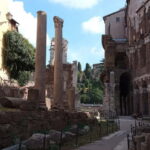
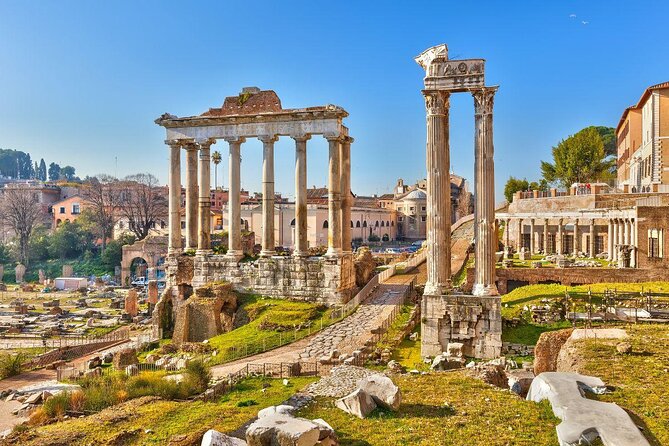
Your tour opens with two classic heavy-hitters, and the schedule is light on waiting. Stop 1 is Circo Massimo. Your guide leads you in front of the monument and explains what you’ll see. Stop 2 is Palatine Hill, again with a quick guided look in front of the monument.
Each of these is about 10 minutes with admission ticket free, so you’re not getting a deep dig here. Instead, you’re being given just enough context so the next mile makes sense. If you like Roman power and social life—public spectacles, ruling families, the layers of Rome—these quick stops help you anchor the story.
What I like about this approach is how it prevents history overload. Two short segments in the middle of a bike tour feel more like “orientation” than a lecture. You’ll spend your energy on riding and still walk away with names and reasons.
Possible drawback: if you’re the kind of traveler who wants slow, detailed site time—stone-by-stone explanations and long photo pauses—this part may feel fast. But the payoff is that you move on to the countryside where the ride starts doing the entertaining.
Appia Antica parks: Mausoleo di Cecilia Metella and Castrum Caetani
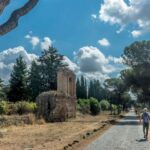
Stop 3 is one of the most visually striking points on the route: Mausoleo di Cecilia Metella e Castrum Caetani in the Parco Archeologico dell’Appia Antica. Expect about 15 minutes. You’ll get a guided explanation right in front of the monuments, and admission ticket is listed as free for this stop.
Why this matters: tombs and fortified estates line the Appian Way corridor because people treated roads like statements. Even when the world was less connected, Rome’s infrastructure still communicated power, wealth, and memory. This is where the countryside stops being just scenery and starts becoming a timeline.
Also, this is where the ride begins to feel more special. You’re no longer cycling only through city landmarks. You’re moving alongside remnants that made travel and status visible long before cars existed.
One thing to be aware of: the tour stays outdoors through many of these segments. That’s great for atmosphere, but it also means you feel weather more than you would in an indoor site. Dress appropriately and pace your water intake.

Catacombs of Saint Callixtus from outside: what to expect
Stop 4 is the Catacombs of Saint Callixtus. The plan here is straightforward: you’ll see it from outside, with about 15 minutes of guided explanation.
So don’t book your expectations expecting a full underground walkthrough. This is more about understanding the place and its context from the surface. That can actually be a good fit for an e-bike day, because it keeps the schedule moving and prevents you from losing half your tour inside.
Still, catacombs are an emotional topic for many people. A guide’s tone matters. Since the tour includes multiple stops and active cycling, the guide’s pacing and clarity can really affect how you experience this segment.
If you’re specifically hoping for an inside catacombs visit, you’ll want to double-check what your departure includes before you go—because in the version you’re considering, it’s listed as an outside viewing.
Parco degli Acquedotti and aqueduct views that feel Roman
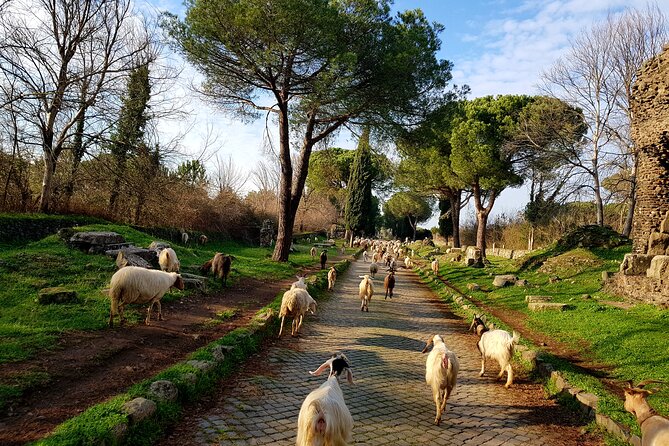
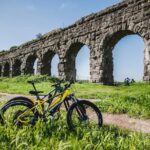
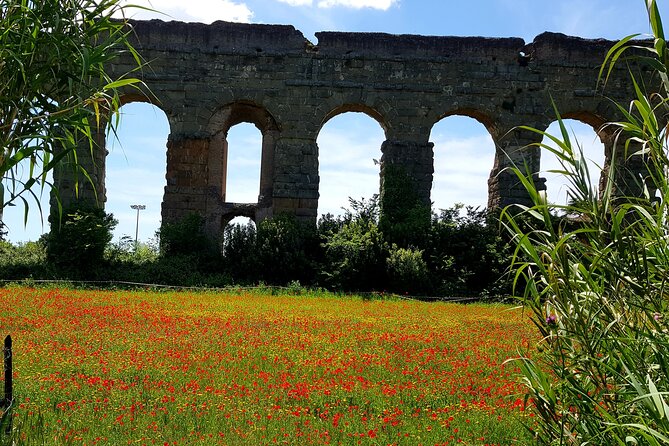
Stop 5 brings you to Parco degli Acquedotti in the Appia Antica area. This is about 20 minutes, with admission ticket free listed again.
Aqueduct country is a different type of Roman awe. It’s not palace glamour or circus noise. It’s engineering that quietly made daily life possible. The aqueducts shaped water access, sanitation, and the ability for large parts of Rome to function.
What I like about including this stop: it rounds out the story. Earlier you see spectacle and elite power, then funerary monuments. Here you’re reminded that Rome ran on practical systems too.
Also, this section tends to reward you visually. Long lines, open space, and the sense of distance make it feel like you stepped out of the city grid. Even if you’re not a “big photo” person, you’ll probably want a few because the aqueduct setting makes Roman history feel tangible.
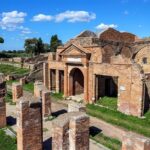
As for the ride itself, you’ll be biking along the ancient Appian way with the guide explaining what you see along the way. That last cycling stretch is where the tour earns its title—because the road isn’t just described, you’re physically moving on its corridor.
Group size, pacing, and guide style on your departure day
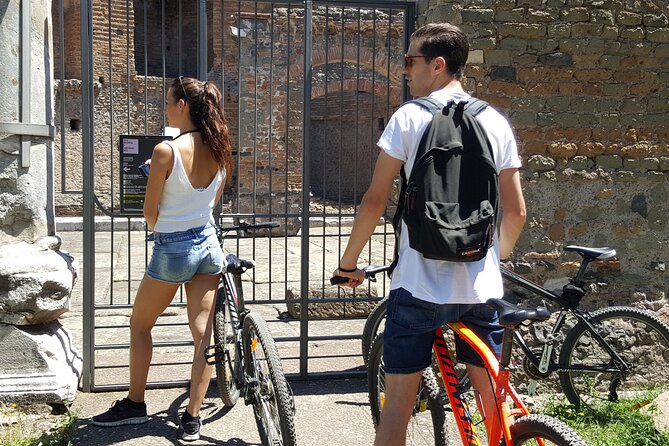
The tour caps at 10 travelers, and that usually keeps the experience organized. Smaller groups also make it easier for the guide to manage spacing on bike segments and answer quick questions without the whole group drifting apart.
You’ll likely feel the pacing as “active but not frantic.” The itinerary is built from short site moments (mostly 10–20 minutes) plus riding time. So you’re never standing still for too long.
Guide quality is a big factor here. Some departures seem to shine: one review mentioned Marta, praising the way she took the group through Roman antiquities and into a lovely Appian Way ride, ending at a natural spring that was still providing water to Romans. Another mentioned Martin as excellent. That kind of guide energy can turn the tour from informative to memorable.
But I’m also going to flag two caution points that appear in the feedback. One person reported discomfort when the guide’s commentary slid into antisemitic territory. Another said the guide was late and communication was very fast with a thick accent, making facts harder to follow. These aren’t universal, but they are worth noting if you need a calm, clearly structured narration.
My advice: arrive on time, listen closely in the first 15 minutes to get the rhythm, and ask questions if you’re unclear. If a guide’s style doesn’t work for you, it can feel harder to recover once you’re in motion.
Price and value: is $90.22 a fair deal?
At $90.22 per person for about 4 hours, you’re paying for a guided active experience with gear. What you get on paper is a local guide, use of an e-bike, and use of a helmet. Food and drinks are not included.
Value-wise, that inclusion matters. Renting an e-bike in Rome often means extra time and extra complexity. Here, the bike part is built into the experience, which lowers friction. You also get admission listed as free for the stops described, plus guided explanations that help you connect what you’re seeing.
Where value can wobble is exactly where you should check details before you commit. Even though the tour information states e-bike use is included, one booking experience described confusion about an e-bike cost being separate. So I’d do one thing: confirm during booking that you’ll receive an e-bike as part of your price, with no surprise add-on.
One more value point: the tour isn’t long, but it’s active. That means it’s a good use of a half-day if you want to cover ground and still feel like you experienced something real outside the city center.
Should you book the Ancient Appian Way and Roman Countryside E-Bike Tour?
I think you should book this if you want Rome history with movement. It fits you if you like biking, you enjoy quick guided stops, and you want the Appia Antica countryside without spending an entire day on transport. The mix of Circo Massimo, Palatine Hill, Appia Antica monuments, and aqueduct territory gives you a broad sense of Rome’s layers in one shot.
Skip it—or at least read the fine print carefully—if you need a totally leisurely ride, expect smooth surfaces like a paved trail, or you’re hoping for catacombs inside rather than from outside. Also consider how you handle fast guide talk and how sensitive you are to inappropriate commentary, since guide style can vary.
My best decision rule:
- If you’re comfortable with active touring and rougher ground, this can be a standout Roman day.
- If you’re mainly looking for slow sightseeing with lots of time at each site, you may find the pacing too brisk.
If you go, come prepared: smart casual clothes you can move in, passport on you, and a snack plan since food and drinks aren’t included. That combo lets you spend your energy on the ride and the stories, not on small discomforts.
FAQ
How long is the Ancient Appian Way and Roman Countryside e-bike tour?
It lasts about 4 hours.
What is included in the tour price?
The tour includes a local guide, use of an e-bike, and use of a helmet.
What is not included?
Food and drinks, hotel pickup, and hotel drop-off are not included.
Where does the tour start and end?
It starts at BigaBike – Rent Scooter Rome, Via di S. Calisto, 9, 00153 Roma, and ends back at the same meeting point.
Are the site admissions included?
Admission tickets are listed as free for the stops in the itinerary.
Do I need to bring a passport?
Yes. A current valid passport is required on the day of travel.
Is there a minimum age for this tour?
The minimum age is 8 years old, and children must be accompanied by an adult.
How many people are on the tour maximum?
The tour has a maximum of 10 travelers.
What’s the cancellation policy?
Free cancellation is available. You can cancel up to 24 hours in advance for a full refund, and cancellations made less than 24 hours before start time aren’t refunded. If it’s canceled due to poor weather, you’ll be offered a different date or a full refund.