REVIEW · KUALA LUMPUR
Kuala Lumpur Cultural & Heritage Most Iconic Locations
Book on Viator →Operated by Asni Tours & Travel (M) Sdn Bhd · Bookable on Viator
Kuala Lumpur’s culture makes more sense on foot. This private half-day tour focuses on the city’s older neighborhoods and multi-faith roots, using an efficient route that hits standout spots like hotel pickup and a licensed English-speaking guide. I especially like that you get a clear story of how Hindu, Buddhist, and Islamic communities shaped everyday life—right beside today’s skyline. One thing to consider: mosque access can be limited by timing, and Jamek Mosque is noted as closed on Fridays (outside view only).
You’ll also get the practical win of not wasting half a day figuring out where to go and when. In about 3 hours 30 minutes, you’ll see key religious landmarks plus Central Market and classic pre-war Chinatown buildings—most with admission marked free. If you’re hoping for maximum indoor time at every stop, I’d set your expectations for short visits and occasional outside-only viewing.
In This Review
- Quick Takeaways Before You Go
- A Fast, Smart Way to See Kuala Lumpur’s Old Neighborhoods
- Stop-by-Stop: Temples, Clan House Courtyards, Central Market, and Merdeka Square
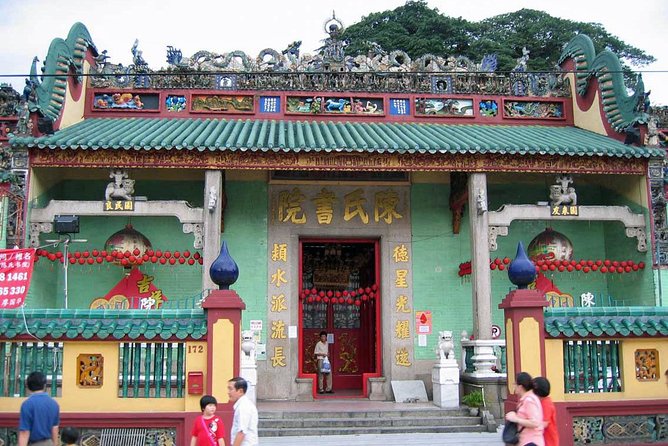
- Stop 1: Chan See Shu Yuen Clan House (Jalan Petaling area)
- Stop 2: Chinatown pre-war streets
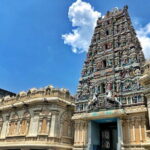
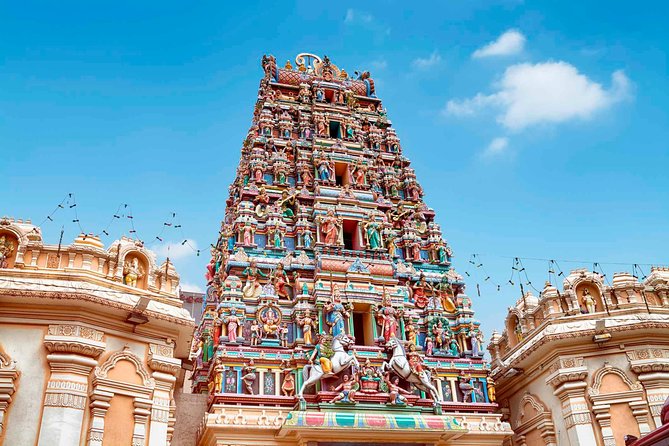
- Stop 3: Sri Maha Mariamman Temple (Hindu temple, founded 1873)
- Stop 4: Central Market Kuala Lumpur (built in 1930)
- Stop 5: Sin Sze Si Ya Temple (Sze Yeh Temple, built in 1880)
- Stop 6: Jamek Mosque (Friday closure noted; outside view only)
- Stop 7: Sultan Abdul Samad Building (Merdeka Square)
- Why the Private Guide Matters More Than You Think
- Price and Value: Is $119.73 a Good Deal?
- Timing, Timing, Timing: How to Avoid Common Friction
- What to Wear and Bring for a 3.5-Hour Heritage Day
- Who This Tour Suits Best
- Should You Book This Cultural Heritage Tour?
- FAQ
- What is the duration of the Kuala Lumpur cultural and heritage tour?
- Is this a private tour or shared group?
- What landmarks are included on the tour?
- Is hotel pickup and drop-off included?
- Are admission tickets included for the stops?
- Is food or lunch included?
- Is the tour guide English-speaking?
- What should I wear for the tour?
- Will Jamek Mosque be accessible on my day?
- Can I cancel for free?
Quick Takeaways Before You Go
- Private half-day pace: 3h30 that covers a lot without feeling like a sprint.
- Multi-faith itinerary: Hindu, Buddhist, and Islamic landmarks in one route.
- Old Kuala Lumpur stops: clan houses, pre-war Chinatown streets, and Central Market (1930).
- Most admissions are free at the listed sights, so your money goes to the guide and route.
- Mosque days can be tricky: Jamek Mosque is closed Fridays; elsewhere, prayer timing may affect stopping.
A Fast, Smart Way to See Kuala Lumpur’s Old Neighborhoods
Kuala Lumpur can feel like two cities at once: the shiny modern stuff people photograph, and the older streets where different communities built their lives. This tour leans hard into the second side. It’s not just sightseeing. It’s a guided walk through the places where you can actually see Malaysia’s cultural mix in architecture, language, and religious life.
The format is one of its biggest advantages. You get hotel pickup and drop-off (selected hotels), travel in an air-conditioned vehicle, and then move through the heritage areas with a guide who can connect the dots. That matters in KL, where places can look similar at first glance—yet each has its own origin story.
You can also read our reviews of more historical tours in Kuala Lumpur


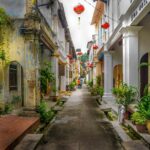
Stop-by-Stop: Temples, Clan House Courtyards, Central Market, and Merdeka Square
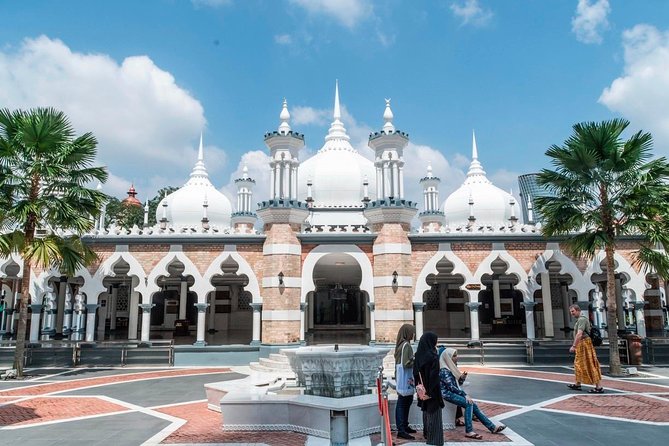
This is a compact route, so you’ll spend a short window at each major stop—about 20 minutes per stop. The trade-off is speed. The upside is you leave with a mental map of how the city’s communities sit next to one another.
Stop 1: Chan See Shu Yuen Clan House (Jalan Petaling area)
You start at Chan See Shu Yuen Clan House, tied to KL’s early Chinese community roots. Clan houses are more than buildings for photos. They’re part of how immigrant communities organized support, identity, and local ties—then passed that culture down through generations.
What I like here is the “start with the origin” approach. It gives you context before you hit the busiest parts of Chinatown. If you’re the kind of traveler who wants the why behind the what, this first stop sets you up.
Practical note: admission is listed as free, and the visit is brief—so be ready to focus on details you notice quickly: courtyard layout, signage style, and how the building fits into the street.
Stop 2: Chinatown pre-war streets
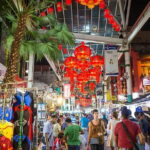
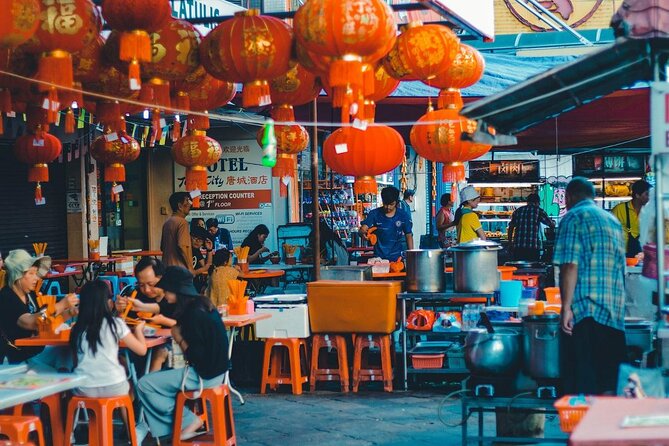
Next up is Chinatown, specifically calling out pre-war buildings. This is where the tour earns its name as cultural and heritage-focused. You’re not just walking through a market. You’re moving through older urban blocks that still carry the feel of earlier KL.
During a short stop, you won’t have time to wander every alley. But you will get an orientation: where the heritage density is, what kind of street life surrounds these landmark sites, and what “Chinatown” means beyond restaurants and shopping.
Stop 3: Sri Maha Mariamman Temple (Hindu temple, founded 1873)
Sri Maha Mariamman Temple is the oldest Hindu temple in Kuala Lumpur, founded in 1873, and it sits on the edge of Chinatown on Jalan Bandar. That age stamp is powerful. It’s a direct physical link to the city’s earlier multicultural layers.
This is one of the best stops for understanding what “living heritage” looks like. Hindu temples in daily use can teach you more about a culture than a museum panel ever will—because people still come for prayer and community.
The time here is short, and admission is listed as free. You’ll want to look at the temple entrance area and observe visitor flow. If you’re sensitive to crowds, go in with patience—the neighborhood can be busy even during a scheduled tour slot.

Stop 4: Central Market Kuala Lumpur (built in 1930)
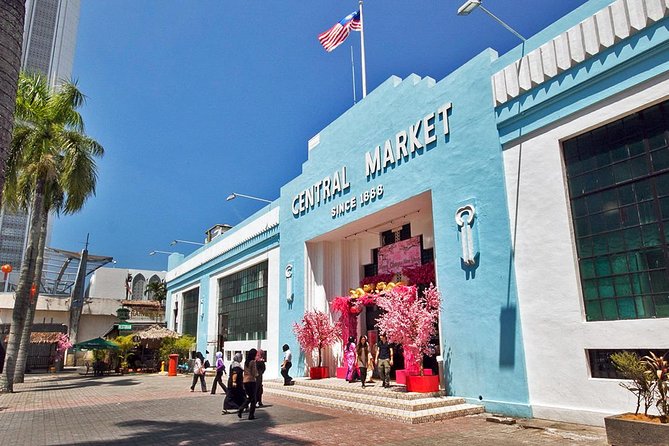
Then you hit Central Market, built in 1930. This stop is a nice balance: religious sites are about spiritual life; Central Market is about how a city organizes trade, crafts, and everyday commerce.
If you like photos of architecture with story—like older brickwork, period building shapes, and the feel of a working public building—this is your moment. It also gives you a mental break between temples by shifting the focus from worship to city life.
Admission is marked free, and your visit window is limited. Treat it like orientation plus a quick browse, not a full shopping trip. If you want souvenirs, plan to be decisive here so you’re not rushing later.
Stop 5: Sin Sze Si Ya Temple (Sze Yeh Temple, built in 1880)
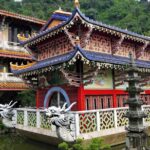
Sin Sze Si Ya Temple, also called Sze Yeh Temple, is listed as built in 1880. It’s another strong “then and now” contrast: a heritage structure still used by the community.
This stop is great for comparing patterns across temples. Even within Hindu and related cultural traditions, you’ll often notice differences in decorative focus, entry layout, and icon style. Since this route includes multiple faith landmarks, you get a useful comparison without needing a separate day trip.
Again, admission is listed as free and the visit is about 20 minutes. Use that time to look carefully. Short stops work best when you go in with a small checklist: entrance, key ornamentation, and how people move through the space.
Stop 6: Jamek Mosque (Friday closure noted; outside view only)
Jamek Mosque is a major Islamic landmark on this route, with notes pointing to North India Islamic architecture. It’s also the stop with the most scheduling sensitivity.
Two things you should know up front:
- Jamek Mosque is noted as closed on Fridays, with outside viewing only.
- Access can vary based on prayer timing, and in past experiences, stopping for the primary mosque wasn’t always smooth.
So what should you do? If you’re traveling on a Friday or you care deeply about seeing Jamek Mosque from the inside, I suggest asking your guide before you arrive at the area what viewing will be possible. Set your plan so outside viewing still feels worthwhile, because the architecture and location around the riverside district still give you plenty to see.
Stop 7: Sultan Abdul Samad Building (Merdeka Square)
You end at Sultan Abdul Samad Building, overlooking Merdeka Square. This is the kind of stop that turns your day from neighborhood culture into national symbolism.
The building’s grand scale changes the mood after the smaller, more intimate spaces of temples and clan houses. It’s a reminder that Kuala Lumpur grew under multiple influences—and that heritage isn’t only religious architecture. It includes civic landmarks too.
Your visit is short, and admission is listed as free, so use it to frame what you’ve learned. Look at how the square opens space around the building, then connect it back to the multicultural story you’ve been seeing all afternoon.
Why the Private Guide Matters More Than You Think
On a half-day itinerary, you can’t afford to guess. A good guide turns quick stops into a coherent story.
The strongest praise for this tour centers on guides who explain Malaysian history in a way that actually clicks. Names like Raja and Dhevan come up in the feedback, both described as informative and friendly. One person even noted that the guide helped them plan other parts of their trip—exactly what a good heritage guide should do once the tour ends.
What you should look for in practice:
- Clear, direct explanations you can repeat later
- A sense for pacing so you don’t feel dragged
- A willingness to tailor to what you care about (culture, architecture, or history)
Even if you only care about photos, a guide helps you choose what to photograph and what to notice that you’d otherwise walk past.
Price and Value: Is $119.73 a Good Deal?
At $119.73 per person, this is not a budget group bus. But it also isn’t trying to be a full-day deep archive tour. The value depends on your travel style.
Here’s the basic math that matters:
- You’re paying for a private route through multiple landmark areas, not just a driver.
- You get hotel pickup and drop-off (selected hotels), plus air-conditioned vehicle time.
- You get an English-speaking, licensed guide.
- Most listed admissions are free at the stops.
- You also get a short duration (around 3 hours 30 minutes), which is handy in a city where traffic and logistics can eat time.
If you’re traveling with only one or two people and you want a guided map of old KL without extra planning, the price can feel fair. If you’re the type who enjoys wandering independently and already knows which streets to target, a self-guided day may be cheaper.
One caution: there have been complaints about value compared to other paid tours. That usually comes down to expectations—especially around mosque stopping and whether you get the specific sight time you wanted.
Timing, Timing, Timing: How to Avoid Common Friction
This tour is built for momentum. That’s great—until timing hits a religious schedule.
The data clearly flags Jamek Mosque as closed on Fridays. That alone is worth planning around. Beyond that, there’s a real-world lesson from prior feedback: sometimes the vehicle doesn’t stop exactly where you expect for the main mosque, and prayer timing can affect access. Even when the guide is doing their best, schedules and entry rules can change.
So here’s the practical way to handle it:
- If Jamek Mosque is a top priority, tell your guide early.
- Wear comfortable walking shoes and plan for short visits, not long lingering.
- Don’t treat the day as a single “perfect checklist.” Treat it as a strong overview route.
What to Wear and Bring for a 3.5-Hour Heritage Day
You’ll be on your feet more than you expect for 20-minute stops. The tour recommends comfortable walking shoes and a hat or cap. I agree—KL sun can be rude, especially when you’re between shaded streets.
Also think about modesty at religious sites. The tour includes temples and a mosque, so plan clothing that won’t make you feel awkward when you slow down and look closely.
Who This Tour Suits Best
This tour fits best if you want:
- A guided overview of Kuala Lumpur’s multicultural heritage in one half-day
- Temples, clan houses, and civic landmarks in a single route
- A private setup where you’re not competing with a large group
- Practical help from a guide who can explain the “why” behind what you’re seeing
It may be less ideal if:
- You want maximum time at each site and long indoor visits everywhere
- You’re traveling on a day you must see Jamek Mosque from inside
- You’re strictly price-focused and would rather spend the money on a second neighborhood
Should You Book This Cultural Heritage Tour?
I’d book this if your priority is getting oriented in old Kuala Lumpur without doing homework all week. The combination of a licensed English-speaking guide, a fast route through major heritage landmarks, and mostly free admissions makes it a strong way to understand what KL is built on culturally—not just what it looks like from afar.
I’d pause before booking if you’re traveling on a Friday and Jamek Mosque inside access is non-negotiable, or if you know you’re extremely sensitive to religious scheduling and want guarantees. In those cases, send a quick message to confirm what viewing options are realistic for your day.
FAQ
What is the duration of the Kuala Lumpur cultural and heritage tour?
The tour runs for about 3 hours 30 minutes.
Is this a private tour or shared group?
This is a private tour/activity. Only your group will participate.
What landmarks are included on the tour?
You’ll visit Chan See Shu Yuen Clan House, Chinatown pre-war buildings, Sri Maha Mariamman Temple, Central Market Kuala Lumpur, Sin Sze Si Ya Temple, Jamek Mosque, and the Sultan Abdul Samad Building.
Is hotel pickup and drop-off included?
Yes, hotel pickup and drop-off are included for selected hotels.
Are admission tickets included for the stops?
Admission tickets are listed as free for the stops shown on the itinerary.
Is food or lunch included?
No. Food and drinks are not included, and lunch is excluded.
Is the tour guide English-speaking?
Yes. You’ll have an English speaking driver and a professional licensed tour guide.
What should I wear for the tour?
Wear comfortable walking shoes and bring a hat or cap.
Will Jamek Mosque be accessible on my day?
Jamek Mosque is noted as closed on Friday, with viewing from the outside only.
Can I cancel for free?
Free cancellation is available. You can cancel up to 24 hours in advance for a full refund, based on local time.