REVIEW · KUALA LUMPUR
Kuala Lumpur Heritage Walk
Book on Viator →Operated by Malaysia Heritage · Bookable on Viator
Old Kuala Lumpur tells stories on foot. A Central Market start plus easy temple stops makes it a smart way to get your bearings fast in Kuala Lumpur, especially with guides like Kristin or Sean keeping things lively and practical. I especially like that the tour mixes culture with food tastings, so you’re not just looking—you’re sampling your way through the neighborhoods.
The second thing I love is how the walk brings you face-to-face with living traditions. At places like Sin Sze Si Ya Temple, you may even take part in small ritual moments like lighting candles or incense (with guidance and at guest discretion), which turns sightseeing into something you can actually understand.
One thing to think about: this is still a 4-hour walking tour, and it runs best if you’re comfortable moving at a moderate pace and spending time near religious sites where rules and timing matter.
In This Review
- Key highlights you’ll care about
- A heritage walk that doesn’t feel like a museum tour
- Meeting point: Central Market, then straight into the action
- Stop 1: Malaysian breakfast at Restoran Yusoof dan Zakhir
- Temple stop 1: Sin Sze Si Ya Temple and Taoist practice
- Temple stop 2: Sri Mahamariamman Temple and Hindu deities
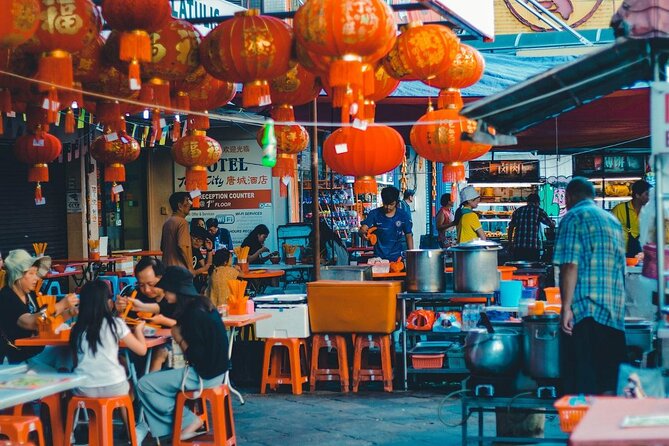
- Chinatown: wet market wandering and Chinese food tastings
- Sultan Abdul Samad Jamek Mosque: how Kuala Lumpur got started
- Lebuh Ampang lunch: Indian cuisine on a historically important street
- Value check: is $60 worth it?
- Guides make the difference: Kristin, Sean, and Winnie
- What to pack and how to time your morning
- Who should book (and who might prefer something else)?
- FAQ
- How long is the Kuala Lumpur Heritage Walk?
- Where does the tour start, and what time does it begin?
- What’s included in the price?
- Is there a vegetarian option?
- Do I need to provide passport details when booking?
- What’s the cancellation policy if plans change?
- Should you book this heritage walk?
Key highlights you’ll care about
- Small group size (max 10) means more Q&A and less feeling like you’re being rushed
- Central Market breakfast gives you an easy, local jump-start before heading into Chinatown and temples
- Sin Sze Si Ya Temple ritual options you can participate in, based on comfort and guide guidance
- Wet market + Chinese food tastings focus on what locals actually eat
- Indian lunch on Lebuh Ampang helps connect community history to what’s on the plate
- Told-through-walking context explains Kuala Lumpur’s origins with mosque and temple stops
A heritage walk that doesn’t feel like a museum tour
Kuala Lumpur can be confusing at first glance: modern towers on one side, older neighborhoods on the other, and a whole lot of languages, faiths, and food traditions stacked together. This heritage walk is built to fix that. It moves in a tight loop through the city center, with short stops that still give you time to ask questions and taste your way into the stories.
The price may look like a “tour fee” until you see what’s included. You’re paying for a local English-speaking guide, food tastings, and the time it takes to connect the dots between communities that have lived here for generations. The tour also keeps the group small (up to 10), which matters in a city where crowds can swallow your questions.
If you want a cultural intro without spending your whole day on buses, this is a strong option—especially if you book ahead. It’s commonly reserved about 20 days in advance, so waiting until the last minute can shrink your choices.
You can also read our reviews of more walking tours in Kuala Lumpur
Meeting point: Central Market, then straight into the action
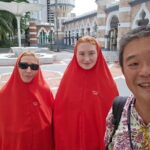
You start at the Tourist Information and Interaction Centre (TiiC) in the Central Market Annexe, on Jalan Hang Kasturi. The start time is 9:00 am, and the tour ends back at the meeting point.
That location is practical. Central Market is easy to find, and being near public transportation makes your arrival smoother. Also, starting early is a win because you’ll hit food stops and markets while they’re in full rhythm, not when you’re exhausted and hungry-shopping later in the day.
You’ll likely get a mobile ticket, and the day runs on a simple rhythm: quick introductions, short time at each stop, and flexible pacing depending on what captures your interest—especially at the temples and in Chinatown.
Stop 1: Malaysian breakfast at Restoran Yusoof dan Zakhir
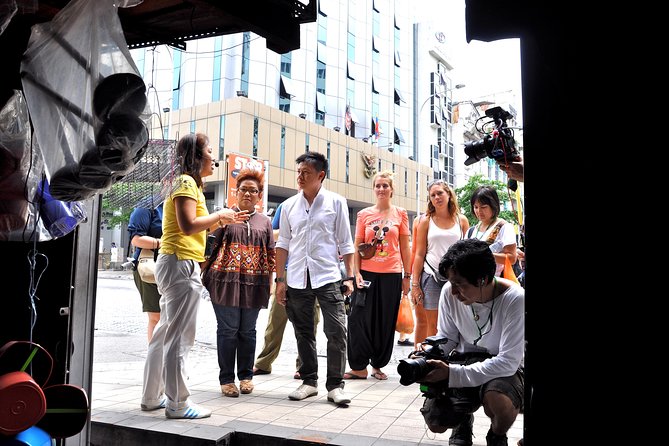
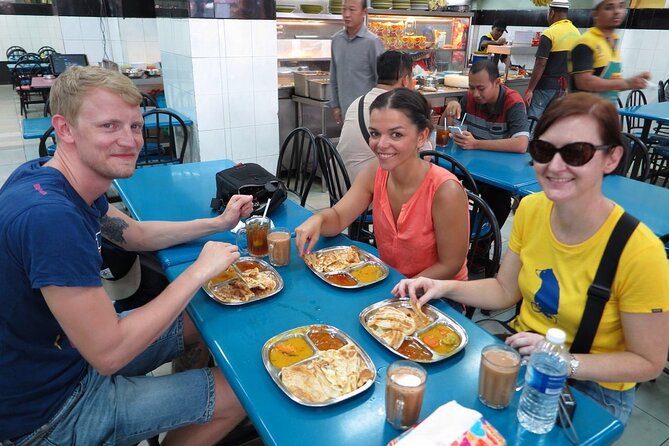
The morning begins with breakfast at Restoran Yusoof dan Zakhir. The time is short (about 15 minutes), so think of it as a taste-and-learn moment rather than a full meal you’d plan to fill up on.
What I like about this first stop is that it sets the tone: you’re not “touring food,” you’re actually starting with local breakfast habits. That makes later tastings in Chinatown and lunch on Lebuh Ampang feel more connected, not random.
Practical tip: bring a little patience. Breakfast here is part of the schedule, so come hungry and ready to try whatever is offered during the tasting.
Temple stop 1: Sin Sze Si Ya Temple and Taoist practice
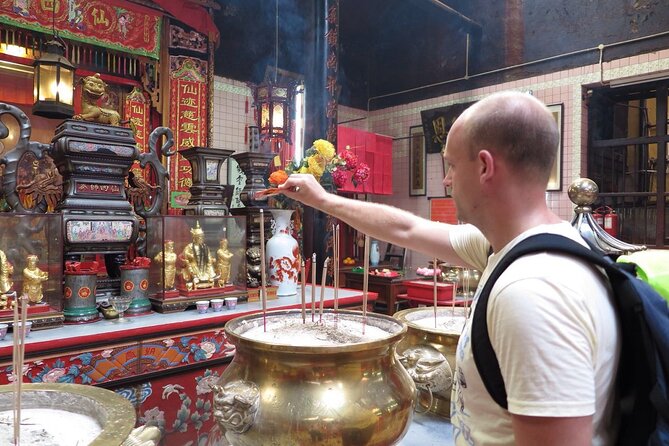
Next comes Sin Sze Si Ya Temple, a Taoist site where you’ll learn about religious practice and how visitors take part. You’ll get a chance to participate in small ritual actions such as lighting candles, using joss sticks, and even pasting a goodluck man on a wall—but only at the discretion of guests, guided by what feels appropriate and what the temple context allows.
This is one of the moments that can make the whole walk feel real. Temple visits are often “look and read” on tours. Here, the emphasis is on understanding the practice—so you’re not just looking at incense smoke and hoping you interpreted the signage correctly.
A quick consideration: religious sites can have rules on behavior and photography, and you’ll need to follow your guide’s direction. If you’re uncomfortable participating, you can still take in the explanations and observe respectfully.
Temple stop 2: Sri Mahamariamman Temple and Hindu deities
After the Taoist stop, you move to Sri Maha Mariamman Temple for a Hindu cultural lens. The guide explains Hindu culture and religious practice, including information about Hindu deities.
The time here is flexible: it’s listed as up to guest interest, so this is a “go at your pace” stop. If you ask questions or want more explanation, you’ll likely get it. If you’d rather keep moving, you won’t feel stuck in a fixed, rushed clock.
Why this works: pairing two temple traditions in one morning gives you a clearer picture of how Kuala Lumpur’s communities live side by side. You’ll start noticing how faith, community identity, and food culture connect through everyday routines rather than through grand monuments alone.
You can also read our reviews of more historical tours in Kuala Lumpur



Chinatown: wet market wandering and Chinese food tastings
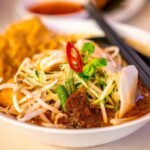
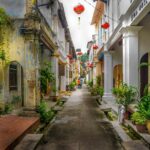
Then you head into Chinatown, including time at a wet market. This is where the tour leans hard into “eat what locals eat,” with sampling that’s designed to show you flavors you may not pick on your own.
The market stop is around 20 minutes and can expand based on what you’re curious about. Because it’s a working food area, your guide’s presence matters—you get context, and you avoid the awkward guessing game of what’s safe or typical to try.
Food note: you’ll be sampling, not necessarily ordering a full dish at each stop. If you’re choosing between being adventurous or being careful, tell your guide what you want to lean toward. Also let them know about any dietary needs ahead of time—there’s a vegetarian option available, but it’s best to flag it during booking.
Sultan Abdul Samad Jamek Mosque: how Kuala Lumpur got started
A lot of tours mention temples and streets but skip the “why this place exists” part. Here, there’s a key anchor stop: Sultan Abdul Samad Jamek Mosque.
You’ll hear the story of how Kuala Lumpur began, delivered through the guide’s explanation while you’re standing in a place that ties to the city’s early roots. The stop is about 15 minutes, so it’s not overwhelming. It’s enough to give you a framework you can use for the rest of your trip.
If you’re the kind of traveler who likes context more than selfies, this is a worthwhile payoff.
Lebuh Ampang lunch: Indian cuisine on a historically important street
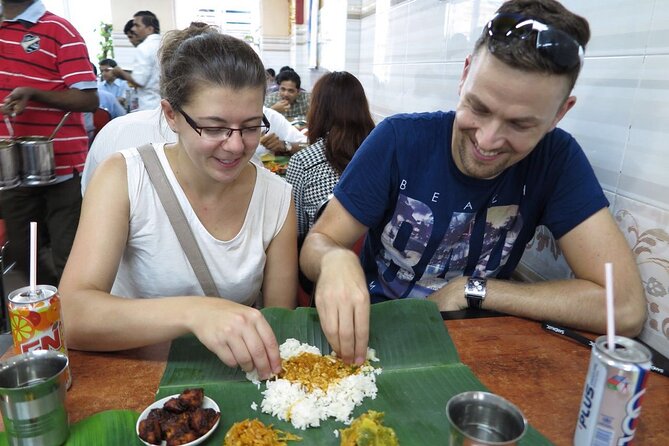
The final food anchor is on Lebuh Ampang, where the guide shares history tied to the street’s role and then you’ll stop for lunch featuring authentic Indian cuisine. You’ll have about 30 minutes.
This matters because it links what you taste to the communities that shaped the neighborhood. Kuala Lumpur’s identity didn’t happen in one demographic bubble; it formed through migration, trade, and community building. Lunch here is where that idea becomes practical—what’s on the menu is the proof.
If you’re vegetarian, plan to tell the operator when you book. A vegetarian option is available, but the only way it works smoothly is if the team knows your needs early.
Also, consider bringing water habits into your routine. Bottled water is included, and the operator notes you can refill using a tumbler (please bring one if you have it). In the heat, that small convenience can make a big difference.
Value check: is $60 worth it?
At $60 per person, this tour sits in the “mid-range” zone. It’s not a cheap street-food stroll, and it’s not a private guide price either. So the real question is whether the inclusions and pacing justify the cost.
Here’s what you’re getting that supports the value:
- English-speaking guide to connect culture, worship practices, and neighborhood history
- Food tastings across multiple stops (breakfast, Chinatown sampling, and lunch)
- Bottled water (with the suggestion to refill if you bring a tumbler)
- Small group size (max 10), which typically improves the quality of questions and interactions
- Multiple faith and neighborhood stops in one morning, without you needing to plan logistics between locations
In a city like Kuala Lumpur, where you can certainly DIY a few sights, the cost becomes more reasonable when you’re factoring in guide-led context and curated tasting choices. If you enjoy walking, asking questions, and trying food with less guessing, $60 tends to feel fair.
If you’re the type who prefers to wander on your own with a loose list, you might feel this is “more structured than you want.” But the stop variety is exactly what helps first-timers get oriented quickly.
Guides make the difference: Kristin, Sean, and Winnie
One of the strongest signals from people who took the walk is that the guides bring energy and clear explanations. You’ll see names like Kristin, Sean, and Winnie showing up in strong feedback, and that matters because a heritage walk is only as good as the storyteller guiding you between places.
You’re not just following a map. You’re being coached on what to notice—especially at temples where the meaning is tied to practice, not just architecture. That’s also where optional participation (like temple ritual actions) can feel respectful rather than performative.
And yes, there can be pleasant surprises. In at least one case, a walk ended up aligning with a local Indian wedding nearby. That’s not something you can count on, but it shows how the day can sometimes connect with real life beyond the scheduled stops.
What to pack and how to time your morning
This tour is outdoors and includes walking through busy areas, so don’t show up underprepared.
Bring:
- Comfortable shoes for standing and walking
- Sun protection. Caps/hats aren’t provided, and there’s sun exposure in central neighborhoods.
- A tumbler, if you have one, to make use of the refillable water note
- Any dietary details you want respected (tell the operator when booking)
Plan your expectations:
- The tour runs about 4 hours
- Several stops are flexible based on your interest, especially around temples and Chinatown
If you want calmer pacing, you can ask questions rather than rushing ahead. If you need a quick pace, tell your guide you’d like to keep moving after key explanations.
Who should book (and who might prefer something else)?
This heritage walk is a great fit if you:
- Want a first-time Kuala Lumpur orientation that’s not only landmarks
- Like cultural context paired with actual eating
- Enjoy small-group experiences and asking questions
- Have a moderate fitness level and can handle 4 hours of walking
You might skip it if you:
- Don’t like participating in optional ritual activities, even when discretion is offered (you can still observe, but the stop is designed for understanding through practice)
- Prefer long, free time in one place rather than several shorter stops
- Are looking for a purely “outdoors photos all day” tour
FAQ
How long is the Kuala Lumpur Heritage Walk?
It’s about 4 hours.
Where does the tour start, and what time does it begin?
The meeting point is the Tourist Information and Interaction Centre (TiiC) in the Central Market Annexe (Lot 02-03 Mezzanine Floor) on Jalan Hang Kasturi. The start time is 9:00 am.
What’s included in the price?
The tour includes food tastings, bottled water (with a refill suggestion if you bring a tumbler), and an English-speaking guide.
Is there a vegetarian option?
Yes. A vegetarian option is available, and you should request it at the time of booking.
Do I need to provide passport details when booking?
Yes. The tour requires passport name, number, expiry, and country for all participants.
What’s the cancellation policy if plans change?
You can cancel for a full refund if you cancel at least 24 hours before the experience start time.
Should you book this heritage walk?
If you want an efficient, human-scale way to understand Kuala Lumpur’s mixed Chinese and Indian heritage—through temples, markets, and real food tastings—I’d book it. The structure fits first-timers, the group size helps keep it personal, and the inclusions make it feel like more than just a walk with directions.
If you’re picky about food or prefer strict dietary control, flag your needs early and be ready to communicate. And if you’re sensitive to sun or long walking, plan for comfortable shoes and protection. Do that, and this is a morning that gives you more than photos—it gives you a framework you can use all trip.