REVIEW · KUALA LUMPUR
Ipoh Caves, Heritage And Cave Temple Tour From Kuala Lumpur
Book on Viator →Operated by RIYAS TRAVEL MALAYSIA · Bookable on Viator
Ipoh cave temples feel like a whole different world from Kuala Lumpur, and this private day trip strings them together with easy city sights. I like that hotel pickup and drop-off in KL remove the whole logistics headache, and I also like the air-conditioned vehicle that keeps the long ride from turning into misery.
You’ll also get English-speaking driver attention and a schedule you can usually adjust to your pace. One thing to plan for: the day is long and the drive is real, and there have been cases where timing slipped and made the whole itinerary feel rushed.
In This Review
- Key highlights worth your attention
- What You’re Really Buying: $107 Value for a 12-Hour Private Day
- The 12-Hour Schedule Reality: Big Stops, Short Sprints
- Gua Tempurung Cave: Longer Cave Time, Separate Admission
- Kek Lok Tong and Zen Gardens: Worship Space with a Serious Grounds
- Perak Cave Temple and the 40-Foot Golden Buddha
- Sam Poh Tong: The Oldest Main Cave Temple in Ipoh
- Perak Guanyin Cave and Ling Sen Tong: Different Vibes, Same Limestone World
- Concubine Lane and Ipoh Heritage Stops: Short Visits, Big Context
- Timing, Comfort, and Footwear: How to Survive the Long KL–Ipoh Day
- Who This Private Ipoh Caves Tour Fits Best
- Should You Book the Ipoh Caves, Heritage, and Cave Temple Tour?
- FAQ
- How long is the Ipoh caves, heritage, and cave temple tour?
- What’s included in the price?
- Is the tour private?
- Are hotel transfers from Kuala Lumpur included?
- Is there a mobile ticket?
- Are entrance tickets included for all caves?
- Is food included?
- What are the main stops on the day?
- What kind of transport will I use from Kuala Lumpur?
- How far in advance do people typically book this tour?
Key highlights worth your attention
- Private tour feel with only your group, so you can move at a comfortable speed
- KL hotel transfers included, saving you a big chunk of planning stress
- Big-name cave temples in limestone, including Perak Cave Temple and Sam Poh Tong
- Gua Tempurung adds a different style of cave stop, with entry handled separately
- Short heritage hits in Ipoh Old Town, including Concubine Lane and the railway station area
- A mobile ticket makes it easier to show up and keep everything simple
What You’re Really Buying: $107 Value for a 12-Hour Private Day
At $107 per person, the value here comes from what’s wrapped into that price: round-trip hotel transfers, an English-speaking professional driver, and an air-conditioned vehicle for roughly 12 hours. For many people, that’s the big deal. You’re not trying to piece together public transport from Kuala Lumpur to Ipoh, then figure out how to hop between cave temples scattered around town.
The other part of the value equation is admissions. Most of the cave temples on the list show as admission included, while Gua Tempurung is not included. That matters because it can change how “complete” the day feels financially once you’re there. I’d treat this as a tour where most entries are handled, but you should still expect at least one extra payment for Gua Tempurung.
Also, the tour is marked as private, which is usually where you feel the difference: fewer bottlenecks, more flexibility, and less of that “everyone must stay together” pressure. If you’re traveling solo, you still get support from your driver, but the goal is to let you explore without constantly being herded.
The cave-tile-to-temple mix is part of the appeal, too. You’re not only touring buildings; you’re touring the way faith and daily life can live inside limestone and along old streets.
You can also read our reviews of more historical tours in Kuala Lumpur



The 12-Hour Schedule Reality: Big Stops, Short Sprints
This is a full day built around nine main stops. Several cave temples get about one hour each, while the old-town sights like Concubine Lane, Ipoh Railway Station, and Ipoh Town Hall/Old Post Office are shorter, around 20 minutes each.
That structure has a benefit: you see a lot without spending all day locked in one place. The drawback is timing pressure. Caves can take longer than expected if you’re stopping for photos, walking slowly, or you just want to stare at the details. If you’re the type who likes to linger in one temple and not rush out, you’ll want to prioritize what matters most to you, then use the rest of the day for quick, respectful visits.
Also, remember the drive from Kuala Lumpur to Ipoh takes time, and the schedule depends on punctual pickup. There have been reports of a late start (pickup slipping past 9 AM), and when that happens, you’ll feel it. In a day like this, the “where did the time go?” moment usually comes after you lose the first hour.
Gua Tempurung Cave: Longer Cave Time, Separate Admission
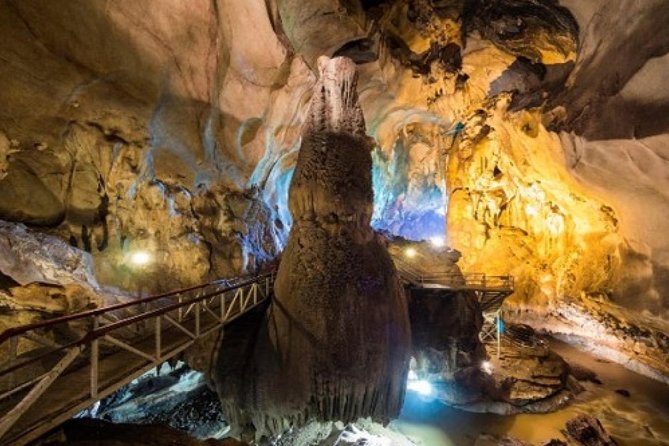
Gua Tempurung (Tempurung Cave) is the adventure-flavored stop on the route. It’s described as popular with spelunkers and caving enthusiasts, and it’s noted as more than 3 kilometers long, making it one of the longest caves on Peninsular Malaysia.
Expect this to feel different from the temple caves. The emphasis is less on ornate religious spaces and more on the cave itself—walkways, tunnels, and the general sense that you’re inside a real system of passages, not just a decorated room. Admission for this stop is marked as not included, so you’ll want to be ready for an extra entry ticket here.
If you’re into caves as physical spaces—shapes, formations, and that cool air feeling—this is the stop that can shift the whole day from cultural sightseeing to something more exploratory. If you’re not a cave person, you might still enjoy it for variety, but be realistic about how long the cave visit will take at your pace.
Kek Lok Tong and Zen Gardens: Worship Space with a Serious Grounds
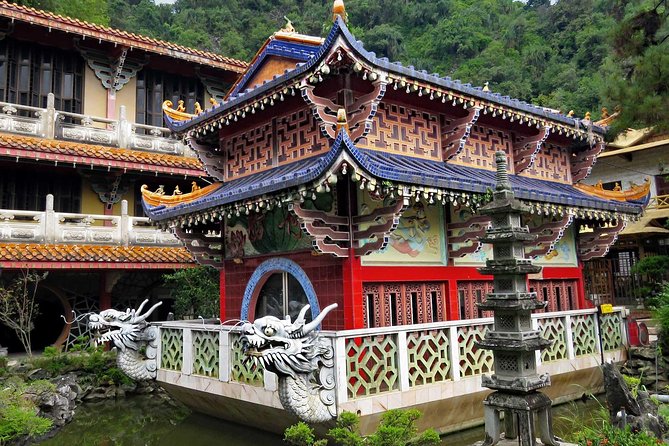
Kek Lok Tong Cave Temple and Zen Gardens is one of the most recognizable stops on this itinerary. It’s described as a cave temple attraction on a site of about 12 acres, with worship activity noted as early as 1920. The gardens and temple setting make it feel more like a park-and-temple experience than a quick stop.
This is where you can slow down a bit. Even if the day is packed, gardens and temple grounds are usually easier to enjoy without feeling like you’re constantly moving through a tight corridor. Admission is shown as included, which makes this one a smoother hit financially.
If you like your religious sites with an atmosphere—not just a statue in a dark cave—this is a good place to reset your energy before the next set of caves.
Perak Cave Temple and the 40-Foot Golden Buddha
Perak Cave Temple is the one you’ll likely remember visually. The standout detail is a golden sitting Buddha statue described as about 40 feet tall, dominating the temple space. The walls are also noted as decorated with colorful murals showing characters and scenes.
This is a great stop for two reasons. First, scale does the work for you. When a statue is that large, you can feel the space even if you don’t read every label. Second, murals are the kind of thing you can study slowly. You can stop, look, and feel like you’re learning through visuals rather than needing a lot of background explanation.
Admission is included here, so you don’t have to juggle costs. Give yourself the full hour if you can, because the murals and interior details are exactly the type of things that are more satisfying when you’re not rushing.


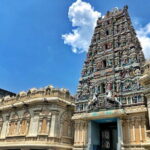

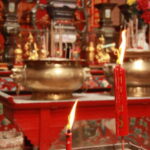

Sam Poh Tong: The Oldest Main Cave Temple in Ipoh
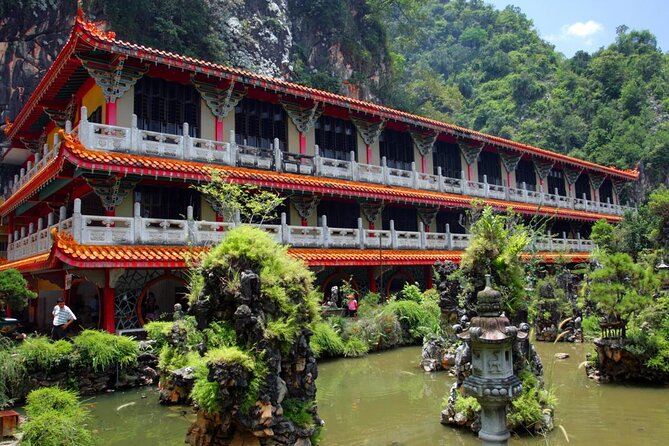
Sam Poh Tong Temple is described as a Chinese temple built within a limestone cave, and it’s called the oldest and main cave temple in Ipoh. The description also notes that it was built with raw lime, which hints at the older style of construction and materials.
If you want a “this is why Ipoh caves matter” stop, this is the one. It’s framed as the central temple, so it tends to carry more historical importance than the smaller or more specialized cave shrines. Even if you don’t go in with a deep background, the idea is clear: this is a key place in the cave-temple system around Ipoh.
Admission is included, and the one-hour window is usually enough to appreciate the cave setting plus the main features without turning it into a marathon.
Perak Guanyin Cave and Ling Sen Tong: Different Vibes, Same Limestone World
After the big names, the tour continues with Perak Guanyin Cave and Ling Sen Tong Temple, which helps keep the day from feeling repetitive.
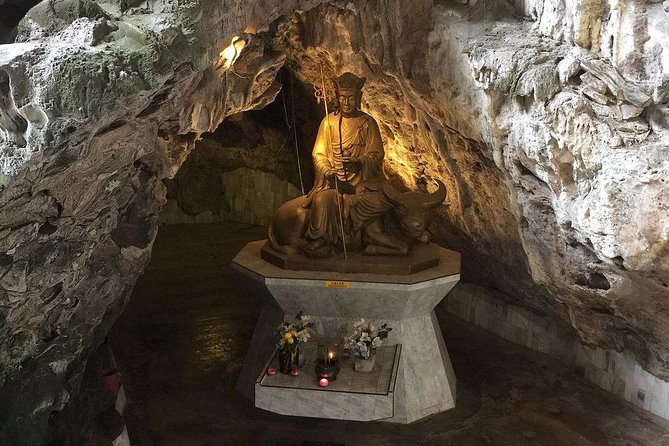
At Perak Guanyin Cave, the focus is on the Guanyin/mercy theme, and it’s described as located at the foot of Gunung Rapat on Jalan Gopeng. The setting matters here. Being at a foothill location means the cave temple is tied to the surrounding area rather than feeling completely sealed off.
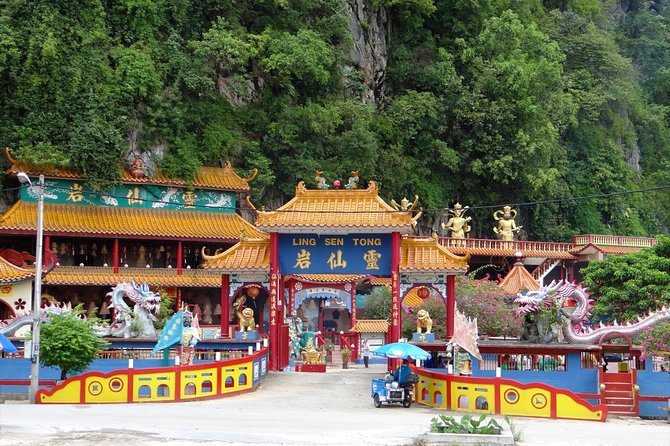
Ling Sen Tong Temple is described as different from its neighbors, with a focus on gardens. That contrast is useful. When you’ve seen several caves back-to-back, gardens or layout differences can make you feel like you’re still discovering new spaces.
Both of these are shown with admission included and about one hour each, so you’re given enough time to walk around, take pictures, and not just rush to the main feature.
Concubine Lane and Ipoh Heritage Stops: Short Visits, Big Context
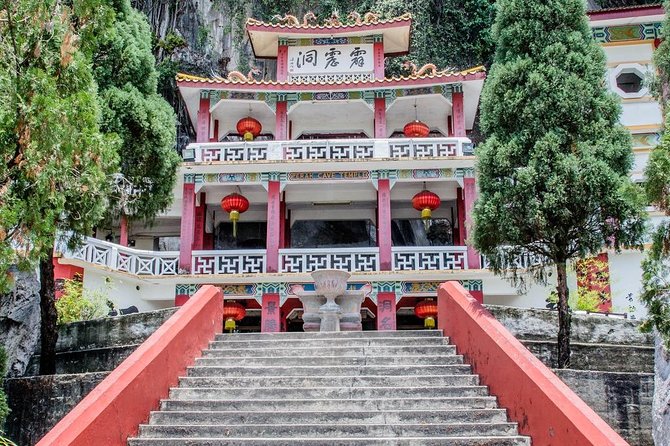
The itinerary then shifts from cave interiors to the streets of Ipoh.
Concubine Lane is a short stop, about 20 minutes. The description highlights how old Ipoh was known for being calm and laid-back, with cafes, traditional coffees, and street art. Even in a brief window, this stop can help you understand what the caves are part of: a city life, not just a “tourist attraction” loop.
Then you hit Ipoh Railway Station for about 20 minutes. The station’s background is unusual: it was initially meant to be a hospital before becoming a station, and the original completion year noted is 1917. That kind of “repurposed building” story makes architecture feel alive. You’re not only seeing colonial-style structure; you’re seeing how places evolved.
Finally, you get Ipoh Town Hall and the Old Post Office (also about 20 minutes). The Town Hall is described as one of three colonial-era buildings in Ipoh designed by British architect Arthur Benison Hubback. The other two buildings named are Ipoh High Court and the railway station. This is the sort of detail that can make you look at a facade and suddenly connect it to a bigger pattern.
Timing, Comfort, and Footwear: How to Survive the Long KL–Ipoh Day
Here’s the practical truth: the biggest challenge is usually not the temples—it’s the day length and the drive. This tour is roughly 12 hours, and multiple cave visits plus travel time means your legs will do the work.
A few ideas that help:
- Wear comfortable shoes with grip. Caves and temple entrances can involve uneven surfaces.
- Plan for a lot of standing and walking, even if each stop is “only” an hour.
- Bring snacks/water if you can, because food and drinks aren’t included unless specified.
- If you’re sensitive to schedule changes, remember there have been reports of delayed pickup in KL that pushed the departure later and squeezed the day.
One review detail that’s worth your attention: when you’re traveling solo, your driver may do a “support and then let you explore” style. The driver can keep you comfortable without micromanaging you. That’s ideal if you like independence, but still want help if something goes sideways.
Also, because the itinerary includes multiple caves and multiple temples, you’ll likely appreciate having someone who can answer questions and keep you moving. An English-speaking driver helps a lot here, especially when you’re trying to make sense of what you’re seeing.
Who This Private Ipoh Caves Tour Fits Best
This tour is a strong match if you:
- Want a culture-focused day out of Kuala Lumpur without public transport juggling
- Love cave temples and want to see several in one go (not just one “top spot”)
- Like the idea of customizing within the day, using that private setup to set your own pace
- Prefer an air-conditioned car on a long trip
It’s less ideal if you:
- Hate being on a tight schedule. The day has many stops, and delays can compress the experience.
- Expect every entry to be handled with zero surprises. Gua Tempurung admission is not included.
- Have mobility issues that make longer drives and repeated cave walking hard.
If you’re traveling as a small group, the private format can feel like good value because you’re sharing the car and driver time. If you’re solo, it can still work well, just go in ready for a long day.
Should You Book the Ipoh Caves, Heritage, and Cave Temple Tour?
I’d book this if your main goal is to pack in major Ipoh cave temples plus a bit of old-town context, and you want the comfort of private KL hotel transfers. The price makes sense because most core parts of the day are covered, especially the transportation and included admissions at many sites.
But I’d think twice if you can’t tolerate schedule slippage or you strongly prefer slow, unhurried visits. Because the day is long and includes multiple cave stops, you’ll want to start with good energy and plan for a “move through the day” style.
If you do book, use a simple strategy: decide which cave temple you care about most, then let the rest be bonus time. With a private tour and a friendly driver, that approach usually gives you the most satisfaction out of the full-day effort.
FAQ
How long is the Ipoh caves, heritage, and cave temple tour?
It runs for about 12 hours (approx.).
What’s included in the price?
The tour includes an air-conditioned vehicle, an English-speaking professional driver, and hotel pickup and drop-off in Kuala Lumpur.
Is the tour private?
Yes. It’s listed as a private tour/activity, meaning only your group participates.
Are hotel transfers from Kuala Lumpur included?
Yes, round-trip hotel transfers are included.
Is there a mobile ticket?
Yes, the tour includes a mobile ticket.
Are entrance tickets included for all caves?
No. Gua Tempurung admission is not included, while several other cave temples are listed as having admission included.
Is food included?
Food and drinks are not included unless specified.
What are the main stops on the day?
The itinerary includes Gua Tempurung, Kek Lok Tong Cave Temple and Zen Gardens, Perak Cave Temple, Sam Poh Tong Temple, Perak Guanyin Cave, Ling Sen Tong Temple, Concubine Lane, Ipoh Railway Station, and Ipoh Town Hall and Old Post Office.
What kind of transport will I use from Kuala Lumpur?
You travel in an air-conditioned vehicle.
How far in advance do people typically book this tour?
It’s commonly booked about 80 days in advance on average.