REVIEW · HIROSHIMA
Peace Memorial Park, Hiroshima Castle, & Garden Private Tour
Book on GetYourGuide →Operated by Voyagers · Bookable on GetYourGuide
Atomic shock, castle pride, garden calm in one outing. This private 2.5-hour tour strings together Atomic Bomb Dome and Shukkei-en Garden with a clear, guided story that makes the day feel organized instead of overwhelming. I especially like that entry fees for all three big stops are included, and the pacing keeps you moving without wasting time at ticket counters. One possible drawback: the Peace Memorial Museum is strict about quiet—so if you want to chat as you go, you’ll need to switch gears.
I also like that the tour runs in English with a real live guide (listed as Voyagers), and you get tour photos as part of the package. If you’re traveling with kids, there’s enough structure built in to keep attention from drifting; in one run I saw the guide Zunera manage the flow even when people arrived late after heavy rain. Just plan your day for walking and emotional weight, since the Peace Park portion leads off the hardest stops.
In This Review
- Quick hits before you go
- A smart way to link Hiroshima’s three must-sees
- Peace Memorial Park: where the order matters
- The Peace Museum rule you should plan around
- Getting more from the Peace Memorial Museum in 1 hour
- Hiroshima Castle: feudal power with modern context
- A small reality check on castle time
- Shukkei-en Garden: a calm finish you can actually feel
- Price and value: $101 for a private story, not a ticket bundle
- Where you meet, how you’ll be dropped off, and why it matters
- What to bring for Hiroshima’s weather and walking
- Who should book this private tour
- Should you book this Hiroshima Peace Park, Castle, and Garden private tour?
- FAQ
- How long is the Hiroshima Peace Memorial Park, Hiroshima Castle, & Garden private tour?
- Where does the tour start and where does it end?
- What sites are included in the guided experience?
- Is an entry ticket included?
- Do I need to wait in line for tickets?
- Is the guide available in English?
- Is pickup available?
- Can I talk inside the Peace Memorial Museum?
- Is the tour wheelchair accessible?
- What should I bring with me?
Quick hits before you go
- Private guide in English: ask questions and get context without crowd pressure
- Skip the ticket line: you spend time at sites, not in queues
- Peace Park landmarks in a logical route: cenotaph to Flame of Peace to Atomic Bomb Dome
- Hiroshima Castle + Gokoku Shrine: feudal past and shrine history inside the grounds
- Shukkei-en Garden last: a calmer finish with bridges, ponds, and curated paths
- All entry tickets included: Peace Memorial Museum, Hiroshima Castle, and Shukkei-en
A smart way to link Hiroshima’s three must-sees
Hiroshima can hit you in layers. This tour handles that on purpose, by threading together the city’s most important memorial sites first, then shifting to the power and symbolism of Hiroshima Castle, and finally easing you into quiet with Shukkei-en Garden. The result is that you don’t just see places—you understand why they sit where they do and what they mean.
Because it’s a private group, your guide can keep the pace realistic for your day. You’re not herded into a rigid crowd tempo, and you can ask what you’re wondering about while you still have the right setting. And since the tour includes walking between stops, you get a sense of the city’s layout rather than riding past everything like a blur.
You can also read our reviews of more tours and experiences in Hiroshima.


Peace Memorial Park: where the order matters
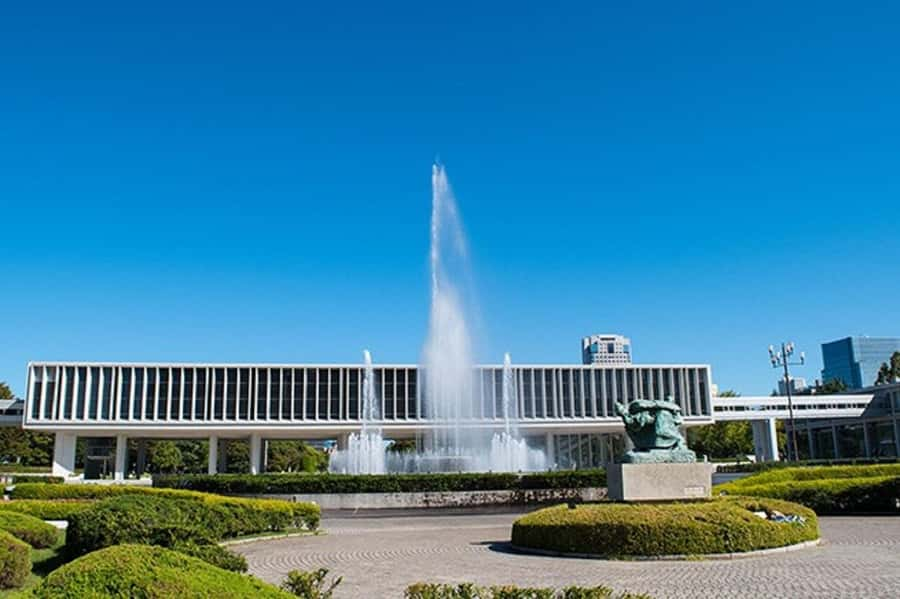
The tour starts at Hiroshima’s Peace Memorial Park, which is essentially the city’s public memory system. You begin with the Peace Memorial Museum, but the guide doesn’t treat it like a standalone attraction. They connect what you’re looking at to what came before and what happened after, so the museum feels less like a checklist item and more like the spine of the day.
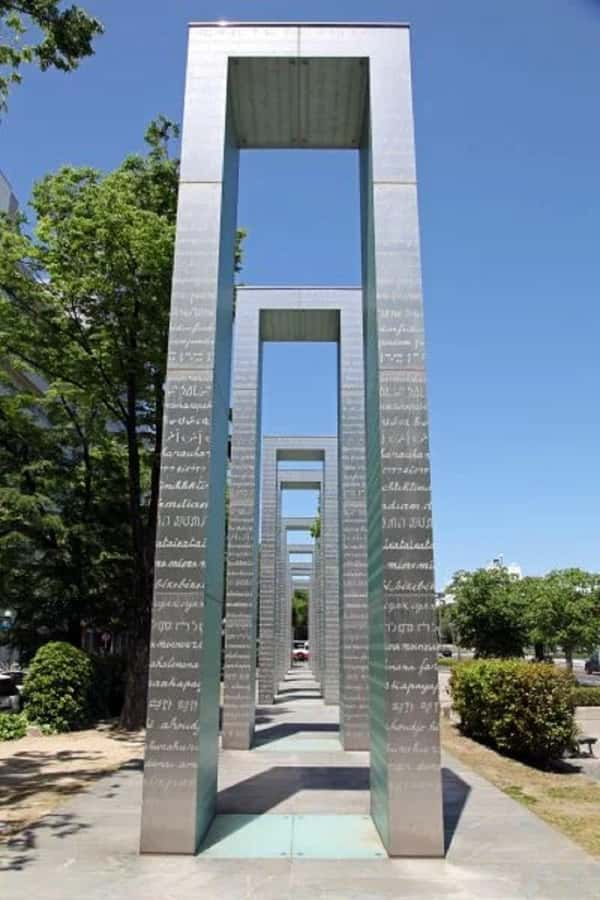
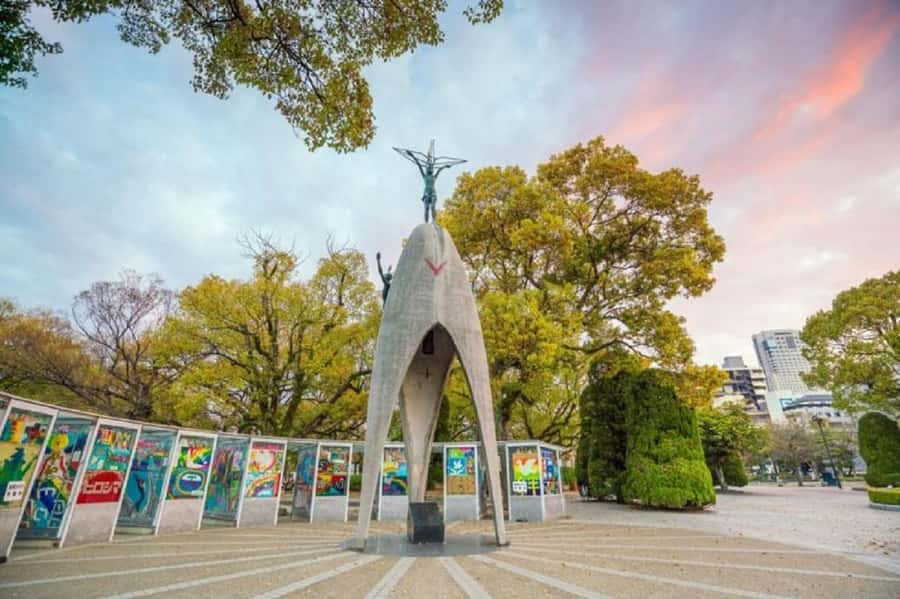
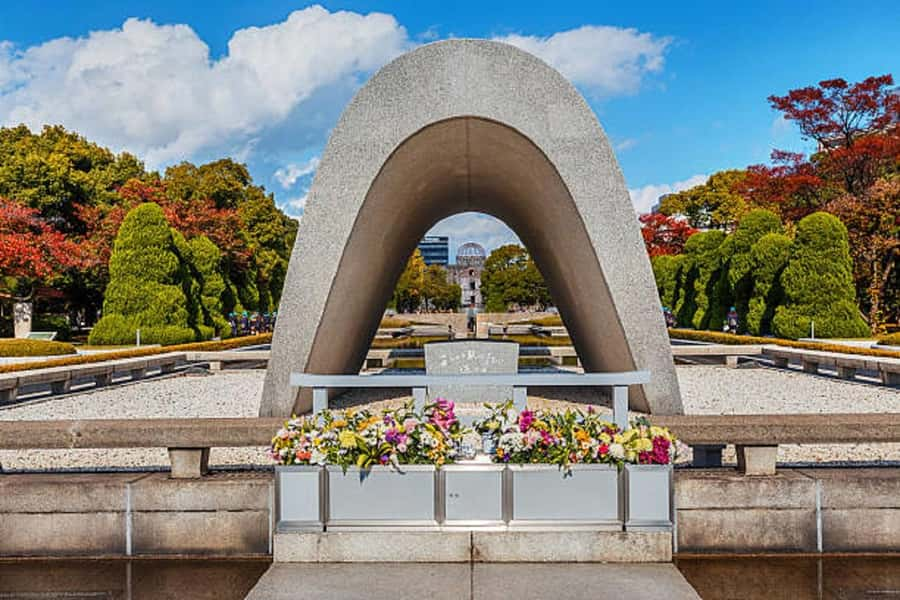
You’ll move through key memorial points around the park, each with its own focus and tone. You’ll see the Hiroshima Victims Memorial Cenotaph and the Flame of Peace, which both work like emotional anchors: they remind you that the story isn’t only about a single moment, but about what followed for survivors and families. You’ll also visit the Children’s Peace Monument, which shifts the perspective in a way that’s hard to forget.
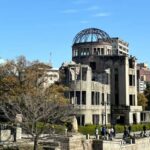
Then you reach the Atomic Bomb Dome, one of the most recognizable symbols of the devastation. Even if you think you know what it is, seeing it in person has a different impact. The dome isn’t a dramatic building in the usual tourist sense. It’s damaged, unfinished, and still there—so it reads as evidence, not decoration.
From there, the tour continues with the Bell of Peace and the Hypocenter. The Hypocenter stop is especially important because it helps you understand the geographic heart of the event, not just the city as a whole. The guide’s job here is to keep the facts clear while still respecting the mood.
The Peace Museum rule you should plan around
One key detail: speaking is prohibited inside the Peace Memorial Museum. That doesn’t mean you can’t interact at all—it means you keep your voice down so others can reflect. If you’re the kind of person who chats while reading, build in a mental adjustment now. You’ll still have access to detailed information in English inside the museum to help you follow the story without needing constant commentary.
Getting more from the Peace Memorial Museum in 1 hour
The museum time is about an hour on this tour. That’s not “wander until your feet give up” time, but it’s enough if you know what to prioritize. I like this structure because it prevents two common problems: rushing through everything without absorbing anything, or losing your schedule entirely and then feeling stressed for the rest of the day.
Here’s how I’d approach it when you’re inside:
- Use the English materials to anchor your understanding while you look at each section.
- Don’t try to read every single label. Pick the parts that answer your main questions, then let the rest form context.
- After you leave, use what you learned to interpret the nearby memorial points. The tour is set up so those stops make more sense after the museum.
Because your guide stays with you, the time feels purposeful. You’re not guessing what you’re supposed to notice; you’re given a way to look that fits this specific day in Hiroshima.
Hiroshima Castle: feudal power with modern context
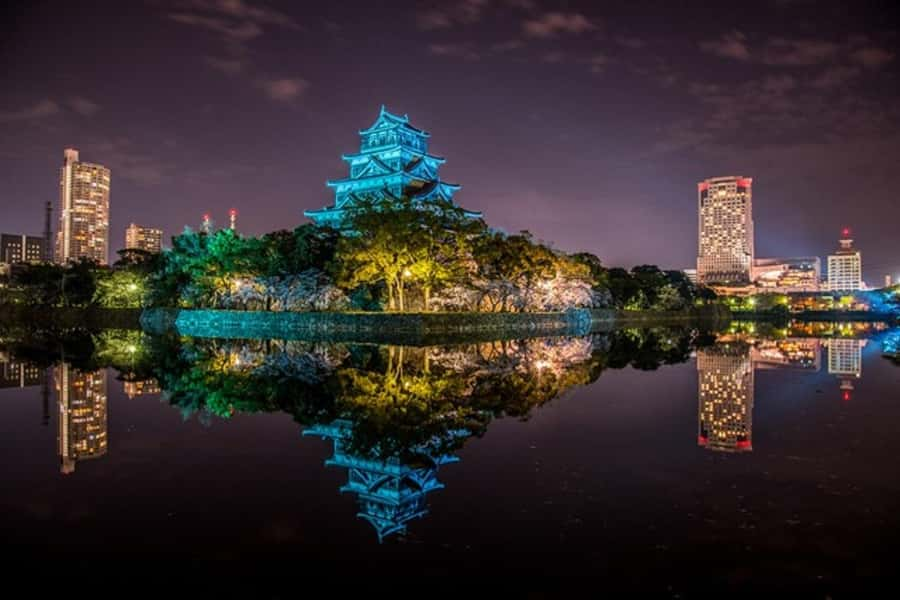
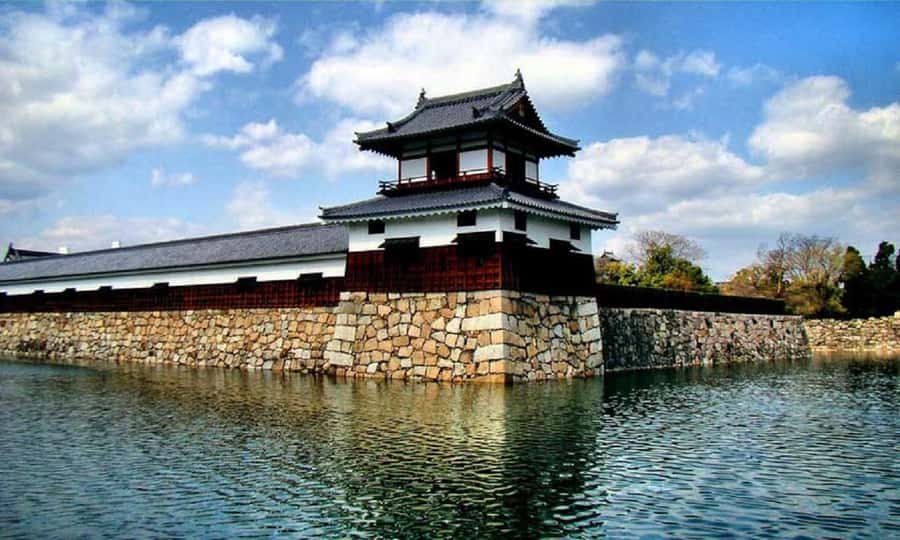
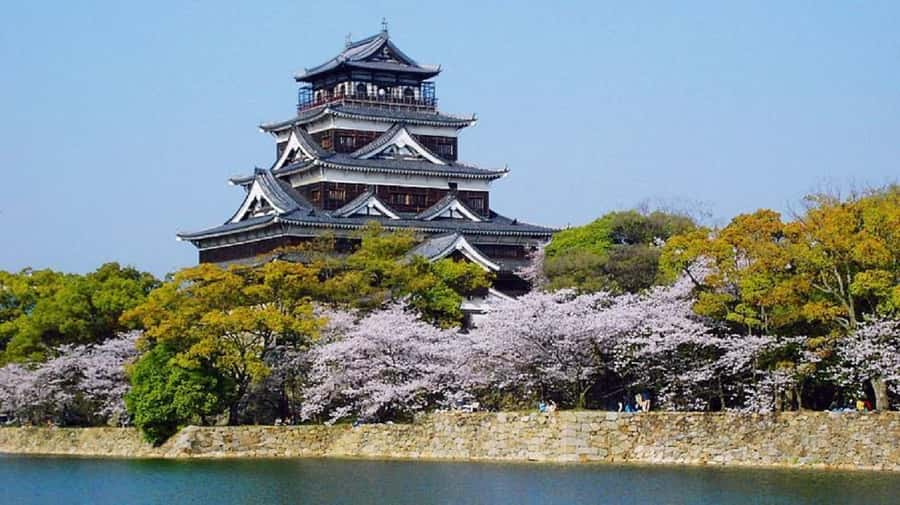
After the Peace Memorial portion, you head to Hiroshima Castle. This part changes the tone fast, and that contrast is part of why the tour works. If the morning feels heavy, the castle gives your brain a different kind of structure: walls, rooms, height, and the sense of how authority and defense shaped daily life.
You’ll get a guided visit that covers the main highlights and includes time to climb and explore. As you move through the castle areas, you step back into Japan’s feudal era and see how the site reflects power, governance, and strategy. It’s not just architecture; it’s an interpretation of history through space.
One highlight to look for is the Gokoku Shrine, located within the Hiroshima Castle grounds. That matters because it ties the castle to a broader layer of cultural meaning. It’s an example of how historical sites in Japan often include religious or commemorative elements rather than existing as isolated “just buildings.”
A small reality check on castle time
The castle stop is guided (around 30 minutes). If you love slow museum-style pacing, you might want extra time. But for most first-timers, that timing is a good match: you get the essential experience without turning the day into a marathon.
Shukkei-en Garden: a calm finish you can actually feel
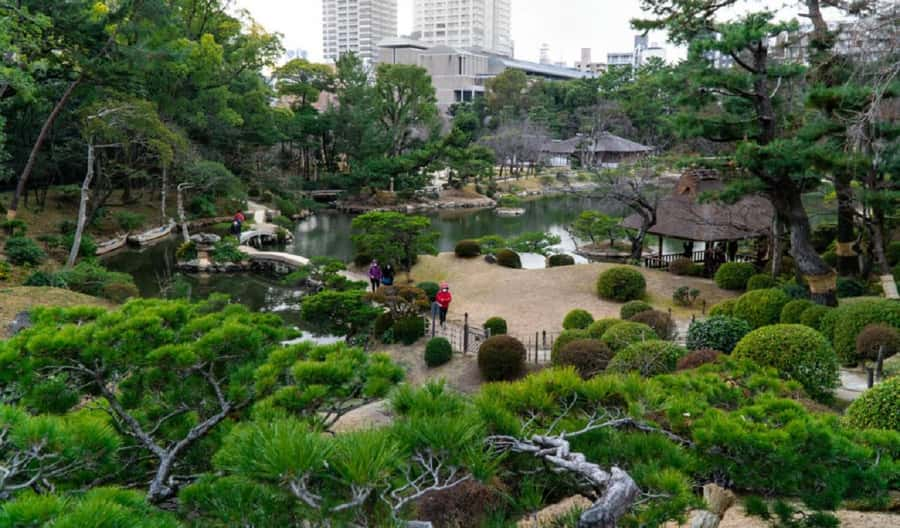
The tour ends with Shukkei-en Garden, guided for about 25 minutes. This is a smart choice for the last stop. After the Peace Park, your senses need a softer landing, and a Japanese garden can do that quickly if you’re not rushing.
In Shukkei-en, you’re looking at a carefully crafted space—ponds, bridges, and pathways designed to shift your view as you move. The guide helps you notice the details that you might skip on your own. Even if you’re not a garden expert, you’ll feel the difference between a random park and a designed one.
I like that Shukkei-en doesn’t try to compete with your emotional experience from earlier. It gives you quiet. And because it’s guided, you still leave with something understood, not just photographed.
Price and value: $101 for a private story, not a ticket bundle
This tour is priced at $101 per person and runs about 2.5 hours. On paper, it’s easy to compare to individual entry tickets. The smarter comparison is to treat it as a package of three big experiences plus a guide and time-saving support.
Here’s what makes the value feel real:
- Entry tickets included: Peace Memorial Museum, Hiroshima Castle, and Shukkei-en Garden
- Skip the ticket line: time matters when you’re fitting Hiroshima into a tight itinerary
- Private group: you’re not sharing a guide with strangers or dealing with constant regrouping
- Tour photos included: you get help capturing the day without juggling your phone and your attention
If you only cared about one site, you could do it on your own. But the reason this tour earns its money is the way it connects the stops into a single guided arc. You leave with a clearer mental map of Hiroshima’s story—both the painful parts and the cultural ones.
Where you meet, how you’ll be dropped off, and why it matters
You’ll have a choice of starting points. The tour commonly starts at Hiroshima Station, and there’s also a starting option near Shukkei-en Garden near the station. That flexibility is useful because Hiroshima is easy to navigate, but your day plan might put you near one area more than the other.
At the end, the tour finishes back at the meeting point, with drop-off options that include the taxi stand at Peace Memorial Park, Hiroshima Station, and Peace Memorial Park on Hiroshima’s site area. Practically, that means you can connect to your next plan without forcing an awkward backtrack.
If you’re building a full day around this, my advice is to pick the start point that keeps your travel time short. You’ll be doing enough walking once you start the route.
What to bring for Hiroshima’s weather and walking
Even though the tour is only about 2.5 hours, you’ll appreciate being prepared. The guidance is clear: wear comfortable shoes, and bring what helps you handle weather.
I’d pack with these in mind:
- Sunglasses, hat, and an umbrella (Hiroshima weather can change fast)
- A water bottle, especially in summer when it gets quite hot
- Comfortable clothes for the season
- Personal medication if you need it
This is one of those tours where feeling physically comfortable helps you stay emotionally present. Your feet will do a lot of the work, so plan for it.
Who should book this private tour
This experience fits best when you want three things at once: context, time efficiency, and a guided flow that keeps the day coherent.
It’s a good match if:
- You’re seeing Hiroshima for the first time and want a map of meaning, not just photos
- You’re traveling with family and need a guide who can keep things engaging
- You want to cover Peace Memorial Park, Hiroshima Castle, and Shukkei-en in one outing without coordinating multiple ticket purchases
- You prefer an English-speaking guide who can help you understand what you’re looking at, including the quieter memorial spaces
If you’re the type who always wants to linger for an hour in one spot, you might find the pacing tight. But if you want a well-managed introduction to Hiroshima’s key sites, this is a strong approach.
Should you book this Hiroshima Peace Park, Castle, and Garden private tour?
If you have limited time and you want Hiroshima to make sense, I’d book it. The combination of Peace Memorial Museum + Atomic Bomb Dome, then the shift to Hiroshima Castle and a calming finish at Shukkei-en, is an effective rhythm for most visitors. The biggest value isn’t just seeing three famous sites—it’s how the route teaches you what each place is for.
I’d hesitate only if you strongly dislike walking, or if you know you’ll struggle with the museum’s quiet rule. For everyone else, it’s a focused, respectful, and well-paced way to experience a city that deserves your attention.
FAQ
How long is the Hiroshima Peace Memorial Park, Hiroshima Castle, & Garden private tour?
The tour duration is 2.5 hours.
Where does the tour start and where does it end?
It starts at either Hiroshima Station (and there is also a starting option near Shukkei-en Garden near the station). The tour ends back at the meeting point, with drop-off options that include Peace Memorial Park taxi stand, Hiroshima Station, and Peace Memorial Park – Hiroshima.
What sites are included in the guided experience?
The tour includes Shukkei-en Garden, Hiroshima Castle, and the Hiroshima Peace Memorial area stops such as the Peace Memorial Museum and multiple memorial points including the Victims Memorial Cenotaph, Flame of Peace, Children’s Peace Monument, Atomic Bomb Dome, Bell of Peace, and the Hypocenter.
Is an entry ticket included?
Yes. Entry tickets are included for the Peace Memorial Museum, Hiroshima Castle, and Shukkei-en Garden.
Do I need to wait in line for tickets?
No. The tour includes skip-the-ticket-line service.
Is the guide available in English?
Yes. The live tour guide speaks English.
Is pickup available?
Pickup is optional from Hiroshima Station or the Taxi Stand Peace Memorial Park, and there is also pickup from your accommodation on foot if it is within a reasonable distance.
Can I talk inside the Peace Memorial Museum?
No. Speaking is prohibited inside the Peace Memorial Museum to maintain a respectful atmosphere.
Is the tour wheelchair accessible?
Yes, the tour is wheelchair accessible.
What should I bring with me?
Wear comfortable shoes and bring sunglasses, a hat, an umbrella, comfortable clothes, and any personal medication you may need.