REVIEW · PHILADELPHIA
Philadelphia: Revolution and The Founders History Tour
Book on GetYourGuide →Operated by Grim Philly Twilight Tours · Bookable on GetYourGuide
Philadelphia’s Revolution comes alive street by street. This 2-hour walking tour is built for people who want more than plaque-reading: you get a live guide, a simple route through major Revolutionary landmarks, and time to ask questions while you’re standing right where events happened. The vibe is practical and story-driven, and it starts right outside the Independence Visitor Center at Market Street.
What I like most is how you cover the headline stops without feeling rushed, including the Liberty Bell area and the Independence Hall neighborhood. Second, the best part is the guide energy: I love the way they keep the group thinking with trivia, quick context, and back-and-forth questions about the founders and what they were trying to pull off.
One thing to consider: the tour focuses on the outside sights. Independence Hall timed tickets and the interiors of certain NPS federal buildings aren’t included, so if you want to go inside, plan that separately.
In This Review
- Key highlights that make this tour worth your time
- Why This 2-Hour Revolution Walk Feels Bigger Than It Is
- Meeting Point at Market Street: Find Your Guide Fast
- Liberty Bell and Independence Hall Area: Seeing the Founding From Street Level
- George Washington’s Philadelphia: More Than a Name on a Plaque
- Franklin, Hamilton, and the Power of Everyday Founders
- Paul Revere, Madison, and the Questions You’ll Actually Want Answered
- The Continental Congress Stop: Debates That Shaped Policy
- Walking Tips for Rain or Shine and Hot Weather
- Price, Value, and What You Get for $29
- Who Should Book This Tour (and Who Might Want a Different Style)
- Should You Book This Revolution and Founders Tour?
- FAQ
- How long is the Philadelphia Revolution and Founders History Tour?
- Where do I meet the guide?
- Is the tour offered in English?
- Does the tour run in bad weather?
- What’s included in the price?
- What isn’t included?
- Is it wheelchair accessible?
Key highlights that make this tour worth your time
- Big Revolutionary names, tied to real street corners: Washington, Franklin, Hamilton, Revere, Madison, and more
- Ask-it-anything guide style: expect Q&A built into the walk, not saved for the end
- Liberty Bell + Independence Hall area coverage without a museum sprint
- Continental Congress site stop that explains the debates behind the headlines
- Weather-ready format: rain or shine, still a 2-hour walk
- Free podcast add-on to help you keep learning after the tour
Why This 2-Hour Revolution Walk Feels Bigger Than It Is
Two hours in Old City sounds short until you realize how much meaning piles up on a small map. This tour is designed to connect the dots: the story of American independence isn’t told in a straight line. It’s shown as a web of people, priorities, and political pressure—while you’re walking the same blocks where the action unfolded.
The value isn’t just that you’ll see famous places like the Liberty Bell and the Independence Hall area. It’s that you’ll get context in the moment. When you’re looking at a landmark, the guide can explain why that place mattered, what was happening nearby, and how the founders’ choices shaped the next steps.
Also, the group format works. The tour stays mobile, with stops planned so the history lands before you move on. You’re not trapped listening forever in one spot. You’ll keep moving, yet you still get details.
You can also read our reviews of more historical tours in Philadelphia


Meeting Point at Market Street: Find Your Guide Fast
Tours begin outside the Market Street doors of the Independence Visitor Center. That’s the anchor point, and it matters because the area can be confusing the first time you’re there.
My practical tip: use the front/main entrance area as your reference point and arrive a few minutes early. Some instructions can be a little unclear about side entrances, but if you position yourself at the main visitor-center frontage, you’re in the right zone.
If you’re coming with kids, this is also a good moment to set expectations: it’s a walking tour with a steady pace, so comfortable shoes are key.
Liberty Bell and Independence Hall Area: Seeing the Founding From Street Level
This is where the tour earns its keep. You get to experience the Independence Hall neighborhood in a guided way—meaning you’re not just standing in front of big buildings with nothing but your phone for context.
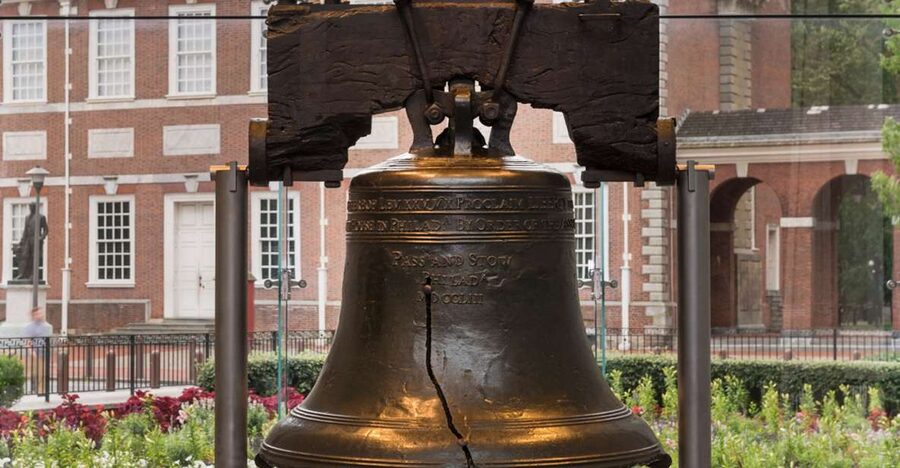
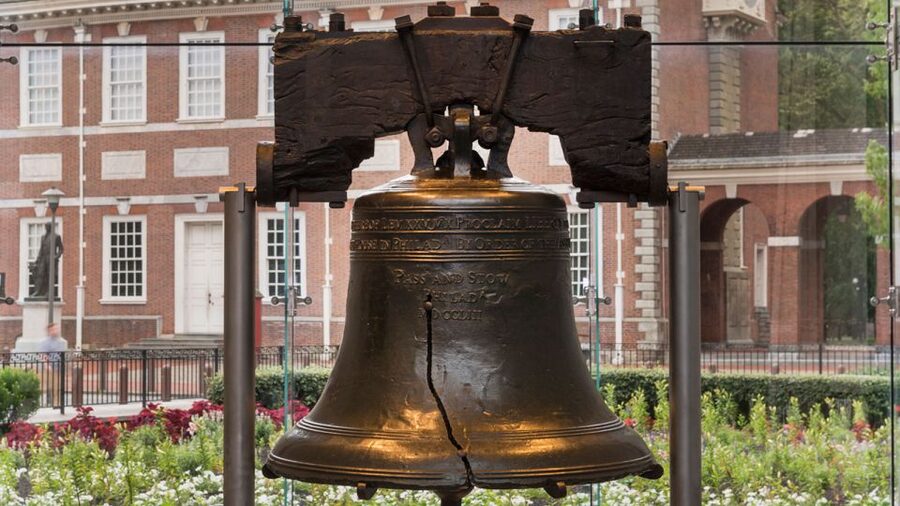
You’ll see the Liberty Bell and get the historical framing that helps it make sense beyond the symbol. The Liberty Bell isn’t treated as a trophy; it’s treated as a piece of Revolutionary-era reality—why it existed, what it represented, and how it fit into the broader independence push.
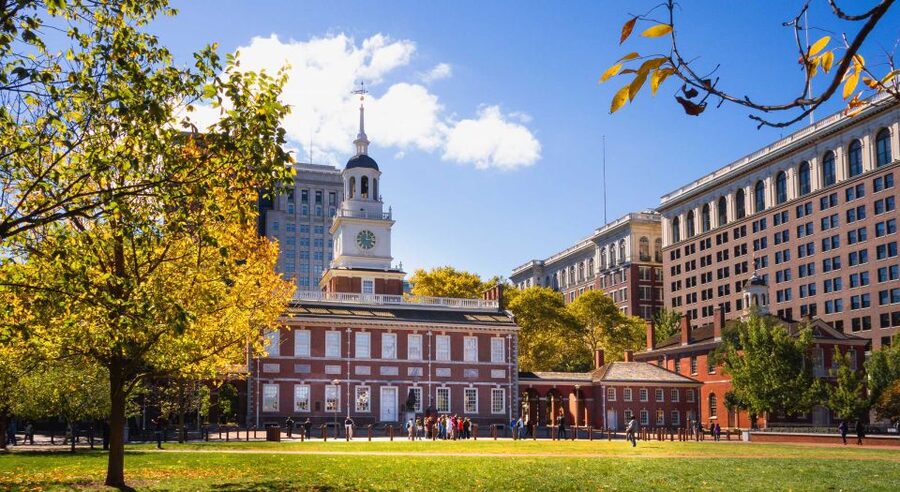
Then comes the Independence Hall area. Interiors are not included, and that’s important: timed-tickets for Independence Hall aren’t part of this tour. You’ll learn what the building represents and what happened in that political world, but you won’t be walking through the interior rooms on this package.
That said, the outside viewing plus the guide’s explanations can still feel like a “most days” version of the experience—especially if your schedule won’t handle ticketing hassles.
George Washington’s Philadelphia: More Than a Name on a Plaque

This tour isn’t just about presidents as distant figures. It’s about the Revolutionary-era Washington connections that show up in Philadelphia’s streets and neighborhoods.
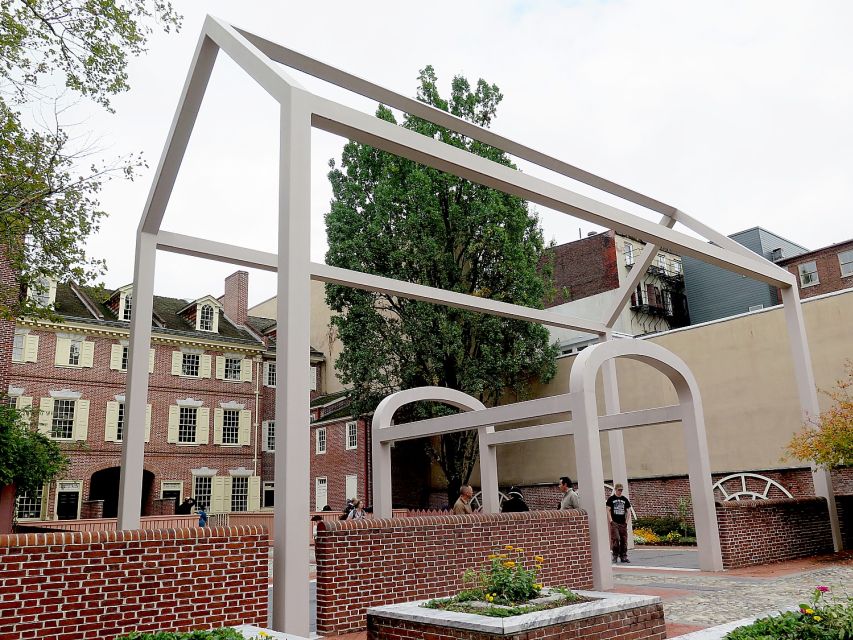
You’ll visit sites tied to George Washington, including the home area approach the tour describes. You also get a chance to understand why Washington mattered to the political and social machinery of the time, not only to military events.
What I like here is the way the guide can connect Washington to the other players you’re going to hear about later—Franklin’s political influence, Hamilton’s later prominence, Madison’s policy instincts, and the messenger-and-mobilizer role people like Revere played. The goal is to show how independence took coordination, not just bravery.
Franklin, Hamilton, and the Power of Everyday Founders
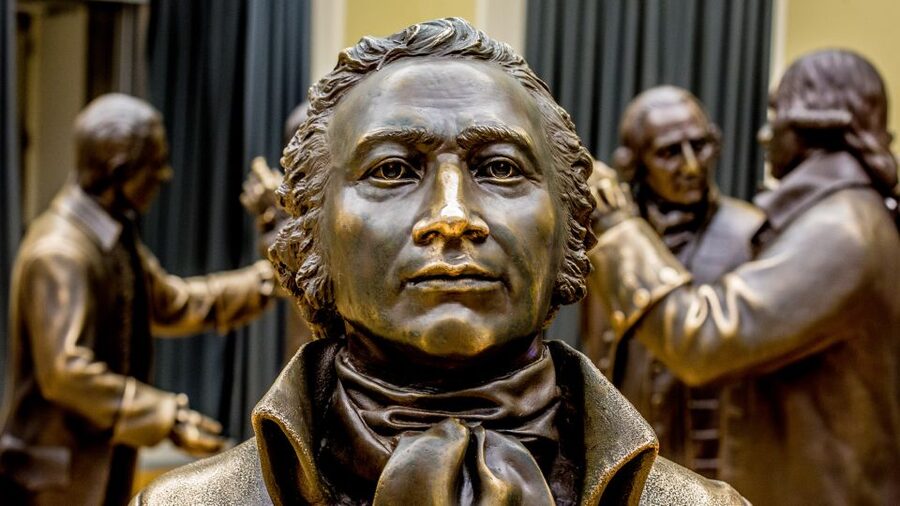
Philadelphia is packed with famous names, but the tour helps you understand what those names meant day-to-day. Benjamin Franklin is a repeated focus throughout this kind of route, and your guide should help you connect Franklin’s ideas to the practical politics of the founding era.
You’ll also hear about Alexander Hamilton and Benjamin Franklin alongside George Washington-related stops. The key is that the tour uses these figures to explain systems—communication, persuasion, funding, governance—rather than treating them like isolated biographies.
A useful benefit: if you’ve seen only a few founding-father stories in school, this walk gives you the “how did the pieces work together” angle. You start thinking in networks: people, messages, meetings, and decisions.
And if your group wants extra context, several guides on this format have leaned into answering follow-up questions and tossing in extra anecdotes to clarify why certain events mattered. That Q&A feel shows up again and again in real experiences with this tour.



Paul Revere, Madison, and the Questions You’ll Actually Want Answered
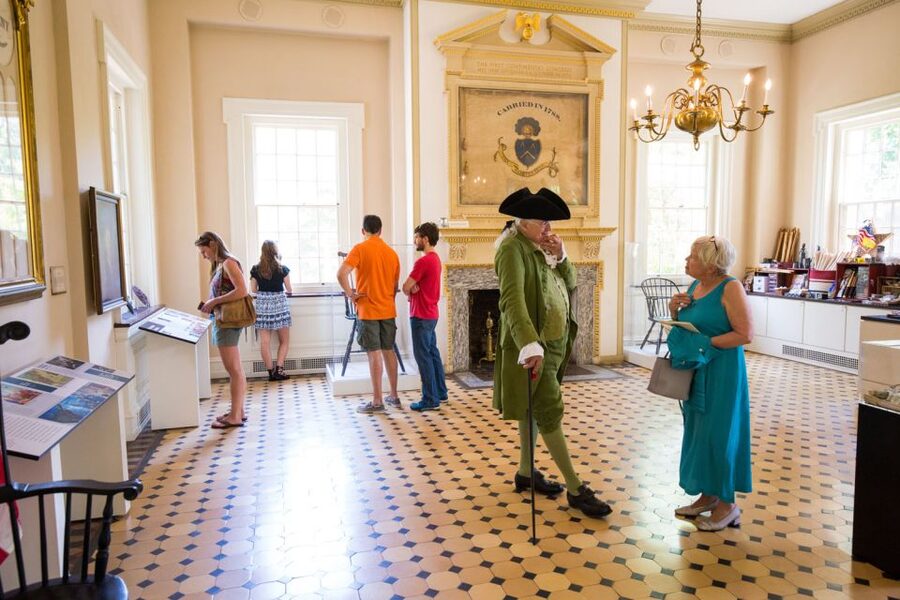
The tour route includes spots connected to Paul Revere and James Madison, and the guide uses those stops to talk about what independence took on the ground.
Revere’s role gets explained in the frame of communication and urgency—because Revolutionary politics wasn’t a slow-moving story. Madison’s name brings you toward governance and the structure of the new nation. You’re not just hearing that they existed. You’re hearing why their contributions fit together.
This is also where the “ask your guide anything” promise feels real. Since the tour is only two hours, the best guides build in time for questions as you go. That’s how you avoid the common problem of hearing a lot and forgetting half of it. If you want to ask about a signer, a specific event, or how one founder influenced another, you’ll have room to do it.
The Continental Congress Stop: Debates That Shaped Policy
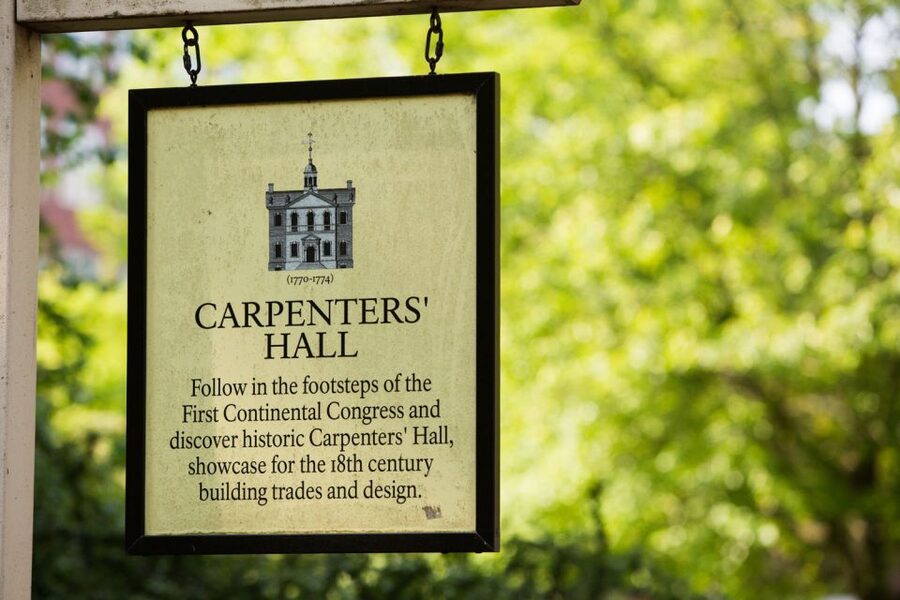
One of the most important stops is the Continental Congress site. Even if you’ve read about the Declaration of Independence, it’s easy to forget that independence wasn’t just proclaimed. It had to be negotiated, funded, argued over, and defended in real time.
This stop is where the guide’s job really shows: they connect the building blocks of governance to the people in your walk—Thomas Paine, James Madison, and Patrick Henry are specifically mentioned in the tour description.
You’ll likely come away with a clearer sense that the founding era was messy and argumentative, not clean and ceremonial. That shift—seeing the politics as lived, not textbook—makes the whole experience click.
Walking Tips for Rain or Shine and Hot Weather

This tour runs rain or shine. That’s great for planning, but it means you should pack like it’s a real Philadelphia day: comfortable shoes, a light layer, and something for precipitation just in case.
Also, it’s an outside walking tour, so keep in mind it’s not a “sit and watch” experience. You’ll cover ground on foot, so pace matters. If you’re traveling with kids or anyone who tires easily, plan for a slower walking pace at stops and consider bringing water.
If you’re worried about heat, guides on this format have been praised for adjusting to conditions—keeping groups together and managing energy. Still, you’ll have the best experience if you come prepared and don’t treat the walk like an easy stroll.
Price, Value, and What You Get for $29

At $29 per person for a two-hour guided walk, the price lands in the “good value” zone if you care about context. You’re paying for two things: a live historian-style guide and a structured route that hits major Revolutionary landmarks without turning into a chaotic self-guided scavenger hunt.
It’s also not just the walk. The experience includes a free podcast, which is handy because you can refresh the story later while you’re still in town. That matters when you’re doing multiple Philly sights and don’t want to lose details.
Compare this to self-guided wandering. You can absolutely do the route on your own, but you’ll spend more time reading and less time connecting the dots. With a guide, the story shows up right at the correct stop, when the landmark is in front of you.
One more value note: Independence Hall timed-tickets and the interiors of NPS federal structures are not included. So if your priority is interior access, budget for those tickets separately. If your priority is understanding the Revolutionary storyline through the outside sights, this tour fits well.
Who Should Book This Tour (and Who Might Want a Different Style)
This is a smart choice if you want:
- a focused overview of Revolutionary Philadelphia in a short window
- a guide who can answer questions in real time
- a walk that covers Liberty Bell and the Independence Hall area neighborhood
- a story built around founders and the political mechanics of independence
It may be less ideal if you want mostly indoor museum time or you’re only interested in interior access. Since interiors aren’t part of the included package, you’ll want other plans for buildings you can’t see inside.
It also suits first-time Philly visitors well. If you’re seeing several major sites in a limited schedule, this walk can act like your “connective tissue” tour—helping later stops make more sense.
Should You Book This Revolution and Founders Tour?
Book it if you like guided history that stays practical: you get major Revolutionary landmarks, you learn why they matter, and you get time to ask questions without feeling rushed.
Skip or pair it carefully if you mainly want indoor access to Independence Hall interiors and NPS building interiors. In that case, you’ll still get value from the outside context, but you should plan timed tickets for the interior sights separately.
If you want a two-hour Philadelphia plan that helps your brain remember what you’re seeing, this one’s a solid pick.
FAQ
How long is the Philadelphia Revolution and Founders History Tour?
The tour lasts 2 hours.
Where do I meet the guide?
Tours begin outside the Market Street doors of the Independence Visitor Center.
Is the tour offered in English?
Yes. The tour is in English.
Does the tour run in bad weather?
Yes, it runs rain or shine.
What’s included in the price?
The tour includes a walking tour, a guide, and a free podcast.
What isn’t included?
Independence Hall timed-tickets are not included, and the interiors of NPS federal structures are not included.
Is it wheelchair accessible?
Yes, the tour is wheelchair accessible.